
 EN
 AR
 FR
 DE
 JA
 KO
 PT
 RU
 ES
 TL
 ID
 VI
 TH
 TR
 MS
 HR
 DA
 NL
 FI
 EL
 HI
 IT
 NO
 PL
 SV
 IW
 LV
 SR
 SK
 SL
 UK
 HU
 MT
 FA
 AF
 IS
 MK
 AZ
 MN
 UZ

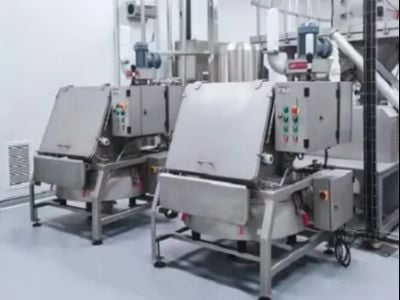
Bag dumping stations are essential equipment in modern factories, particularly for industries that handle bulk powder materials such as food, pharmaceuticals, and new materials. These JCN bag dump station systems streamline the process of emptying bags, making manual bag emptying methods increasingly obsolete. This shift is primarily driven by the need for efficiency, safety, and minimized contamination risks in manufacturing processes. We will explore the critical factors to consider when selecting a bag dumping station, how these systems can enhance operational efficiency, where to source high-quality units for bulk orders, and the cost factors that influence investment decisions.
What to Consider When Choosing a Bag Dumping Station for Your Facility?
When selecting a bag dumping station, several factors should be taken into account to ensure optimal performance and compatibility with your operational needs. First and foremost, consider the material handling requirements of your facility. The type of powder material—whether it be food-grade, pharmaceutical, or chemical—will dictate specific design and material considerations for the station. For instance, food-grade applications may require stainless steel construction to meet hygiene standards.
Next, evaluate the station's capacity and dimensions. Ensure that the height and size align with your existing equipment, such as hoppers or conveyors, to facilitate smooth integration. Also, consider the volume of bags that need to be processed and the required throughput. A high-capacity station may be needed for larger operations, while smaller setups may suffice for lower volumes.
Additionally, assess the dust containment and safety features of the station. An efficient bag dumping station should minimize dust emissions to protect worker health and maintain product quality. Features like dust collection systems or enclosed designs can greatly reduce contamination risks. Lastly, consider the ease of maintenance and accessibility of the equipment. A design that allows for easy cleaning and routine inspections can save time and reduce downtime.
How Bag Dumping Stations Improve Efficiency in Material Handling Operations?
Bag dumping stations significantly enhance the efficiency of material handling operations by automating what was once a labor-intensive process. By eliminating the need for manual bag emptying, these JCN Bag dumping station systems reduce labor costs and the risk of worker injuries associated with repetitive strain and awkward lifting.
Moreover, modern bag dumping stations typically incorporate advanced features such as integrated scales for accurate weight measurement and automated discharge mechanisms. This integration can streamline the entire process, allowing for quicker transitions between tasks and minimizing bottlenecks in production lines. For example, a bag dumping station that automatically weighs and dispenses materials can reduce the time spent on each batch, thereby increasing overall throughput.
Additionally, by providing consistent and controlled emptying, these systems help maintain product integrity and reduce material waste. This is especially critical in industries where precision is paramount, such as pharmaceuticals. With accurate measurements and controlled flow rates, manufacturers can ensure that they are using the exact amount of material required, thereby optimizing costs and reducing excess inventory.
Where to Source High-Quality Bag Dumping Stations for Bulk Orders
When sourcing bag dumping stations for bulk orders, it is essential to partner with reputable manufacturers who specialize in powder material handling equipment. Look for companies that have a proven track record in your industry and can provide references or case studies demonstrating their solutions in action.
Consider manufacturers like JCN Co., Ltd., which specializes in high-tech solutions for the food, pharmaceutical, and new materials industries. Their expertise in designing and producing efficient bag dumping systems ensures that their products meet rigorous quality and performance standards. When evaluating suppliers, inquire about their production capabilities, customization options, and lead times for bulk orders.
Additionally, check for certifications that align with industry standards, such as ISO certifications, which can provide further assurance of product quality. Engaging with suppliers that offer robust customer support and post-purchase services can also enhance your experience, as they can assist with installation, maintenance, and any operational challenges you might face.
Which Is Better?
In the context of bag dumping stations, there are various configurations and technologies available, leading to the question of which option is best suited for your needs. The choice often depends on specific application requirements, including the type of materials processed, the desired throughput, and the facility's layout.
For instance, some facilities may benefit from a bag dumping station with an integrated dust collection system, while others might prioritize a simpler design for lower-volume applications. Additionally, consider whether a manual or automated solution is more appropriate. Automated systems, while often more expensive upfront, can provide significant long-term savings through increased efficiency and reduced labor costs.
Ultimately, the best option is one that aligns with your operational goals, budget constraints, and safety requirements. It is advisable to conduct a thorough cost-benefit analysis that takes into account not just the equipment's purchase price, but also factors like maintenance costs, operational efficiency, and potential productivity gains.
Cost Factors to Consider When Investing in Bag Dumping Equipment
Investing in bag dumping equipment involves several cost factors that buyers should carefully evaluate. The initial purchase price is, of course, a significant consideration, but it is essential to look beyond this figure.
First, assess the total cost of ownership (TCO), which includes installation, maintenance, and operational costs over the equipment's lifespan. Equipment that requires frequent maintenance or has high operational costs can quickly negate initial savings. Look for stations constructed from durable materials that minimize wear and tear, resulting in lower maintenance needs.
Next, consider the potential for increased productivity. A more efficient bag dumping station can lead to faster processing times, allowing for higher throughput and reduced labor costs. These savings can often justify a higher initial investment.
Do not overlook the impact of customization on cost. Tailoring a bag dumping station to meet specific operational needs may come with added expenses, but it can lead to significant long-term benefits, including improved efficiency and reduced material waste. Always factor in these elements when comparing options to ensure that you make a well-informed investment decision.
In summary, bag dumping stations are crucial for modern manufacturing facilities seeking to improve efficiency and reduce handling risks. By understanding the key considerations for selecting a suitable system, assessing the advantages of automation, sourcing JCN Dumping station from reputable manufacturers, and evaluating the comprehensive costs involved, B2B buyers can make informed purchasing decisions that align with their operational needs.