
 EN
 AR
 FR
 DE
 JA
 KO
 PT
 RU
 ES
 TL
 ID
 VI
 TH
 TR
 MS
 HR
 DA
 NL
 FI
 EL
 HI
 IT
 NO
 PL
 SV
 IW
 LV
 SR
 SK
 SL
 UK
 HU
 MT
 FA
 AF
 IS
 MK
 AZ
 MN
 UZ

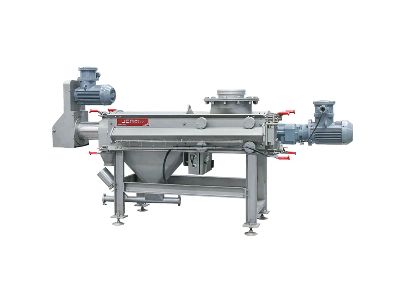
A cyclone sieving machine is an advanced piece of equipment designed to combine the processes of conveying and screening in one integrated system. This innovative solution is particularly valuable in industries such as food, pharmaceuticals, and materials processing, where efficiency and precision are paramount. For B2B buyers, concerns often revolve around product specifications, quality assurance, cost-effectiveness, and overall performance. This article will guide you through essential aspects of cyclone sieving machines, helping you make informed purchasing decisions.
Comparing Cyclone Sieving Machine Specifications for Bulk Orders
When considering bulk orders of cyclone sieving machines, it’s critical to evaluate specifications that directly affect performance and suitability for your application. Key specifications to check include:
Screening Area: The effective area for material separation; larger areas can handle larger volumes but may also require more space.
Mesh Size: Determines the particle size that can be screened. Ensure the mesh size aligns with your material processing requirements to achieve desired product quality.
Throughput Capacity: This indicates the volume of material the machine can handle within a given timeframe, impacting operational efficiency.
Power Consumption: Higher efficiency Automatic sieving machine can lead to significant energy savings, an important consideration for long-term operational costs.
Additionally, ensure to confirm the machine's dimensions and weight, as these factors can affect installation and operation within your facility. When discussing bulk orders with suppliers, provide specific details regarding your application, expected throughput, and any customization needs to receive tailored recommendations.
Understanding Quality Control in Cyclone Sieving Machine Manufacturing
Quality control is a cornerstone of reliable cyclone sieving machine manufacturing. At JCN Co., Ltd., we emphasize robust quality assurance processes to meet the stringent requirements of various industries. Key quality control aspects include:
Material Selection: Using high-grade materials that withstand operational stresses and potential corrosion ensures longevity and performance.
Production Testing: Conducting thorough testing during and after production helps identify any defects early, preventing subpar products from reaching customers.
Certification Compliance: Ensuring adherence to industry standards and certifications is crucial. Buyers should verify that the manufacturer complies with relevant quality standards of cyclone sieving machine, such as ISO certifications, which reflect a commitment to quality.
For buyers, understanding these quality control processes can alleviate concerns regarding product reliability and performance, ensuring that the machinery purchased will meet operational expectations.
Evaluating Cost Factors When Purchasing Cyclone Sieving Machines
Cost evaluation for cyclone sieving machines involves more than just the initial purchase price. Here are critical factors to consider:
Total Cost of Ownership: This includes not only the purchase price but also installation, maintenance, and operational costs over the machine's lifespan. It's essential to consider energy efficiency and expected maintenance to avoid unexpected expenses.
Customization Costs: If specific features or adaptations are required, such as unique sizing or additional components, these can significantly impact the price. Discuss customization options upfront to establish a clear budget.
Bulk Order Discounts: Suppliers may offer discounts for larger orders, which can help reduce unit costs. Be sure to inquire about pricing structures when placing bulk orders.
Lead Time: Longer lead times can affect operational schedules. Confirm production timelines and ensure they align with your project deadlines to avoid disruptions.
By evaluating these factors, buyers can make more cost-effective decisions that align with their operational goals.
How Cyclone Sieving Machines Enhance Efficiency in Material Processing?
Cyclone sieving machines significantly enhance efficiency in material processing through their innovative design, which integrates conveying and screening functionalities. This dual functionality results in:
Reduced Processing Time: By eliminating the need for separate conveying and screening equipment, production lines can operate more swiftly, increasing throughput without sacrificing quality.
Minimized Material Handling: The compact design reduces the need for additional equipment, streamlining processes and cutting down on labor and handling expenses.
Consistent Quality Control: The ability to continuously monitor and adjust screening parameters ensures that products meet quality specifications, reducing waste and rework.
For businesses in the food and pharmaceutical sectors, where compliance with quality standards is crucial, the efficiency brought by cyclone sieving machines can greatly enhance production reliability and output.
Technical Insights on Cyclone Sieving Machine Operation and Maintenance
Understanding the operation and maintenance of cyclone sieving machines is essential for maximizing their lifespan and ensuring optimal performance. Key operational insights include:
Setup and Calibration: Proper installation and calibration are vital. Operators should ensure that the machine is correctly aligned and that screening parameters are set according to the specific material being processed.
Regular Maintenance Routines: Implementing a regular maintenance schedule, including cleaning and inspection of screens and conveyor belts, can prevent unplanned downtime and extend the machine's operational life.
Monitoring Performance Metrics: Keeping an eye on throughput, power consumption, and material quality can help identify potential issues early. Operators should be trained to recognize when performance dips below expected levels.
By investing time in understanding the machine's operation and maintenance requirements, buyers can enhance productivity and reduce long-term costs associated with repairs and replacements. A Powder sieving machine is a vital investment for businesses seeking efficiency in material handling and processing. By understanding product specifications, quality control, cost factors, operational efficiency, and maintenance requirements, B2B buyers can make informed decisions that align with their operational needs and goals.
Table of Contents
- Comparing Cyclone Sieving Machine Specifications for Bulk Orders
- Understanding Quality Control in Cyclone Sieving Machine Manufacturing
- Evaluating Cost Factors When Purchasing Cyclone Sieving Machines
- How Cyclone Sieving Machines Enhance Efficiency in Material Processing?
- Technical Insights on Cyclone Sieving Machine Operation and Maintenance