
 EN
 AR
 FR
 DE
 JA
 KO
 PT
 RU
 ES
 TL
 ID
 VI
 TH
 TR
 MS
 HR
 DA
 NL
 FI
 EL
 HI
 IT
 NO
 PL
 SV
 IW
 LV
 SR
 SK
 SL
 UK
 HU
 MT
 FA
 AF
 IS
 MK
 AZ
 MN
 UZ

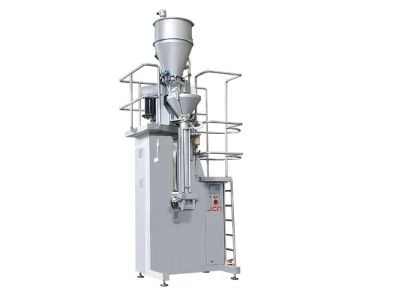
High-efficiency vertical mixers, particularly ribbon blenders, are essential in many industrial applications for effective powder mixing. These Vertical mixer provide uniformity in blending various materials, such as powders and granules, making them a preferred choice in industries like food, pharmaceuticals, and new materials. As a purchasing manager or engineer, understanding the advantages, specifications, and cost implications of ribbon blenders will help you make informed decisions that enhance productivity and efficiency in your operations.
How Ribbon Blenders Ensure Quality in Powder Mixing Applications?
Ribbon blenders are designed with a unique dual ribbon configuration that ensures thorough and even mixing of powders. This design allows for multiple flow patterns within the mixing chamber, resulting in consistent homogeneity and minimal product segregation. The quality of the end product is directly influenced by the mixing efficiency; a poorly mixed batch can lead to product inconsistencies that affect performance and compliance with industry standards.
In applications such as pharmaceuticals, where precise dosages are critical, using a ribbon blender can significantly improve the quality of the final product. The ability to customize the mixing speed and time further enhances control over the blending process. Additionally, ribbon blenders can handle a wide range of bulk densities and particle sizes, making them versatile for various applications. This adaptability is crucial for industries where different formulations may require different mixing approaches.
Cost Savings on High-Efficiency Mixers
Investing in high-efficiency ribbon blenders can lead to substantial cost savings in the long run. Although the initial purchase price may be higher than other mixing technologies, ribbon blenders offer lower operational costs due to their energy-efficient design and reduced processing time. The ability to achieve uniform mixing in shorter periods minimizes waste and improves throughput, allowing for more efficient production cycles.
Furthermore, ribbon blenders often require less maintenance compared to other mixing systems. Their robust construction and fewer moving parts mean reduced downtime and lower repair costs. This reliability is vital for manufacturers seeking to optimize their production lines and maintain consistent output quality.
Key Specifications
When evaluating ribbon blenders, several key specifications should be considered to ensure optimal performance. These specifications include:
Capacity: The volume that the blender can handle, which varies based on the model. Selecting a capacity that aligns with production needs is essential to avoid bottlenecks.
Power Requirements: Assess the motor power needed for effective operation. A higher power rating may be necessary for more demanding mixing applications.
Material Construction: Common materials include stainless steel for sanitary applications or carbon steel for less stringent environments. The choice of material affects durability and compliance with industry regulations.
Mixing Speed: The ability to adjust mixing speeds allows for customization based on material properties and desired blending times.
Dimensions: The overall footprint of the Vertical mixer machine can affect installation and integration into existing production lines.
Understanding these specifications helps buyers select the right equipment tailored to their specific operational needs.
Evaluating Material Advantages of High-Efficiency Mixers
The choice of materials used in constructing ribbon blenders plays a critical role in their performance and longevity. Stainless steel is often preferred in industries like food and pharmaceuticals due to its resistance to corrosion and ease of cleaning. This is essential for maintaining product purity and compliance with health regulations.
Moreover, surface treatments such as polishing can enhance the material's properties, reducing friction and facilitating easier discharge of materials. Buyers should consider the specific characteristics of the materials being mixed, such as particle size, moisture content, and flowability, as these factors can influence the material selection for the blender itself.
Additionally, understanding the chemical compatibility of materials used in the blending process with the mixer construction is vital. For example, if the materials to be mixed are corrosive, a more resistant material or coating may be required to prevent degradation over time, ensuring the blender's longevity and reliability.
Understanding the Cost Factors of Ribbon Blender Purchase
Several cost factors should be taken into account when purchasing a ribbon blender. The initial cost is just one component; buyers should also consider:
Customization Options: Custom features, such as specific sizes, additional mixing elements, or specialized coatings, can increase the overall cost but may be necessary for certain applications.
Installation and Integration: Expenses related to installation, including any necessary modifications to existing equipment, should be included in the Vertical feed mixer budget.
Operational Costs: Evaluate the energy consumption and maintenance requirements associated with the chosen model, as these will affect the total cost of ownership.
Lead Time: The time required for delivery can impact project timelines, particularly if a specific model is needed for production schedules.
Warranty and Support: The level of after-sales support and warranty terms offered by the manufacturer can affect the long-term value of the investment.
By thoroughly assessing these factors, buyers can make a more informed decision that aligns with their operational goals and budget constraints.
High-efficiency vertical mixers, particularly ribbon blenders, stand out for their ability to deliver quality and consistency in powder mixing applications. Understanding their specifications, material advantages, and cost implications will guide purchasing managers and engineers in making sound investment decisions that enhance production efficiency and product quality.