
 EN
EN
 AR
AR
 FR
FR
 DE
DE
 JA
JA
 KO
KO
 PT
PT
 RU
RU
 ES
ES
 TL
TL
 ID
ID
 VI
VI
 TH
TH
 TR
TR
 MS
MS
 HR
HR
 DA
DA
 NL
NL
 FI
FI
 EL
EL
 HI
HI
 IT
IT
 NO
NO
 PL
PL
 SV
SV
 IW
IW
 LV
LV
 SR
SR
 SK
SK
 SL
SL
 UK
UK
 HU
HU
 MT
MT
 FA
FA
 AF
AF
 IS
IS
 MK
MK
 AZ
AZ
 MN
MN
 UZ
UZ

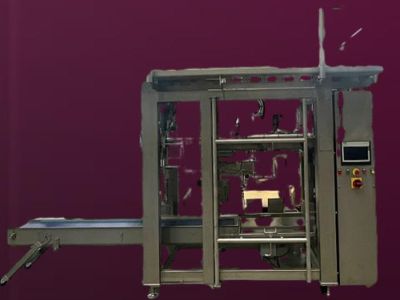
Automatic bagging machines play a crucial role in optimizing powder packaging lines, serving as the backbone of modern operations in various industries. These machines automate the filling and sealing processes, addressing key concerns around efficiency, consistency, and cost-effectiveness that many B2B buyers, such as purchasing managers and engineers, grapple with. We will explore the numerous advantages of Automatic bagging machine, offer guidance on selecting reliable suppliers, compare models for cost efficiency, provide installation insights, and discuss their applications across different sectors.
Understanding the Advantages of Automatic Bagging Machines in Packaging
Automatic bagging machines offer several advantages that enhance the efficiency and reliability of packaging operations. One primary benefit is the significant reduction in labor costs. By automating the filling and sealing processes, companies can minimize manual intervention, which not only lowers labor expenses but also reduces the risk of human error. Additionally, these Automatic bagging machines provide consistent fill weights and precise sealing, ensuring quality control and compliance with industry standards.
Another key advantage is the flexibility and customization available with automatic bagging machines. Suppliers often offer various configurations and sizes to accommodate different bag types, from stand-up pouches to traditional flat bags. This versatility allows manufacturers to adapt their packaging lines to changing product offerings or market demands without major overhauls.
Furthermore, automatic bagging machines can integrate seamlessly with other equipment, such as conveyor systems and robotic palletizers, creating an efficient and streamlined production line. This integration not only improves throughput but also enhances traceability and inventory management, which are critical for industries such as food and pharmaceuticals.
Finding Reliable Suppliers for Bagging Machines
When searching for a reliable supplier of automatic bagging machines, buyers should consider several factors to ensure they choose the right partner. Start by evaluating the supplier's reputation in the industry. Look for manufacturers like JCN Co., Ltd., known for their high-tech solutions in powder handling and packaging systems, which can indicate a commitment to quality and innovation.
Another important aspect is the supplier's production capabilities and experience. Experienced manufacturers typically have a range of models and customization options, allowing buyers to select machines that best fit their specific needs. Requesting references or case studies from existing clients can provide insight into the supplier's reliability and service quality.
Buyers should also inquire about the after-sales support offered by the supplier. This includes maintenance services, availability of spare parts, and training for operational staff. A supplier that provides comprehensive support is crucial for minimizing downtime and ensuring that the equipment functions optimally.
Comparing Automatic Bagging Machines for Optimal Cost Efficiency
Cost efficiency is a critical consideration for any B2B buyer when evaluating automatic bagging machines. To make an informed decision, buyers should compare several factors, including the initial purchase price, ongoing operational costs, and potential return on investment (ROI).
When assessing the initial cost, consider not just the machine price but also the total installation costs, which may include modifications to existing production lines or additional equipment. It’s essential to weigh these costs against the expected productivity gains and labor savings from automation.
Operational costs should also be evaluated. This includes energy consumption, maintenance needs, and the cost of consumables such as bags and sealing materials. Machines that are energy-efficient and require less frequent maintenance can offer significant long-term savings.
Finally, calculating the ROI is vital. Buyers should analyze how quickly the machine will pay for itself through increased output, improved quality, and reduced labor costs. Creating a comprehensive cost-benefit analysis can help determine which model aligns best with financial goals.
Installation Guidance for Automatic Bagging Machines in Your Facility
Proper installation of automatic bagging machines is critical to ensuring optimal performance and longevity. Before installation, it's essential to assess the facility layout and determine the best location for the Auto bagging machine, considering factors such as space, accessibility, and proximity to other equipment.
Once the location is confirmed, ensure that all necessary utilities, such as electrical connections and compressed air lines, are available and compliant with the machine's requirements. Suppliers often provide installation guidelines, but it’s advisable to have a dedicated team familiar with the equipment for installation and initial setup.
After installation, conducting thorough testing is essential. This includes running initial production trials to identify any potential issues with fill weights, sealing integrity, or integration with existing systems. Addressing any discrepancies during this phase can prevent costly disruptions during regular operations.
Applications of Automatic Bagging Machines in Various Industries
Automatic bagging machines are versatile and find applications across various industries, including food, pharmaceuticals, and new materials. In the food industry, these machines are used for packaging powdered products such as flour, sugar, and spices, where maintaining hygiene and product integrity is paramount.
In the pharmaceutical sector, automatic bagging machines play a critical role in ensuring that medications and supplements are packaged with precision and compliance with regulatory standards. The ability to customize bag sizes and materials is particularly beneficial in this highly regulated environment.
Additionally, industries dealing with new materials, such as chemicals and plastics, utilize automatic bagging systems to enhance packaging efficiency and ensure safe handling of potentially hazardous materials. The adaptability of these machines makes them suitable for a broad range of applications, helping companies maintain competitiveness in their respective markets.
Understanding the advantages, supplier selection criteria, cost comparisons, installation guidelines, and applications of automatic bagging machines equips B2B buyers with the knowledge needed to make well-informed purchasing decisions. As the backbone of modern powder packaging lines, these machines are indispensable for businesses aiming to enhance efficiency and quality in their operations.
Table of Contents
- Understanding the Advantages of Automatic Bagging Machines in Packaging
- Finding Reliable Suppliers for Bagging Machines
- Comparing Automatic Bagging Machines for Optimal Cost Efficiency
- Installation Guidance for Automatic Bagging Machines in Your Facility
- Applications of Automatic Bagging Machines in Various Industries