
 EN
EN
 AR
AR
 FR
FR
 DE
DE
 JA
JA
 KO
KO
 PT
PT
 RU
RU
 ES
ES
 TL
TL
 ID
ID
 VI
VI
 TH
TH
 TR
TR
 MS
MS
 HR
HR
 DA
DA
 NL
NL
 FI
FI
 EL
EL
 HI
HI
 IT
IT
 NO
NO
 PL
PL
 SV
SV
 IW
IW
 LV
LV
 SR
SR
 SK
SK
 SL
SL
 UK
UK
 HU
HU
 MT
MT
 FA
FA
 AF
AF
 IS
IS
 MK
MK
 AZ
AZ
 MN
MN
 UZ
UZ

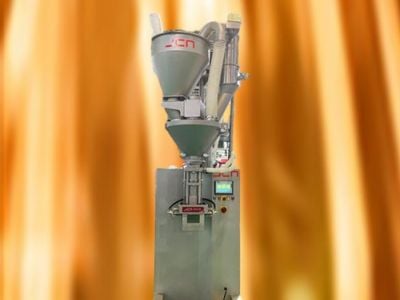
Effective powder filling machines are essential in industries where powder handling is common, such as food, pharmaceuticals, and new materials. A critical aspect of these Powder and packaging machines is their ability to control airborne dust, which can pose health risks and operational challenges. This article explores how powder filling machines minimize airborne dust risks, how to source reliable machines, installation guidance, common dust-related problems, and key specifications to consider when selecting dust-controlling powder fillers.
How Powder Filling Machines Minimize Airborne Dust Risks
Powder filling machines are designed to handle fine powders, which can easily become airborne during the filling process. To control airborne dust, manufacturers implement several techniques, including:
Enclosed Systems: Many modern powder filling machines feature enclosed systems to contain powders during the filling operation. This minimizes the risk of dust escaping into the environment, protecting both workers and the surrounding area.
Integrated Dust Collection Systems: Advanced machines are equipped with built-in dust collection systems. These systems capture airborne particles at the source, filtering them out before they can disperse into the air.
Controlled Dispensing Techniques: Precision in dispensing is crucial. Machines with adjustable flow rates and vacuum-assist options can minimize spillage and reduce the likelihood of powders becoming airborne.
Regular Maintenance and Calibration: Ensuring that the machines are regularly maintained and calibrated can help prevent issues that may lead to dust generation, such as blockages or improper sealing.
By implementing these features, powder filling machines not only enhance operational efficiency but also protect workers from the hazards associated with airborne dust.
Where to Source Reliable Powder Filling Machines for Dust Control?
When sourcing powder filling machines that effectively control airborne dust, buyers should consider both the manufacturer’s reputation and the machine's specific features. Here are some strategies for finding reliable suppliers:
Industry Recommendations: Seek recommendations from industry peers or professional associations. Networking within industry events can lead to insights about reputable manufacturers with proven track records.
Certifications and Compliance: Look for manufacturers that comply with industry standards and hold relevant certifications. This not only indicates quality but also demonstrates a commitment to safety and efficiency.
Product Demonstrations: Request demonstrations or trials of the equipment. This allows potential buyers to assess the machine's performance in controlling dust and meeting their specific needs.
Customization Options: Choose manufacturers that offer customization capabilities. Every application is unique, and having a machine tailored to specific requirements can significantly enhance dust control.
After-Sales Support: Evaluate the level of after-sales support provided by the manufacturer. A good supplier will offer installation guidance, training, and ongoing maintenance support to ensure optimal performance.
By focusing on these areas, buyers can find reliable powder filling machines that effectively manage airborne dust.
Installation Guidance for Effective Dust Control in Powder Filling
Proper installation of powder filling machines is crucial for effective dust control. Here are key considerations for ensuring optimal performance during installation:
Site Assessment: Conduct a thorough assessment of the installation site. Consider factors such as space constraints, accessibility for maintenance, and proximity to other equipment.
Alignment and Calibration: During installation, ensure that the machine is correctly aligned and calibrated. Misalignment can lead to improper filling and increased dust generation.
Integration with Existing Systems: If integrating with existing production lines, make sure that the powder filling machine harmonizes with other equipment, including conveyors and dust collection systems.
Sealing and Containment: Pay special attention to sealing mechanisms. Proper seals prevent dust from escaping during operation. Regular checks post-installation can help maintain these seals.
Training Staff: Provide training for personnel on the operation and maintenance of the machine. Understanding how to operate the machine correctly can significantly reduce the risk of dust generation due to operator error.
Following these installation guidelines ensures that powder packaging machine perform effectively while controlling airborne dust.
Common Problems with Airborne Dust and Solutions in Powder Filling
Airborne dust can create several challenges in powder filling operations. Recognizing common issues and their solutions can help maintain a safe and efficient working environment:
Inadequate Dust Control: If a machine is not effectively controlling dust, it could be due to poor sealing or the absence of an adequate dust collection system. Upgrading to a machine with enhanced sealing technology and built-in dust collection can resolve this issue.
Operator Exposure: If operators are frequently exposed to dust, it may indicate that the machine's air filtration system is insufficient. Implementing HEPA filters or enhancing the ventilation system can mitigate this risk.
Product Contamination: Dust can contaminate the product, affecting quality. This can be avoided by ensuring that all equipment is properly cleaned and maintained, and by using enclosed systems that minimize dust dispersion.
Equipment Downtime: Dust accumulation can lead to machine malfunctions, increasing downtime. Regular maintenance schedules should include checks for dust build-up and cleaning of dust collection systems.
By addressing these common problems proactively, manufacturers can ensure a safer working environment and maintain operational efficiency.
Specifications to Look for in Dust-Controlling Powder Fillers
When selecting powder filling machines focused on dust control, certain specifications are critical to consider:
Sealing Mechanisms: High-quality sealing systems are essential for preventing dust escape. Look for machines with advanced sealing technologies that ensure airtight operation.
Dust Collection Capabilities: Machines should come equipped with efficient dust collection systems, preferably with HEPA filters that can capture fine particles effectively.
Filling Accuracy: Precision in filling is crucial to minimize spillage. Evaluate the machine's filling accuracy specifications, ensuring it meets the requirements for the intended application.
Material Compatibility: The materials used in the machine should be resistant to the types of powders being filled. This can prevent contamination and ensure longevity.
Ease of Cleaning: Machines designed with easy disassembly and cleaning features can help maintain dust control and reduce downtime for maintenance.
By focusing on these specifications, buyers can select powder filling machine that not only meet their operational needs but also effectively control airborne dust, creating a safer work environment.
Table of Contents
- How Powder Filling Machines Minimize Airborne Dust Risks
- Where to Source Reliable Powder Filling Machines for Dust Control?
- Installation Guidance for Effective Dust Control in Powder Filling
- Common Problems with Airborne Dust and Solutions in Powder Filling
- Specifications to Look for in Dust-Controlling Powder Fillers