
 EN
EN
 AR
AR
 FR
FR
 DE
DE
 JA
JA
 KO
KO
 PT
PT
 RU
RU
 ES
ES
 TL
TL
 ID
ID
 VI
VI
 TH
TH
 TR
TR
 MS
MS
 HR
HR
 DA
DA
 NL
NL
 FI
FI
 EL
EL
 HI
HI
 IT
IT
 NO
NO
 PL
PL
 SV
SV
 IW
IW
 LV
LV
 SR
SR
 SK
SK
 SL
SL
 UK
UK
 HU
HU
 MT
MT
 FA
FA
 AF
AF
 IS
IS
 MK
MK
 AZ
AZ
 MN
MN
 UZ
UZ

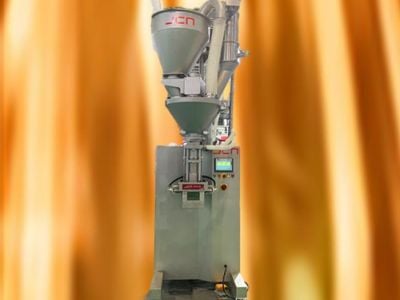
In the fast-evolving landscape of manufacturing, powder filling machines have become indispensable tools for industries ranging from food to pharmaceuticals. Understanding why B2B plants rely on powder filling machines today involves a closer look at their specifications, cost factors, common issues, benefits, and installation guidance. This article aims to address these aspects, helping purchasing managers and decision-makers make informed choices when sourcing powder filling machine.
Key Specifications to Consider When Sourcing Powder Filling Machines
When sourcing powder filling machines, several key specifications should guide your selection process:
Filling Accuracy: Precision is paramount. Look for machines that offer high accuracy levels, often measured in grams. This is crucial in industries like pharmaceuticals where dosage must be exact.
Filling Speed: Depending on your production needs, consider the machine's throughput capacity, typically measured in bottles or bags per minute. A higher filling speed can significantly boost productivity.
Material Compatibility: Ensure that the machine is compatible with the powders you intend to fill. Different materials may require unique handling mechanisms to avoid clumping or degradation.
Machine Size and Configuration: Evaluate the space available in your facility. The layout of the machine, including hopper size and conveyor configurations, should fit seamlessly into your production line.
Automation Level: Consider whether a semi-automated or fully automated system better suits your operations. Automation can reduce labor costs and improve consistency.
Maintenance Requirements: A machine that is easy to clean and maintain can save you time and money in the long run. Look for designs that allow for quick disassembly and access to critical components.
Certifications: Verify if the equipment meets industry standards and certifications relevant to your sector, such as GMP (Good Manufacturing Practices) for pharmaceuticals.
Evaluating these specifications will help ensure that the chosen powder filling machine aligns with your operational needs and regulatory requirements.
Understanding Cost Factors in Powder Filling Machine Purchases
The cost of powder filling machines varies widely based on several factors. Understanding these can help you budget effectively:
Machine Type: The cost can differ significantly between manual, semi-automated, and fully automated systems. Automation typically incurs higher initial costs but can lead to long-term savings through increased efficiency.
Materials and Construction: Machines made from high-grade materials such as stainless steel may have a higher upfront cost but often offer better durability and compliance with hygiene standards.
Customization: If your production requires specific modifications or features, these customizations can add to the overall cost. Always discuss your particular needs with suppliers to get accurate quotes.
Additional Features: Features such as integrated weight checking, dust collection systems, and enhanced safety measures can increase costs but may be necessary for specific applications.
Supplier Reputation: Established manufacturers with a track record of quality may charge more, but this often reflects their reliability and service quality.
Total Cost of Ownership: Consider not only the purchase price but also the operational costs, including energy consumption, maintenance, and potential downtime.
Understanding these cost factors will enable you to conduct a more informed comparison between different suppliers and their offerings.
Common Problems with Powder Filling Machines and Their Solutions
While powder filling machines are efficient, they can encounter common issues that affect performance. Here are some of these problems, along with their solutions:
Inconsistent Filling: Variability in fill weights can stem from powder characteristics or Powder filling machine calibration issues. Regular calibration checks and using consistent powder grades can mitigate this problem.
Clogging: Powders with fine particles may clog the feed system. Implementing a vibration mechanism during the filling process can help maintain a steady flow.
Dust Generation: Excessive dust can lead to product loss and safety concerns. Machines equipped with dust containment features or integrated vacuum systems can greatly reduce airborne particles.
Wear and Tear: Over time, components can wear down, leading to decreased efficiency. Establishing a regular maintenance schedule and using high-quality parts can prolong machine life.
Compatibility Issues: Not all machines are designed for every powder type. Before purchase, ensure the equipment can handle the specific characteristics of your materials.
By proactively addressing these common challenges, B2B plants can maintain optimal operational efficiency and product quality.
The Benefits of Using Powder Filling Machines in Manufacturing
Integrating powder filling machines into your production line offers numerous advantages:
Increased Efficiency: Automated machines can fill products at a rate far exceeding manual methods, improving overall production output.
Consistency and Accuracy: Automated filling processes reduce human error, ensuring that each container is filled to the exact specifications, which is crucial for compliance with industry regulations.
Cost-effectiveness: Although the initial investment may be higher, the long-term savings from reduced labor costs and increased throughput can justify the expense.
Flexibility: Many machines can accommodate a range of powder types and packaging formats, allowing manufacturers to adapt to changing market demands without requiring new equipment.
Improved Safety: Automation minimizes human involvement in potentially hazardous filling processes, reducing the risk of accidents and ensuring a safer workplace environment.
By leveraging these benefits, companies can enhance their competitive edge and respond more dynamically to market changes.
Installation Guidance for Optimal Operation of Powder Filling Machines
Proper installation is critical for the effectiveness of powder filling machines. Here are essential steps to ensure optimal operation:
Site Preparation: Before installation, ensure that the area is clean and free of debris. The floor should be level to support the machine's weight and ensure stability.
Alignment and Leveling: Carefully align the machine according to the manufacturer's specifications. Use leveling tools to ensure that the machine is stable and properly positioned within the production line.
Electrical and Pneumatic Connections: Ensure that all electrical and pneumatic connections are made according to safety standards and manufacturer guidelines. This step is crucial for the safe operation of automated features.
Testing: Once installed, conduct a thorough testing phase to ensure that the filling machine for powder operates correctly. Check for filling accuracy, speed, and any potential issues that may arise during operation.
Training: Provide comprehensive training for operators on the machine's functions and maintenance. Familiarity with the equipment will enhance operational efficiency and safety.
By following these installation guidelines, manufacturers can maximize the performance and lifespan of their powder filling machines, ensuring a smooth transition into production.
Table of Contents
- Key Specifications to Consider When Sourcing Powder Filling Machines
- Understanding Cost Factors in Powder Filling Machine Purchases
- Common Problems with Powder Filling Machines and Their Solutions
- The Benefits of Using Powder Filling Machines in Manufacturing
- Installation Guidance for Optimal Operation of Powder Filling Machines