
 EN
EN
 AR
AR
 FR
FR
 DE
DE
 JA
JA
 KO
KO
 PT
PT
 RU
RU
 ES
ES
 TL
TL
 ID
ID
 VI
VI
 TH
TH
 TR
TR
 MS
MS
 HR
HR
 DA
DA
 NL
NL
 FI
FI
 EL
EL
 HI
HI
 IT
IT
 NO
NO
 PL
PL
 SV
SV
 IW
IW
 LV
LV
 SR
SR
 SK
SK
 SL
SL
 UK
UK
 HU
HU
 MT
MT
 FA
FA
 AF
AF
 IS
IS
 MK
MK
 AZ
AZ
 MN
MN
 UZ
UZ

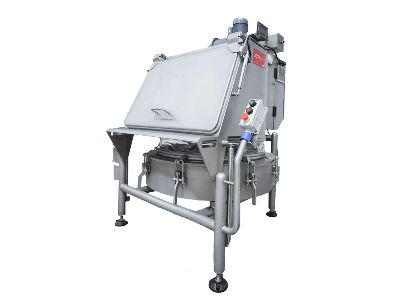
A powder filling machine is essential for businesses in industries such as food, pharmaceuticals, and new materials, where precise handling of powder materials is crucial. Understanding how to boost your output with a powder filling machine can enhance operational efficiency and product quality. Buyers often prioritize specifications, supplier reliability, and common issues when considering such machinery. This article aims to equip purchasing managers and product managers with the knowledge needed to make informed decisions about powder filling machines.
Understanding Powder Filling Machine Specifications for Wholesale Buyers
When purchasing a powder filling machine, understanding its specifications is essential for ensuring that it meets your operational requirements. Key specifications to evaluate include filling accuracy, production speed, and the range of powder types it can handle. For instance, machines might be categorized based on their filling weight range some may efficiently manage small quantities for niche products, while others are designed for bulk operations. Additionally, it’s important to consider the construction materials of the machine, as this affects durability, maintenance, and compliance with industry standards. Stainless steel is often preferred in food and pharmaceutical applications due to its resistance to corrosion and ease of cleaning. Furthermore, buyers should assess the powder filling machine dimensions and weight to ensure compatibility with their existing production lines and space constraints. Lastly, inquire about the machine's certifications, such as CE or FDA approval, to guarantee compliance with safety and quality standards relevant to your industry.
Where to Find Reliable Suppliers for Powder Filling Machines?
Identifying reliable suppliers for powder filling machines involves research and due diligence. Start by attending industry trade shows and exhibitions, where manufacturers showcase their latest technology. This setting provides the opportunity to interact directly with suppliers, observe machine demonstrations, and ask specific questions regarding their capabilities.
Online platforms and business directories can also be valuable resources. Look for suppliers with a robust online presence and positive reviews from previous customers. It's advisable to check their experience in your specific industry, as those with a focus on food, pharmaceutical, or materials handling often have tailored solutions and insights.
Additionally, consider reaching out to industry associations or networks. They can provide recommendations based on shared experiences and insights into the reliability and performance of various suppliers. Establishing a relationship with multiple suppliers can also be beneficial for comparing offerings and negotiating better terms.
Key Features of Powder Filling Machines
A well-designed powder filling machine should include several key features that enhance its functionality and adaptability to different applications.
Filling Accuracy: This is crucial for maintaining product quality and compliance with regulatory standards. Many machines utilize advanced technologies like load cells or volumetric filling systems to ensure precise measurements.
Speed and Efficiency: Look for machines that can accommodate your production rate. High-speed models can significantly reduce bottlenecks, while adjustable settings allow for flexibility in filling different types of powders.
Ease of Operation: User-friendly interfaces and automation features, such as touch screens and programmable settings, facilitate smoother operation and reduce training time for staff.
Customization Options: Depending on your specific needs, suppliers may offer customization capabilities, such as specialized hoppers or funnels to handle various powder characteristics, including flowability and density.
Maintenance Accessibility: dry powder filling machine designed for easy cleaning and maintenance can minimize downtime and ensure compliance with hygiene standards, particularly in food and pharmaceutical industries.
By focusing on these features, buyers can select a machine that not only meets current production needs but can also adapt to future requirements.
Common Problems with Powder Filling Machines and Their Solutions
While powder filling machines are designed for efficiency, users may encounter several common problems. Understanding these issues and their solutions can prevent costly downtime.
Inaccurate Filling: This can occur due to improper calibration or worn-out components. Regular maintenance and calibration checks are vital. Additionally, using high-quality powders that flow well can improve accuracy.
Clogging: Powders with poor flow characteristics may lead to clogging in the machine. Implementing a pre-feeding system or using vibratory feeders can help maintain a consistent flow and reduce bottlenecks.
Dust Generation: Dust can be problematic, especially in sensitive environments like pharmaceuticals. Opt for machines equipped with dust collection systems or enclosures that minimize exposure and maintain clean working conditions.
Equipment Wear: Regular wear and tear can affect Manual powder filling machine performance. Establishing a maintenance schedule can help identify potential issues before they escalate, ensuring operational efficiency.
By being aware of these common problems and their solutions, buyers can ensure minimal disruption to their production processes.
Installation Guidance for Efficient Operation of Powder Filling Machines
The installation of a powder filling machine plays a critical role in its operational efficiency. Proper installation not only ensures safe operation but also maximizes productivity.
Site Preparation: Before installation, assess the site to ensure there is adequate space for the machine and its operational requirements. Consider access for maintenance and cleaning, as well as the flow of materials to and from the machine.
Leveling and Alignment: Proper leveling is vital to ensure the machine operates correctly. Use leveling tools to align the machine according to the manufacturer’s specifications, as misalignment can lead to inaccurate filling and increased wear.
Electrical and Pneumatic Connections: Ensure that all electrical and pneumatic connections adhere to the specifications provided by the manufacturer. Improper connections can lead to functionality issues or even safety hazards.
Testing and Calibration: After installation, conduct thorough testing of the machine to verify that it meets operational specifications. This includes calibrating the filling mechanism and checking for any operational anomalies.
Training Staff: Ensure that personnel are adequately trained in operating the machine, including troubleshooting common issues. Proper training can enhance safety and efficiency, reducing the likelihood of operational errors.
By following these installation guidelines, businesses can optimize the performance of their powder filling machines, leading to increased output and product quality.
Table of Contents
- Understanding Powder Filling Machine Specifications for Wholesale Buyers
- Where to Find Reliable Suppliers for Powder Filling Machines?
- Key Features of Powder Filling Machines
- Common Problems with Powder Filling Machines and Their Solutions
- Installation Guidance for Efficient Operation of Powder Filling Machines