
 EN
EN
 AR
AR
 FR
FR
 DE
DE
 JA
JA
 KO
KO
 PT
PT
 RU
RU
 ES
ES
 TL
TL
 ID
ID
 VI
VI
 TH
TH
 TR
TR
 MS
MS
 HR
HR
 DA
DA
 NL
NL
 FI
FI
 EL
EL
 HI
HI
 IT
IT
 NO
NO
 PL
PL
 SV
SV
 IW
IW
 LV
LV
 SR
SR
 SK
SK
 SL
SL
 UK
UK
 HU
HU
 MT
MT
 FA
FA
 AF
AF
 IS
IS
 MK
MK
 AZ
AZ
 MN
MN
 UZ
UZ

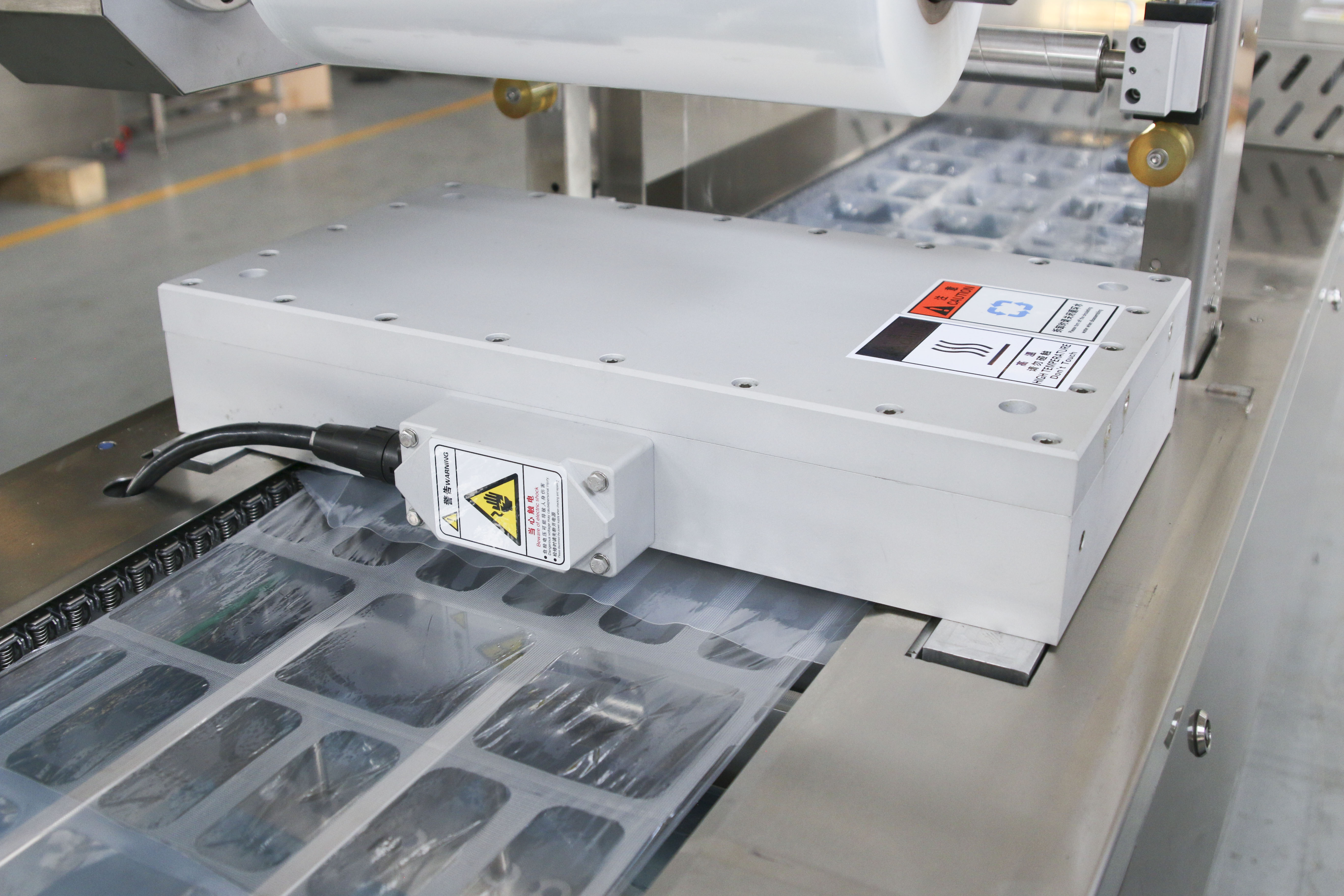
High accuracy sensors in automatic machine packing are essential components that ensure precise measurement and consistency during the packaging process. In industries like food, pharmaceuticals, and advanced materials, where compliance and quality control are paramount, these sensors help mitigate common buyer concerns such as accuracy, reliability, and integration with existing systems. This article provides a comprehensive overview of high accuracy Packing automatic machine, covering their specifications, quality evaluation, sourcing tips, common issues, and installation guidance.
Key Specifications of High Accuracy Sensors in Packing Applications
High accuracy sensors are pivotal in automatic machine packing, and their specifications directly impact performance. Key specifications include:
Measurement Range: This defines the minimum and maximum weight or volume the sensor can accurately measure. It is crucial to match the sensor's range with the expected load to avoid inaccuracies.
Accuracy Class: Defined by the sensor's ability to measure reliably, usually indicated as a percentage of the full scale. A high accuracy class ensures minimal deviation from the actual value, critical in applications where precision is non-negotiable.
Response Time: The time taken by the sensor to provide a reading after a measurement is initiated. Faster response times are beneficial in high-speed packing environments, reducing delays in the packing process.
Environmental Tolerance: This includes the sensor's ability to withstand temperature variations, humidity, vibrations, and chemical exposure. Selecting sensors with appropriate environmental ratings is vital for longevity and performance in diverse working conditions.
Output Signal Type: Sensors may provide analog or digital outputs, impacting how they integrate with control systems. Understanding the desired compatibility with automation systems is crucial when selecting a sensor.
Selecting sensors with appropriate specifications tailored to the specific packing application can enhance efficiency and reliability.
Evaluating the Quality of Automatic Packing Sensors for Your Projects
When sourcing high accuracy sensors, several quality evaluation criteria should be considered:
Certification and Compliance: Check for industry-specific certifications such as ISO or CE marking, which indicate adherence to safety and quality standards. These certifications assure buyers of the sensor's reliability and performance.
Manufacturer Reputation: Engage with manufacturers who have a proven track record in the industry. A reputable manufacturer will typically provide comprehensive documentation, including test results and performance data.
Customer Reviews and Case Studies: Look for testimonials or case studies that showcase how the sensors have performed in real-world applications. This can provide insights into reliability, ease of installation, and customer satisfaction.
Warranty and Support: Evaluate the warranty terms and after-sales support offered by the manufacturer. A robust warranty can mitigate risks associated with potential defects, while responsive support can assist with installation and troubleshooting.
Field Testing: Before finalizing a purchase, consider conducting field tests with prototypes to validate their performance in your specific application. This hands-on evaluation can uncover issues that may not be apparent from specifications alone.
By thoroughly evaluating these factors, buyers can ensure they choose high-quality sensors that meet their project requirements.
Wholesale Sourcing Tips for High Accuracy Sensors in Manufacturing
When sourcing high accuracy sensors wholesale, several strategies can optimize the procurement process:
Define Specifications Clearly: Prepare a detailed specification list, including measurement range, accuracy, environmental tolerance, and output types. This clarity helps suppliers provide accurate quotes and suitable options.
Request Multiple Quotes: Engage with several suppliers to compare prices and terms. This not only helps in finding the best price but also in assessing the responsiveness and professionalism of different manufacturers.
Assess Minimum Order Quantities (MOQ): Understand the MOQ policies of suppliers. This can affect budget planning and inventory management, especially if your project has specific volume requirements.
Negotiate Terms: Don’t hesitate to negotiate payment terms, lead times, and shipping conditions. Establishing favorable terms can improve cash flow and reduce overall costs.
Consider Long-term Partnerships: Building a relationship with Automatic bagging equipment suppliers can lead to better pricing, priority in production, and improved support. Long-term partnerships often yield mutual benefits, such as customized solutions and faster response times.
Evaluate Logistics and Delivery: Assess the supplier’s logistics capabilities, including shipping methods and delivery times. Ensuring timely delivery is critical to maintain production schedules.
By following these sourcing tips, buyers can streamline their procurement process for high accuracy sensors.
Common Problems with Packing Sensors and Effective Solutions
Despite their importance, high accuracy sensors can encounter several common issues:
Calibration Drift: Over time, sensors may lose accuracy due to environmental changes or wear. Regular calibration checks are essential to maintain precision. Implementing a routine maintenance schedule can help identify drift early, allowing for timely recalibration.
Interference: External factors such as electromagnetic interference or vibration can affect sensor readings. Employing shielding techniques or isolating sensors from vibration sources can mitigate these issues.
Incompatibility with Equipment: Sometimes, sensors may not integrate seamlessly with existing machinery, leading to operational inefficiencies. Buyers should ensure compatibility during the specification phase and consult with manufacturers about potential integration solutions.
Environmental Factors: High humidity, temperature extremes, or exposure to corrosive substances can degrade sensor performance. Selecting sensors rated for specific environmental conditions and implementing protective measures can extend their lifespan.
Installation Errors: Incorrect installation can lead to malfunction or inaccurate readings. Providing clear installation guidelines and training for staff can help avoid these issues.
Proactively addressing these common problems can enhance the reliability of high accuracy sensors in packing applications.
Installation Guidance for High Accuracy Sensors in Packing Systems
Proper installation of high accuracy sensors is crucial for optimal performance. Here are key guidelines:
Follow Manufacturer Instructions: Always refer to the installation manual provided by the manufacturer. This document includes essential information about mounting positions, wiring, and configuration settings.
Ensure Proper Alignment: Misalignment can affect measurement accuracy. Use alignment tools to position the sensor correctly, and check that it is securely fastened to minimize movement during operation.
Verify Electrical Connections: Check all electrical connections for continuity and secure fit. Loose or faulty connections can lead to erratic sensor behavior or failure.
Conduct Pre-Operation Testing: Before full-scale operation, perform tests to verify that the sensor is functioning as intended. This may include checking output signals and validating measurements against known standards.
Training for Operators: Train operators on the system’s operation and maintenance procedures. Understanding how to troubleshoot common issues can minimize downtime and enhance productivity.
By adhering to these installation guidelines, buyers can ensure that high accuracy sensors are set up correctly, contributing to reliable packing operations.
high accuracy sensors play a vital role in automatic machine packing across various industries. Understanding their specifications, evaluating quality, sourcing effectively, addressing common issues, and following the Automatic packing machine proper installation procedures will enable buyers to make informed decisions, ensuring optimal performance and reliability in their operations.
Table of Contents
- Key Specifications of High Accuracy Sensors in Packing Applications
- Evaluating the Quality of Automatic Packing Sensors for Your Projects
- Wholesale Sourcing Tips for High Accuracy Sensors in Manufacturing
- Common Problems with Packing Sensors and Effective Solutions
- Installation Guidance for High Accuracy Sensors in Packing Systems