
 EN
EN
 AR
AR
 FR
FR
 DE
DE
 JA
JA
 KO
KO
 PT
PT
 RU
RU
 ES
ES
 TL
TL
 ID
ID
 VI
VI
 TH
TH
 TR
TR
 MS
MS
 HR
HR
 DA
DA
 NL
NL
 FI
FI
 EL
EL
 HI
HI
 IT
IT
 NO
NO
 PL
PL
 SV
SV
 IW
IW
 LV
LV
 SR
SR
 SK
SK
 SL
SL
 UK
UK
 HU
HU
 MT
MT
 FA
FA
 AF
AF
 IS
IS
 MK
MK
 AZ
AZ
 MN
MN
 UZ
UZ

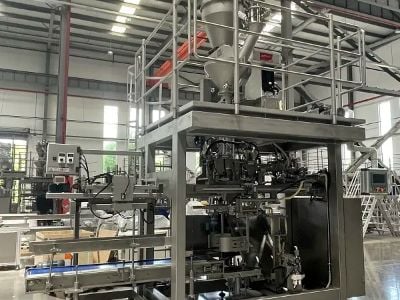
Automatic packaging machines are transforming the manufacturing landscape by enhancing production flexibility across various industries. By automating the packaging process, businesses can respond more swiftly to market demands, reduce labor costs, and improve product consistency. This article will delve into the benefits that Automatic packing machine offer, where to source reliable options, common challenges faced with manual packaging, installation guidance, and their applications in different sectors. Understanding these facets will equip purchasing managers and engineers with the knowledge needed to make informed decisions about integrating automated solutions into their operations.
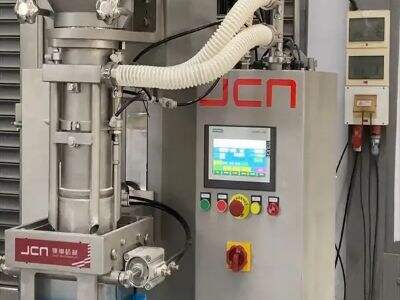
What Benefits Do Automatic Packaging Machines Offer for Flexibility?
Automatic packaging machines enhance production flexibility by allowing manufacturers to quickly adapt to changing product specifications, packaging formats, and production volumes. Key benefits include:
Rapid Changeovers: Modern machines can be programmed for various packaging types, enabling swift transitions between different product lines without extensive downtime. This is particularly crucial for industries with fluctuating consumer demands.
Scalability: As production needs grow, automatic packaging systems can be scaled up easily. This scalability ensures that manufacturers can increase output without a proportional increase in labor costs or operational complexity.
Consistent Quality: Automation reduces human error, ensuring that every package meets the same quality standards. This consistency is essential for maintaining brand reputation and compliance with industry regulations, especially in sectors like food and pharmaceuticals.
Data Integration: Many automatic packaging systems can be integrated with existing manufacturing execution systems (MES), allowing for real-time monitoring and adjustments based on production metrics. This data-driven approach enhances operational efficiency.
Where to Source Reliable Automatic Packaging Machines for Wholesale Orders
When sourcing automatic packaging machines, it is vital to consider suppliers with a proven track record in manufacturing and customer support. Look for the following criteria:
Industry Experience: Choose manufacturers like JCN Co., Ltd. that specialize in automated solutions for specific sectors, such as food, pharmaceuticals, and new materials. Their expertise ensures that the machines are designed to meet industry-specific requirements.
Customization Options: A reliable supplier should offer machines that can be tailored to meet your specific packaging needs, including size, shape, and material compatibility. This customization ensures optimal performance in your production environment.
Certifications and Compliance: Verify that the manufacturer complies with relevant industry standards and possesses necessary certifications. This compliance is crucial for ensuring the machinery meets safety and quality regulations.
After-Sales Support: Consider suppliers that provide robust after-sales service, including installation assistance, training, and ongoing maintenance. Reliable support can significantly reduce downtime and ensure smooth operations.
Common Problems with Manual Packaging and Solutions with Automation
Manual packaging processes are often fraught with challenges that can hinder productivity and quality. Common problems include:
Inconsistent Quality: Human errors can lead to variations in packaging quality, affecting product integrity. Automation minimizes these risks, ensuring each package meets the defined specifications.
Labor Costs and Availability: Relying on manual labor can increase operational costs and pose challenges related to labor availability. By automating packaging, companies can reduce labor costs and mitigate risks associated with workforce shortages.
Slow Production Speed: Manual processes are inherently slower than automated ones, which can lead to delays in meeting customer demand. Automatic packaging machines can operate continuously at higher speeds, significantly increasing throughput.
Safety Risks: Manual handling of heavy materials or hazardous substances can pose safety risks to workers. Automation helps reduce these risks by minimizing human intervention in potentially dangerous tasks.
Implementing automatic packaging systems addresses these issues, leading to enhanced efficiency, safety, and product quality.
Installation Guidance for Automatic Packaging Machines in Your Facility
Proper installation of automatic packaging machines is crucial for optimal performance. Here are key considerations:
Site Assessment: Before installation, conduct a thorough assessment of the installation site. Evaluate factors such as space availability, access to utilities (power, water, air), and workflow integration. This assessment will help in selecting the right machine configuration.
Foundation and Support: Ensure that the floor where the machine will be installed can support its weight and operational vibrations. Depending on the machine's specifications, you may need to reinforce the foundation or create a dedicated space.
Electrical and Mechanical Connections: Coordinate with qualified technicians to establish the necessary electrical and mechanical connections for the machine. This includes ensuring that all safety protocols are followed during the setup.
Calibration and Testing: After installation, the machine should be calibrated to ensure it operates according to the specified parameters. Conduct test runs to verify performance and identify any adjustments needed before full-scale production.
Training: Provide adequate training for operators and maintenance personnel. Understanding the machine's functionality, safety features, and troubleshooting procedures is essential for maximizing efficiency and minimizing risks.
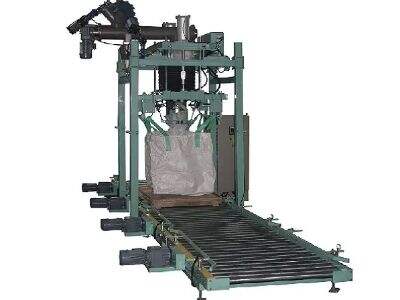
Applications of Automatic Packaging Machines in Various Industries
Automatic packaging machines find applications across various industries, demonstrating their versatility:
Food Industry: In the food sector, these machines are used for packaging products ranging from dry ingredients to perishable items. They help maintain product freshness and compliance with food safety regulations.
Pharmaceutical Industry: For pharmaceuticals, Automatic packaging machine is essential for ensuring the accurate dosing and secure packaging of medications. The machines provide tamper-proof seals and can handle complex packaging requirements.
Chemical Industry: In the chemical sector, automatic packaging machines are employed for bulk materials, powders, and liquid chemicals. They help mitigate handling risks and ensure precise packaging for safe distribution.
Consumer Goods: From cosmetics to household items, automatic packaging machines are used to package consumer goods in various formats, enhancing shelf appeal and ensuring brand integrity.
incorporating automatic packaging machines into your production line can significantly enhance flexibility, efficiency, and product quality. By understanding the benefits, sourcing reliable suppliers, addressing common manual packaging challenges, ensuring proper installation, and recognizing their applications across industries, B2B buyers can make informed decisions that align with their operational goals.
Table of Contents
- What Benefits Do Automatic Packaging Machines Offer for Flexibility?
- Where to Source Reliable Automatic Packaging Machines for Wholesale Orders
- Common Problems with Manual Packaging and Solutions with Automation
- Installation Guidance for Automatic Packaging Machines in Your Facility
- Applications of Automatic Packaging Machines in Various Industries