
 EN
EN
 AR
AR
 FR
FR
 DE
DE
 JA
JA
 KO
KO
 PT
PT
 RU
RU
 ES
ES
 TL
TL
 ID
ID
 VI
VI
 TH
TH
 TR
TR
 MS
MS
 HR
HR
 DA
DA
 NL
NL
 FI
FI
 EL
EL
 HI
HI
 IT
IT
 NO
NO
 PL
PL
 SV
SV
 IW
IW
 LV
LV
 SR
SR
 SK
SK
 SL
SL
 UK
UK
 HU
HU
 MT
MT
 FA
FA
 AF
AF
 IS
IS
 MK
MK
 AZ
AZ
 MN
MN
 UZ
UZ

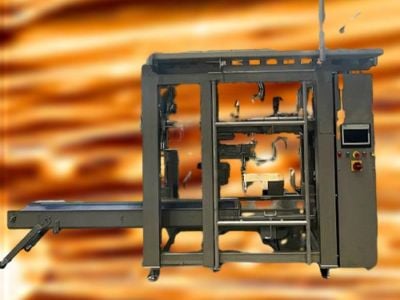
Choosing the right open mouth bagging scale for your production line is crucial for optimizing efficiency and ensuring accuracy in your operations. As a purchasing manager or production engineer, you may be concerned about the scale's specifications, compatibility with existing systems, and overall performance. This article will guide you through the key factors to consider in Automated bagging, common issues you may encounter, and practical solutions to help you make an informed decision.
How to Choose the Right Open Mouth Bagging Scale for Your Production Line?
When selecting an open mouth bagging scale, start by assessing your production requirements. Consider the types of materials you will be handling, such as powders or granules, and the required filling speed. Understanding the expected throughput will help you choose a scale that meets your operational demands. Additionally, evaluate the scale's integration capabilities with your current production line; compatibility with existing equipment can significantly impact overall efficiency.
Also, consider the scale's capacity and the weight range it can accommodate. If your production involves varying bag sizes or weights, a versatile scale with adjustable settings may be beneficial. Finally, prioritize ease of use and maintenance in Automatic bagging machine, look for features like intuitive controls and accessible parts for cleaning and servicing.
Key Specifications to Consider When Selecting a Bagging Scale
Several specifications are essential when selecting an open mouth bagging scale:
Accuracy and Precision: The scale's accuracy is critical in ensuring that the correct amount of product is packed. Look for scales with a high degree of accuracy, often expressed as a percentage of the full-scale reading. This is especially important in industries like food and pharmaceuticals, where compliance and quality are paramount.
Speed: The speed of the bagging process directly affects productivity. Check the scale's filling rate, measured in bags per hour, to ensure it aligns with your production goals. High-speed options may be necessary for larger production runs.
Durability: Given the industrial environment, the materials used in the scale's construction should be robust, often stainless steel, to withstand the rigors of powder handling and cleaning processes.
Control System: Advanced control systems can enhance functionality, providing features like automatic calibration, data logging, and integration with other systems such as inventory management software.
Compliance Standards: Ensure the scale meets relevant industry standards and certifications, which may vary based on your application and location.
What to Look for in Bagging Scales?
When evaluating bagging scales, consider the following features:
Versatility: A scale that can handle various product types and bag sizes will provide flexibility in operations. Look for models that can be easily adjusted for different materials.
User Interface: An intuitive interface simplifies operation and reduces training time for staff. Look for touchscreen controls or easily accessible buttons.
Maintenance Requirements: Consider how easy it is to clean and maintain the scale. A design that allows for quick disassembly and reassembly can save time during routine maintenance.
Support and Warranty: A reputable manufacturer should offer comprehensive support and a warranty. This can be critical for minimizing downtime in case of equipment failure.
What to Know?
Before finalizing your purchasing decision, gather all necessary information about your specific application and requirements. Factors such as the type of product, environmental conditions, and production volume should guide your selection process. Additionally, consult with suppliers about customization options that may better suit your needs.
It’s essential to verify the scale's performance through testing or by reviewing case studies from similar applications. Requesting references or testimonials from other users can also provide valuable insights into the scale’s reliability and support from the manufacturer.
Common Problems with Bagging Scales and Their Solutions
Despite their advantages, open mouth bagging scales can encounter issues. Some common problems include:
Inaccurate Weighing: This can stem from improper calibration or environmental factors such as vibration or airflow. Ensure regular calibration and consider installing the scale on a stable, vibration-free surface.
Material Jamming: Powders can clump or stick, leading to blockages. Implementing a vibratory feeder or using anti-static measures can help maintain a smooth flow of material.
Wear and Tear: Regular use can lead to wear on components. Plan for routine inspections and maintenance to identify potential issues before they escalate.
Software Glitches: If the scale features advanced software, bugs may occasionally occur. Ensure you have access to technical support and software updates to resolve these issues promptly.
By being aware of these problems and their solutions, you can maintain operational efficiency and reduce downtime in your Automatic bagging production line.
In summary, selecting the right open mouth bagging scale involves careful consideration of specifications, features, and potential challenges. By equipping yourself with the right knowledge, you can make a more informed purchasing decision that aligns with your production needs and quality standards.