
 EN
EN
 AR
AR
 FR
FR
 DE
DE
 JA
JA
 KO
KO
 PT
PT
 RU
RU
 ES
ES
 TL
TL
 ID
ID
 VI
VI
 TH
TH
 TR
TR
 MS
MS
 HR
HR
 DA
DA
 NL
NL
 FI
FI
 EL
EL
 HI
HI
 IT
IT
 NO
NO
 PL
PL
 SV
SV
 IW
IW
 LV
LV
 SR
SR
 SK
SK
 SL
SL
 UK
UK
 HU
HU
 MT
MT
 FA
FA
 AF
AF
 IS
IS
 MK
MK
 AZ
AZ
 MN
MN
 UZ
UZ

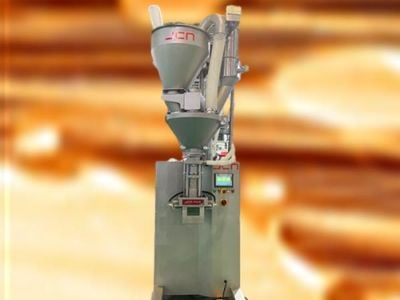
In the realm of industrial manufacturing, modern powder filling machines play a crucial role in ensuring precision and efficiency during the packaging process. The effectiveness of these machines is paramount for businesses in the food, pharmaceutical, and new materials industries, where accuracy directly impacts product quality and compliance with regulations. This article aims to explore what ensures precision in modern powder filling machine, addressing key buyer concerns such as specifications, sourcing reliable suppliers, comparing features, and understanding their applications across various industries.
What Ensures Precision in Modern Powder Filling Machines?
Precision in modern powder filling machines is primarily ensured through advanced technology, quality components, and stringent calibration processes. One key factor is the utilization of electronic scales and load cells, which provide accurate weight measurements during the filling process. These systems can detect minute changes in weight, allowing for precise adjustments to be made in real-time, thus minimizing overfilling or underfilling.
Another critical aspect is the design of the filling mechanism itself. Many machines employ auger fillers or vibratory feeders, which have been engineered to handle different powder types and densities effectively. The choice of the filling mechanism should align with the specific powder characteristics, ensuring consistent flow and uniform filling.
Calibration and quality control processes also play a significant role in maintaining precision. Routine checks and balances must be implemented to confirm that the filling machine for powder are functioning within the desired specifications. Buyers should look for equipment that allows for easy recalibration and offers comprehensive data logging features to track performance over time.
Key Specifications for High-Quality Powder Filling Equipment
When selecting powder filling equipment, several specifications are critical to ensuring optimal performance. Key specifications to consider include:
Filling Accuracy: This is typically measured in terms of percentage deviation from the target weight. A high-accuracy machine may guarantee within ±0.5% of the target weight, which is essential in industries where precise dosing is required.
Filling Speed: Measured in fill rates per minute, the speed of the machine can impact overall productivity. Buyers should assess their production demands and choose a machine that meets or exceeds these requirements.
Hopper Size and Design: A larger hopper may allow for continuous filling without frequent refills, while its design should minimize powder clumping and ensure consistent flow.
Material Compatibility: The construction materials of the filling machine should be compatible with the powders being handled, particularly in industries like food and pharmaceuticals, where hygiene and material integrity are critical.
Control Systems: Modern powder filling machines often come equipped with advanced control systems that allow for user-friendly operation, data analysis, and real-time adjustments.
By carefully evaluating these specifications, buyers can ensure that they select equipment that meets their operational needs while maintaining high standards of precision.
Where to Source Reliable Suppliers of Powder Filling Machines?
Sourcing reliable suppliers of powder filling machines involves several important considerations. Begin by researching manufacturers known for their experience in the industry, such as JCN Co., Ltd., which specializes in powder material handling and has established a reputation for quality and innovation.
Attending industry trade shows and exhibitions can also be beneficial. These events provide opportunities to see Powder filling machines in action and engage directly with manufacturers and suppliers. Additionally, online directories and industry forums can help identify reputable suppliers, but it’s crucial to verify their credentials and customer reviews.
Requesting references from existing customers can provide insight into a supplier's reliability and product performance. Lastly, ensure that the supplier offers comprehensive after-sales support, including installation, training, and availability of spare parts, as this is critical for maintaining machine performance over time.
Compare Features of Leading Powder Filling Machines in the Market
When comparing the features of leading powder filling machines, buyers should focus on several key differentiators:
Filling Mechanism: Different machines utilize various filling mechanisms such as auger fillers, pneumatic fillers, or volumetric fillers. Each mechanism has its strengths depending on the powder's characteristics.
Automation Level: Fully automated machines can significantly enhance productivity but may require a higher initial investment. Semi-automated options may be more cost-effective for smaller operations.
Ease of Cleaning: In industries with strict hygiene standards, the ease of cleaning and maintaining the equipment is vital. Look for machines designed with easy disassembly and access to critical components.
Integration Capabilities: Machines that can easily integrate with existing production lines or other equipment can streamline operations and reduce labor costs.
Technical Support and Documentation: Comprehensive user manuals, training resources, and responsive technical support can mitigate potential downtime and enhance operational efficiency.
By carefully assessing these features, businesses can select a powder filling machine that aligns with their specific needs and operational goals.
Applications of Powder Filling Machines in Various Industries
Powder filling machines find applications across several industries, each with unique requirements:
Food Industry: In food packaging, precision is crucial to ensure compliance with regulations regarding portion sizes. Powder filling machines are used for products ranging from spices to protein powders, where maintaining flavor and nutritional integrity is essential.
Pharmaceutical Industry: Here, accuracy is non-negotiable, as incorrect dosing can lead to severe consequences. Powder filling machines are employed for filling capsules, sachets, and bottles with active pharmaceutical ingredients (APIs), ensuring that each unit meets regulatory standards.
Cosmetics and Personal Care: The cosmetic industry uses powder filling machines to package products like powders, foundations, and skincare ingredients. Consistency in filling is vital to maintain product quality and branding.
Chemical Industry: In this sector, powder filling machines are utilized for packaging various chemical powders, including fertilizers and industrial chemicals, where the handling and packaging processes must ensure safety and compliance.
Understanding the specific applications of powder filling machines in these industries helps buyers determine the best equipment for their needs, ensuring compliance and efficiency in their production processes.
By addressing these key topics, potential buyers will gain a comprehensive understanding of what ensures precision in modern powder filling machines, allowing them to make informed purchasing decisions tailored to their operational requirements.
Table of Contents
- What Ensures Precision in Modern Powder Filling Machines?
- Key Specifications for High-Quality Powder Filling Equipment
- Where to Source Reliable Suppliers of Powder Filling Machines?
- Compare Features of Leading Powder Filling Machines in the Market
- Applications of Powder Filling Machines in Various Industries