
 EN
 AR
 FR
 DE
 JA
 KO
 PT
 RU
 ES
 TL
 ID
 VI
 TH
 TR
 MS
 HR
 DA
 NL
 FI
 EL
 HI
 IT
 NO
 PL
 SV
 IW
 LV
 SR
 SK
 SL
 UK
 HU
 MT
 FA
 AF
 IS
 MK
 AZ
 MN
 UZ

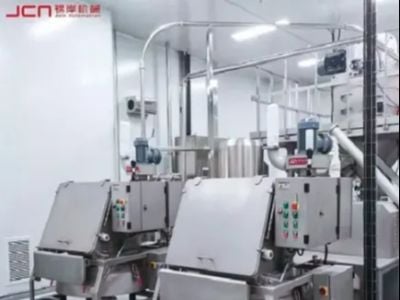
Designing a bag dumping station for dust-free material transfer is crucial for industries that handle powders and granular materials. It minimizes dust emissions, enhances worker safety, and ensures the integrity of the materials being processed. We will explore how to choose the right bag dumping station, key specifications to consider, sourcing options, comparisons of features, and how to evaluate the quality and efficiency of bag dumping equipment. This information will help you make informed decisions when selecting a JCN dust free bag dumping station system that meets your operational needs.
How to Choose the Right Bag Dumping Station for Your Needs?
When selecting a bag dumping station, it’s essential to consider the specific requirements of your operation. First, assess the type of material you will be handling—different powders may have unique flow characteristics and dust generation properties. For instance, highly cohesive powders may require specialized equipment to facilitate smooth dumping and reduce dust.
Next, evaluate the station's design and features. Look for options that incorporate dust containment features, such as sealed hoppers and integrated dust collection systems. Additionally, consider the station's capacity and size relative to your workflow. A station that can accommodate larger bags or higher throughput may be necessary for operations with significant material handling demands.
Lastly, consider the compatibility of the bag dumping station with your existing equipment. Ensure that the discharge height aligns with your downstream processes, and evaluate any required modifications for seamless integration.
Key Specifications for Dust-Free Material Transfer Solutions
Several specifications play a critical role in ensuring effective dust-free material transfer. One of the most important is the air filtration system. Look for high-efficiency particulate air (HEPA) filters that can capture fine particulate matter. The filter's efficiency rating should meet or exceed standards relevant to your industry.
Another key specification is the sealing mechanism of the dumping station. Options such as inflatable seals or gasketed designs can help minimize dust emissions during the dumping process. Assess the station’s construction materials, too; stainless steel is often preferred for its durability and ease of cleaning, particularly in food and pharmaceutical applications.
Lastly, consider the ease of maintenance. A design that allows quick access to filters and components for cleaning or replacement can significantly reduce downtime and improve operational efficiency.
Where to Source Reliable Bag Dumping Stations in Bulk?
Sourcing bag dumping stations in bulk can be a cost-effective strategy for manufacturing and industrial operations. Start by identifying reputable manufacturers with experience in powder material handling equipment, such as JCN Co., Ltd., known for their high-tech Big bag dumping station solutions tailored for the food, pharmaceutical, and new materials industries.
When sourcing, request information on bulk pricing and lead times. Ensure that the supplier can accommodate your specific requirements, such as customization options for dimensions, materials, or additional features.
Additionally, consider exploring industry trade shows and exhibitions, where you can meet suppliers, inspect equipment firsthand, and discuss your needs directly. Online B2B marketplaces may also provide access to various manufacturers and competitive pricing options.
Comparing Features of Dust-Free Bag Dumping Systems for Purchase
When comparing different bag dumping systems, focus on their features and how they align with your operational needs. Here are several critical features to evaluate:
Dust Collection System: Assess the effectiveness of the dust collection system. Look for models equipped with vacuum-assisted systems that can significantly reduce airborne dust during operation.
Bag Compatibility: Ensure the system can handle the types of bags you use, whether they are woven, plastic, or paper. Check the maximum bag size and weight specifications.
Ease of Operation: Consider the user interface and controls. Systems with automated features, such as pneumatic actuation for opening and closing, can improve efficiency and reduce the risk of operator error.
Safety Features: Evaluate safety mechanisms, such as emergency stops, safety interlocks, and ergonomic design elements that minimize the risk of injury during operation.
By closely analyzing these features, you can select a system that not only meets your dust-free material transfer needs but also enhances productivity and safety in your operation.
Evaluating Quality and Efficiency in Bag Dumping Equipment
Quality and efficiency are paramount when evaluating bag dumping equipment. Start with quality assurance practices. A reliable manufacturer should provide documentation on their quality control processes, including material certifications and testing procedures. Look for certifications that indicate compliance with industry standards.
Next, assess the equipment's operational efficiency. This can be evaluated through metrics such as the speed of material transfer, the effectiveness of the dust collection system, and overall durability. Request performance data and case studies from the manufacturer to understand how the equipment performs in real-world applications.
Additionally, consider user feedback and reviews. Engaging with other users in your industry can provide insights into the equipment's reliability and any common issues to watch for.
Overall, investing time in evaluating the quality and efficiency of bag dumping stations will pay off in reduced operational costs and improved workplace safety. By following these guidelines, you can ensure that your JCN Bag dumping station meets the demands of your material handling processes effectively.