
 EN
 AR
 FR
 DE
 JA
 KO
 PT
 RU
 ES
 TL
 ID
 VI
 TH
 TR
 MS
 HR
 DA
 NL
 FI
 EL
 HI
 IT
 NO
 PL
 SV
 IW
 LV
 SR
 SK
 SL
 UK
 HU
 MT
 FA
 AF
 IS
 MK
 AZ
 MN
 UZ

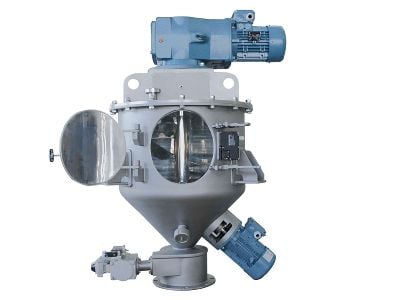
Vertical Mixers and Horizontal Mixers are two popular designs used in various industries for blending and mixing powder materials. Each design has its own set of advantages and challenges, particularly concerning discharge efficiency an essential factor for manufacturing operations. This article will delve into the differences between Vertical and Horizontal Mixers, addressing key buyer concerns such as performance, common issues, sourcing, investment analysis, and installation guidance. By understanding these factors, purchasing managers and engineers can make informed decisions tailored to their specific operational needs.
Which Mixer Design Offers Better Performance?
When it comes to performance, the choice between Vertical and Horizontal Mixers largely depends on the specific application and material properties. Vertical Mixers, generally designed with a cylindrical shape, are often preferred for their ability to handle larger volumes of materials more efficiently. They facilitate a gravity-fed discharge, which can minimize mixing time and improve the overall throughput. This design is typically advantageous when dealing with bulk materials or when the goal is to achieve a high level of homogeneity. On the other hand, Horizontal Mixers, characterized by their elongated design, offer unique benefits, particularly in achieving uniform mixing for powder materials. They use a series of paddles or blades to create a shear force that can better integrate various components, making them ideal for applications requiring a thorough blend of ingredients.
However, their discharge efficiency may be affected by the design of the outlet and the material's flow characteristics, which can lead to residual material left in the mixer. Ultimately, the better-performing design will depend on your specific needs, including the material being Vertical feed mixer, the desired blend uniformity, and the operational throughput requirements. If you are looking for a versatile solution for different powder materials, a Horizontal Mixer might be the better choice. Conversely, if your operations demand high volume and quick discharge, a Vertical Mixer may serve you better.
Common Problems with Discharge Efficiency in Different Mixer Designs
Discharge efficiency is a critical concern for any mixing operation, and both Vertical and Horizontal Mixers can present unique challenges. In Vertical Mixers, one common problem is the potential for material to clump or bridge at the outlet, especially with cohesive powders. This can lead to incomplete discharge and increased downtime as operators manually clear blockages. Ensuring that the mixer is adequately designed with a suitable outlet shape and size can mitigate these issues. Horizontal mixer Mixers may face different discharge problems. The design may not allow for complete drainage due to the configuration of the paddles and the outlet placement. This can result in material remaining trapped inside the mixer, affecting batch-to-batch consistency and increasing waste. Additionally, if the mixer is not properly calibrated, it can lead to uneven mixing or incomplete discharge of specific components.
To enhance discharge efficiency, manufacturers should consider integrating features such as variable speed controls, adjustable discharge gates, and proper mixer geometry to accommodate the characteristics of the material being processed.
Sourcing Reliable Vertical and Horizontal Mixers
When sourcing Vertical and Horizontal Mixers, it's crucial to evaluate suppliers based on their product quality, customization capabilities, and industry experience. Look for manufacturers that specialize in powder material handling equipment, such as JCN Co., Ltd., known for producing high-tech solutions tailored to the food, pharmaceutical, and new materials industries.
Before making a decision, request detailed specifications for each mixer type, including dimensions, material construction, and performance metrics. Pay attention to the supplier's quality control processes and certifications to ensure they meet industry standards. It's also advisable to assess any customization options available, as this can greatly enhance the mixer’s suitability for your specific application.
Lastly, consider the supplier’s production capacity and lead times. A reliable supplier should be able to meet your volume requirements within your desired timeframe. Requesting samples for testing under actual operating conditions can provide valuable insights into performance and efficiency before committing to a larger order.
Analyzing the Investment in Mixer Efficiency
Investing in the right mixer design can yield significant returns through improved operational efficiency and reduced downtime. When analyzing costs, consider both the initial purchase price and the long-term operational expenses. Vertical Mixers may have a higher upfront cost due to their robust construction and larger size, but they can offer lower operational costs over time due to their efficient discharge and high throughput capabilities.
Conversely, Horizontal Mixers might be less expensive initially but could incur higher costs related to maintenance and material waste due to potential discharge inefficiencies. It is essential to calculate the total cost of ownership, including maintenance, energy consumption, and the impact of material waste on your overall budget.
For a comprehensive analysis, consider the following factors:
Material Compatibility: Ensure the mixer can handle the specific materials used in your production.
Operational Throughput: Assess how the mixer design affects your production speed and volume.
Maintenance Requirements: Understand the frequency and cost of necessary maintenance to keep the mixer operating efficiently.
By evaluating these factors, you can make a more informed decision regarding the investment in mixer efficiency.
Installation Guidance for Optimal Performance of Your Chosen Mixer
Proper installation of Vertical and Horizontal Mixers is crucial for ensuring optimal performance and longevity. Here are key guidelines to follow:
Site Preparation: Ensure that the installation site is prepared to accommodate the size and weight of the mixer. This includes having the necessary utilities, such as electricity and water supply, accessible.
Alignment and Leveling: Both types of mixers must be installed on a level surface to ensure uniform mixing and efficient discharge. Use leveling tools to adjust the mixer’s feet or base as needed.
Connecting Components: When connecting the mixer to other equipment, such as conveyors or discharge systems, ensure that all connections are secure and properly aligned to prevent material blockages or operational delays.
Testing: Before commencing full production, conduct thorough testing of the mixer under operational conditions. This allows you to identify any potential issues early and make necessary adjustments.
Training: Provide training for operators on the proper use and maintenance of the mixer. Understanding the specific features and operational requirements will enhance performance and minimize downtime.
By following these installation guidelines, you can maximize the efficiency and effectiveness of your chosen mixer, whether it be Vertical or Horizontal.
understanding the nuances between Mixer vertical and Horizontal Mixers is essential for making informed decisions that enhance discharge efficiency and overall operational performance. Each design has its advantages and challenges, and the right choice will depend on your specific needs and operational context.