
 EN
EN
 AR
AR
 FR
FR
 DE
DE
 JA
JA
 KO
KO
 PT
PT
 RU
RU
 ES
ES
 TL
TL
 ID
ID
 VI
VI
 TH
TH
 TR
TR
 MS
MS
 HR
HR
 DA
DA
 NL
NL
 FI
FI
 EL
EL
 HI
HI
 IT
IT
 NO
NO
 PL
PL
 SV
SV
 IW
IW
 LV
LV
 SR
SR
 SK
SK
 SL
SL
 UK
UK
 HU
HU
 MT
MT
 FA
FA
 AF
AF
 IS
IS
 MK
MK
 AZ
AZ
 MN
MN
 UZ
UZ

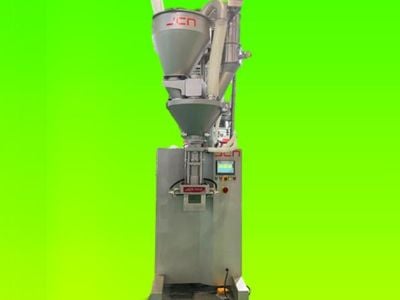
Maintaining speed with a powder filling machine is crucial for manufacturers aiming to optimize production efficiency and meet market demands. This article addresses key considerations for B2B buyers, including purchasing managers and engineers, to ensure they make informed decisions when selecting a powder filling machine. Understanding the right specifications, cost factors, and common issues associated with these machines will help streamline operations and enhance productivity.
How to Choose the Right Powder Filling Machine for Your Needs
Selecting the right powder filling machine depends on various factors that relate directly to your specific operational needs. First, consider the type of powder you will be handling. Different powders—such as granules, powders with different flow characteristics, or those that are hygroscopic—may require different machine configurations.
Next, evaluate the production capacity required. High-speed applications may benefit from rotary filling machines, whereas batch processes might need a semi-automatic solution. Additionally, think about the level of automation needed. Fully automated machines can significantly increase speed and reduce labor costs, but may require a higher initial investment.
Lastly, take into account the machine's compatibility with your existing production line. Ensure that the dimensions and design fit seamlessly into your workflow, minimizing any need for additional modifications or adjustments.
Key Specifications to Evaluate When Sourcing Powder Filling Machines
When sourcing powder filling machines, several key specifications warrant careful evaluation:
Filling Accuracy: This specification is critical, especially in industries like pharmaceuticals and food, where precise dosages are essential. Check the Manual powder filling machine tolerance levels and confirm how they align with your product requirements.
Speed: Look at the machine's filling rate, often measured in bottles or bags filled per minute. This should correspond with your production goals and help you assess if the machine can keep up with your demand.
Adjustability: Machines that offer easy adjustment options for different powder types and packaging sizes can save time and reduce downtime during product changes. Consider whether the machine allows for quick changeover between products.
Material of Construction: The materials used in the machine should be compatible with the powders being filled. For instance, if you are working with corrosive materials, stainless steel might be required to ensure longevity and hygiene.
Ease of Cleaning and Maintenance: Machines that are designed for easy disassembly and cleaning can lead to reduced downtime and compliance with health and safety regulations.
Understanding the Cost Factors in Powder Filling Machine Purchases
The cost of powder filling machines can vary widely based on several factors.
Type and Complexity: Fully automated systems tend to cost more than semi-automatic options due to their advanced technology and capabilities. Assess whether the added features justify the higher price for your specific application.
Customization: Many manufacturers, including JCN Co., Ltd., offer customization options to meet unique production needs. Custom features can significantly influence the price, so be clear about your requirements upfront.
Maintenance and Operating Costs: Factor in the long-term costs associated with maintenance, parts replacement, and energy consumption. Opt for machines known for reliability and lower operating costs to enhance your return on investment.
Lead Time and Shipping: Consider the lead time for production and shipping, as these can impact your overall expenses and project timelines. Ensure that your supplier provides a clear timeline and adheres to it.
Common Problems with Powder Filling Machines and Their Solutions
Even the best powder filling machines can encounter issues. Here are some common problems and potential solutions:
Inconsistent Filling: This can result from variations in powder flow characteristics or machine settings. Regularly calibrate the machine and conduct flow tests to troubleshoot filling inconsistencies.
Clogs and Jams: Powders can sometimes clump together, leading to blockages. Implementing regular maintenance schedules and ensuring proper storage conditions for powders can help mitigate this issue.
Wear and Tear on Components: Continuous operation can lead to the wear of critical components. Schedule routine inspections to identify and replace worn parts before they lead to machine failure.
Difficulty in Cleaning: If a machine is not designed for easy cleaning, it can lead to contamination. Ensure that your machine has features that facilitate quick cleaning to adhere to health regulations.
Applications of Powder Filling Machines Across Various Industries
Powder filling machines have versatile applications across multiple industries:
Food Industry: These machines are used for filling spices, powdered drink mixes, and other food products. The filling accuracy and hygiene standards are paramount to ensure consumer safety.
Pharmaceutical Industry: In this sector, precise dosing is critical. powder packing machine are employed for filling medications in sachets, bottles, or capsules, where compliance with stringent regulations is necessary.
Cosmetics and Personal Care: Powders used in cosmetics, such as face powders and dry shampoos, require filling machines that can handle finely textured materials without causing damage.
Chemical Industry: For industrial chemicals or materials like fertilizers, robust machines that can handle abrasive or corrosive powders are essential.
Understanding the specific needs of your industry will help you choose a machine that not only meets production goals but also adheres to regulatory standards.
By carefully evaluating your options and considering the factors discussed, you will be better equipped to make informed purchasing decisions regarding powder filling machines, ultimately enhancing your operational efficiency and product quality.
Table of Contents
- How to Choose the Right Powder Filling Machine for Your Needs
- Key Specifications to Evaluate When Sourcing Powder Filling Machines
- Understanding the Cost Factors in Powder Filling Machine Purchases
- Common Problems with Powder Filling Machines and Their Solutions
- Applications of Powder Filling Machines Across Various Industries