
 EN
EN
 AR
AR
 FR
FR
 DE
DE
 JA
JA
 KO
KO
 PT
PT
 RU
RU
 ES
ES
 TL
TL
 ID
ID
 VI
VI
 TH
TH
 TR
TR
 MS
MS
 HR
HR
 DA
DA
 NL
NL
 FI
FI
 EL
EL
 HI
HI
 IT
IT
 NO
NO
 PL
PL
 SV
SV
 IW
IW
 LV
LV
 SR
SR
 SK
SK
 SL
SL
 UK
UK
 HU
HU
 MT
MT
 FA
FA
 AF
AF
 IS
IS
 MK
MK
 AZ
AZ
 MN
MN
 UZ
UZ

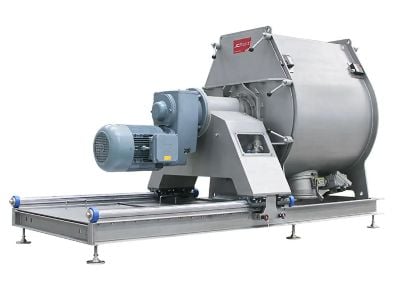
In the food industry, the efficiency and reliability of powder and packaging machines are crucial for maintaining product quality and compliance with stringent standards. Understanding why powder and packaging machines suit food-grade tasks will help purchasing managers, engineers, and product managers make informed decisions that balance cost-effectiveness with operational efficiency. This article will explore the advantages of these machines key specifications to consider, sourcing strategies, quality standards, and real-world applications in the food sector.
Exploring the Benefits of Powder and Packaging Machines for Food Grade Tasks
Powder and packaging machines are designed to handle bulk materials with precision and efficiency. They play a vital role in ensuring that food products are packaged correctly and remain uncontaminated. One of the primary benefits of these machines is their ability to maintain high hygiene standards, essential for food-grade applications. For instance, manufacturers like JCN Co. Ltd. prioritize the use of stainless steel and other non-corrosive materials that prevent contamination during the handling and packaging processes.
Moreover, these machines enhance operational efficiency by streamlining workflows. Automated systems reduce manual handling, thus lowering the risk of human error and product spoilage. This efficiency translates to cost savings over time, an essential factor for companies looking to optimize their production processes. Additionally, the integration of advanced technologies, such as robotics and intelligent weighing systems, allows for precise measurement and packing, ensuring consistency and quality in every batch.
Key Specifications to Evaluate in Food Grade Powder and Packaging Machines
When evaluating powder and packaging machines for food-grade tasks, several key specifications should be carefully considered:
Material Construction: The materials used in manufacturing the machines should meet food safety standards. Stainless steel is commonly preferred due to its resistance to corrosion and ease of cleaning. The FDA and other regulatory bodies often provide guidelines on acceptable materials for food processing equipment.
Hygienic Design: Machines should incorporate features that facilitate easy cleaning, such as smooth surfaces and removable parts. This design minimizes bacterial growth and ensures compliance with health regulations.
Capacity and Throughput: Understanding the machine's production capacity is critical. It should align with your operational needs. Factors like the volume of powder to be processed and packaging speed should be assessed to avoid bottlenecks in production.
Precision and Accuracy: For food applications, precise measurements are essential. filling machine for powder equipped with high-quality weighing systems ensure that the correct amounts of powder are packaged, reducing waste and maintaining product integrity.
Automation and Control Systems: Advanced automation capabilities can greatly enhance efficiency. Look for machines that offer programmable settings, user-friendly interfaces, and integration with existing production line systems.
By focusing on these specifications, buyers can make informed decisions that will lead to enhanced operational efficiency and compliance with food safety standards.
Where to Source Reliable Suppliers for Food Grade Packaging Equipment?
Identifying reliable suppliers for food-grade packaging equipment involves several strategic steps:
Industry Research: Start by conducting thorough research on potential suppliers. Look for manufacturers with a proven track record in the food industry, such as JCN Co., Ltd., known for its expertise in powder handling and packaging solutions.
Certifications and Compliance: Verify that suppliers hold relevant certifications, such as ISO and HACCP, which indicate adherence to quality and safety standards. This ensures that the equipment meets industry regulations.
Supplier Reviews and References: Look for testimonials or case studies from other food industry players. Positive feedback on a supplier's equipment performance and customer service can provide valuable insights.
Technical Support and Service: Consider the level of support offered post-purchase. Reliable suppliers should provide comprehensive technical assistance, maintenance options, and training to ensure smooth operations.
Customization Options: Evaluate whether the supplier can offer customized solutions tailored to specific production needs. This flexibility can significantly enhance operational efficiency.
By following these steps, purchasing managers can source reliable suppliers that will meet their food-grade packaging needs effectively.
Comparing Quality Standards in Food Grade Powder Handling Equipment
Quality standards in food-grade powder handling equipment are paramount, as they directly affect product safety and compliance. When comparing equipment, consider the following quality benchmarks:
Material Compliance: Ensure that the materials used comply with FDA regulations and industry standards for food safety. Equipment should be constructed from non-toxic, food-grade materials that can withstand various cleaning processes.
Performance Consistency: Assess the powder filling machine ability to maintain consistent performance over time. Equipment that offers reliable accuracy and efficiency reduces downtime and production inconsistencies.
Durability and Maintenance: Evaluate how durable the equipment is and the maintenance requirements involved. Machines that require less frequent maintenance contribute to lower operational costs.
Testing and Certification: Look for equipment that has undergone rigorous testing and certification processes. This can include stability tests, performance evaluations, and compliance checks by independent organizations.
User Experience and Feedback: Gather feedback from existing users regarding their experiences with the equipment. This qualitative data can provide insights into real-world performance and reliability.
By focusing on these quality standards, buyers can ensure that they select the most suitable powder handling equipment for their food production needs.
Real-World Applications of Powder and Packaging Machines in Food Industry
Powder and packaging machines find diverse applications in the food industry, enhancing the efficiency of various processes. Here are a few notable examples:
Baking and Confectionery: In the baking industry, these machines are used to accurately measure and package flour, sugar, and other powdered ingredients. Their precision ensures consistency in recipes, which is vital for product quality.
Spices and Seasonings: The packaging of powdered spices requires careful handling to maintain flavor and aroma. Automated systems ensure that spices are packaged in optimal conditions, reducing exposure to moisture and contaminants.
Nutraceuticals and Supplements: In the production of powdered supplements, machines play a critical role in ensuring accurate dosing and hygienic packaging. This is especially important given the regulatory scrutiny in health-related products.
Dairy Products: For powdered milk and other dairy products, packaging powder packing machine help maintain freshness and extend shelf life. These machines often feature specialized sealing technology to prevent spoilage.
Instant Foods: The convenience of instant powdered foods relies heavily on efficient packaging systems. These machines ensure that products reach consumers in perfect condition, maintaining quality from production to shelf.
By understanding these applications, purchasing managers can better assess the suitability of powder and packaging machines for their specific needs, ensuring their operations run smoothly and efficiently.
Table of Contents
- Exploring the Benefits of Powder and Packaging Machines for Food Grade Tasks
- Key Specifications to Evaluate in Food Grade Powder and Packaging Machines
- Where to Source Reliable Suppliers for Food Grade Packaging Equipment?
- Comparing Quality Standards in Food Grade Powder Handling Equipment
- Real-World Applications of Powder and Packaging Machines in Food Industry