
 EN
EN
 AR
AR
 FR
FR
 DE
DE
 JA
JA
 KO
KO
 PT
PT
 RU
RU
 ES
ES
 TL
TL
 ID
ID
 VI
VI
 TH
TH
 TR
TR
 MS
MS
 HR
HR
 DA
DA
 NL
NL
 FI
FI
 EL
EL
 HI
HI
 IT
IT
 NO
NO
 PL
PL
 SV
SV
 IW
IW
 LV
LV
 SR
SR
 SK
SK
 SL
SL
 UK
UK
 HU
HU
 MT
MT
 FA
FA
 AF
AF
 IS
IS
 MK
MK
 AZ
AZ
 MN
MN
 UZ
UZ

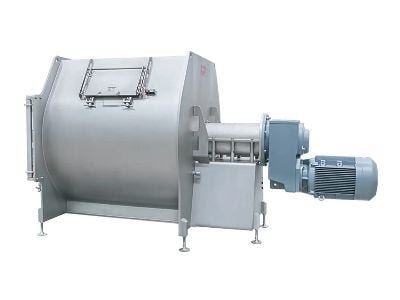
In modern manufacturing, auto packing machines play a crucial role in optimizing factory growth and efficiency. These machines are designed to automate the packaging process, significantly reducing labor costs and increasing throughput. For purchasing managers and factory operators, understanding the features and benefits of auto packing machines is essential for making informed decisions. This article will explore what makes auto packing machines a must for factory growth, focusing on their efficiency, key specifications, applications across various industries, quality control measures, and the importance of these factors in your purchasing decisions.
What Makes Auto Packing Machines Essential for Factory Efficiency?
Auto packing machines streamline the packaging process, enabling factories to handle larger volumes of product with less manual labor. This automation leads to several key advantages: increased speed, consistent quality, and reduced human error. By integrating these machines, factories can accelerate their production cycles, adapt to fluctuating market demands and improve overall operational efficiency. One of the primary concerns for B2B buyers is ensuring that the machinery fits seamlessly into their existing workflows. Automatic packing machine can be customized to accommodate various packaging sizes and materials, making them versatile for different applications. Additionally, they can be integrated with other automated systems, such as robotic, enhancing the entire production line's efficiency.
Key Specifications to Evaluate in Auto Packing Machines
When assessing auto packing machines, several specifications should be prioritized to ensure compatibility with your production needs. Key specifications include:
Speed and Throughput: This indicates how many packages can be processed per hour. Higher throughput is critical for meeting production targets.
Package Size and Type Compatibility: The machine should accommodate the specific dimensions of the products being packed, whether they are bags, boxes, or pouches.
Material Handling: Evaluate the machine's ability to handle different packaging materials, including plastic, paper, and biodegradable options, depending on your sustainability goals.
Automation Features: Look for machines with advanced automation features such as sensors, programmable interfaces, and integration capabilities with other machinery.
Maintenance Requirements: Understand the maintenance needs of the machine, including ease of access to parts and the frequency of service.
By thoroughly reviewing these specifications, buyers can ensure that the auto packing machine will meet both current and future production demands.
Exploring Applications of Auto Packing Machines in Various Industries
Auto packing machines have wide-ranging applications across several industries, including food, pharmaceuticals, and new materials. In the food industry, these machines are essential for packaging products efficiently while adhering to strict hygiene standards. For pharmaceutical companies, precise packaging is critical to ensure the integrity and safety of medications. In the new materials sector, auto Sealing and packing machine can handle innovative packaging solutions that cater to specific product requirements, such as moisture protection or shelf-life extension. For example, machines that utilize vacuum sealing technology can significantly enhance product preservation, a vital factor in industries where product longevity is crucial. Understanding the specific requirements of your industry will help in selecting the right auto packing machine tailored to your needs.
Quality Control Measures in Auto Packing Machine Manufacturing
Quality control is paramount in the manufacturing of auto packing machines. JCN Co., Ltd. employs stringent quality assurance processes to ensure that each machine meets industry standards and client specifications. Common quality control measures include:
Material Selection: Ensuring that high-quality materials are used in machine construction to withstand the rigors of daily operation.
Testing Protocols: Conducting extensive testing during and after assembly to verify that machines perform as expected. This includes functionality tests, safety checks, and performance under various conditions.
Certifications: Compliance with international standards, such as ISO certifications, assures buyers of the machine's reliability and quality.
Implementing these quality control measures not only enhances the longevity of the machines but also provides customers with peace of mind regarding their investment.
Why It Matters for Auto Packing Machines?
Investing in an auto packing machine is a strategic move that can lead to significant improvements in factory productivity and cost savings. The right machine can help mitigate common production challenges such as bottlenecks, inconsistent product quality, and labor shortages. Moreover, as factories scale operations, the ability to adapt quickly to changing demands becomes increasingly vital. Purchasing managers should consider the total cost of ownership, including initial investment, maintenance, and operational costs. It's also important to request detailed quotations that outline all specifications, delivery timelines, and support options. This ensures that you are powder packing machine a well-informed decision that aligns with both your budget and production goals. Auto packing machines are indispensable tools for modern factories aiming for growth and efficiency. By understanding their importance, evaluating key specifications, exploring applications, and ensuring rigorous quality control, B2B buyers can make informed purchasing decisions that support their operational objectives.