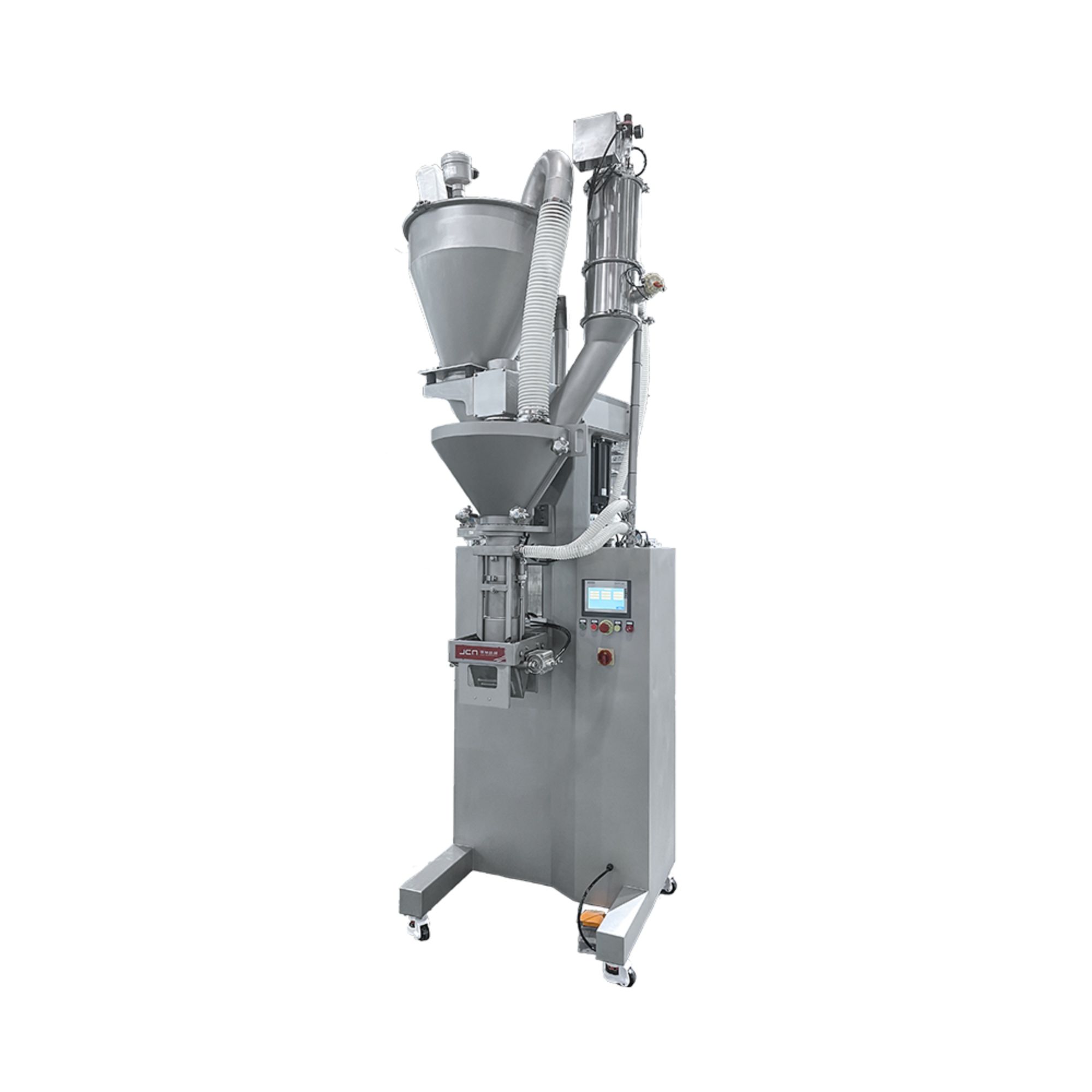
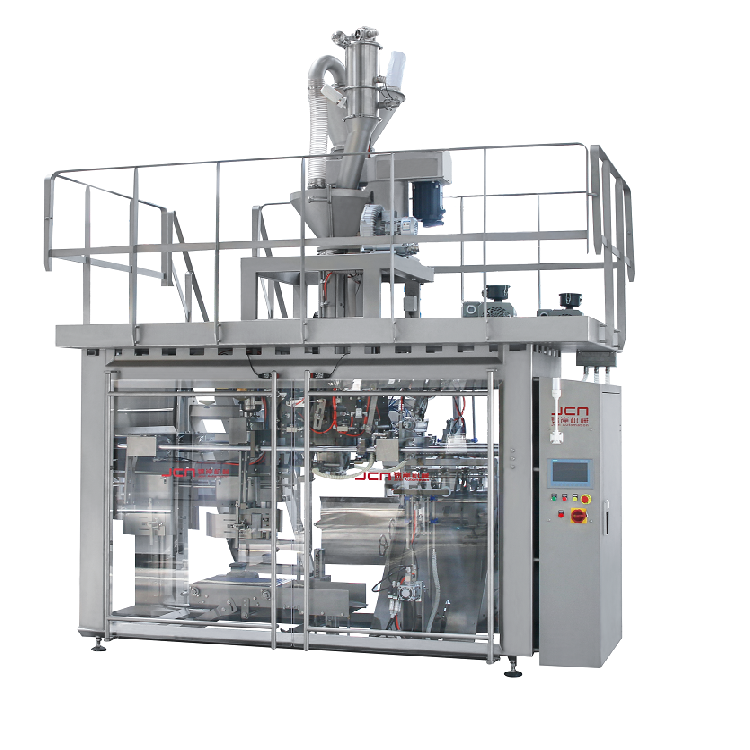
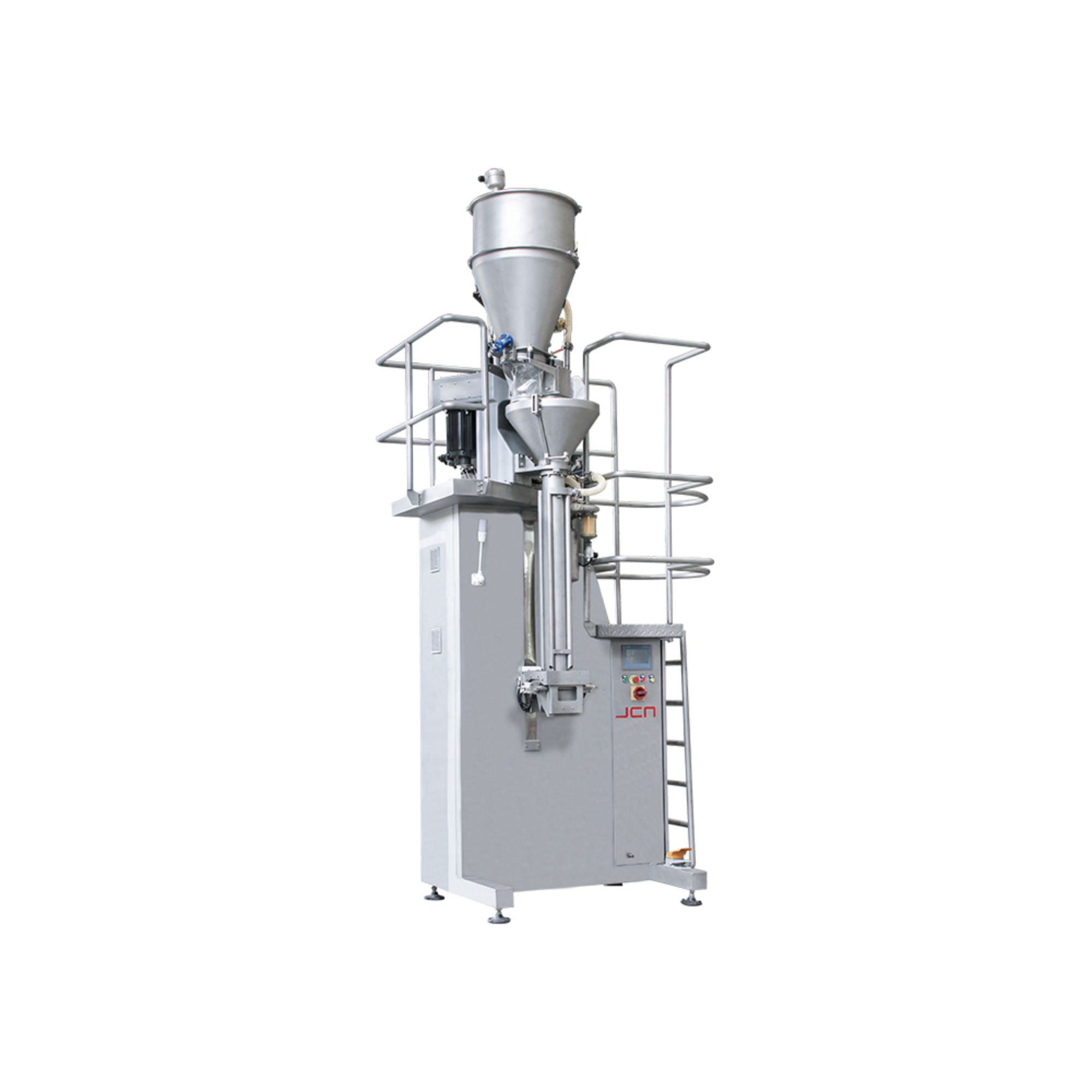
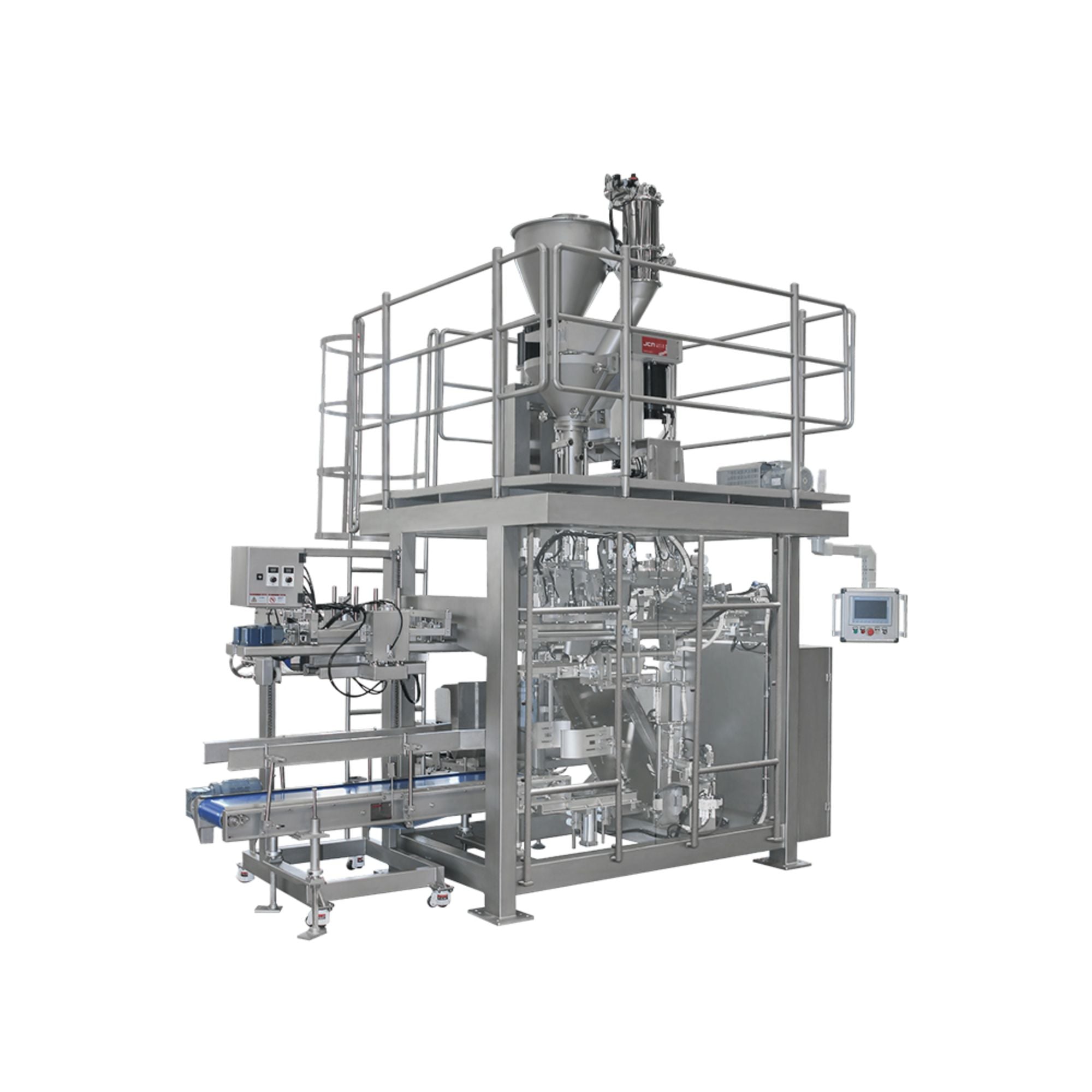
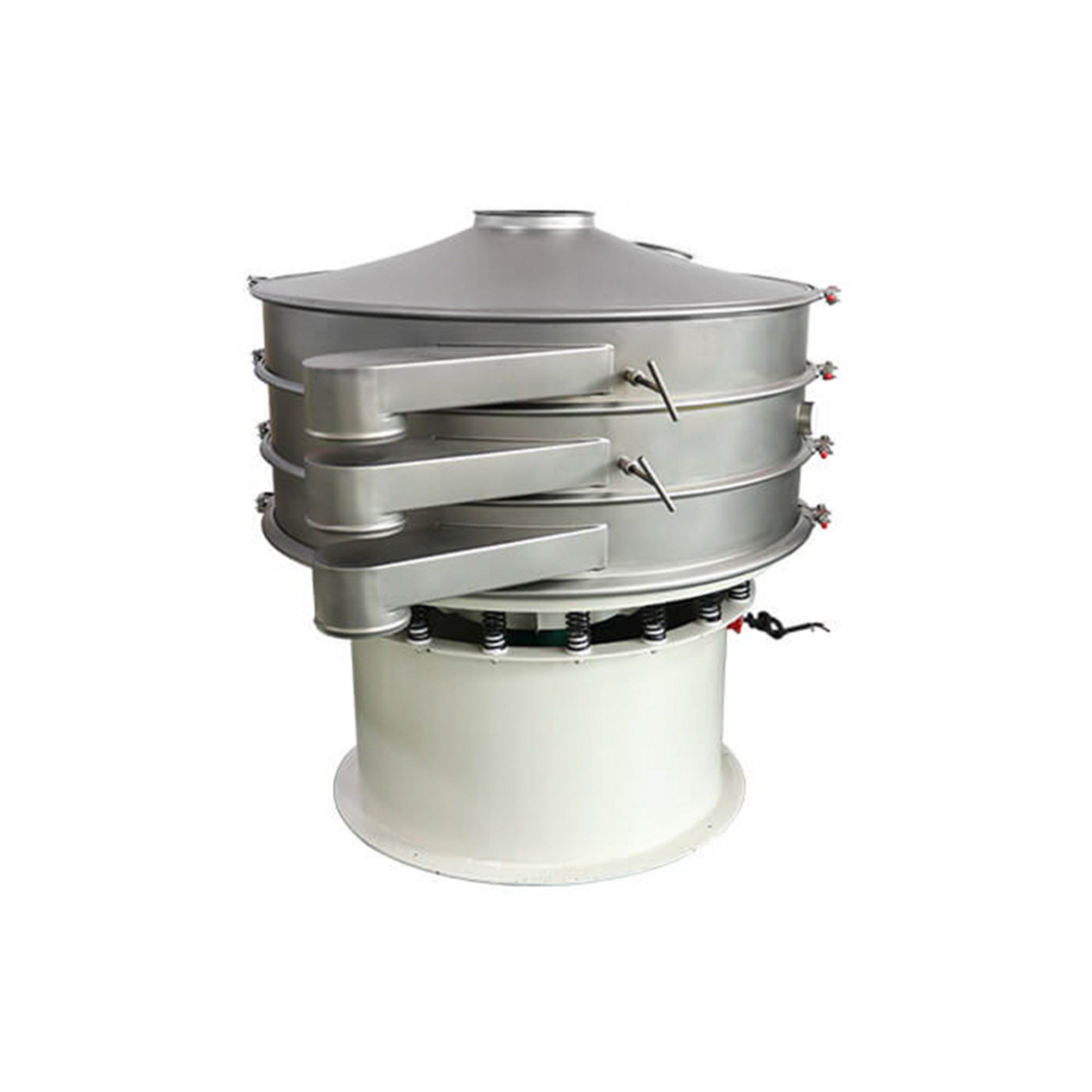
In the realm of manufacturing and packaging, the 25kg packing machine is an essential tool for businesses that handle bulk powder materials. This equipment facilitates efficient and accurate filling of packaging, ensuring that products meet both quality and regulatory standards. For B2B buyers such as purchasing managers, distributors, and engineers, understanding the intricacies of these machines is crucial for optimizing operations and minimizing costs. This article will explore key considerations for selecting a 25kg packing machine, including specifications, pricing, installation, and application scenarios across various industries.
When selecting a 25kg packing machine, it's vital to assess your specific operational requirements. Key factors to consider include the type of powder being packaged, the desired filling speed, and the level of automation required. For instance, food-grade powders may necessitate machines that comply with stringent hygiene standards, while industrial powders might prioritize speed and efficiency.
Additionally, consider the machine's compatibility with existing production lines. Evaluating the layout of your facility and the available space for installation can help in determining the most suitable model. Lastly, think about your future needs—will your production volumes increase? Opting for a machine with scalability features can provide long-term value.
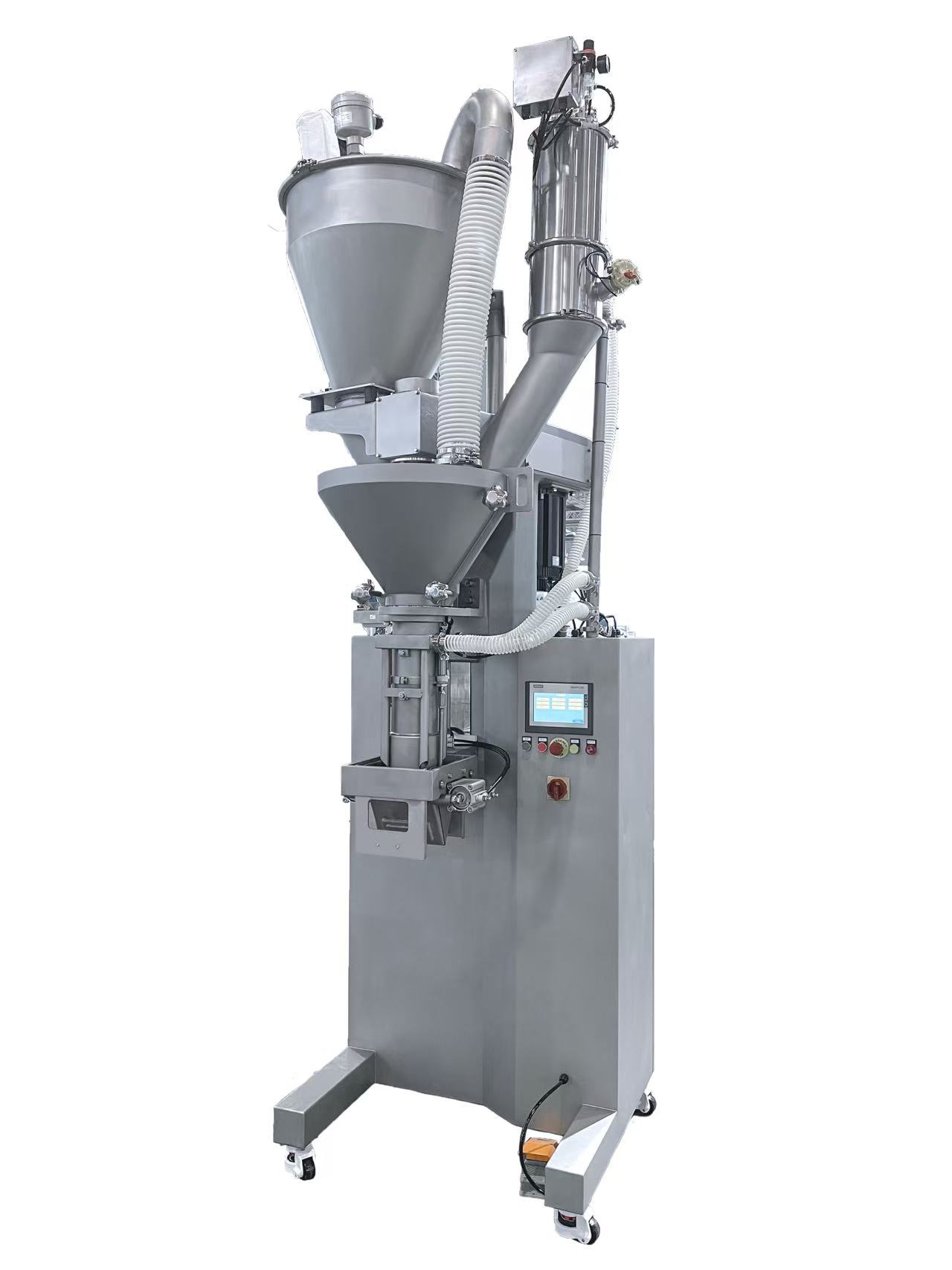
Several specifications play a crucial role in the effectiveness and efficiency of a 25kg packing machine. Here are some key aspects to keep in mind:
Filling Accuracy: This is vital for maintaining product integrity and compliance with regulations. Machines should have a specified accuracy percentage, usually within ±0.1% to ±0.5%.
Speed: The filling speed can vary significantly. Depending on production demands, look for a machine that offers the desired throughput, which is typically measured in bags per hour.
Material of Construction: Machines made from stainless steel are often preferred for their durability and ease of cleaning, especially in food and pharmaceutical applications.
Automation Level: Consider whether a semi-automatic or fully automatic machine aligns with your operational goals. Fully automatic machines tend to reduce labor costs and enhance efficiency.
Control Systems: Advanced control systems can improve operational precision and ease of use. Look for user-friendly interfaces and programmable settings.
Maintenance Requirements: Machines that are easy to disassemble and clean will reduce downtime and improve hygiene.
The pricing of 25kg packing machines can vary widely based on several factors:
Type and Features: Fully automatic machines typically carry a higher price tag than semi-automatic models due to their advanced technology and higher throughput capacities.
Customization: Machines that are tailored to specific applications or requirements will often be more expensive. Custom features may include specialized hoppers or additional safety systems.
Brand and Manufacturer Reputation: Established manufacturers with a track record of reliability may charge a premium for their products.
After-Sales Support: Consider the cost of potential maintenance contracts or warranty services, which can impact the overall value of your investment.
When preparing for a quotation, it's helpful to provide detailed information about your specific needs, including production volumes, material types, and desired features. This allows suppliers to offer tailored solutions that fit your budget.
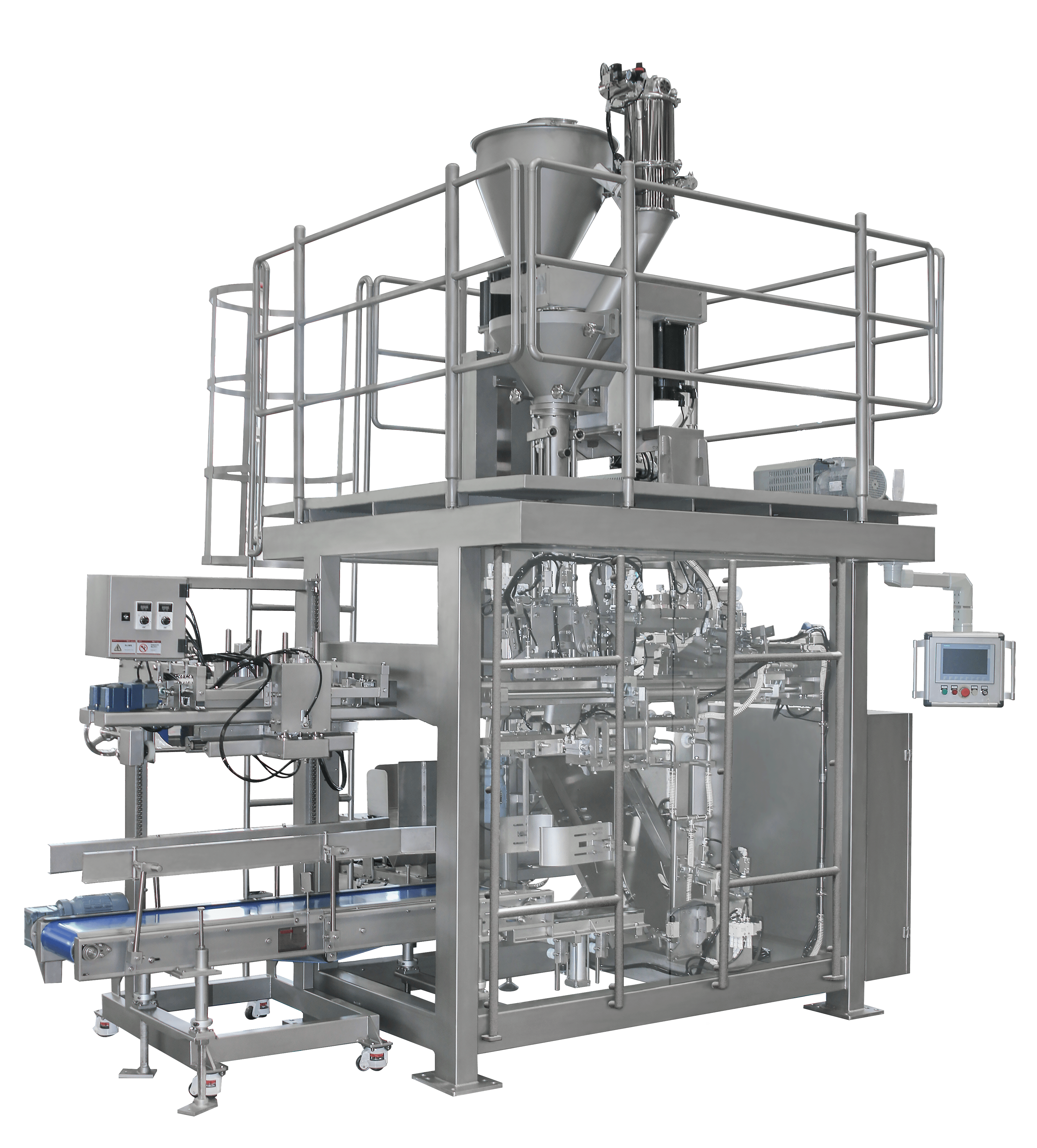
Proper installation is critical to ensure the effective operation of your 25kg packing machine. Here are some steps to consider:
Site Preparation: Ensure that the installation site meets the machine's space, power supply, and environmental requirements. This might include adequate ventilation and access to water sources for cleaning.
Professional Installation: Hiring experienced technicians for installation can prevent common issues such as misalignment or improper setup that could hinder performance.
Calibration: Once installed, the machine should be calibrated to ensure accurate filling. This may involve testing with different powder materials to fine-tune the settings.
Training: Providing training for operators is essential. Familiarize them with the machine's controls, maintenance procedures, and safety protocols to minimize operational risks.
Quality Checks: After installation, conduct thorough quality checks to verify that the machine is functioning as expected before commencing full production.
JCN business is a manufacturer of equipment for handling powder and technology.Our major products at Automatic packing machineinclude mixing, bag dumping, sieving, industrial weighers, automatic bagging and robotic palletising system which has been extensively used in the food, new materials and pharmaceutical industry, earning good reputation.We are a firm committed to providing professional solutions to our clients through in-depth understanding of customer's needs.
JCN a manufacturing that covers 30,000 square meters Nantong city in Jiangsu province.And has become one of most prominent companies which designs, engineer, manufacturing and supply modern powder material handling equipment.We keep in mind principle of delivering value to our clients, through prompt communication, active Vertical mixerand constantly improving our methods of conduct.
JCN has been certified ISO 9001:2015 have been awarded a CE certificate several utility patent certificates.And all our products 100% made in our factory,assembled and then tested before being delivered. Customers can also examine items to make sure that they in compliance with their Filling machine for powder.
"JCN focused on the research and development food packaging equipment. We have developed improved packaging machinery technologies imported from other countries. "We accessible all hours of day, so if you have any Powder filling machineabout machine operation, feel free to contact us."