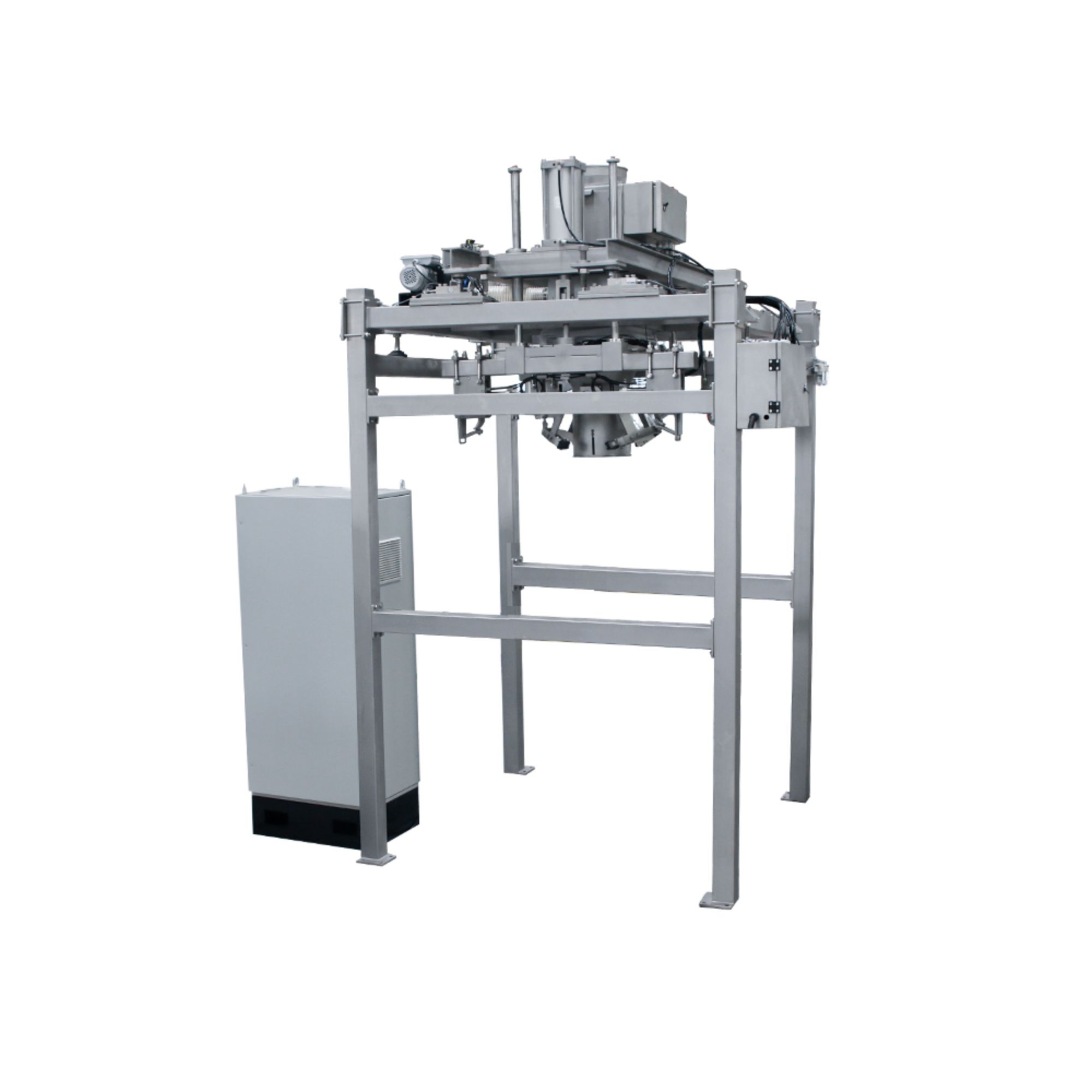
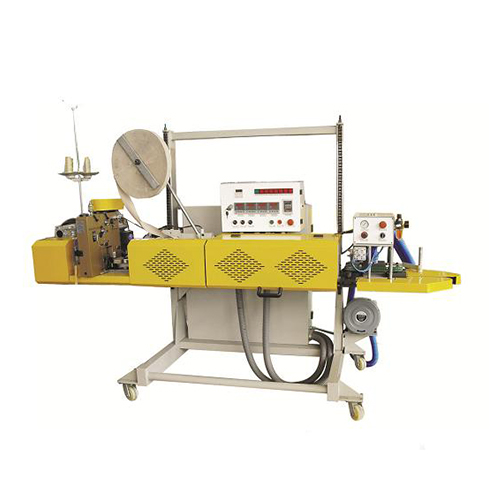
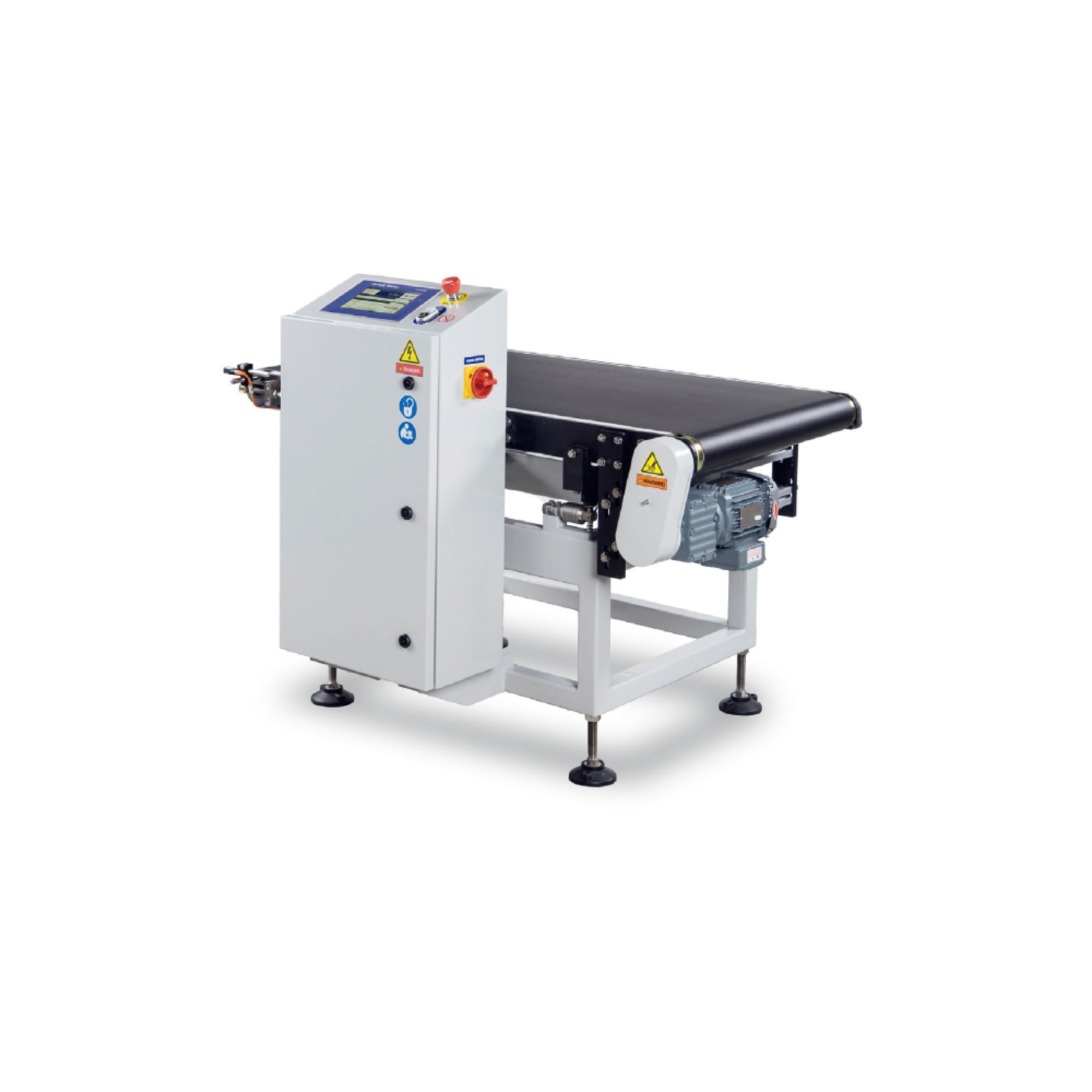
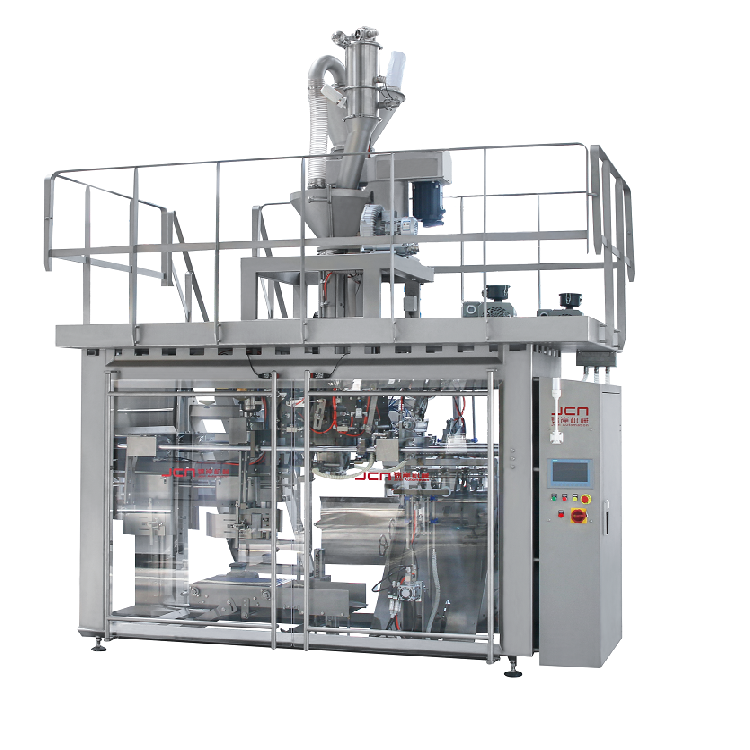
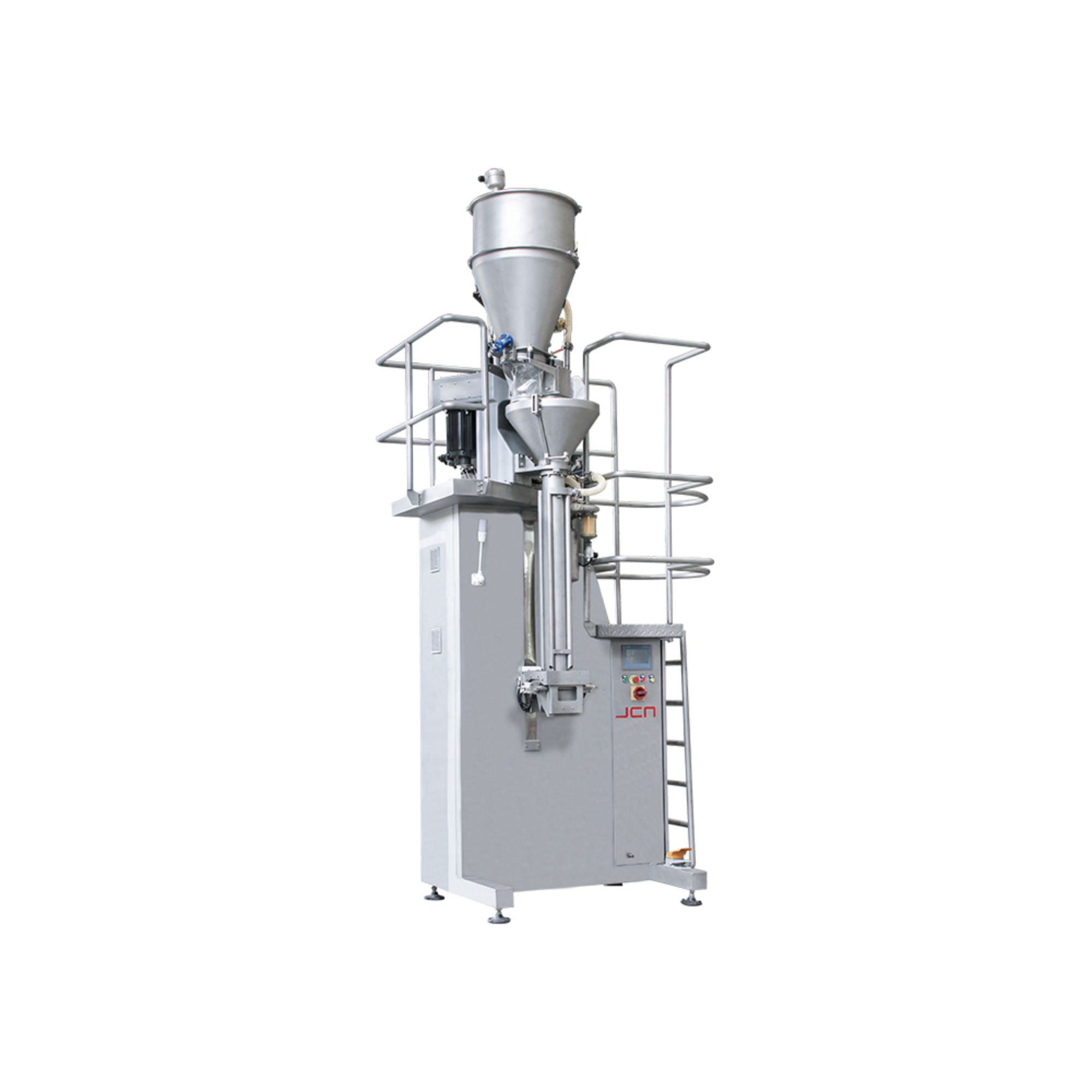
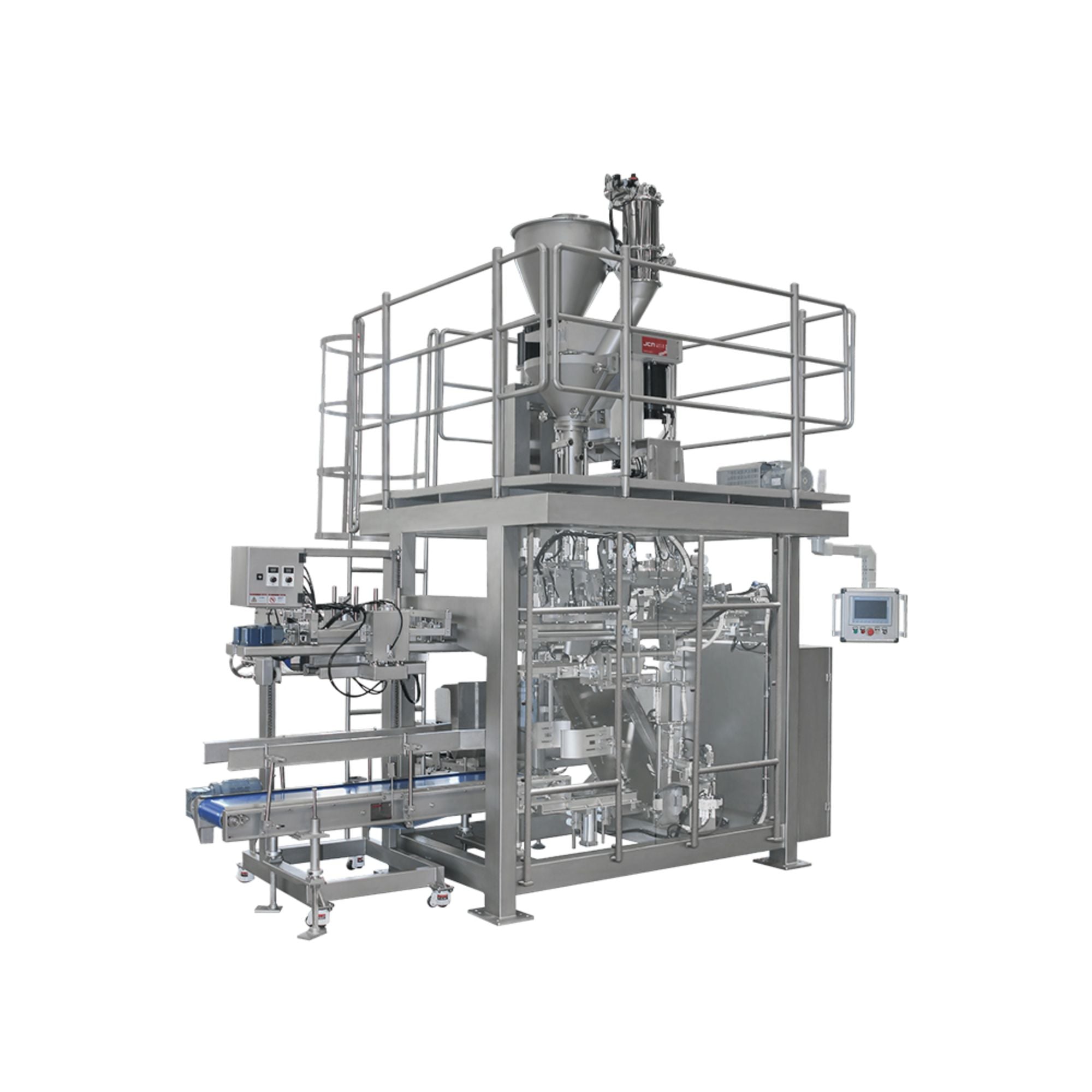
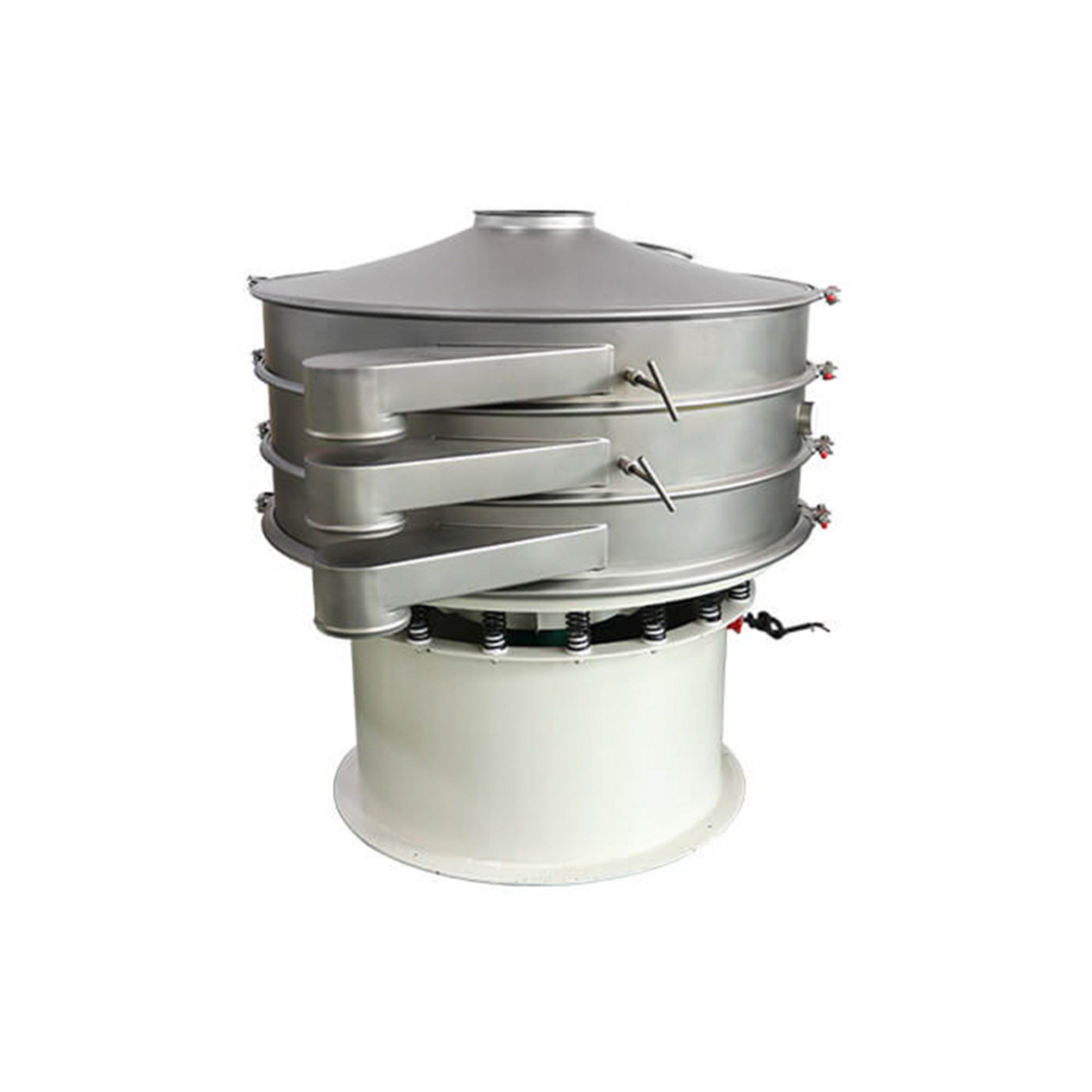
Bulk bag fillers are essential equipment in the manufacturing and distribution of bulk materials, particularly in the food, pharmaceutical, and new materials industries. These systems are designed to efficiently fill large bags with powders, granules, or other bulk materials, ensuring accuracy and minimizing waste. For B2B buyers, key concerns often include the reliability of suppliers, potential operational issues, and the specific applications of bulk bag fillers. This article will help you understand the critical specifications to consider, how to evaluate suppliers, common challenges, industry applications, and installation guidance to optimize your bulk bag filling operations.
When selecting a bulk bag filler, several specifications are vital for ensuring optimal performance and suitability for your application. Key specifications include:
Filling Speed: Measured in bags per hour, this affects overall productivity. Faster filling rates can enhance operational efficiency, particularly in high-demand environments.
Accuracy: Precision in weight is crucial, especially in industries like pharmaceuticals and food processing where regulatory compliance is strict. Look for fillers that offer high accuracy to avoid costly overfilling or underfilling.
Material Construction: Bulk bag fillers are often constructed from stainless steel or powder-coated carbon steel. Stainless steel is preferred for food and pharmaceutical applications due to its corrosion resistance and ease of cleaning.
Bag Size Compatibility: Ensure the filler can accommodate the specific bag sizes you intend to use, as these can vary significantly in dimensions and load capacities.
Automation Features: Advanced bulk bag fillers may include automation capabilities such as integrated scales, feeders, and pneumatic systems, which can enhance efficiency and reduce labor costs. For instance, a well-integrated Auxiliary Equipment can optimize these features further.
Understanding these specifications helps you choose a bulk bag filler that meets your operational needs while adhering to industry standards.
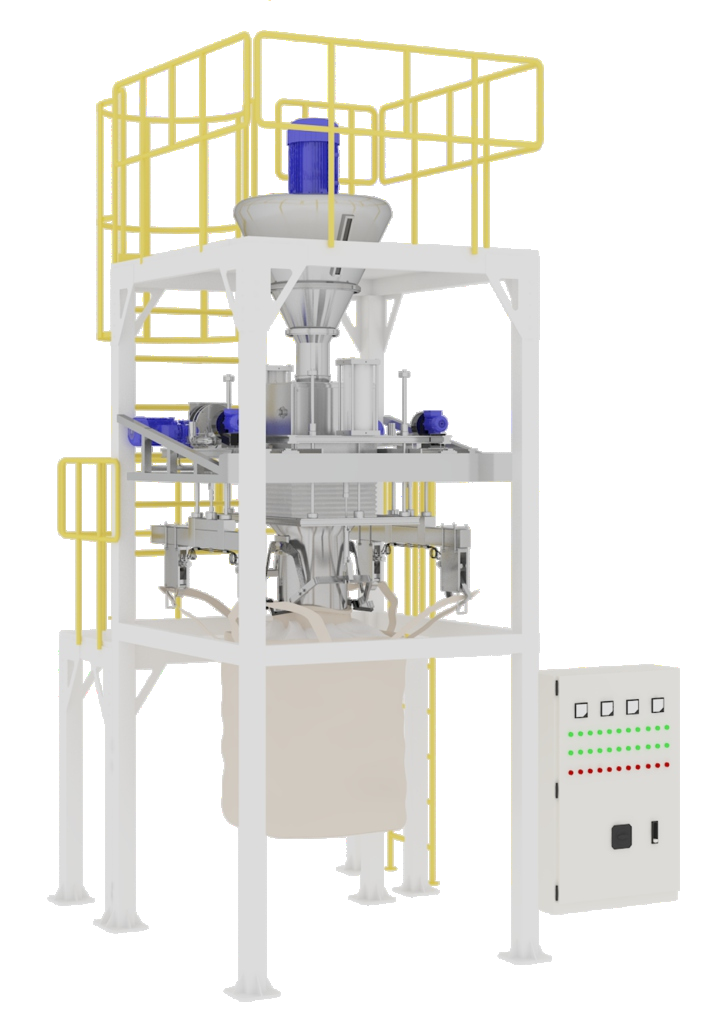
Evaluating suppliers is a critical step in the purchasing process. Consider the following factors:
Experience and Expertise: Look for suppliers with proven experience in manufacturing bulk bag fillers. A company like JCN Co., Ltd., known for its high-tech solutions in powder material handling, can provide insights into industry best practices and innovations.
Quality Assurance Processes: Verify the supplier's quality control measures. This includes certifications, testing protocols, and inspection processes to ensure that their fillers meet industry standards.
Customer Reviews and References: Seek feedback from existing customers about their experiences with the supplier. Positive testimonials can indicate reliability and customer service quality.
Customization Capabilities: Depending on your specific needs, it may be beneficial to work with a supplier that offers customization options. This ensures that the bulk bag filler is tailored to your operational requirements.
After-Sales Support: Assess the level of support offered post-purchase. Reliable suppliers should provide effective maintenance services, training for staff, and access to spare parts.
Taking the time to evaluate these factors can lead to a more successful long-term partnership and better operational outcomes.
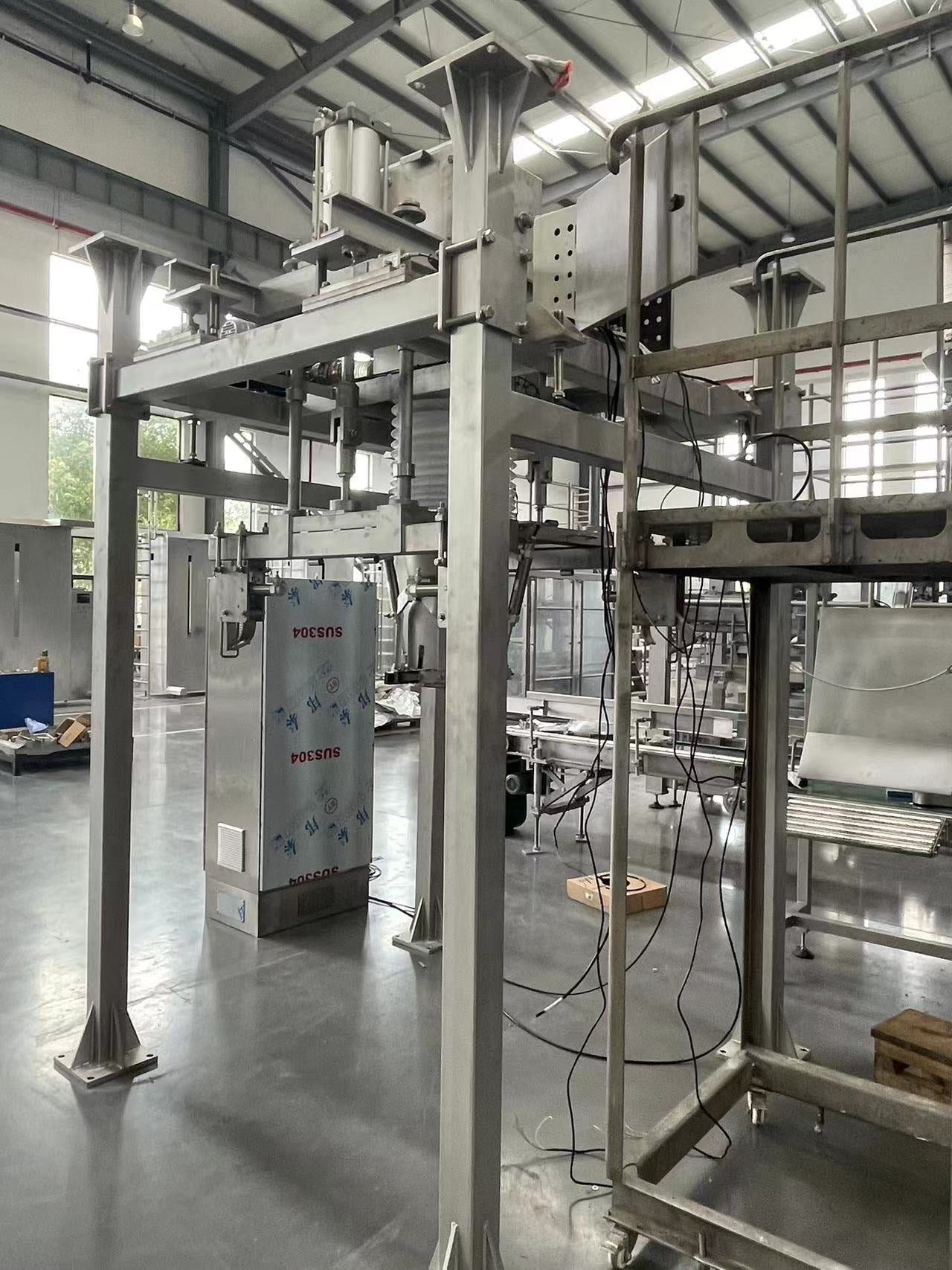
While bulk bag fillers are designed for efficiency, several common issues can arise during operation. Here are some prevalent problems and their solutions:
Inconsistent Filling Weights: This can occur due to equipment calibration issues. Regular maintenance and calibration checks are essential to ensure accuracy. Implementing a routine inspection schedule can help identify and rectify issues before they impact production.
Clogging of Filling Nozzles: This is often caused by the material's properties, such as moisture content or particle size. To mitigate this, consider using a vibratory feeder or adjusting the material flow to reduce blockages. &
Bag Handling Errors: Incorrect bag placement can result in spillage and waste. Training staff on proper bag handling procedures and using guides or sensors can minimize these errors.
Dust Emissions: When filling powders, dust can escape, leading to safety concerns and product loss. Utilizing dust-tight designs and incorporating dust collection systems can enhance safety and efficiency.
By proactively addressing these common issues, you can maintain smooth operations and improve the reliability of your bulk bag filling processes.
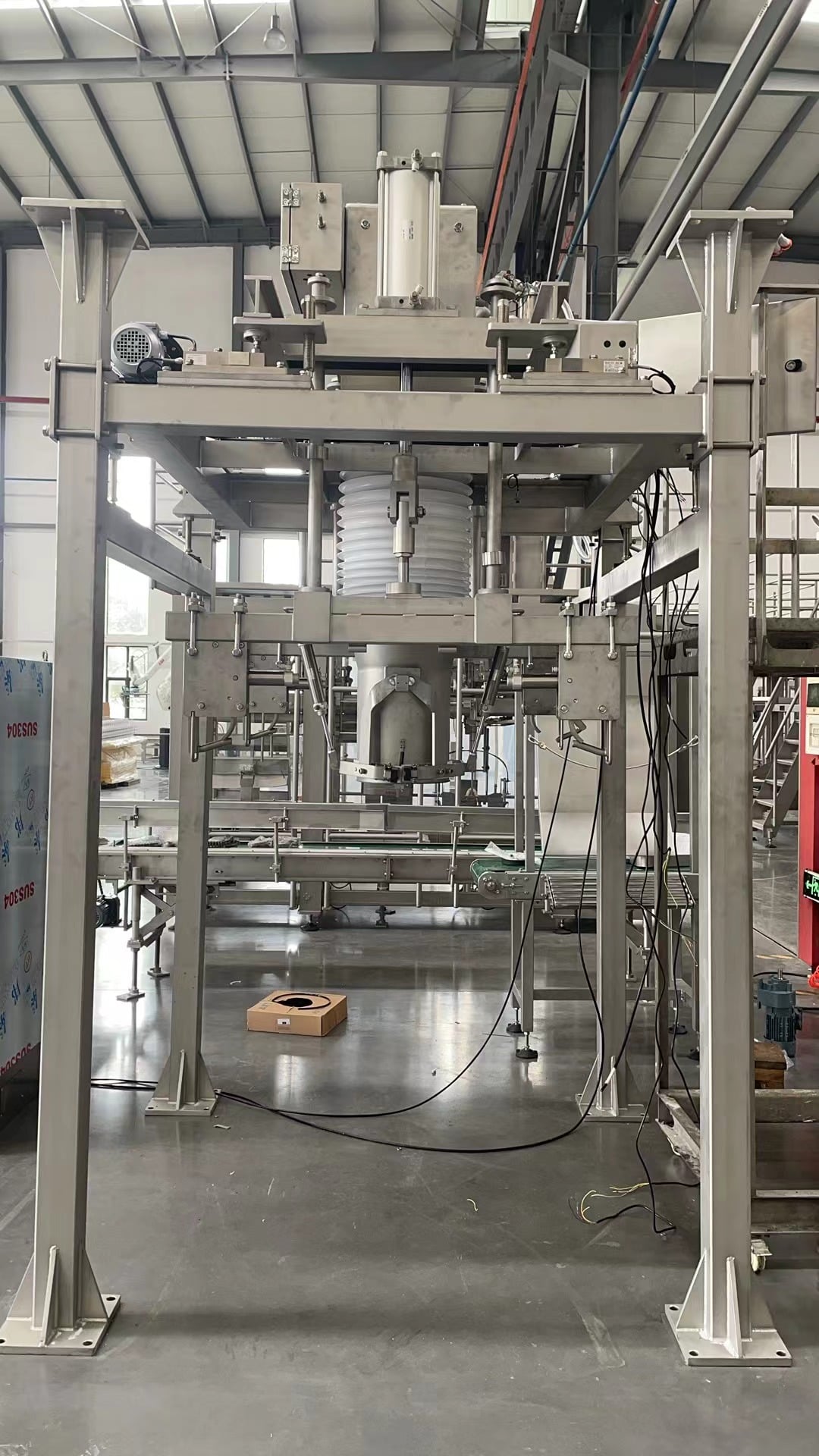
Bulk bag fillers have diverse applications across various industries, particularly in food and pharmaceuticals. In the food industry, they are used for products like flour, sugar, and grains. The need for sanitary equipment is paramount; therefore, fillers must comply with food safety regulations and be easy to clean.
In the pharmaceutical sector, bulk bag fillers are essential for handling active pharmaceutical ingredients (APIs) and excipients. Accuracy and contamination prevention are crucial, necessitating equipment that adheres to strict regulatory standards. Customization options, such as integrating weight sensors, can enhance precision and compliance.
Understanding the specific needs of these industries will guide your selection of a bulk bag filler, ensuring it meets both operational and regulatory requirements.
JCN has manufacturing plant that is spread over 30,000 square metres in Nantong, Jiangsu Filling machine for powder. has risen to become one of largest companies that design engineering, engineers, manufactures distributes latest powder handling equipment.
"JCN concentrates R and D of food packaging equipment. have developed and Dumping stationpackaging machinery technologies imported from abroad. "are accessible 24/7 online, so if you have any queries about operation your machine, please don't hesitate to contact us."
JCN business focuses the Powder filling machineof powder handling equipment as well as technology.Our most popular products currently mixing, bag dumping, siving, industrial weighing, auto bagging robotic palletising system that has been widely used in food, new material as well as pharmaceutical industry, have earned good reputation.We are a firm committed to providing professional solutions for our customers based on an deep understanding of the needs of customers.
JCN has earned CE certificates ISO 9001:2015 certification. All of our products, which assembled and tested before being delivered, produced 100% in manufacturing Automatic packing machine. Customers can also visit for inspection to ensure that they meet your specifications.