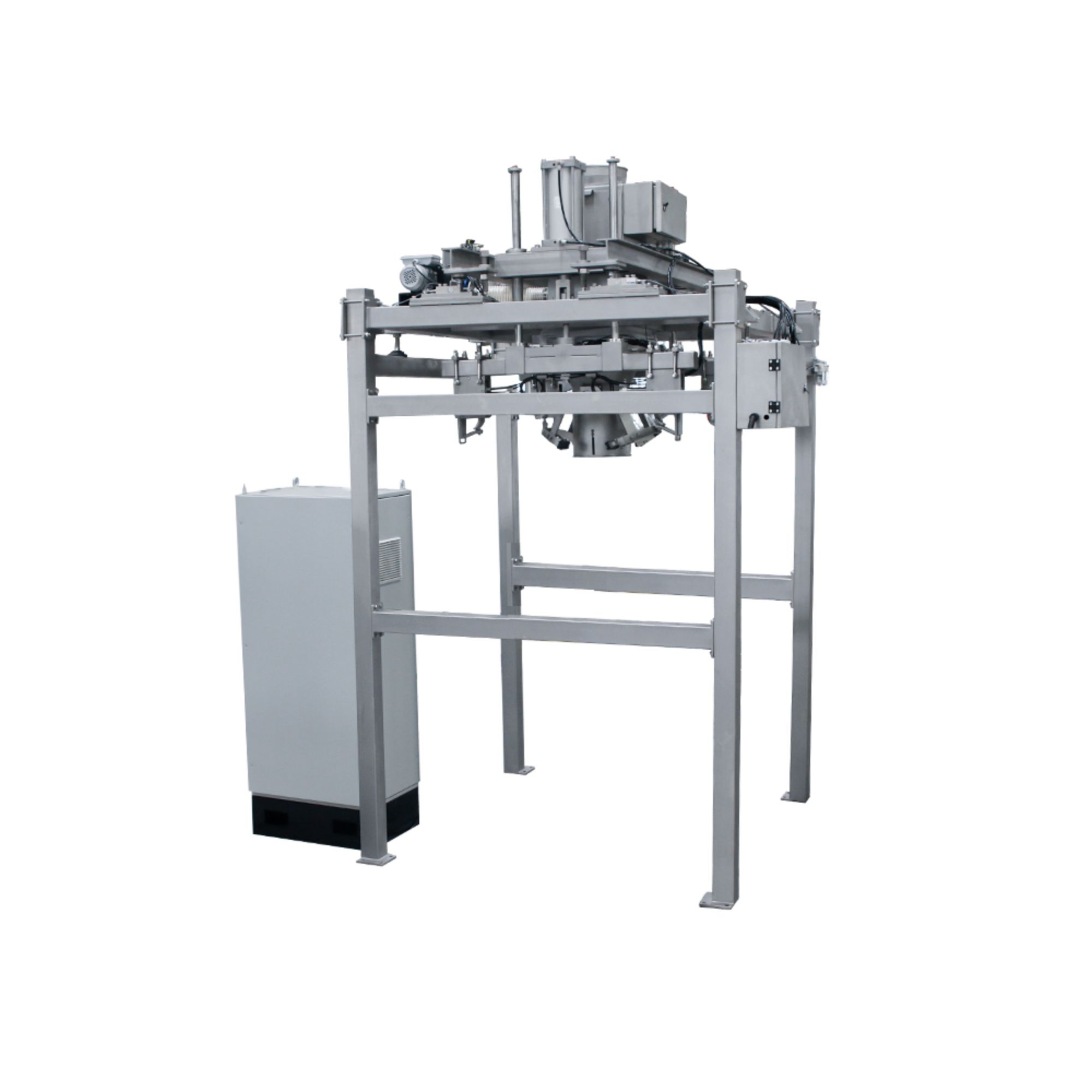
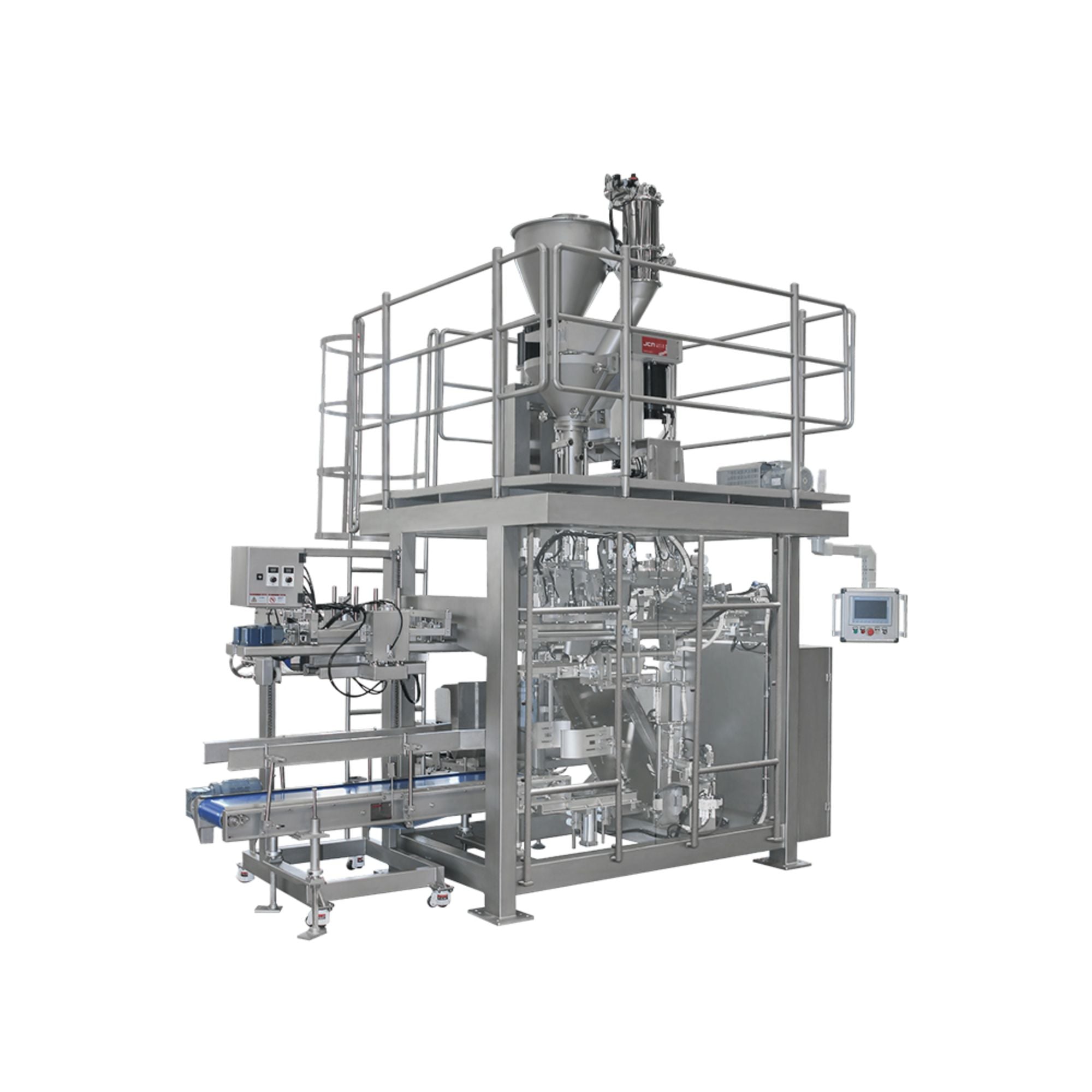
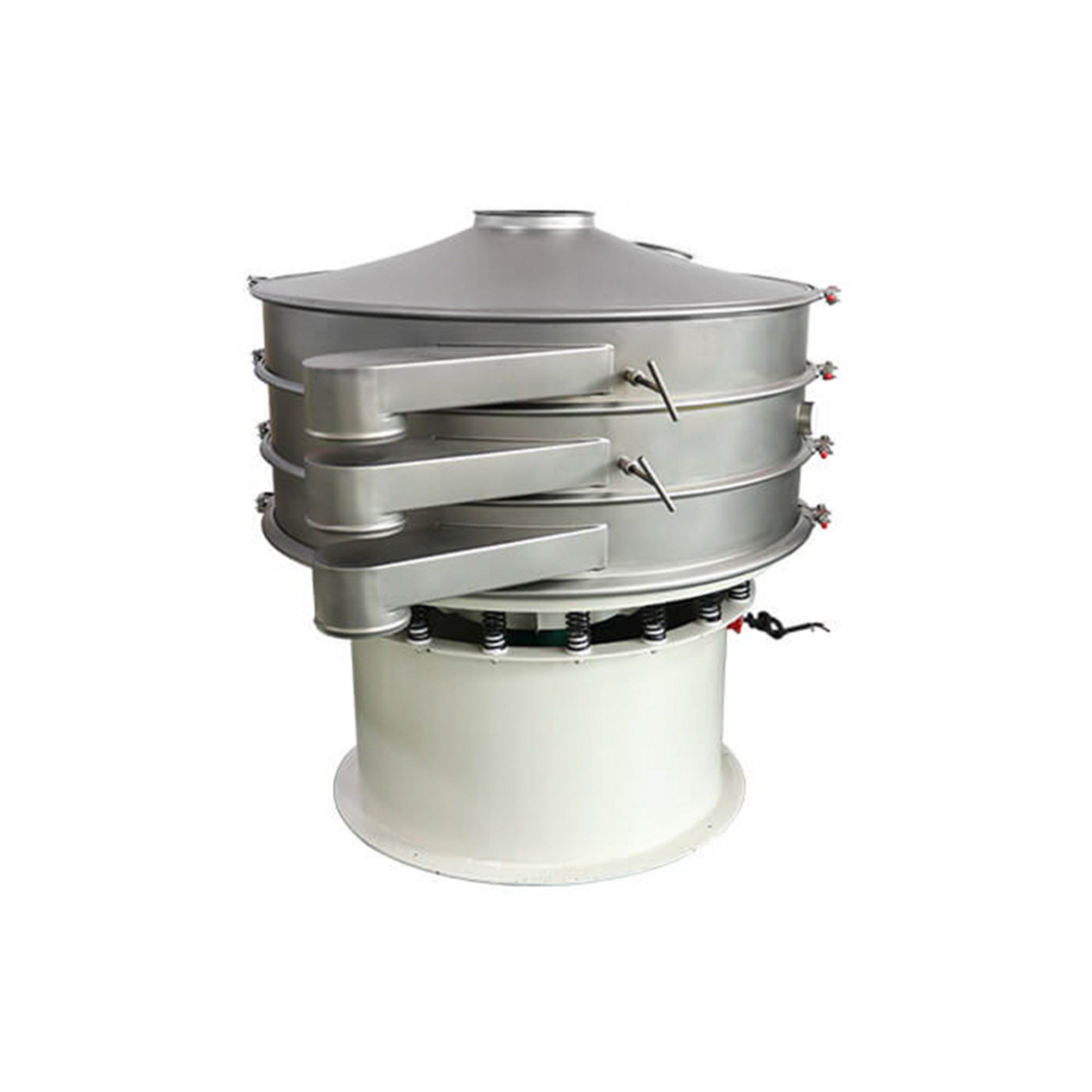
Bulk unloaders are vital equipment used in various industries to efficiently transfer bulk materials from shipping containers, silos, or storage vessels to production lines or storage areas. For B2B buyers—such as purchasing managers, engineers, and product managers—understanding the specifications and applications of bulk unloaders is crucial for optimizing operations. This article will explore key considerations when selecting a bulk unloader, its applications in food and pharmaceutical industries, and the essential features and benefits that can enhance your material handling processes.
When evaluating bulk unloaders, it's essential to consider several specifications that directly impact performance and suitability for your specific application. Key factors include:
Load Capacity: This indicates how much material the unloader can handle at once. Buyers should assess their operational needs and choose a model that can accommodate peak loads without compromising efficiency.
Material Compatibility: Different bulk unloaders are designed for specific materials, such as powders, granules, or pellets. It's critical to select a model that can handle the physical and chemical properties of the material you intend to unload.
Dimensions and Space Requirements: The size of the bulk unloader and its configuration must fit within your facility's layout. Consider the height, width, and depth of the machine to ensure it integrates seamlessly with existing systems.
Power Source: Bulk unloaders can be powered by electric, pneumatic, or hydraulic systems. Assess the availability of these power sources in your facility and choose a compatible option.
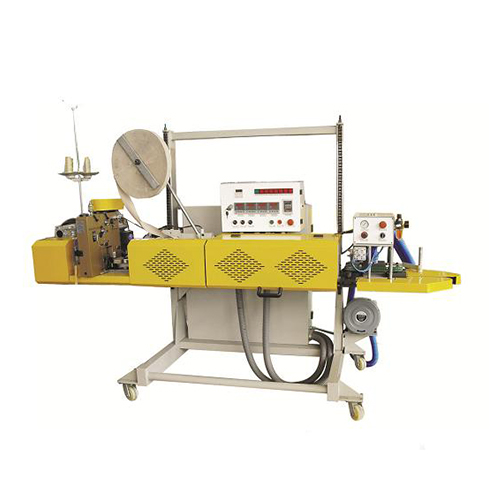
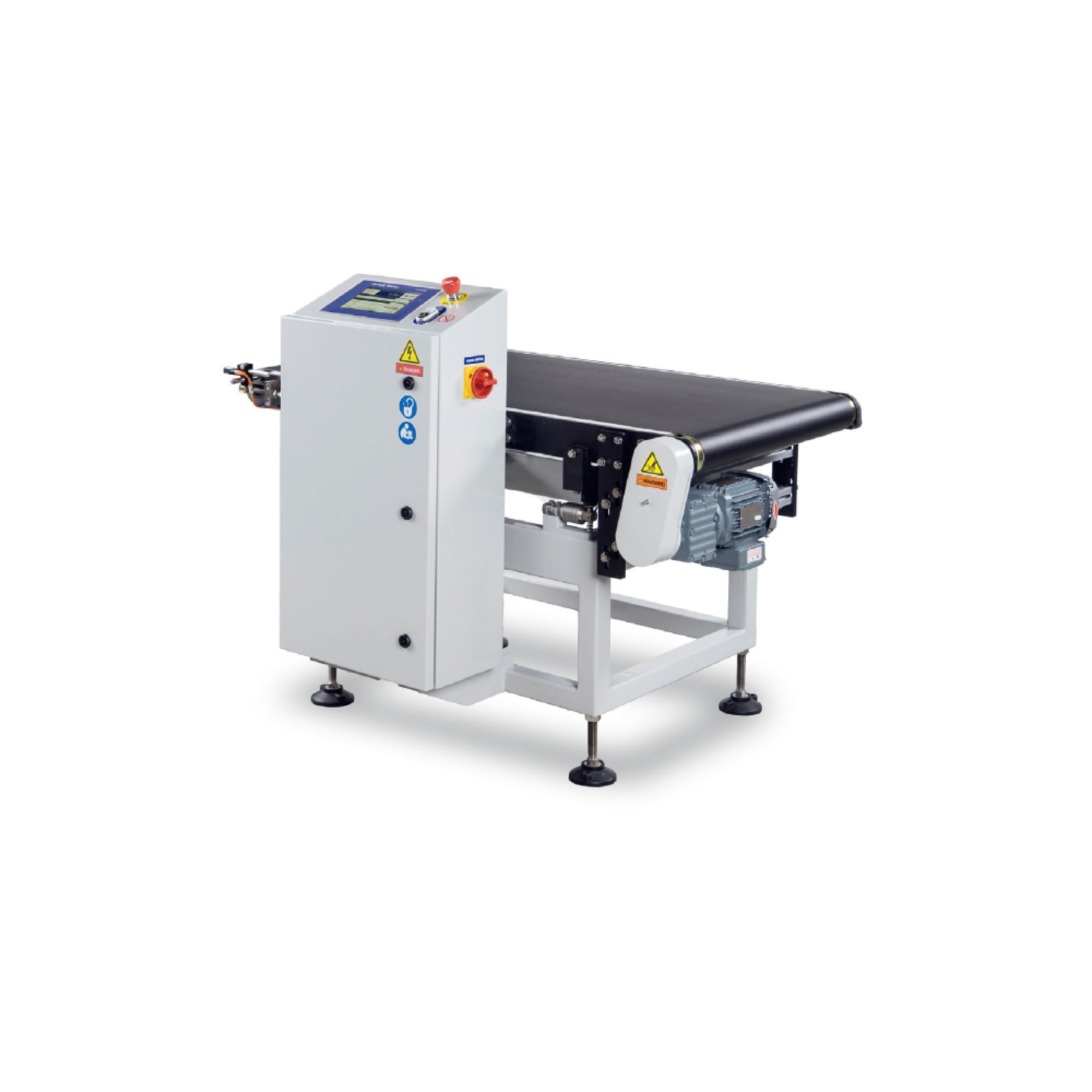
Control Systems: Advanced bulk unloaders often include automated control systems that enhance operational efficiency. Determine if you require manual controls or automated features that can streamline your processes. For instance, integrating a Auxiliary Equipment can greatly improve the efficiency of your bulk unloading operations.
Buyers should confirm these specifications with manufacturers to ensure alignment with their operational needs.
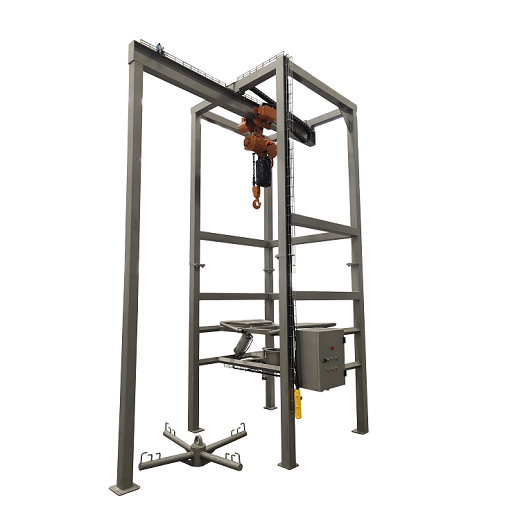
Selecting the right bulk unloader involves a comprehensive evaluation of your operational requirements and potential challenges. Here are practical steps to guide your decision-making process:
Assess Your Material: Understand the characteristics of the material to be unloaded, including its flowability, density, and moisture content. This information will help determine the appropriate unloader type and design.
Evaluate Application Needs: Consider the application for which the bulk unloader will be used. Different industries may require specific features, such as hygienic designs for food processing or anti-corrosive materials for chemical handling.
Analyze Production Capacity: Calculate your expected throughput and choose a bulk unloader that meets or exceeds this capacity. Ensure the unloader can handle peak times without causing delays in your production line. A Weighing Bagging Machine can also complement your bulk unloading system for precise measurements.
Review Customization Options: Many manufacturers offer customizable bulk unloaders tailored to specific operational requirements. Inquire about the possibility of modifying designs, dimensions, or features to better suit your needs.
Check for Support and Maintenance: Evaluate the manufacturer's support services, including installation, training, and maintenance options. A reliable support system can significantly reduce downtime and enhance operational efficiency.
By following these steps, buyers can make informed decisions that align with their operational goals and enhance overall productivity.
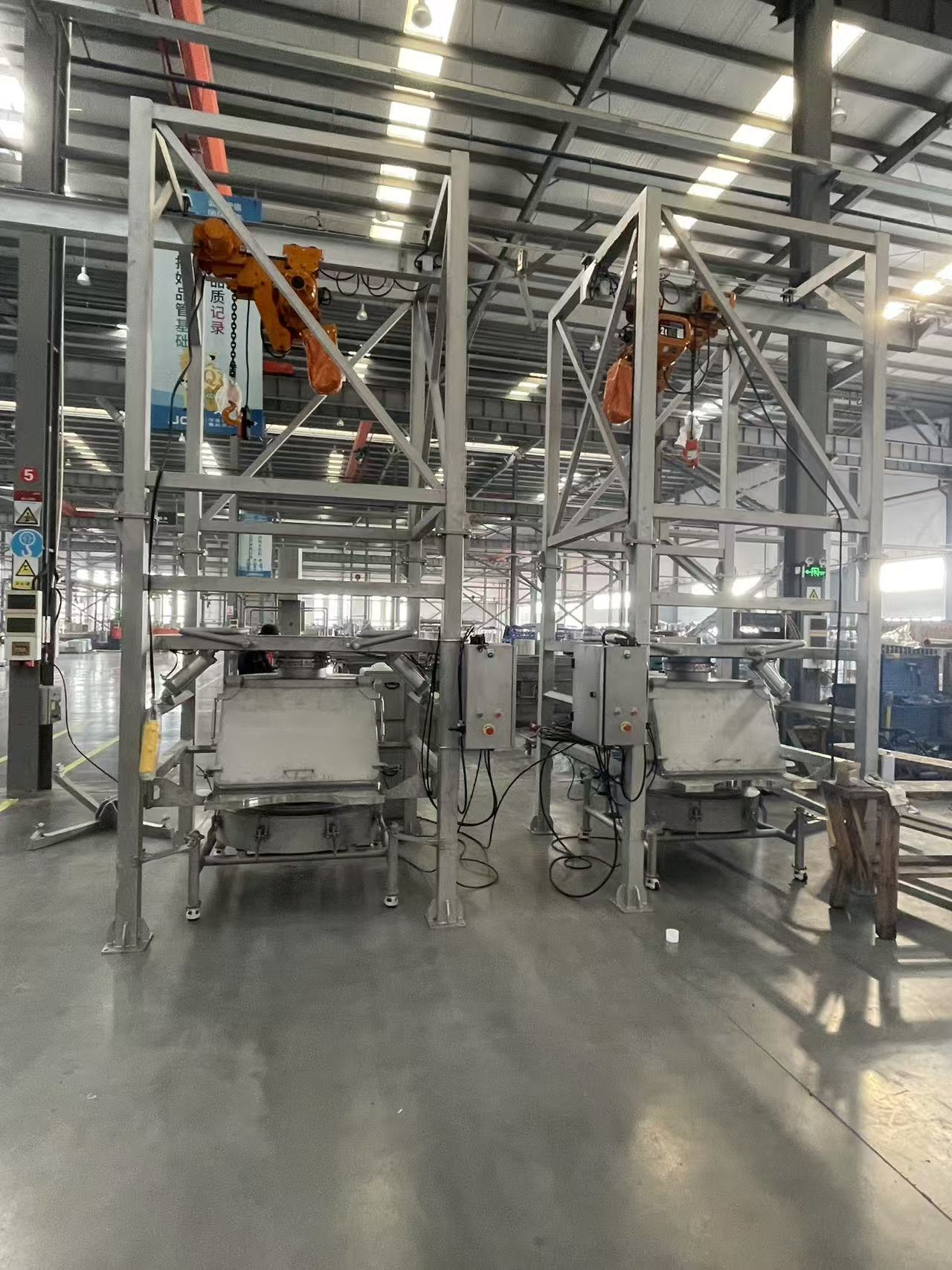
Bulk unloaders play a crucial role in the food and pharmaceutical sectors, where strict hygiene and safety standards are paramount. Their applications in these industries include:
Food Processing: Bulk unloaders facilitate the efficient transfer of ingredients such as flour, sugar, and other powdered materials from bulk containers to processing machines. They often feature sanitary designs to minimize contamination risks.
Pharmaceutical Manufacturing: In pharmaceuticals, bulk unloaders are essential for handling active ingredients and excipients while ensuring compliance with Good Manufacturing Practices (GMP). They often include specialized features such as dust containment and easy cleaning mechanisms.
Packaging: After processing, bulk unloaders are utilized to transfer finished products into packaging systems. This ensures a smooth transition from production to distribution, maintaining product integrity and quality.
The versatility of bulk unloaders allows them to be adapted for various materials and processes, making them indispensable in these industries.
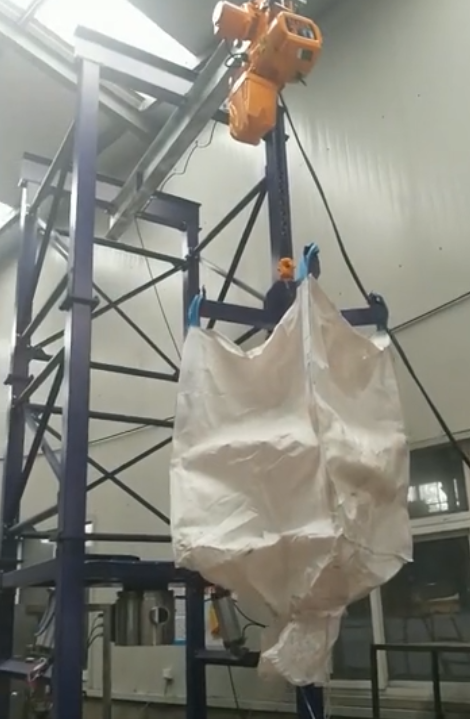
Investing in a high-quality bulk unloader offers several advantages that can significantly improve your operational efficiency:
Increased Efficiency: Bulk unloaders streamline the material transfer process, reducing manual handling and minimizing the risk of human error. This leads to faster production cycles and reduced labor costs.
Enhanced Safety: Well-designed bulk unloaders incorporate safety features such as emergency stops and overload protection, ensuring a safer working environment for operators.
Improved Material Handling: Modern bulk unloaders are equipped with advanced technologies that optimize the flow of materials, reducing waste and improving overall material handling processes.
Customizable Solutions: Many manufacturers, like JCN Co., Ltd., offer tailored solutions that can be customized to meet specific operational requirements, helping businesses improve productivity and efficiency.
Long-Term Durability: High-quality bulk unloaders are built to withstand the rigors of industrial environments, offering longevity and reducing the need for frequent replacements.
By understanding these features and benefits, buyers can recognize the value of investing in a reliable bulk unloader.
"JCN concentrates R and D of food packaging equipment. have developed and Dumping stationpackaging machinery technologies imported from abroad. "are accessible 24/7 online, so if you have any queries about operation your machine, please don't hesitate to contact us."
JCN has manufacturing plant that is spread over 30,000 square metres in Nantong, Jiangsu Automatic packing machine. has risen to become one of largest companies that design engineering, engineers, manufactures distributes latest powder handling equipment.
JCN has been certified ISO 9001:2015 have been awarded a CE certificate several utility patent certificates.And all our products 100% made in our factory,assembled and then tested before being delivered. Customers can also examine items to make sure that they in compliance with their Filling machine for powder.
JCN business a manufacturer of equipment for handling powder and technology.Our most popular products currently mixing, bag dumping, siving, industrial weighers, automatic bagging robotic palletising system which widely used in the food, new material as well as pharmaceutical industry, have earned an enviable reputation.We are a company deicated to providing professional solutions to our customers by gaining an a thorough understanding of their Packing automatic machine.