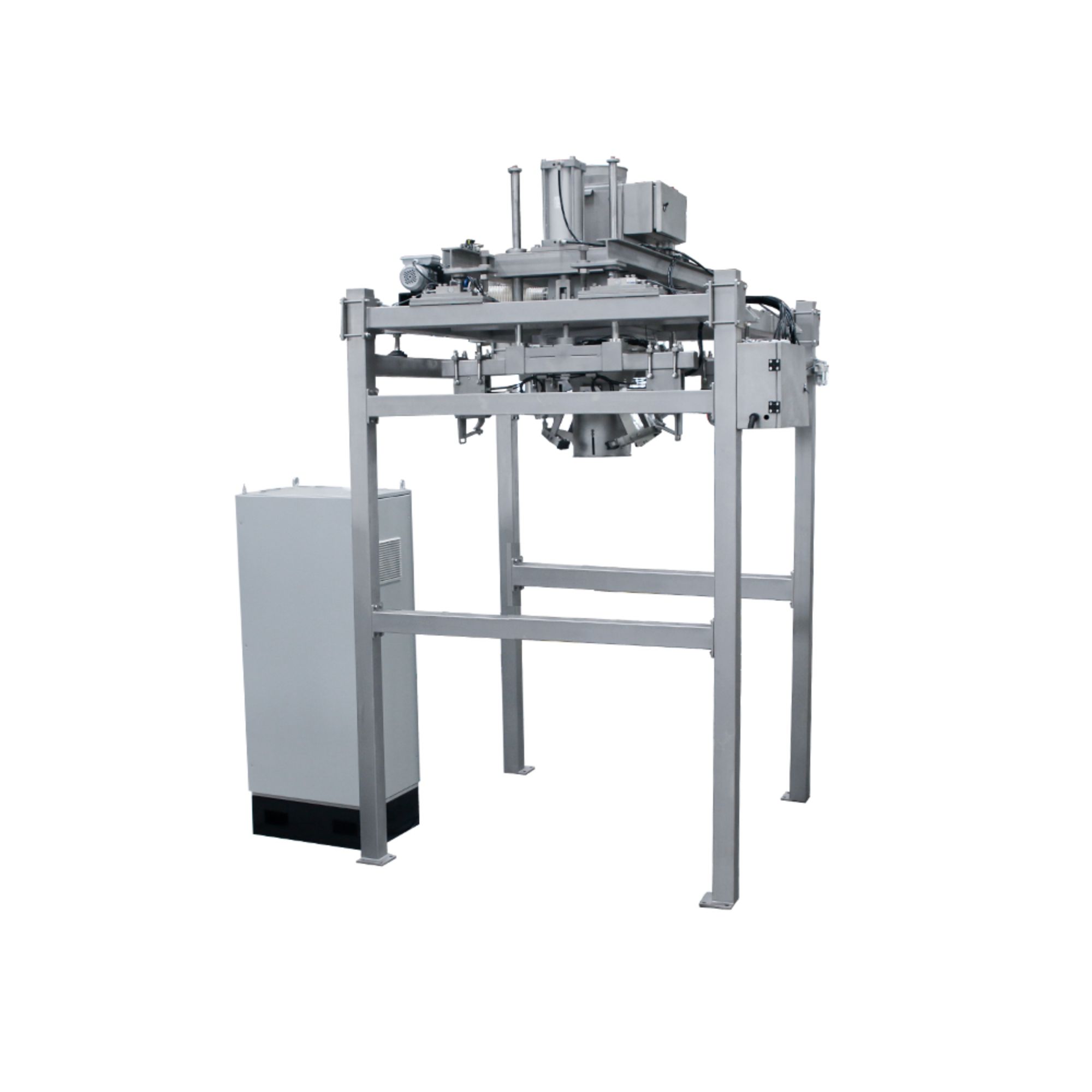
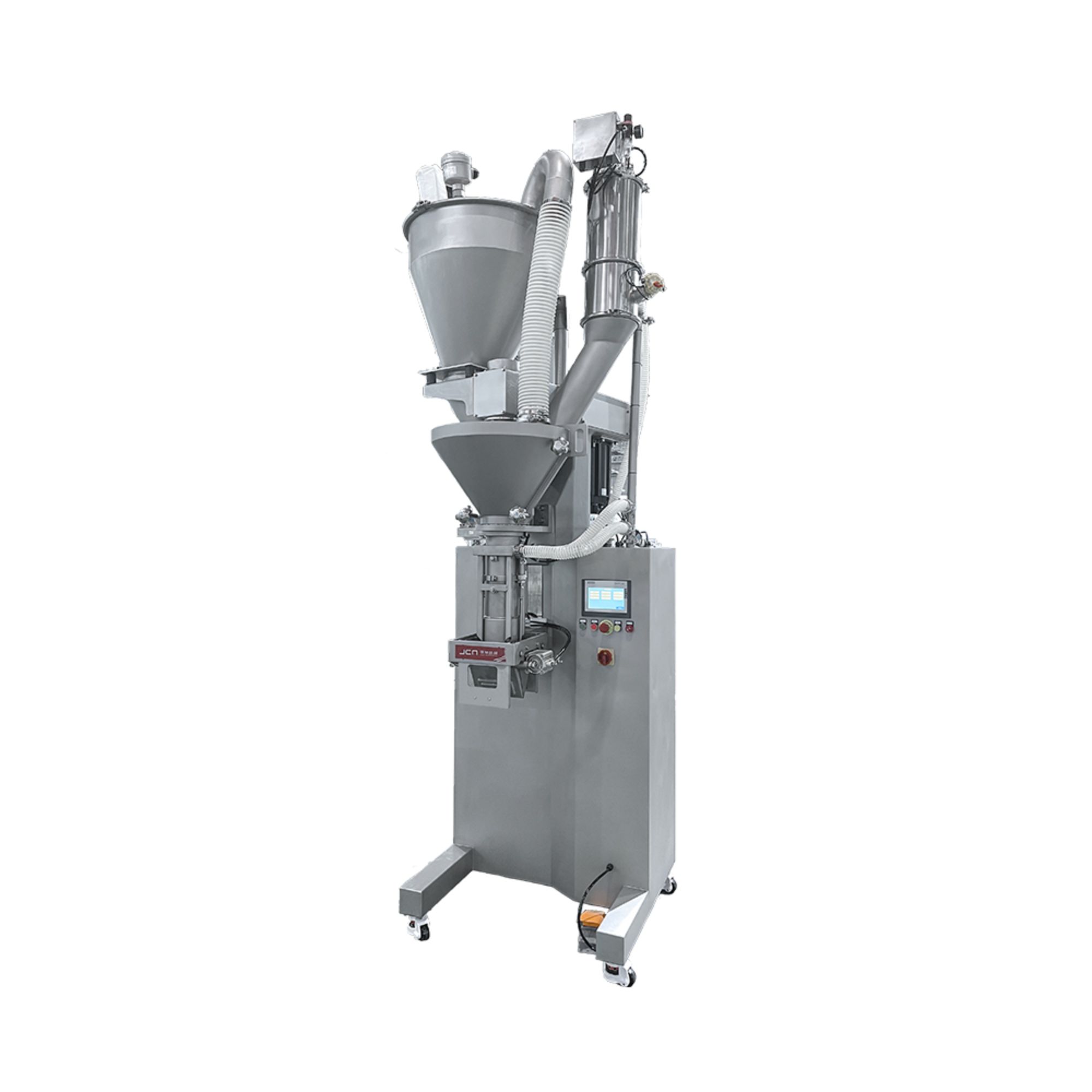
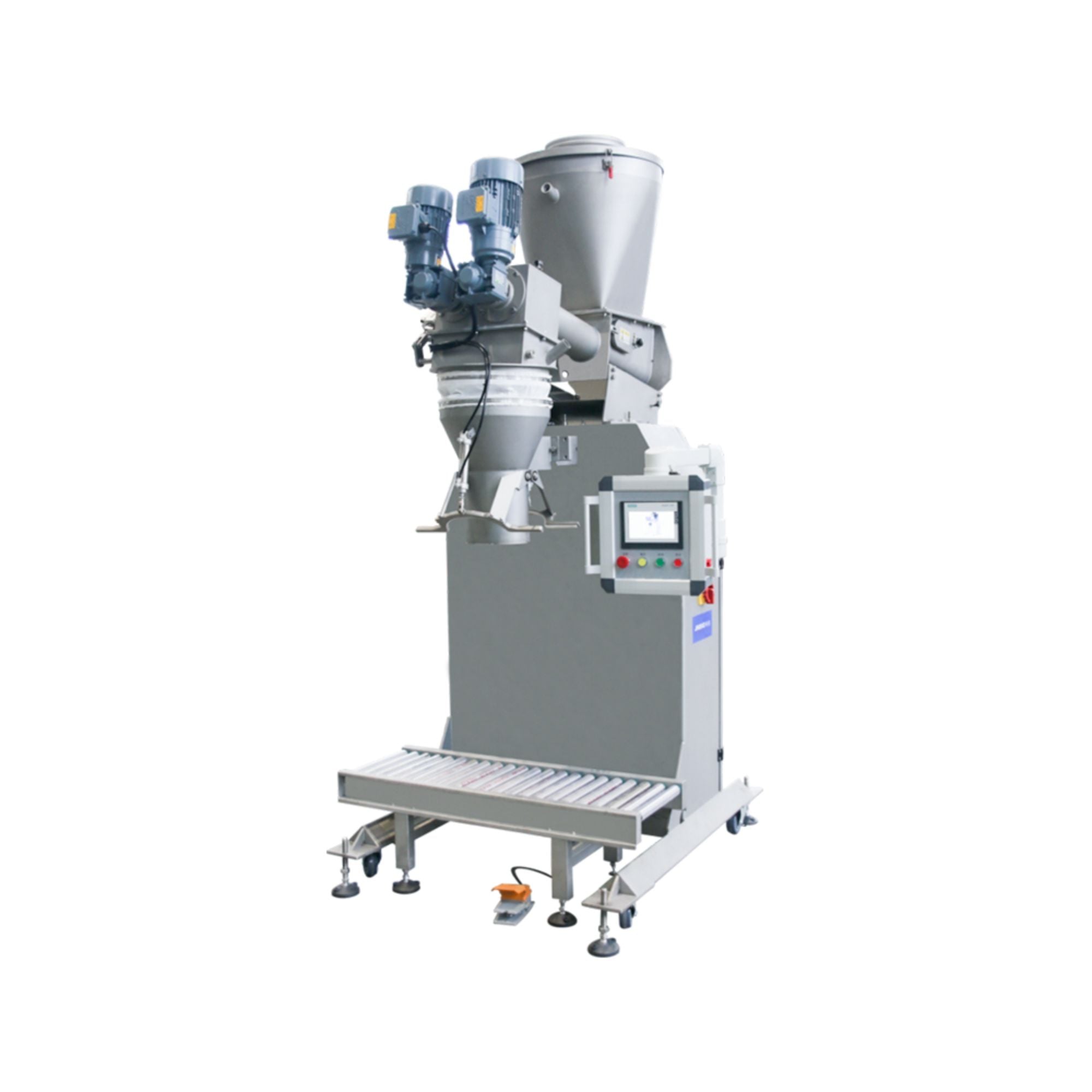
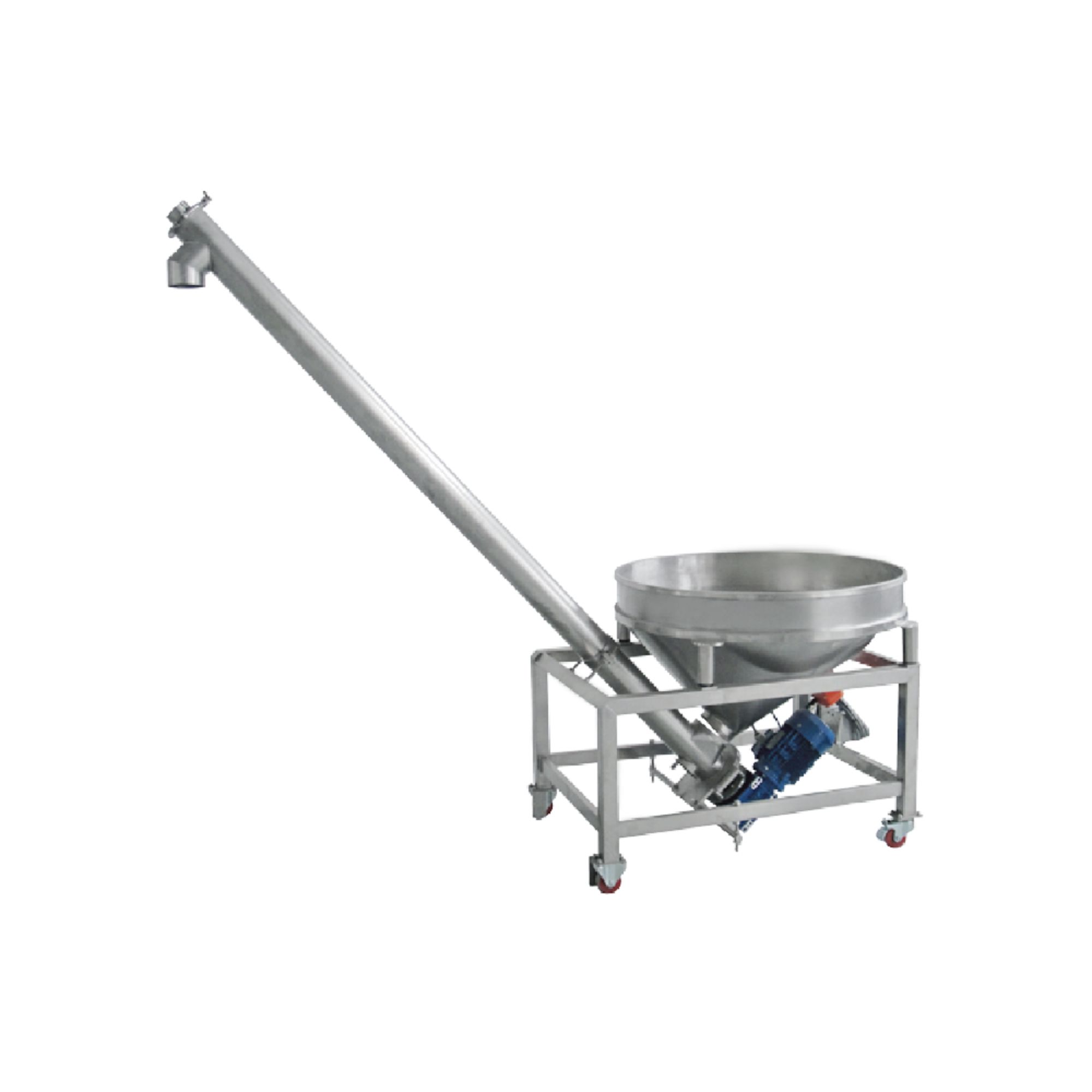
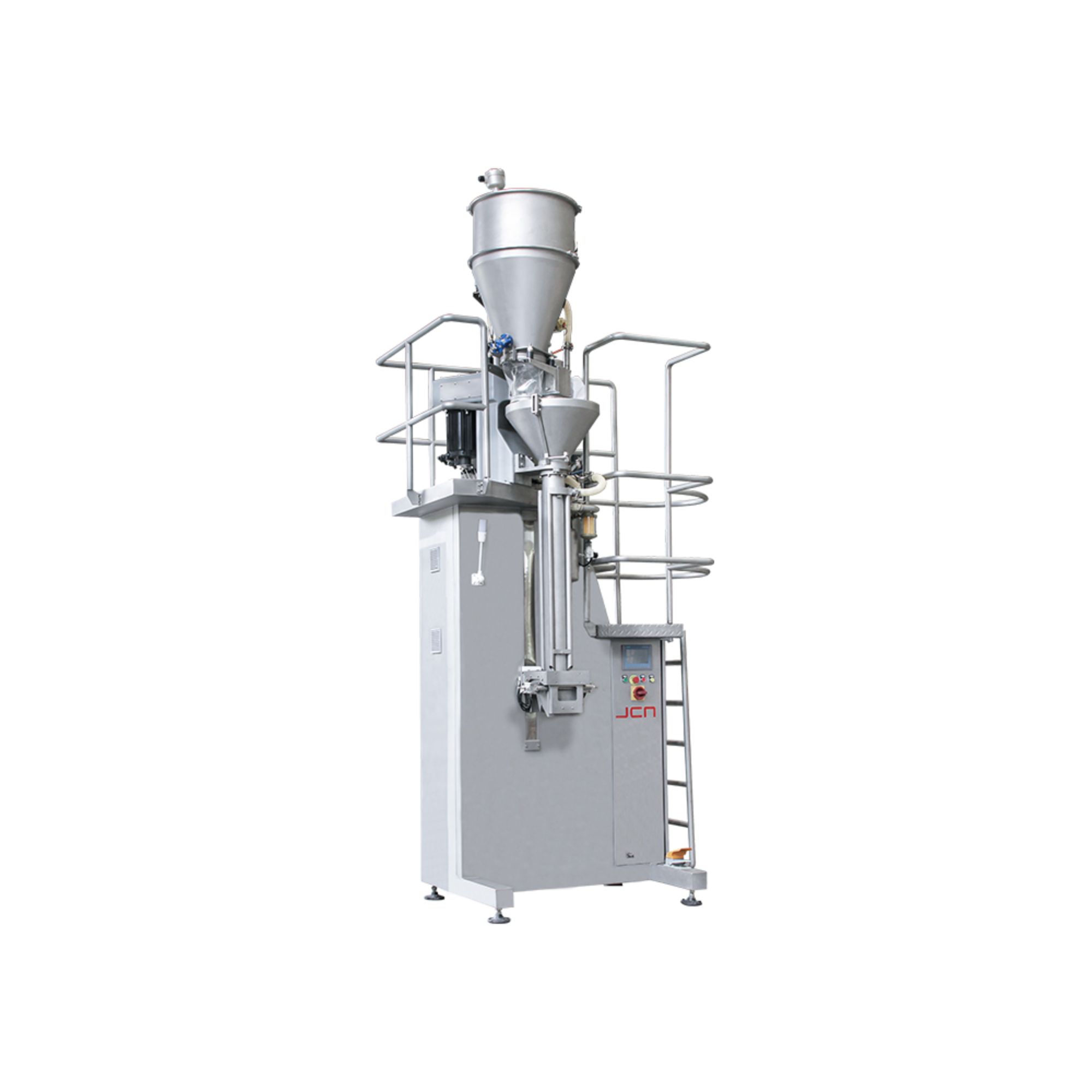
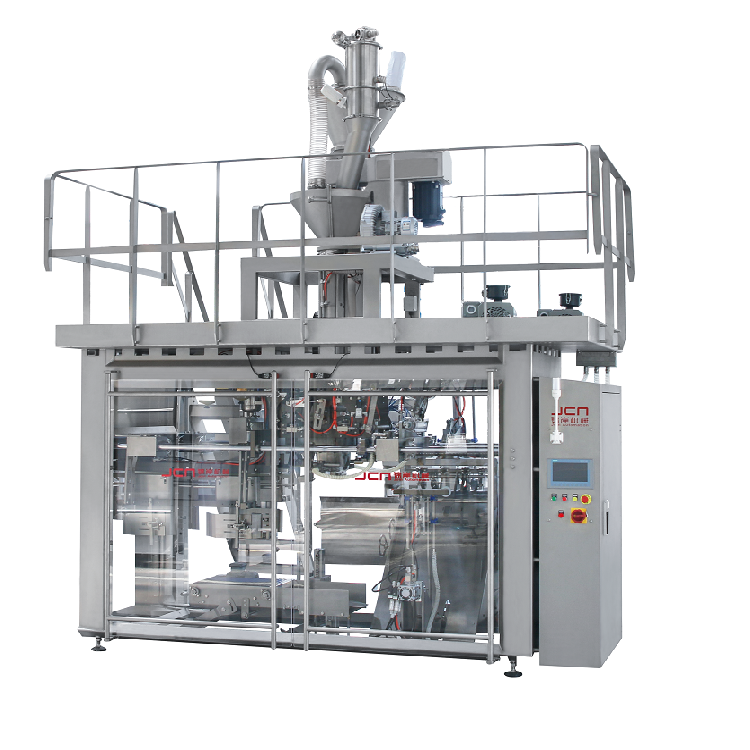
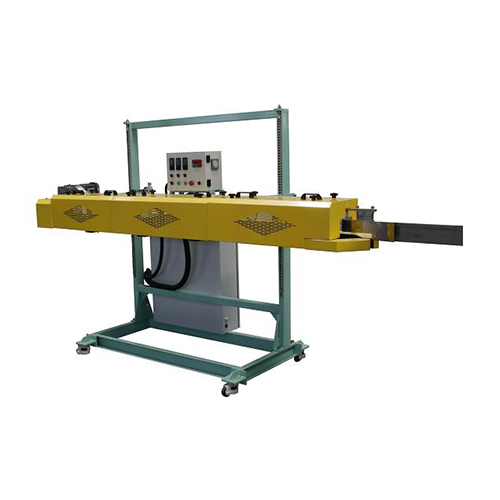
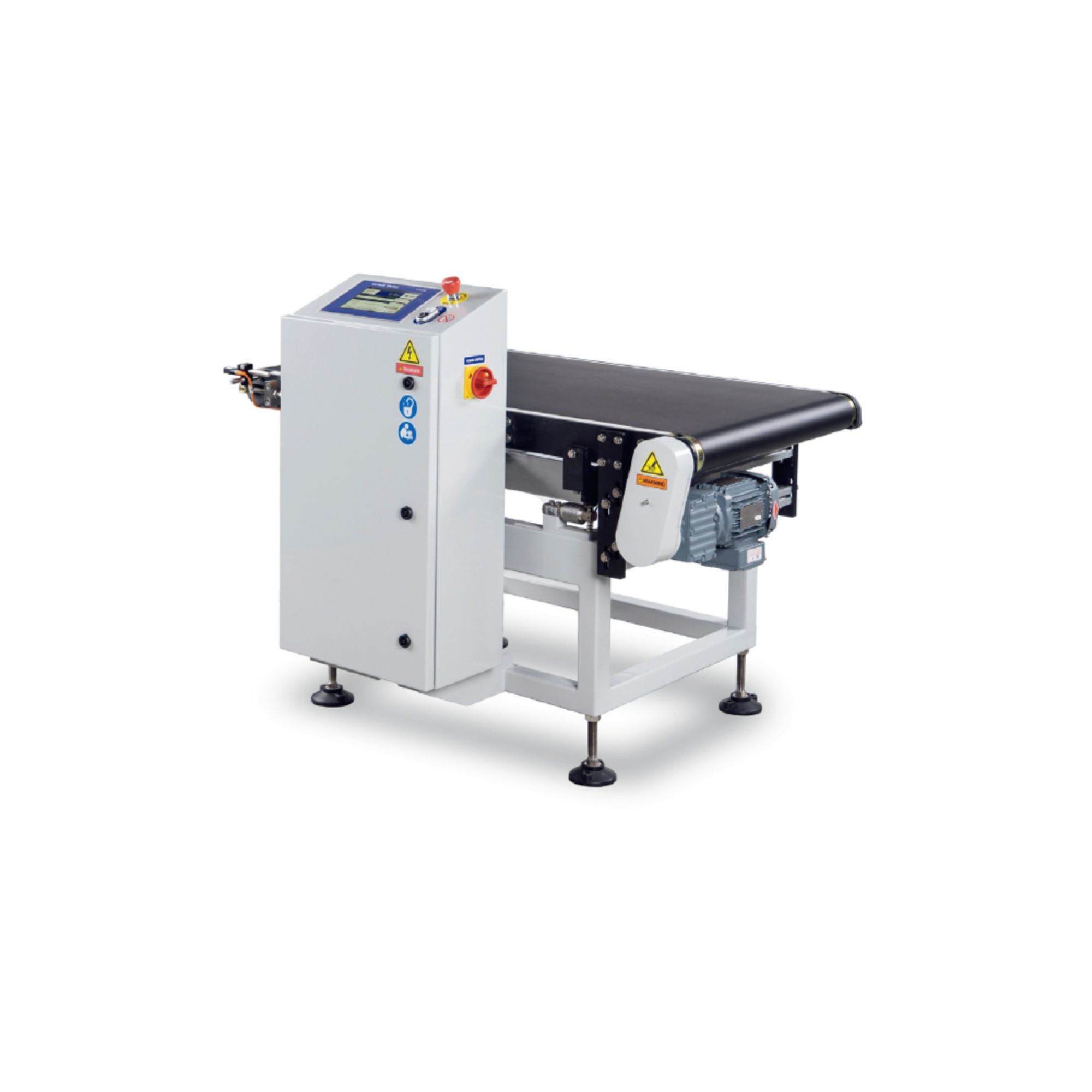
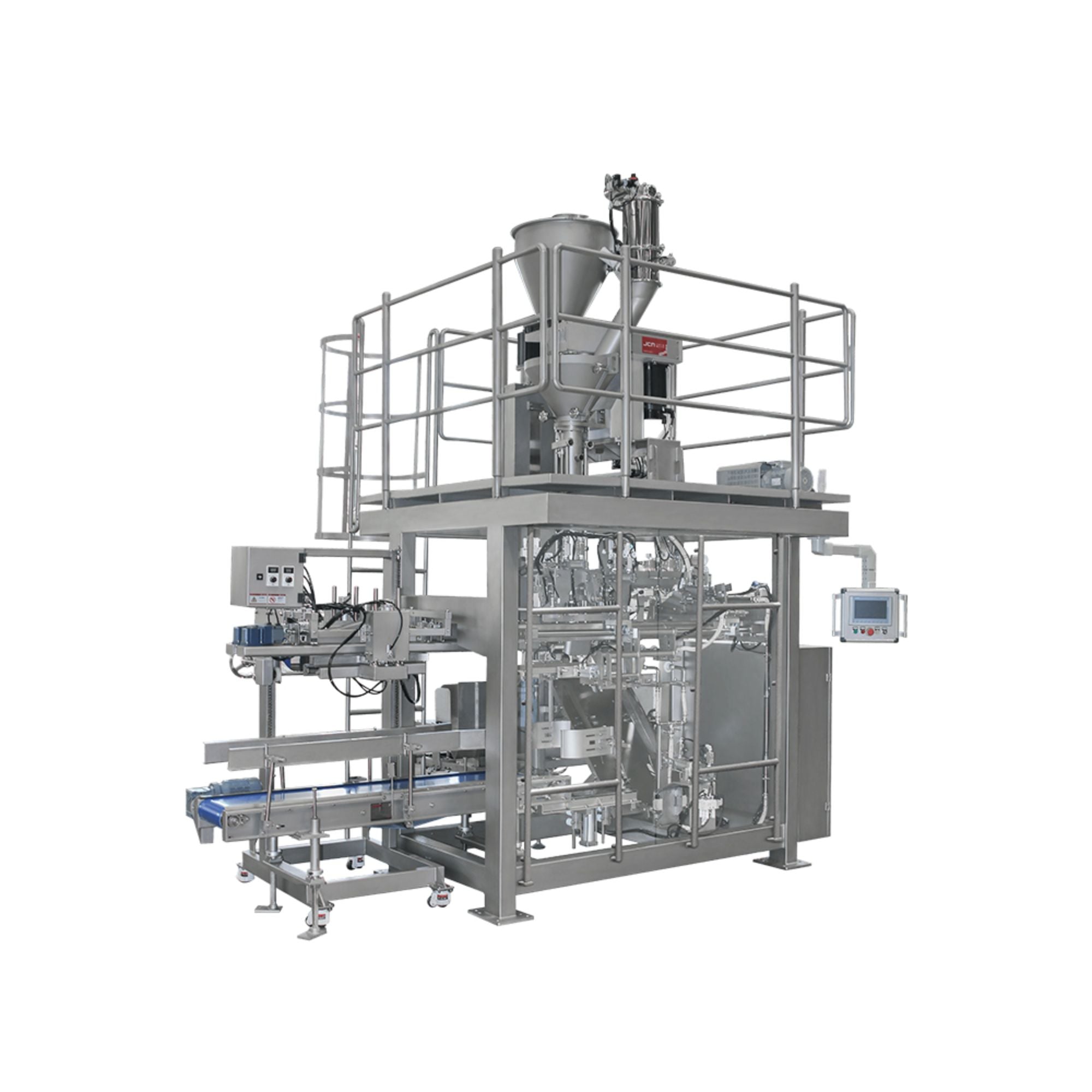
Efficient JCN powder weighing and filling machines are essential for industries such as food, pharmaceuticals, and new materials, where precision and speed are critical. These machines automate the process of measuring and packaging powdered substances, helping to enhance productivity and reduce human error. For B2B buyers, the main concerns typically include equipment reliability, accuracy, compliance with industry standards, and the ability to meet specific production needs. This article will provide insights into the key specifications, supplier selection, common operational challenges, installation guidance, and quality control standards relevant to powder filling machine.
When evaluating JCN powder weighing and filling machines, several key specifications must be considered to ensure optimal performance.
Accuracy and Precision: The accuracy of a weighing machine is typically measured in terms of its tolerance levels, often expressed as ±0.1% or ±0.5%. Higher accuracy is crucial for industries like pharmaceuticals, where precise dosing is mandated.
Weighing Capacity: Machines come in various capacities, from small units suitable for batches of a few grams to large systems that can handle several tons. Buyers should select a machine that aligns with their production volume needs.
Speed of Operation: The throughput, or the number of fills per minute, is a critical factor for efficiency. Machines that can fill rapidly without compromising accuracy will significantly enhance productivity.
Material Compatibility: The construction materials of the machine—such as stainless steel or specialized plastics—are vital for ensuring compatibility with various powders, including those that may be corrosive or hygroscopic.
Automation Features: Many modern machines offer automation capabilities, such as integration with conveyor systems and automated bagging, which can streamline the production process and reduce labor costs.
Customizability: A manufacturer that offers customization options will allow buyers to tailor the equipment to specific applications, whether adjusting the size of hoppers or modifying the filling mechanism.
Buyers should assess these specifications based on their operational requirements, ensuring that the selected weighing and filling machine will meet their production goals effectively.
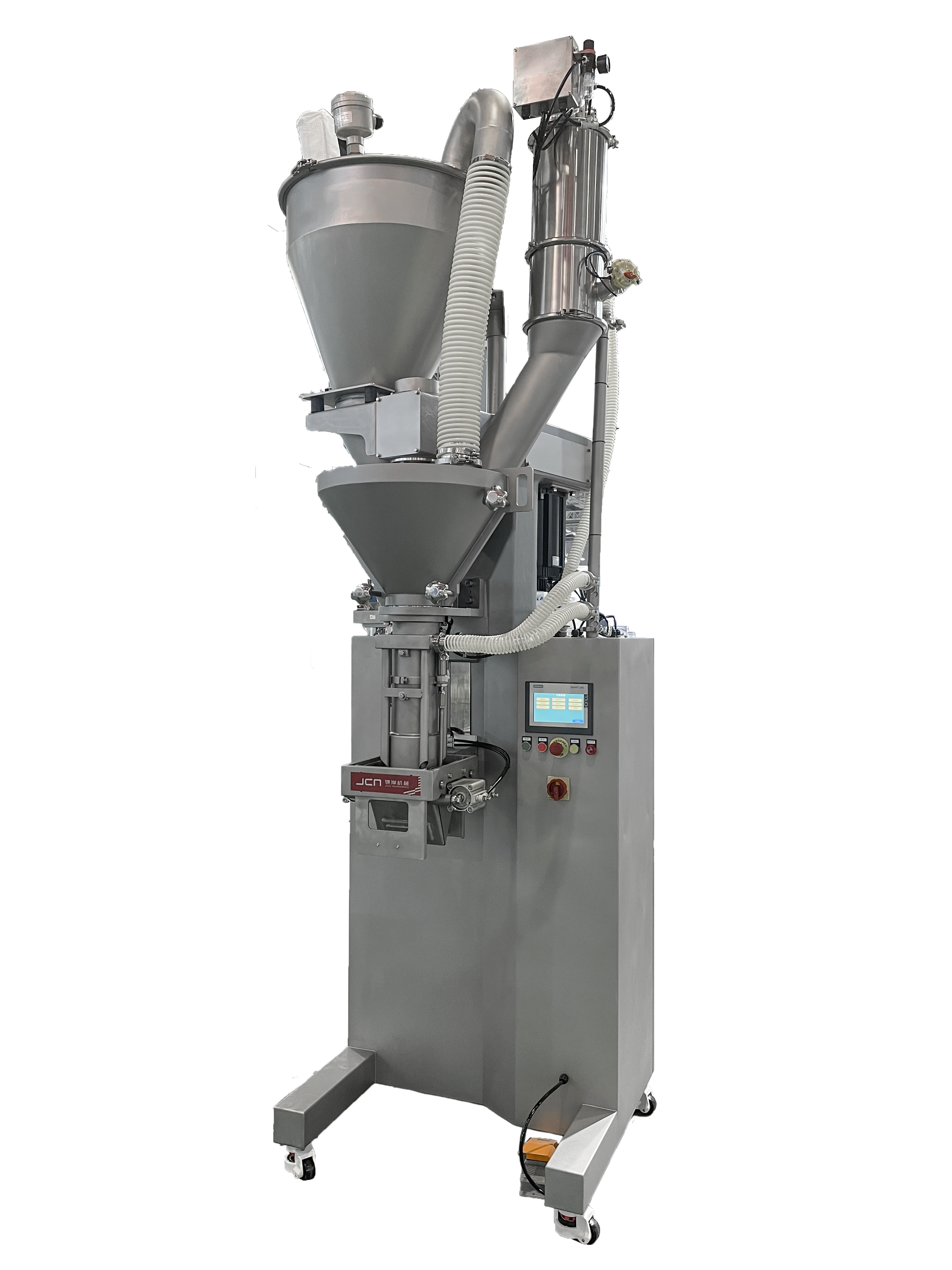
Finding a trustworthy supplier for powder weighing and filling machines is crucial for ensuring long-term success. Here are several avenues to consider:
Industry Trade Shows: Events that focus on manufacturing and packaging technologies provide opportunities to meet suppliers, see their machines in action, and discuss specifications and pricing directly.
Online Marketplaces and Directories: Websites like ThomasNet or Alibaba can help locate manufacturers globally. Buyer reviews and ratings can give insights into reliability and quality.
Professional Associations: Organizations within specific industries, such as the Food Processing Suppliers Association (FPSA) or the International Society for Pharmaceutical Engineering (ISPE), can offer lists of reputable manufacturers.
Referrals and Recommendations: Networking within your industry can yield recommendations for suppliers that have provided good service and products in the past.
Manufacturer Websites: Reviewing company websites can provide insights into their product offerings, manufacturing capabilities, certifications, and customer testimonials. Look for detailed product specifications and case studies that showcase their expertise.
When evaluating suppliers, consider factors such as their experience in the specific industry, customer support services, and the availability of spare parts and technical assistance.
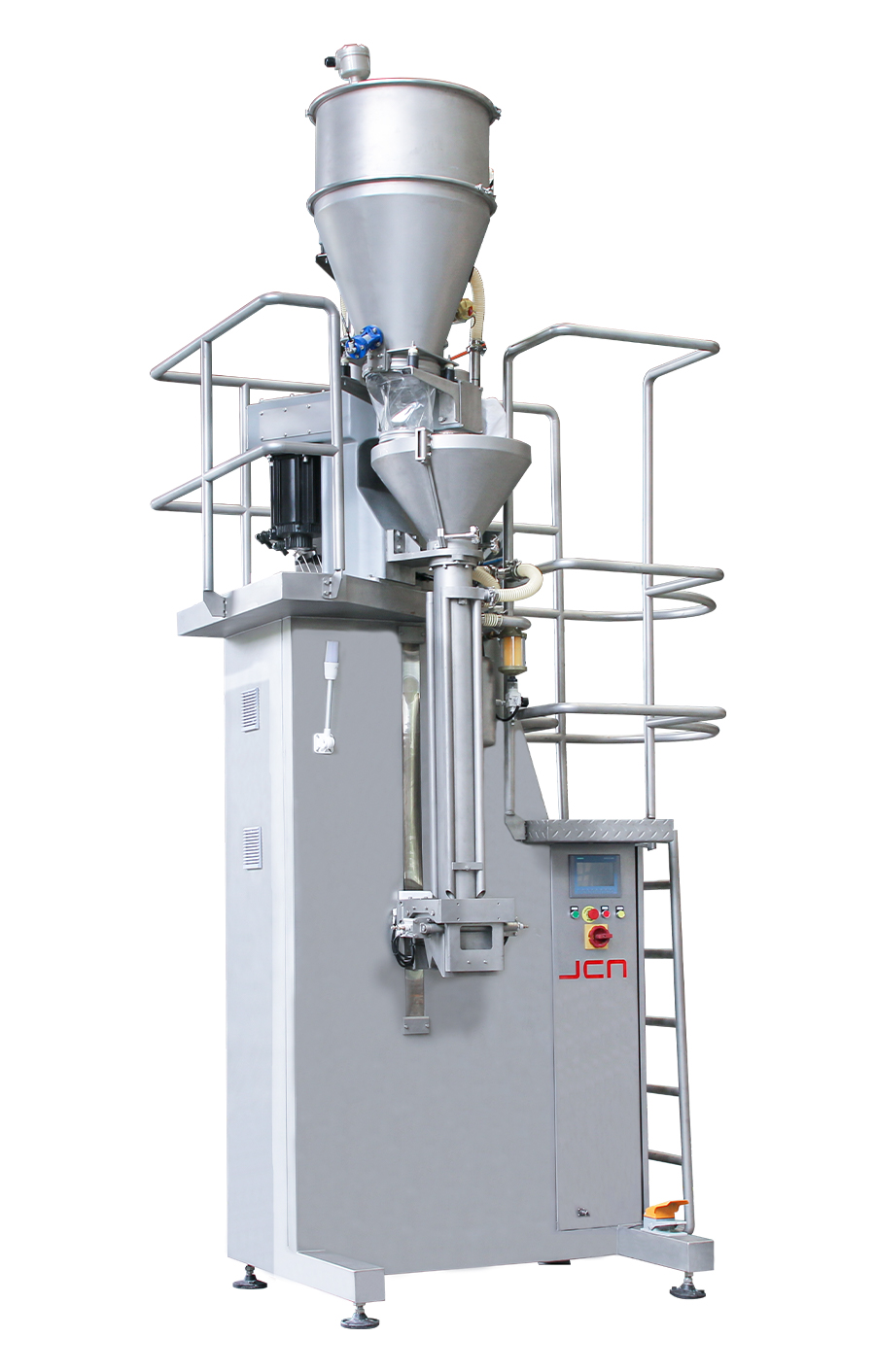
While JCN powder weighing and filling machines are designed to operate efficiently, several common issues can arise, impacting performance:
Inconsistent Weighing: Variations in weight can result from improper calibration or mechanical issues. To address this, regular calibration checks should be scheduled, and the machine should be maintained according to the manufacturer’s guidelines.
Clogging or Jamming: Powders can sometimes clump or stick, causing clogs in the feeding system. Utilizing a vibrating feeder or adjusting the feed rate can help alleviate these issues, ensuring smooth operation.
Dust Generation: Handling powders often leads to dust, which can compromise accuracy and create safety hazards. Implementing dust collection systems and using enclosed Manual powder filling machine can minimize airborne particles.
Software and Control Failures: Many modern machines rely on sophisticated software for operation. Regular updates and maintenance of the software, along with staff training, can help prevent control failures.
Mechanical Wear and Tear: Over time, components such as hoppers and filling nozzles may wear down. Regular inspections and timely replacement of parts can avoid unexpected downtime.
By anticipating these problems and implementing preventive measures, buyers can enhance the reliability and efficiency of their powder weighing and filling operations.
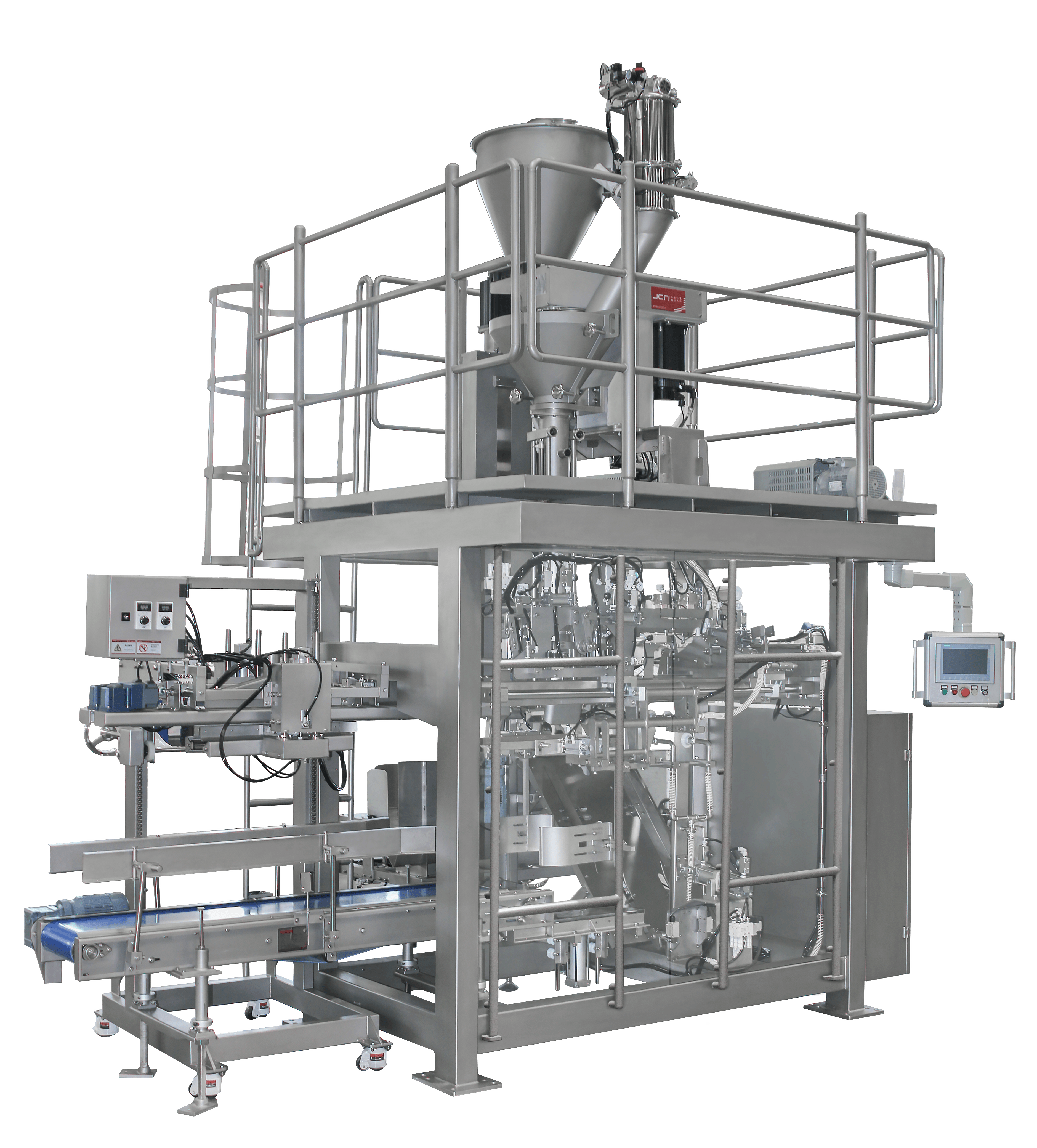
Proper installation is critical to ensure that powder weighing and filling machines operate effectively. Here are key considerations for installation:
Site Preparation: Ensure that the installation site is clean, dry, and has adequate space for the machine and any associated equipment. Consider access for maintenance and operation.
Leveling the Machine: It is essential to level the machine during installation. An unlevel machine can lead to inaccurate weighing and operational difficulties.
Electrical and Plumbing Requirements: Verify that all electrical connections meet local codes and that power supply specifications align with the machine's requirements. If the machine requires pneumatic systems, ensure that air pressure specifications are met.
Calibration: Once installed, the machine should be calibrated according to the manufacturer's instructions. This step is crucial for ensuring accurate measurements from the start.
Training: Operators should receive training on the proper use and maintenance of the machine. This training should include troubleshooting common issues and understanding the machine's safety features.
Investing time in proper installation will set the stage for optimal performance and longevity of the equipment.
"JCN focused on the research and development food packaging equipment. We have developed improved packaging machinery technologies imported from other countries. "We accessible all hours of day, so if you have any Powder filling machineabout machine operation, feel free to contact us."
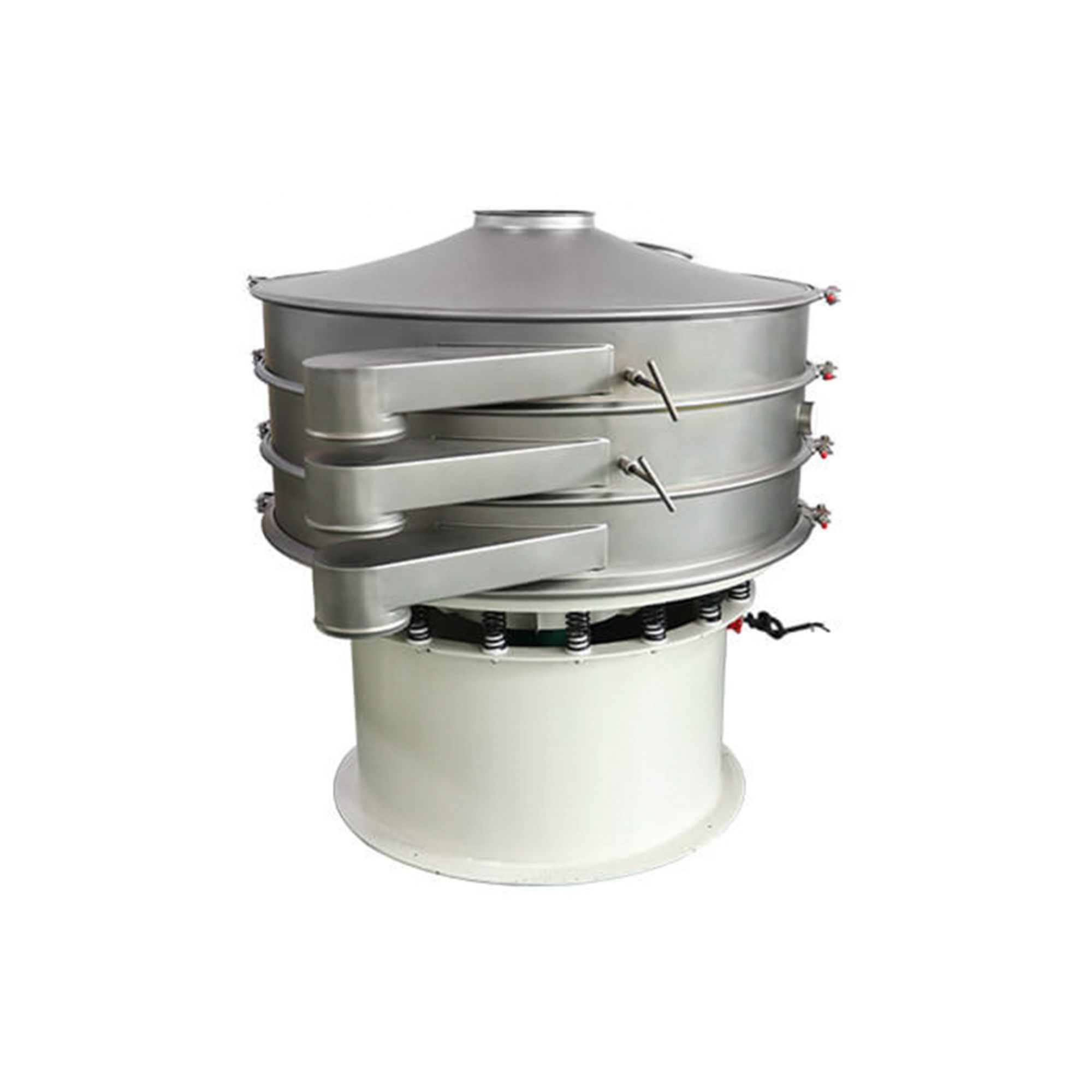
JCN business focuses the Powder filling machineof powder handling equipment as well as technology.Our most popular products currently mixing, bag dumping, siving, industrial weighing, auto bagging robotic palletising system that has been widely used in food, new material as well as pharmaceutical industry, have earned good reputation.We are a firm committed to providing professional solutions for our customers based on an deep understanding of the needs of customers.
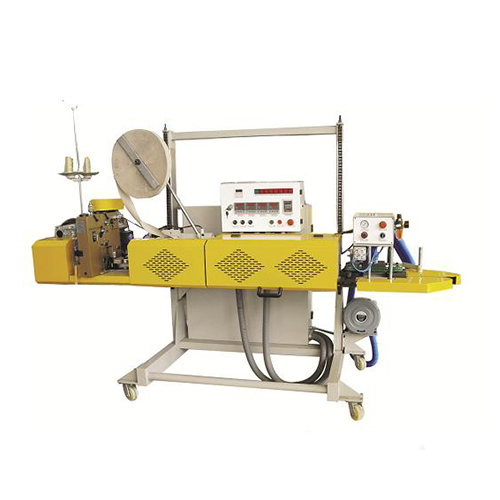
JCN has manufacturing plant that spans 30000 square Bag sewing machinelocated Nantong, Jiangsu Province. JCN has grown to become one the leading firms that designs engineers, produces, provides state-of--art handling equipment.
JCN has earned CE certificates ISO 9001:2015 certification. All of our products, which assembled and tested before being delivered, produced 100% in manufacturing Automatic packing machine. Customers can also visit for inspection to ensure that they meet your specifications.