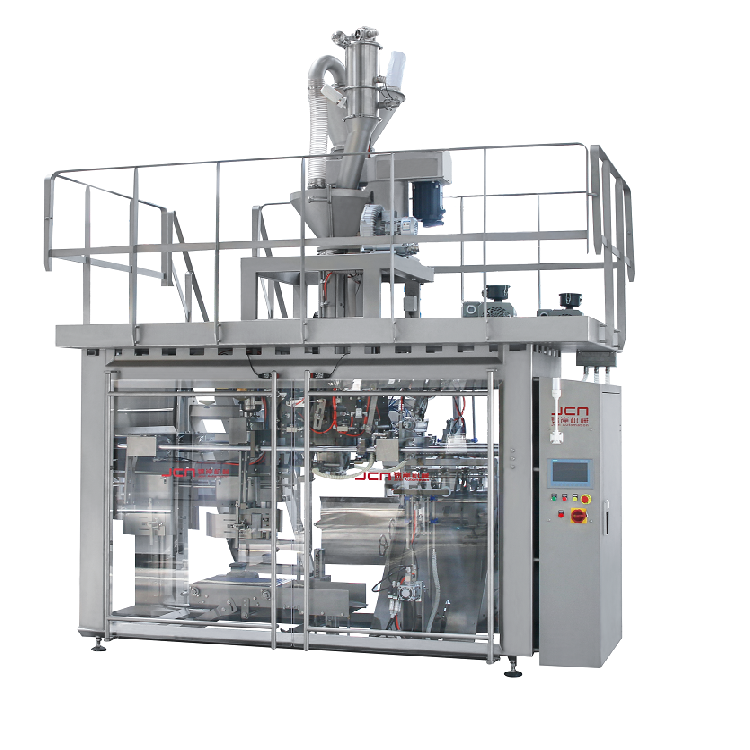
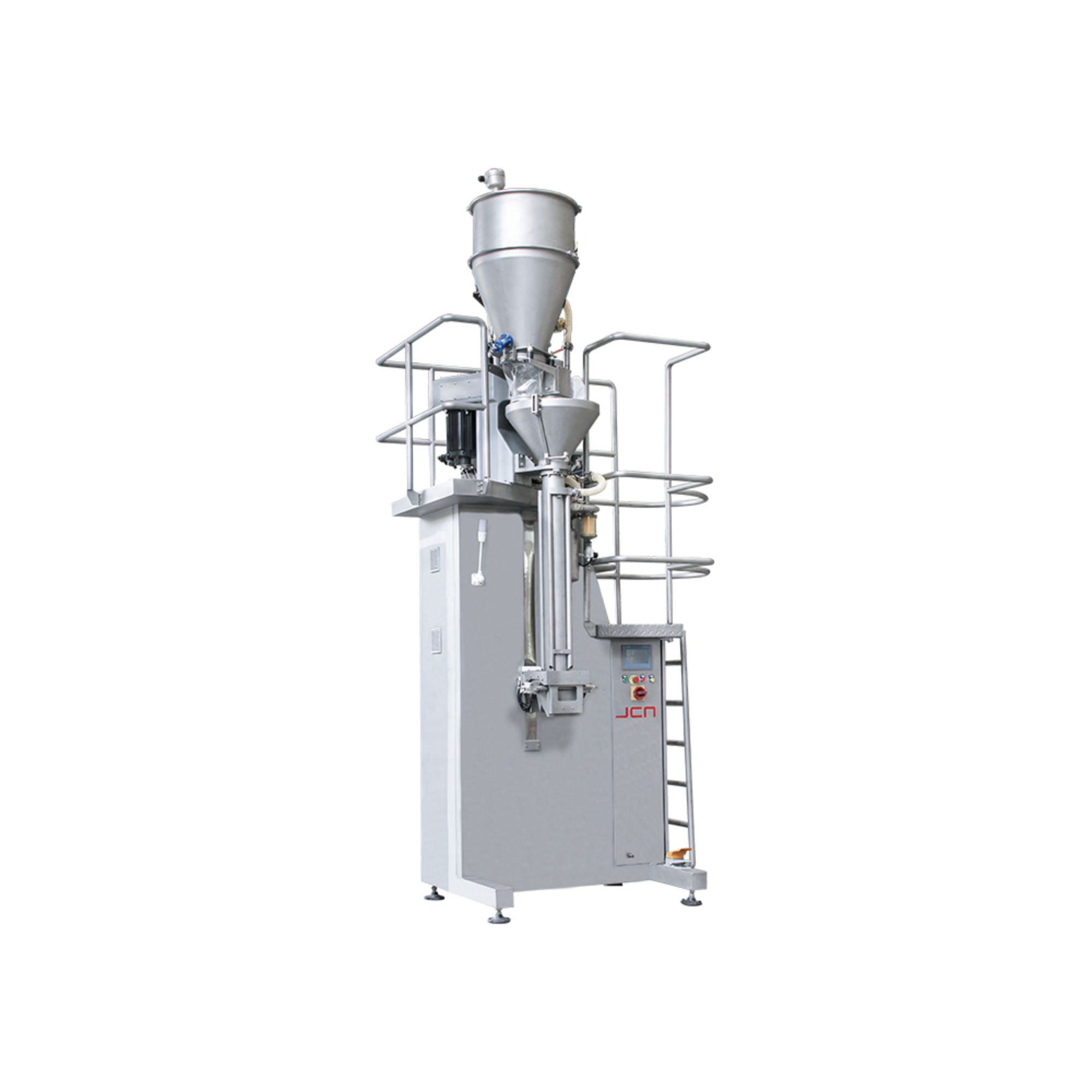
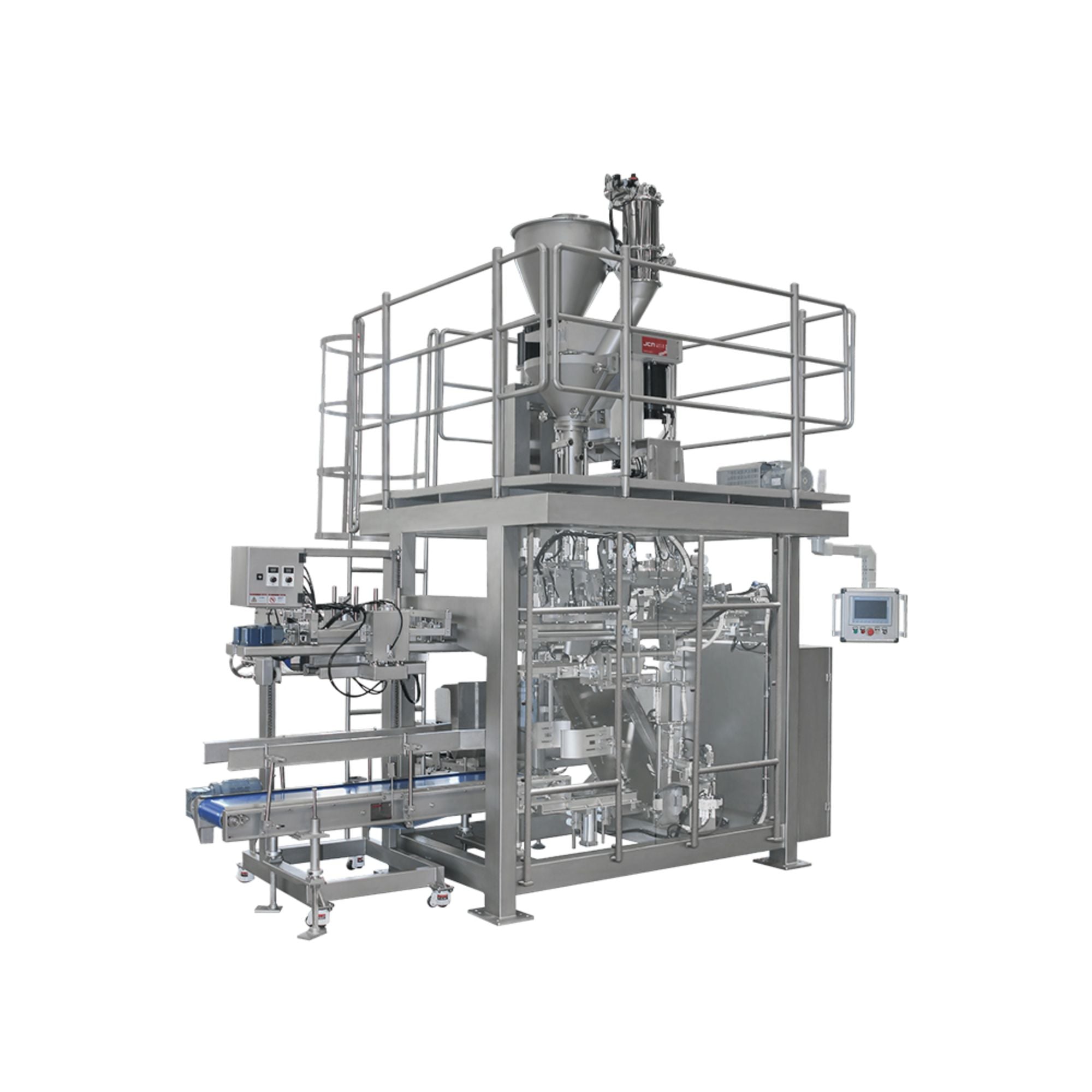
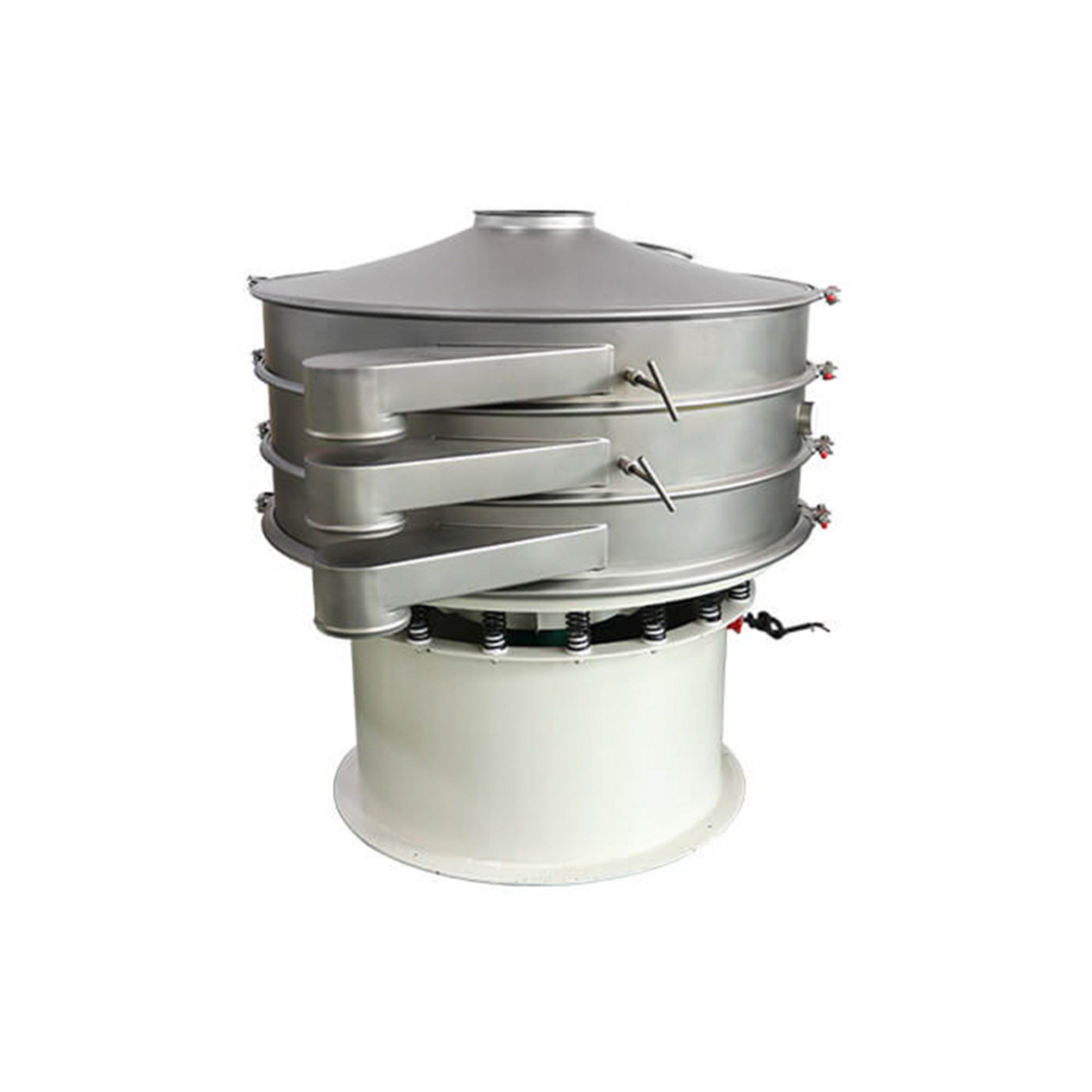
Choosing the right weighing and filling machine is crucial for businesses in various industries, including food, pharmaceuticals, and new materials. These machines automate the process of measuring and packaging powders, ensuring accuracy, efficiency, and cost-effectiveness. As a purchasing manager or product manager, your main concerns will likely include machine reliability, compatibility with existing systems, and overall operational efficiency. This article will help you understand what to consider when selecting a weighing and filling machine, how to evaluate suppliers, and important factors for installation and maintenance.
When selecting a weighing and filling machine, several factors must be considered to ensure it meets your operational needs. First, evaluate the type of product you will be handling—different machines are designed for various materials, including powders, granules, and liquids. The machine’s specifications, such as capacity, precision, and speed, are critical. For instance, a machine that offers a high degree of precision may be essential for pharmaceutical applications, where even minor deviations can lead to significant issues.
Next, consider the machine's compatibility with your existing production processes. It should seamlessly integrate with other equipment, such as conveyors or robotic palletizing systems. Additionally, assess the machine's ease of use and maintenance requirements. Automated features can enhance productivity, but they also require a certain level of technical expertise to operate efficiently.
Finally, think about customization options. Many manufacturers, like JCN Co., Ltd., offer machines tailored to specific requirements, which can provide a competitive edge by optimizing your production line for unique product characteristics.
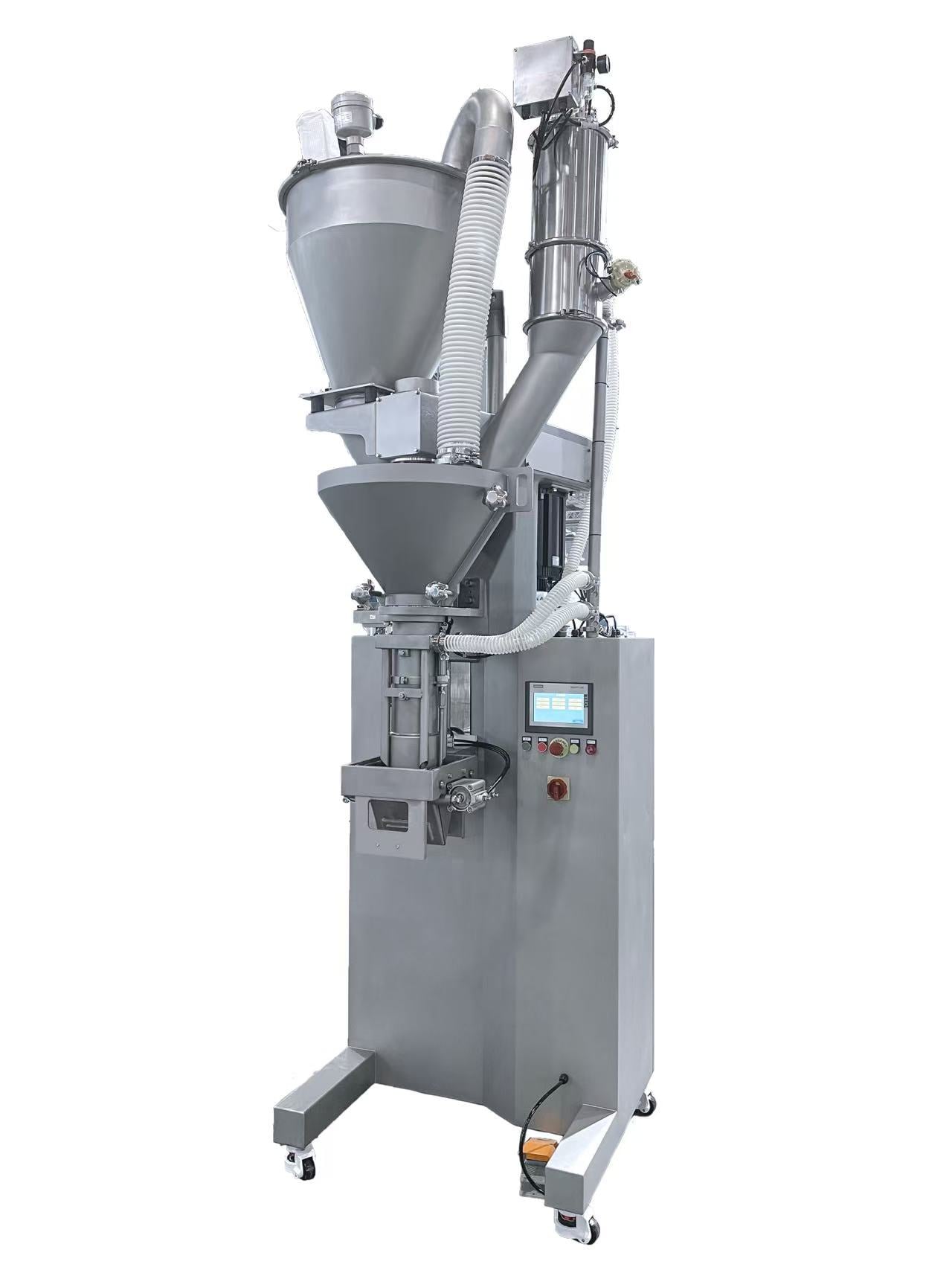
Finding reliable suppliers for weighing and filling machines is vital for ensuring long-term operational efficiency. Start by researching manufacturers with a proven track record in the industry. Look for companies that specialize in powder material handling equipment and have experience in your specific sector, such as food or pharmaceuticals.
Industry trade shows and exhibitions are excellent venues for meeting suppliers and seeing their machines in action. Additionally, online platforms and industry directories can provide valuable insights into potential suppliers. Consider reaching out to your professional network for recommendations, as firsthand experiences can guide you in selecting a trustworthy supplier.
When evaluating suppliers, inquire about their manufacturing capabilities, quality control processes, and certifications. A reputable supplier will be transparent about their production methods and able to provide documentation that demonstrates compliance with industry standards.
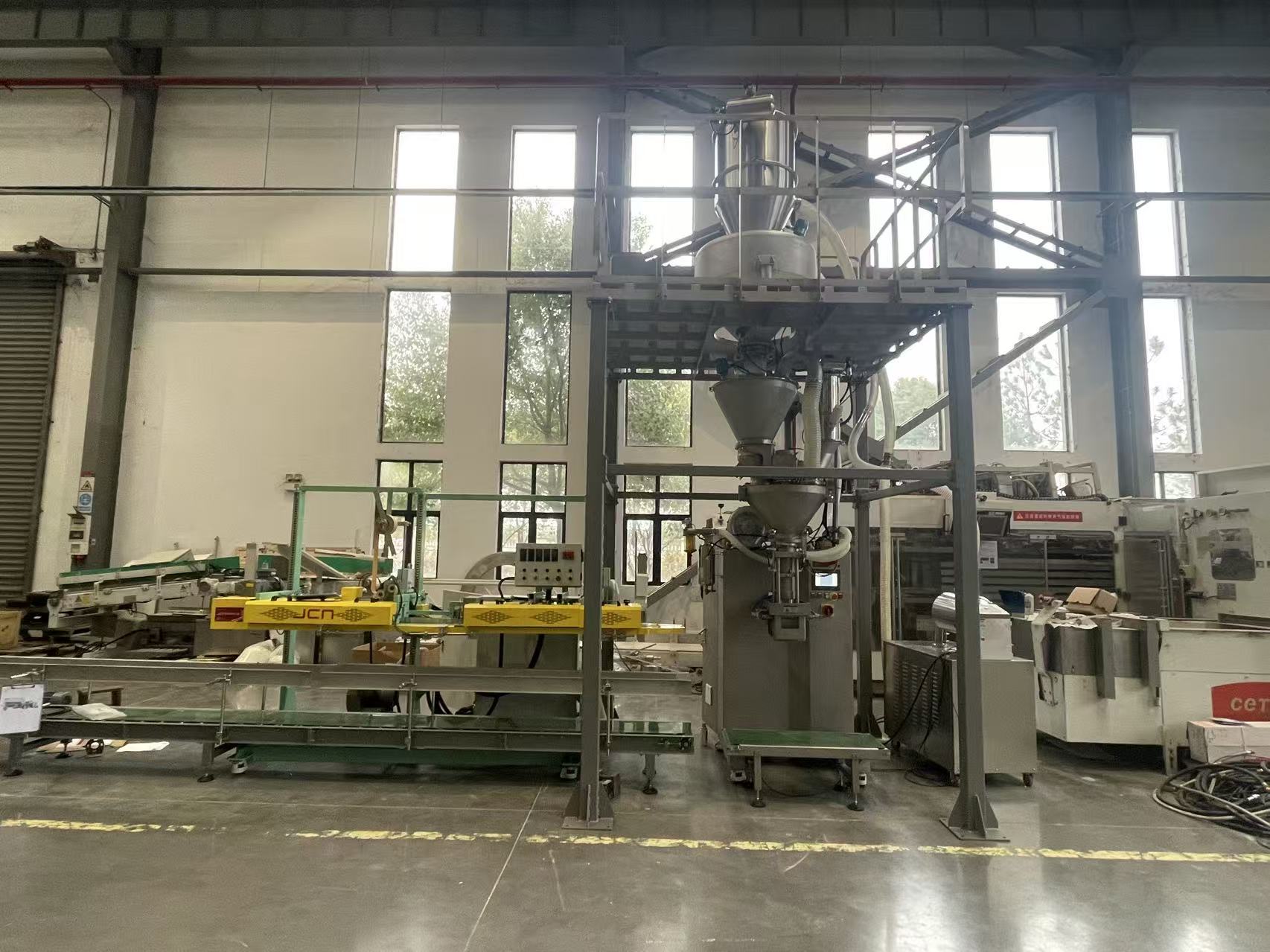
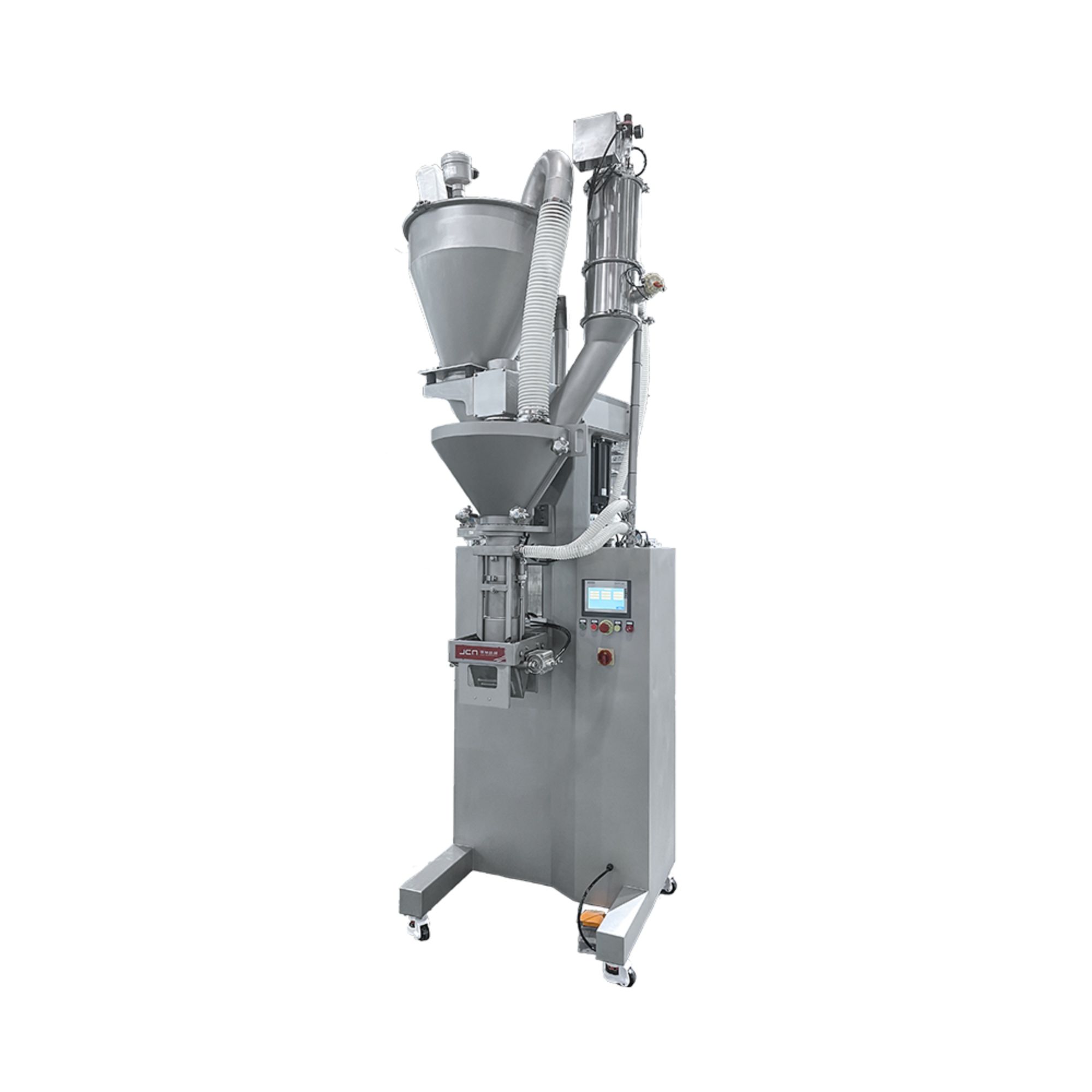
Weighing and filling machines come in various configurations to suit different business needs. For instance, volumetric filling machines are suitable for free-flowing powders, while gravimetric machines provide high accuracy for fine powders. Understanding the specific needs of your application can guide you in selecting the right machine.
Additionally, consider the production capacity required. If your business anticipates high volumes, look for machines designed for fast operation and minimal downtime. The machine's packaging capabilities are also essential—ensure it can handle the types of bags or containers you plan to use.
Customization capabilities are another important aspect. Many manufacturers offer machines that can be modified to accommodate unique product requirements, such as sensitivity to moisture or specific handling needs. This flexibility can enhance your operational efficiency and product quality.
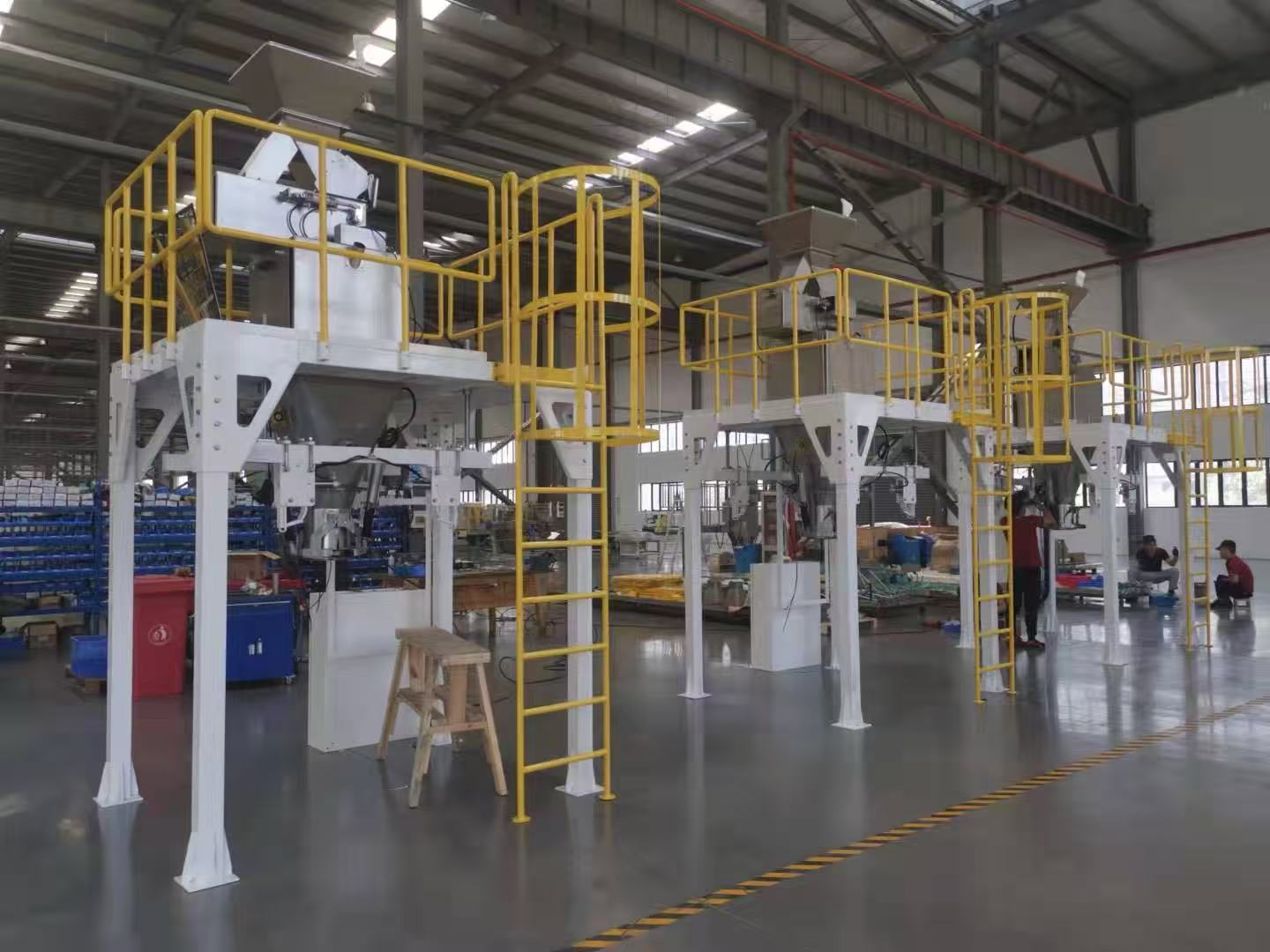
When evaluating the quality of weighing and filling machines, consider several key factors. First, assess the machine's construction quality. Durable materials and robust engineering are crucial for long-term performance and reliability. Look for machines that have been tested under real-world conditions to ensure they can handle your specific production environment.
Next, examine the machine's precision and accuracy. Conduct tests with sample products to verify that the machine consistently meets required specifications. This testing phase can reveal potential issues, such as underfilling or overfilling, which can affect your product quality and compliance with regulations.
Finally, review the manufacturer's quality control processes. A reputable manufacturer will have stringent protocols in place to ensure that each machine is thoroughly tested before delivery. Inquire about warranty options and post-purchase support, as these factors can significantly impact your overall satisfaction with the equipment.
"JCN focus R and D food packaging machinery. have taken on the most advanced technology packaging machinery from Vertical blenderand made improvements and innovation. We are available 24 hours a day, 7 days week for assistance, if you have any questions about machine operation simply get touch us."
JCN a manufacturing that occupies an area of 30,000 square metres Nantong city,Jiangsu province.And it has grown Vertical blenderone of the leading company which designs, engineer production distribution of high-tech powder material handling equipment.We constantly adhere to the notion of creating value our clients by establishing quick communication, active collaboration and constantly improving our methods of conduct.
JCN has been certified ISO 9001:2015 have been awarded a CE certificate several utility patent certificates.And all our products 100% made in our factory,assembled and then tested before being delivered. Customers can also examine items to make sure that they in compliance with their Bag sewing machine.
JCN a manufacturer of powder handling equipment and equipment. Our primary products bag dumped, sieving, mixing, industrial weighing, auto-bagging as well as robotic palletising systems. They have been Sealing and packing machinewidely in food, new materials as well pharmaceutical industries, earning excellent reputation.