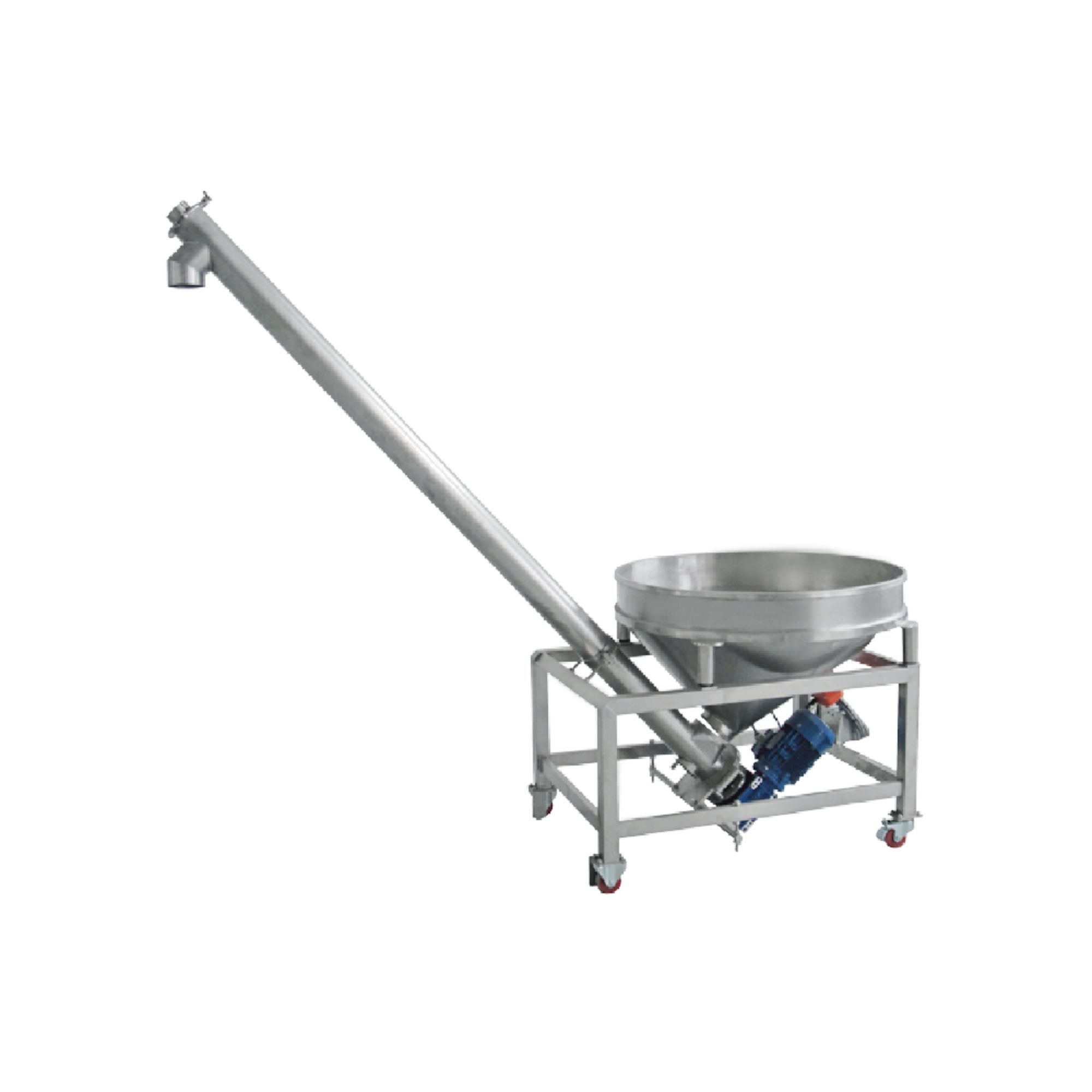
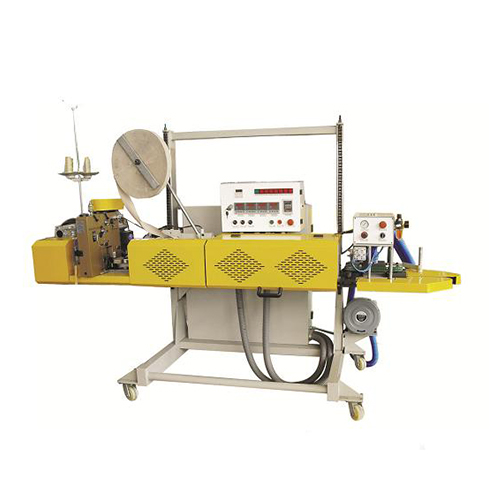
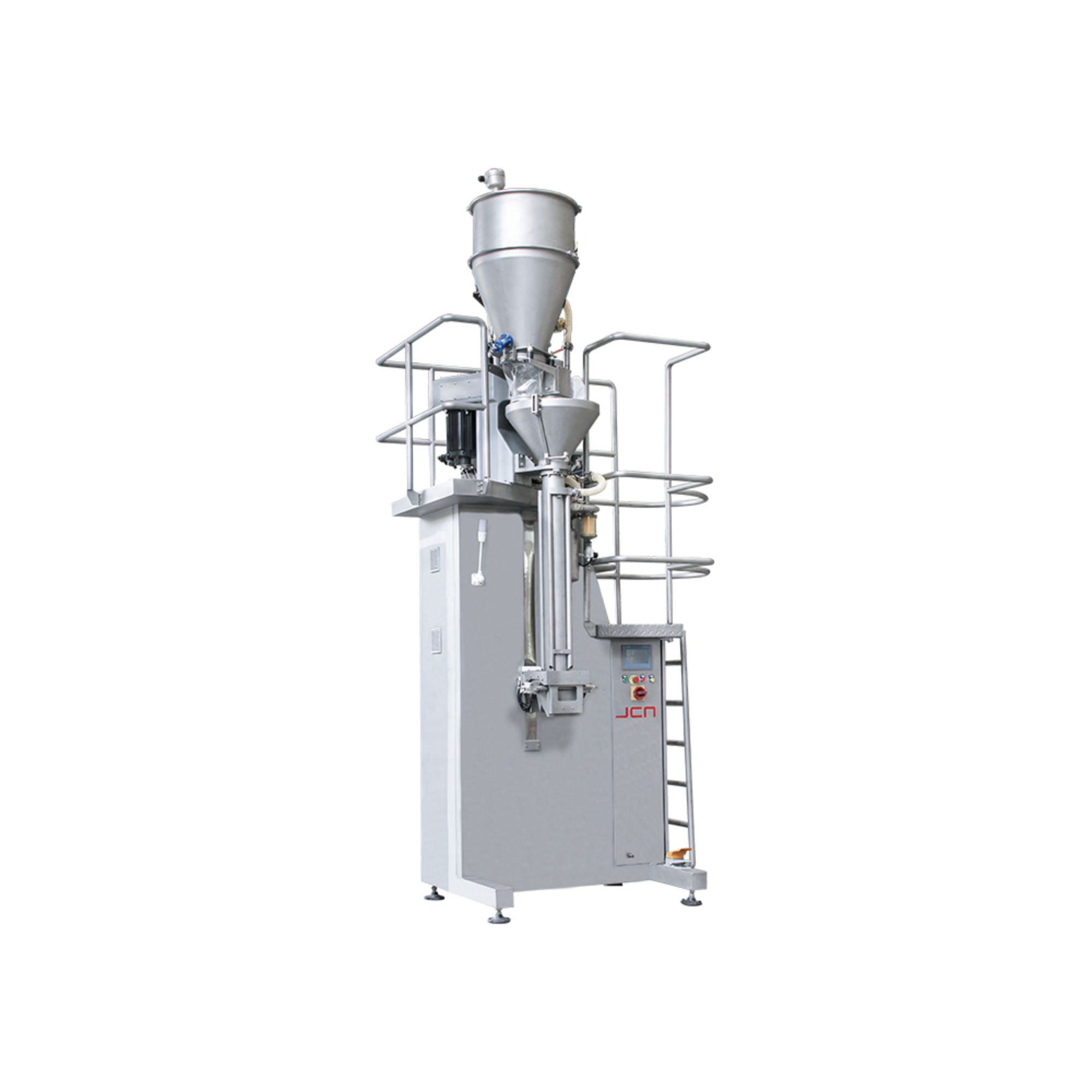
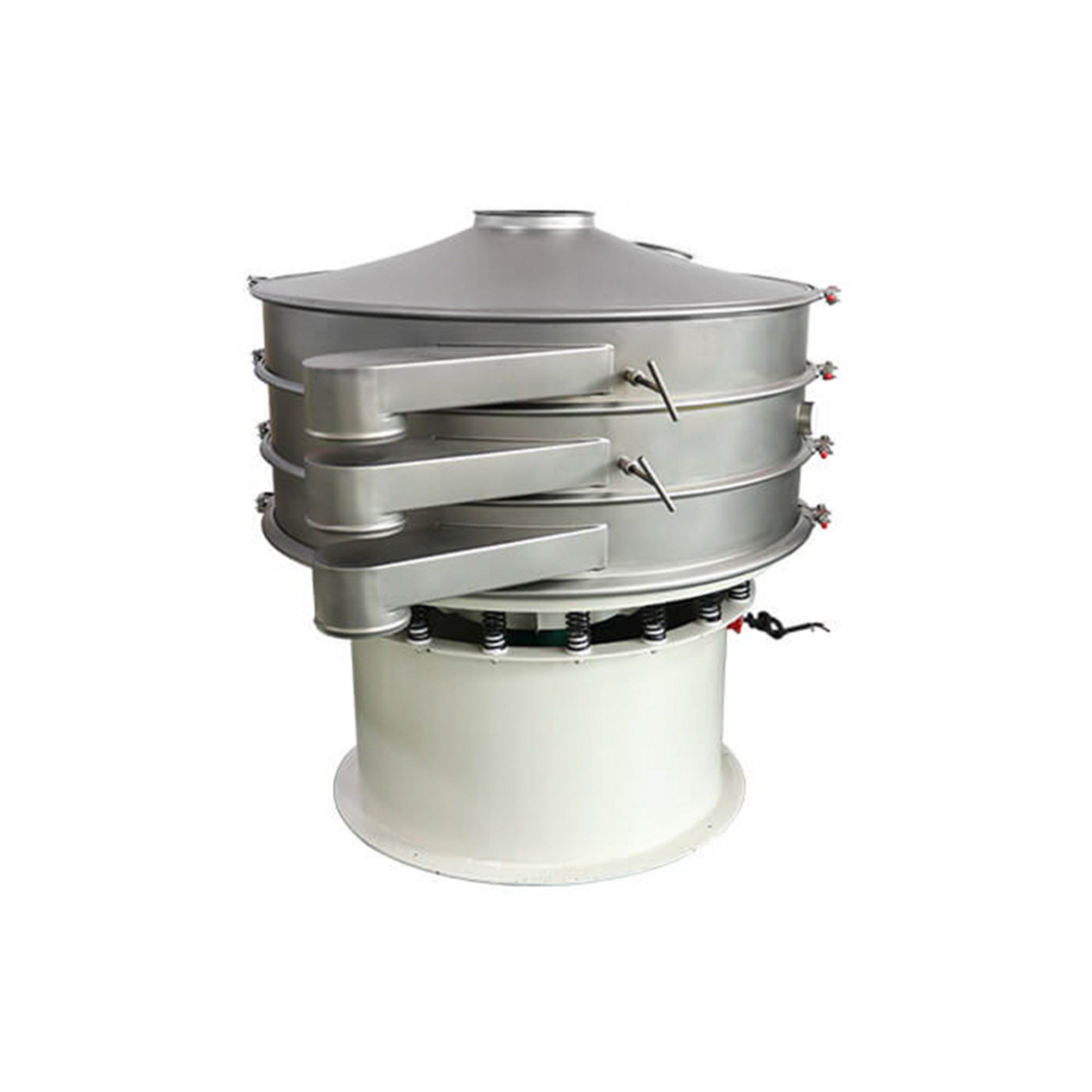
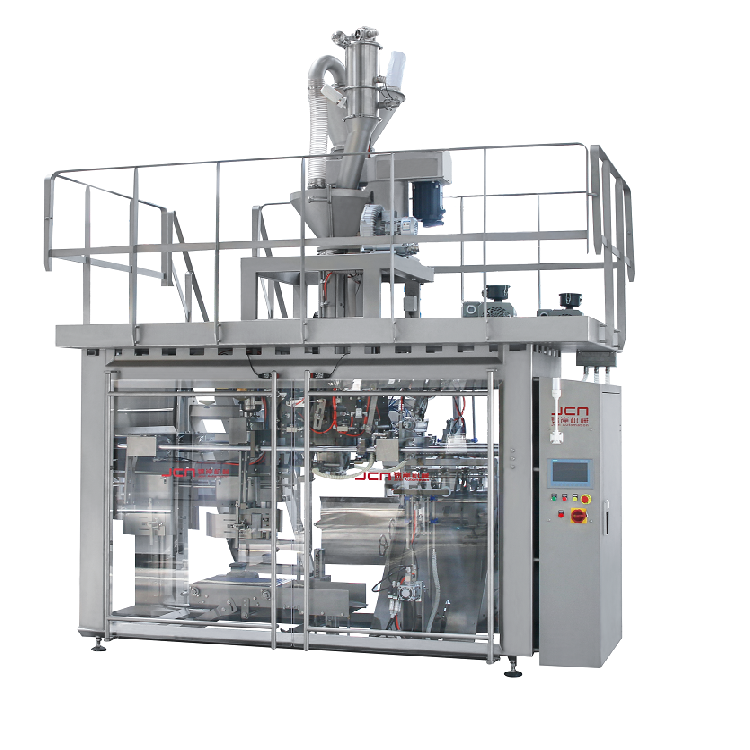
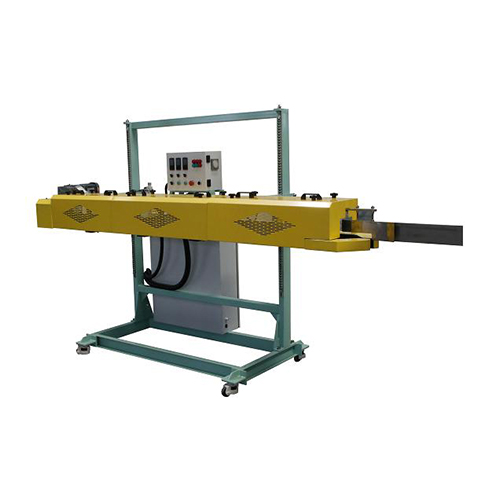
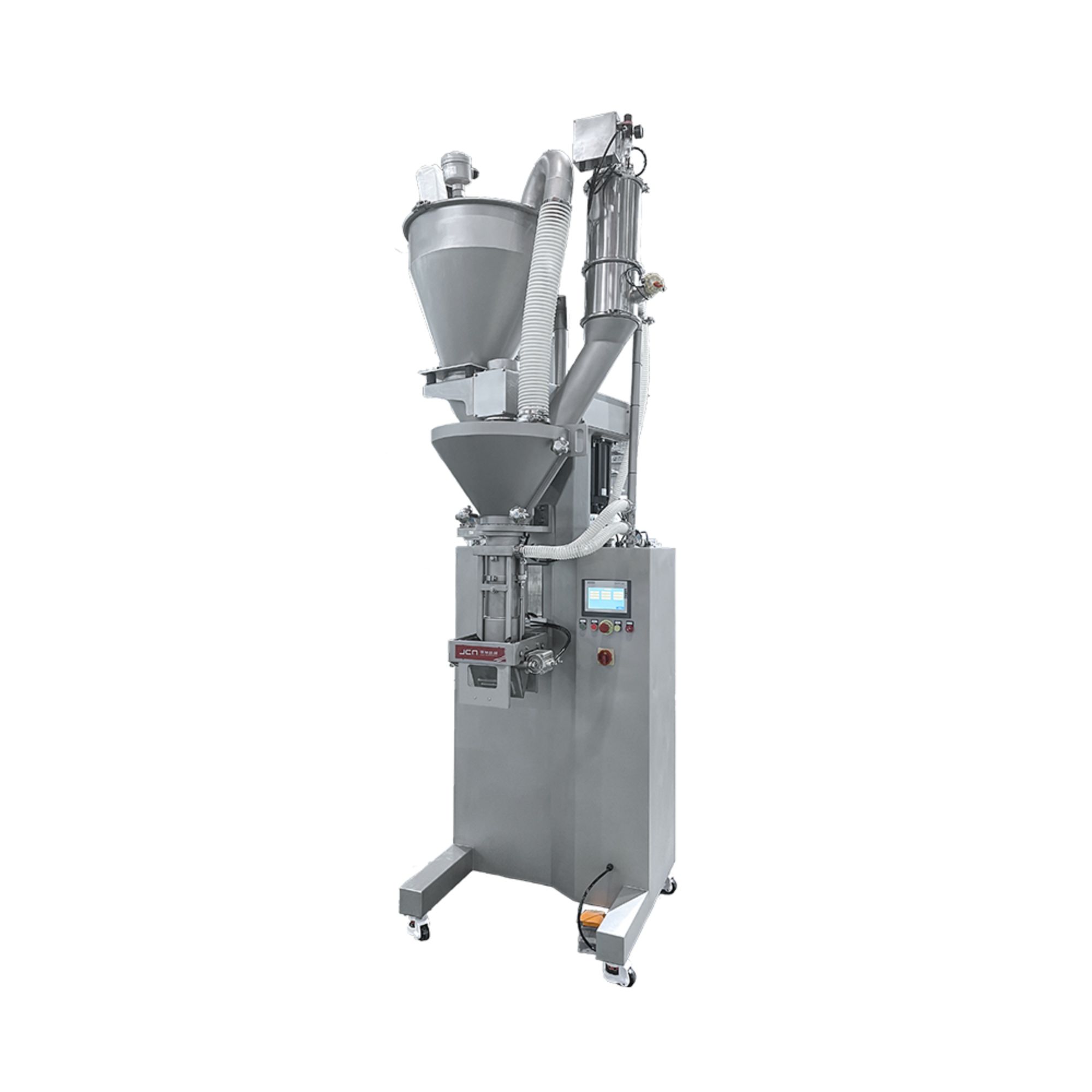
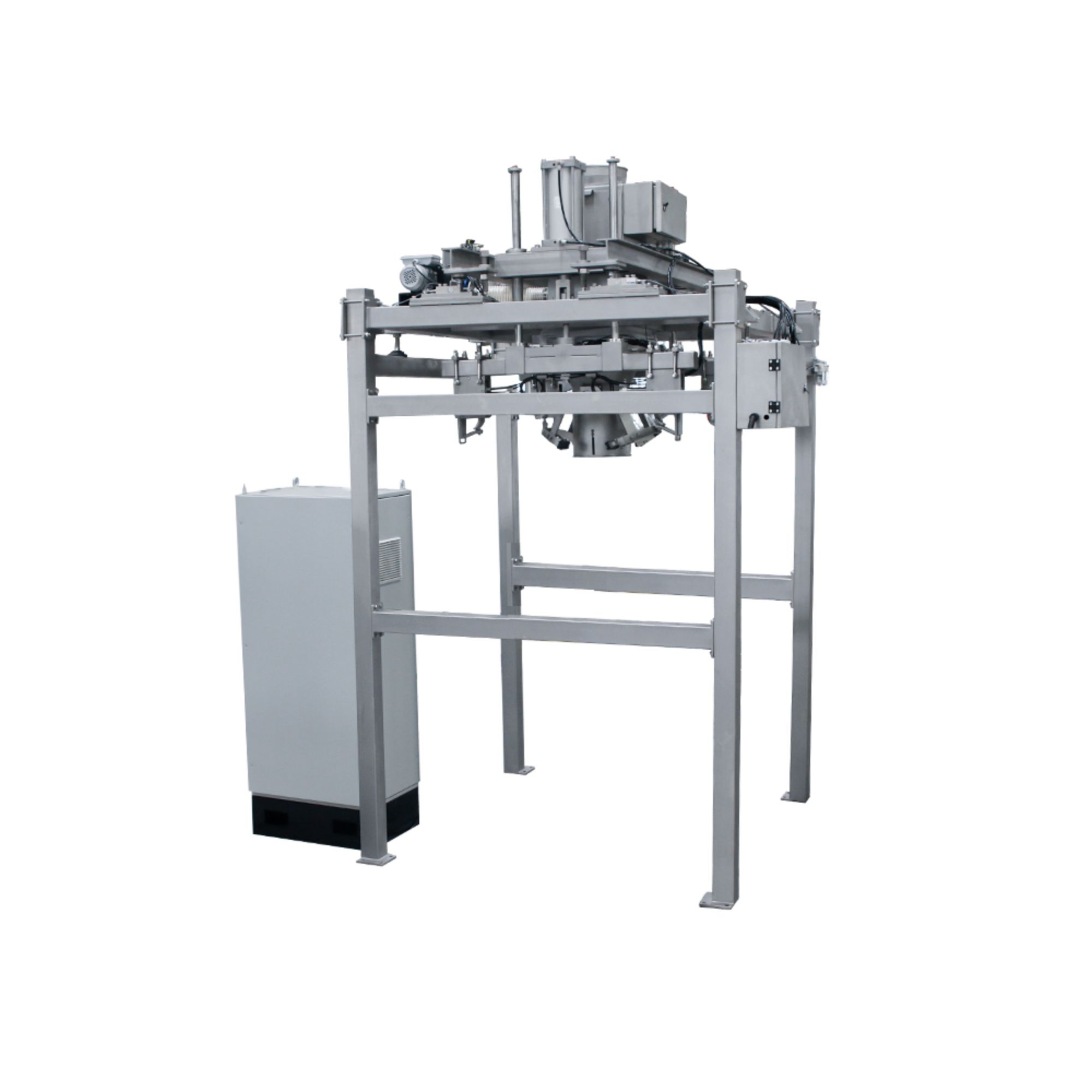
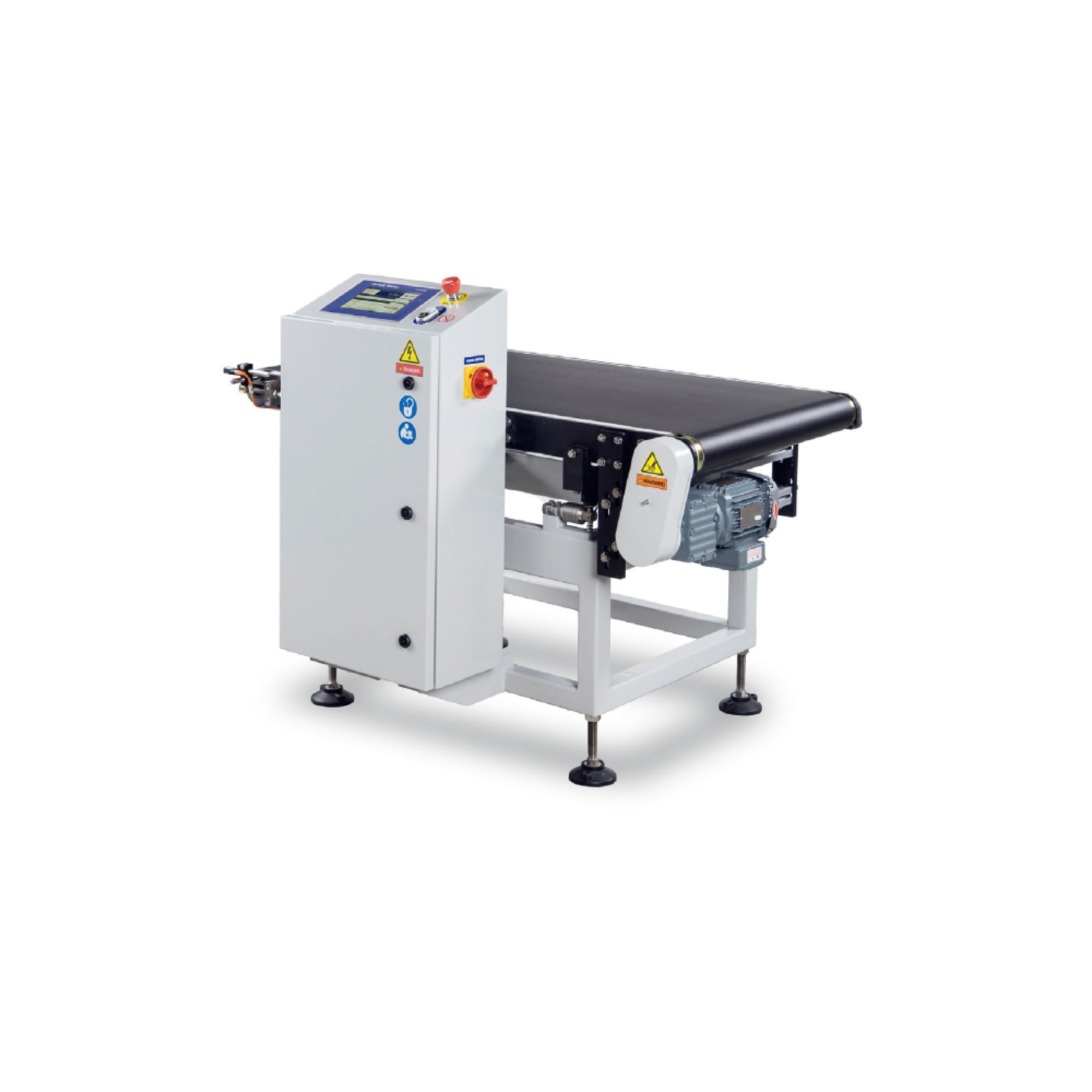
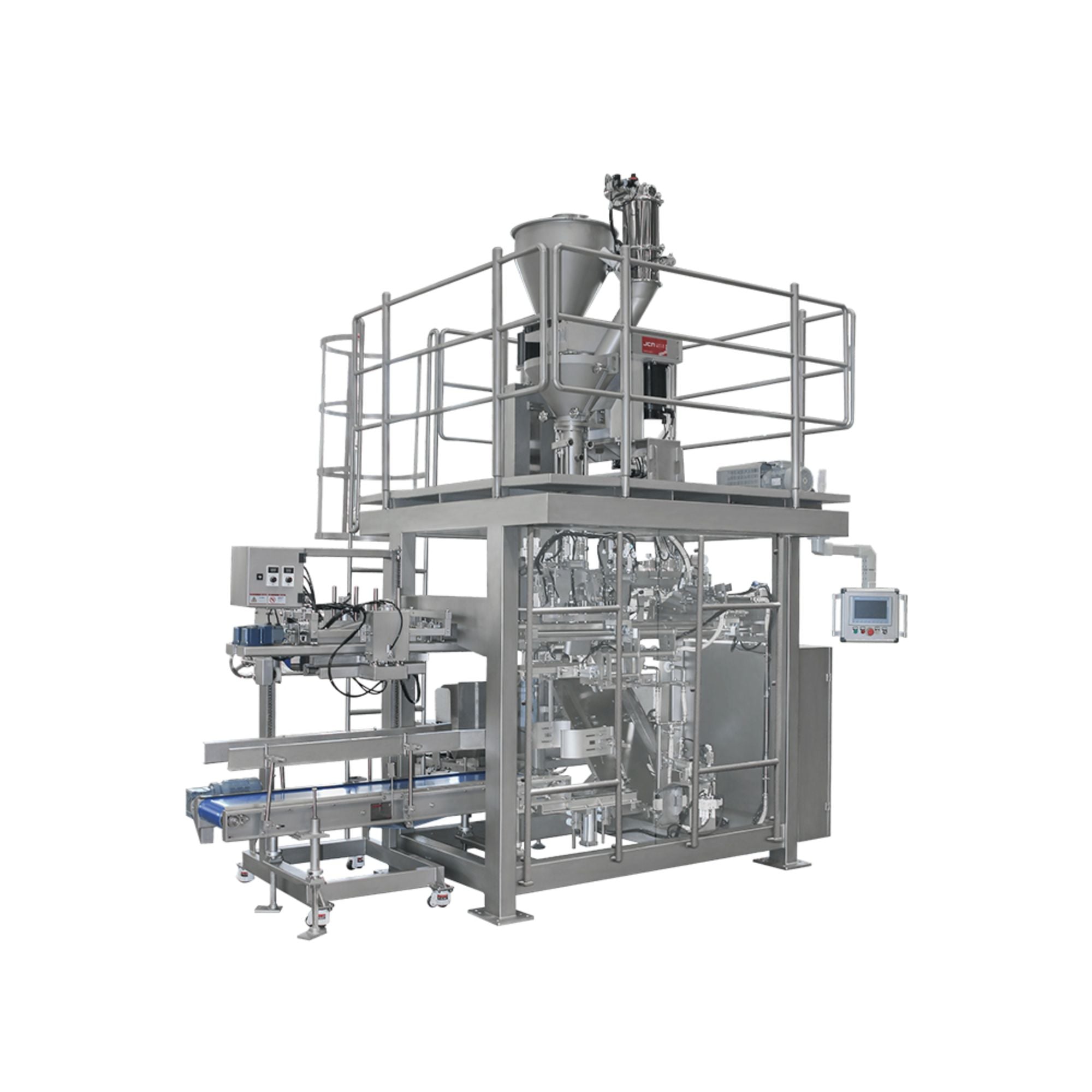
Automated packing machines are essential in various industries, including food, pharmaceuticals, and new materials, for streamlining the packaging process. These machines not only enhance efficiency but also improve accuracy and reduce labor costs. However, choosing the right automated packing machine can be challenging for purchasing managers and engineers due to the diverse technical specifications and application requirements. This article will help you understand how to select the ideal automated packing machine, key specifications to consider, cost factors, common issues, and what buyers should keep in mind during the purchasing process. For example, it is important to consider the integration of Auxiliary Equipment to optimize your packing line.
Selecting the right automated packing machine involves assessing your specific application requirements, the type of materials being handled, and the desired packaging speed. Start by evaluating the following factors:
Material Compatibility: Different machines handle various materials differently. For instance, powder handling systems may require specialized sealing mechanisms to prevent leakage, while liquid packaging machines may need precise filling capabilities to avoid spills.
Production Capacity: Determine your expected production volume. Automated packing machines are available in various configurations to accommodate different throughput requirements. Understanding your production needs will help you choose a machine that matches your operational demands.
Customization: Many manufacturing processes require tailored solutions. Consider whether the machine can be customized to fit unique specifications or integrate with existing production lines. Customization can include adjustments in size, speed, and material handling capabilities, such as those found in the Thermoforming Packing Machine.
Ease of Operation and Maintenance: Look for machines that are user-friendly and easy to maintain. A machine with intuitive controls minimizes training time for operators while regular maintenance checks can prevent unexpected downtime.
Regulatory Compliance: Ensure the selected machine meets industry standards relevant to your sector, such as food safety regulations or pharmaceutical compliance. This can include material certifications or specific design features.
By carefully considering these factors, you can select an automated packing machine that aligns with your operational goals and enhances productivity.
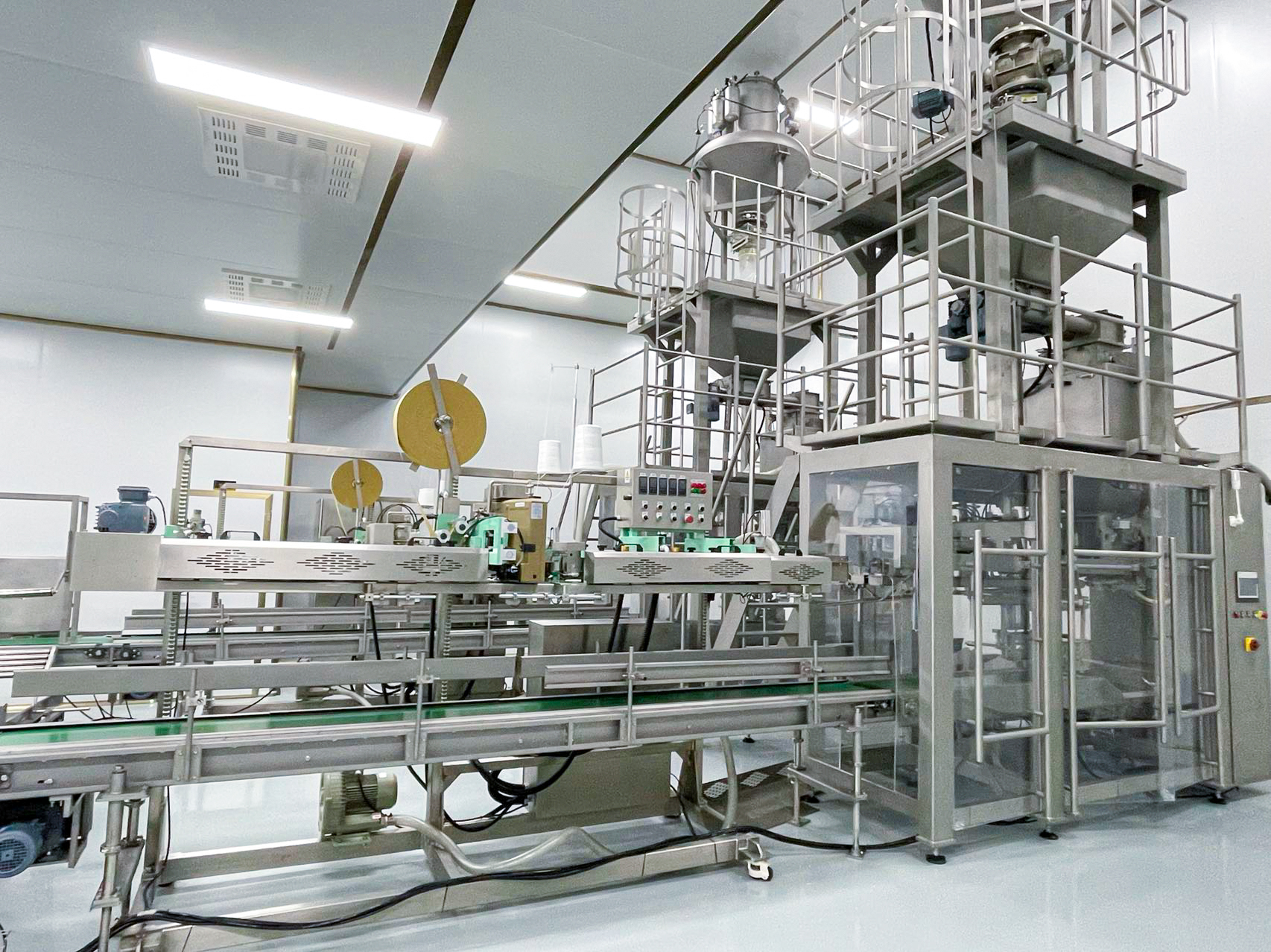
Understanding the technical specifications of automated packing machines is crucial for making an informed purchase. Here are some key specifications to consider:
Filling Accuracy: The precision of filling is vital in applications like pharmaceuticals and food where dosage accuracy is crucial. Look for machines with specifications detailing their tolerances and capabilities.
Sealing Mechanism: Different packing machines utilize various sealing technologies, such as heat sealing or cold sealing. The choice affects the package integrity and shelf life of the product. Ensure the sealing method aligns with your product requirements.
Speed: Evaluate the machine's packaging speed, typically measured in packages per minute. This should correspond to your production needs and should be scalable if future growth is anticipated.
Size and Dimensions: Ensure the machine's dimensions fit within your facility and that it can accommodate the sizes of the packaging materials you plan to use. This is particularly important for larger production facilities with space constraints.
Control System: Assess the sophistication of the machine's control system. Advanced systems often include features like programmable settings, diagnostics, and real-time monitoring, which can significantly enhance operational efficiency.
By understanding these specifications, you can make a more informed decision that aligns with your operational needs.
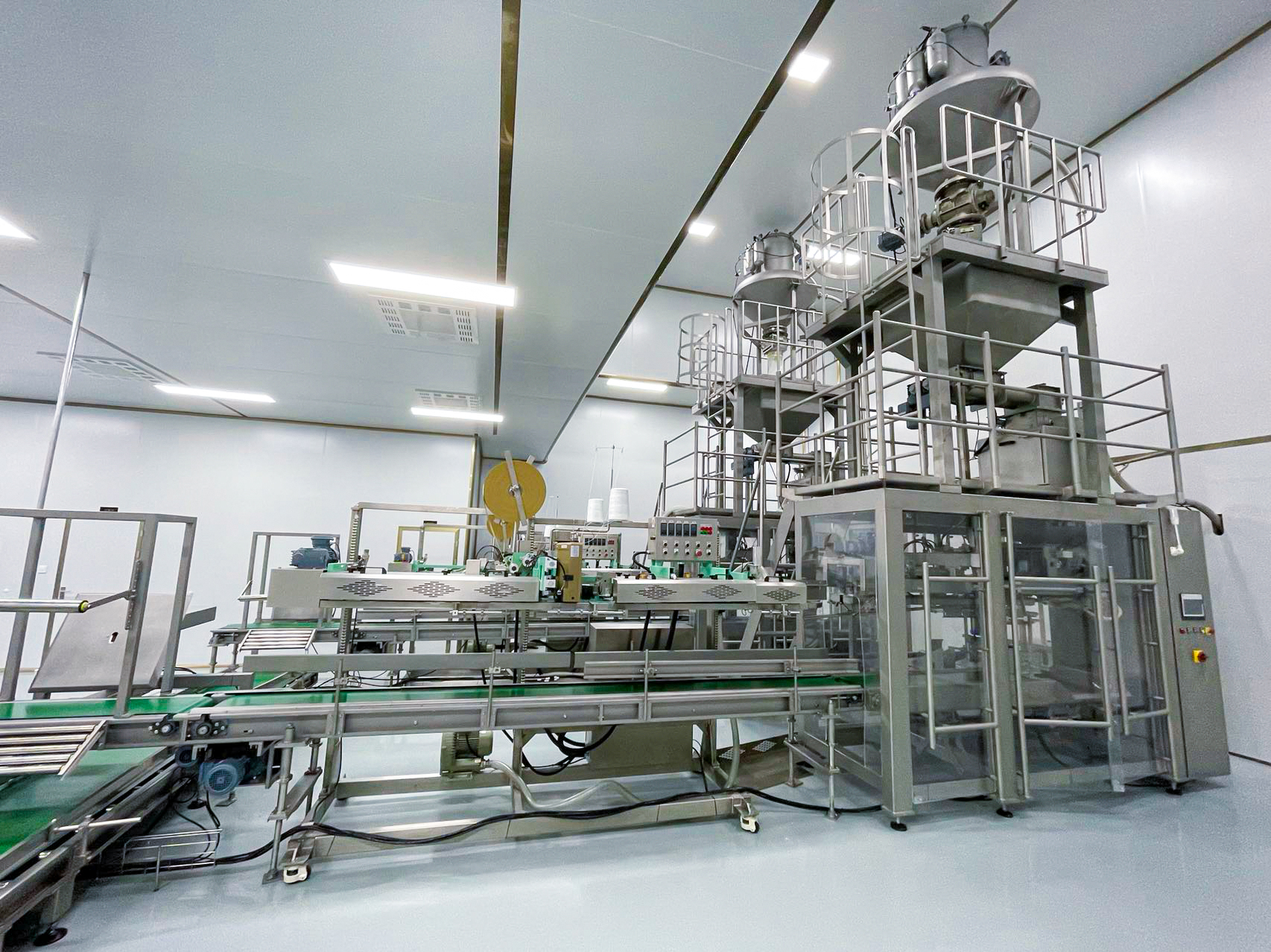
When sourcing automated packing machines, especially in bulk, several cost factors should be considered to ensure you are making a financially sound investment:
Initial Purchase Price: While the upfront cost is a significant factor, it should not be the only consideration. Evaluate the total cost of ownership, which includes maintenance and operational expenses.
Customization Costs: If your production requires customized machines, be prepared for additional costs. Customization can range from minor adjustments to major modifications, affecting the overall budget.
Volume Discounts: Manufacturers often offer discounts for bulk purchases. Inquire about pricing structures for larger orders, as this could lead to significant savings.
Shipping and Installation: Consider logistics expenses, including shipping costs and installation fees. Ensure these are factored into your total budget, as they can vary significantly based on the machine's size and complexity.
Ongoing Maintenance and Parts: Factor in the cost of periodic maintenance and spare parts. A machine with a robust support system may have higher initial costs but can yield savings in the long run through lower maintenance needs.
Understanding these cost factors can aid in budgeting for your automated packing machine purchases effectively.
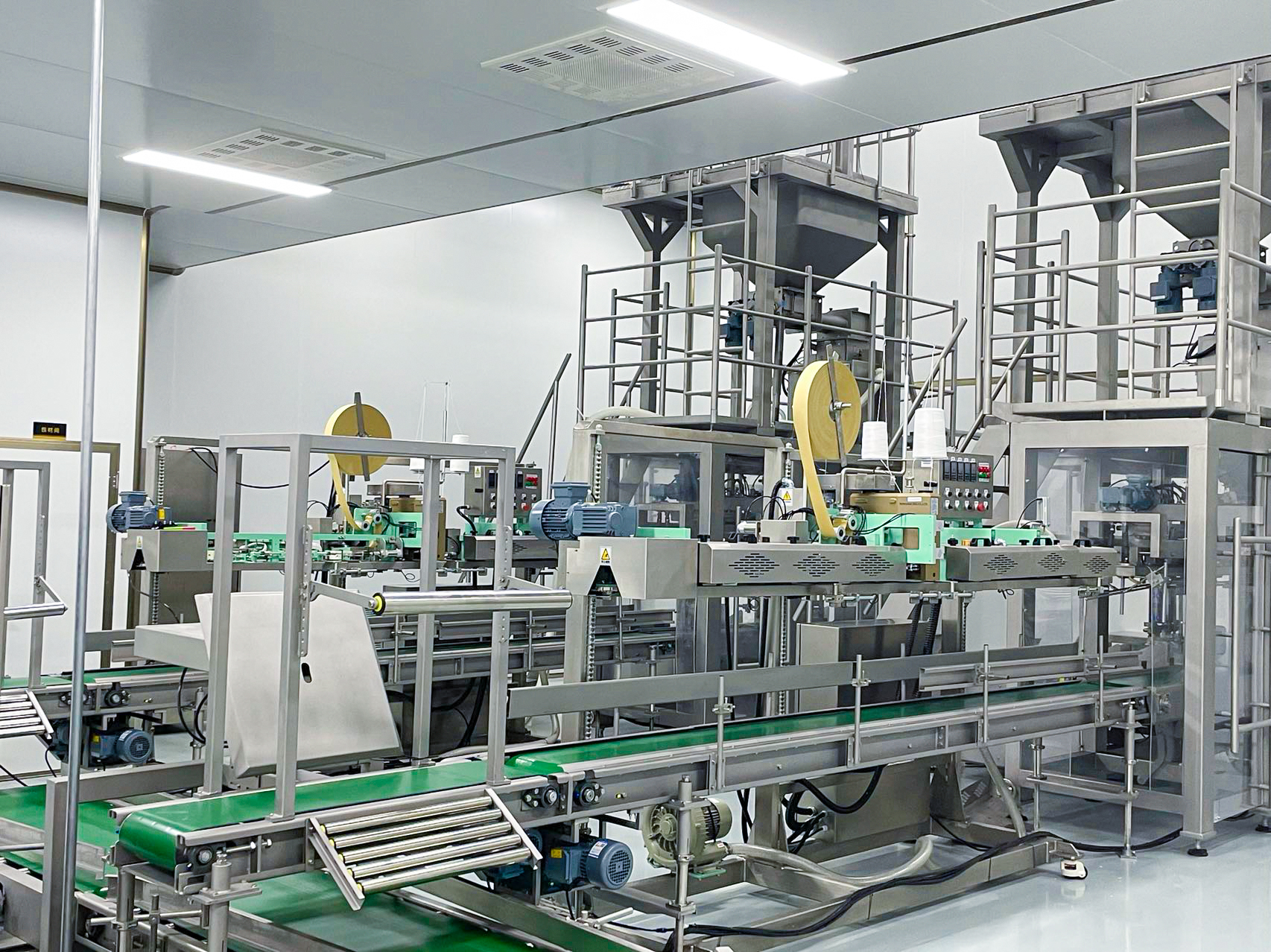
While automated packing machines enhance efficiency, they can encounter several common issues. Recognizing these problems and their solutions can help maintain operational efficiency:
Jam Issues: Material jams are common, particularly with powders or granulated materials. To mitigate this, ensure that the machine is properly calibrated and that the materials are free from clumps or moisture. Regular maintenance checks can help identify wear that might lead to jams.
Incorrect Seals: If seals are not formed correctly, it can lead to product spoilage or damage. Regularly inspect sealing mechanisms and adjust settings as necessary. Implementing quality control checks can help catch issues before they affect production.
Calibration Errors: Inaccurate filling can result from calibration errors. Ensure that operators are trained in recalibrating machines and that routine checks are scheduled to maintain accuracy.
Wear and Tear: Over time, components can wear down, resulting in reduced efficiency. Establish a regular maintenance schedule that includes inspections and part replacements to prevent unexpected breakdowns.
By being proactive and addressing these common issues, you can minimize downtime and maintain a smooth packaging operation.
JCN business a manufacturer of equipment for handling powder and technology.Our most popular products currently mixing, bag dumping, siving, industrial weighers, automatic bagging robotic palletising system which widely used in the food, new material as well as pharmaceutical industry, have earned an enviable reputation.We are a company deicated to providing professional solutions to our customers by gaining an a thorough understanding of their Packing automatic machine.
"JCN focused on R and D of food packaging equipment. have taken advanced packaging machinery technology from overseas as well as made improvements advancements. We offer 24 hour online assistance, you have any questions about machine operation simply get Bag sewing machineus."
JCN a manufacturing plant that covers more than 3000 square metres located Nantong, Jiangsu Province. JCN has grown to become one the largest companies that designs engineering, engineers, manufactures Powder filling machinestate-the-art powder handling equipment.
JCN has been certified ISO 9001:2015 obtain CE certification as well as many utility patent certificates.And all our products are made entirely by our factory. They assembled and tested it before delivery. Customers also welcome to come for inspection to make sure that they in line with your Powder packing machine.