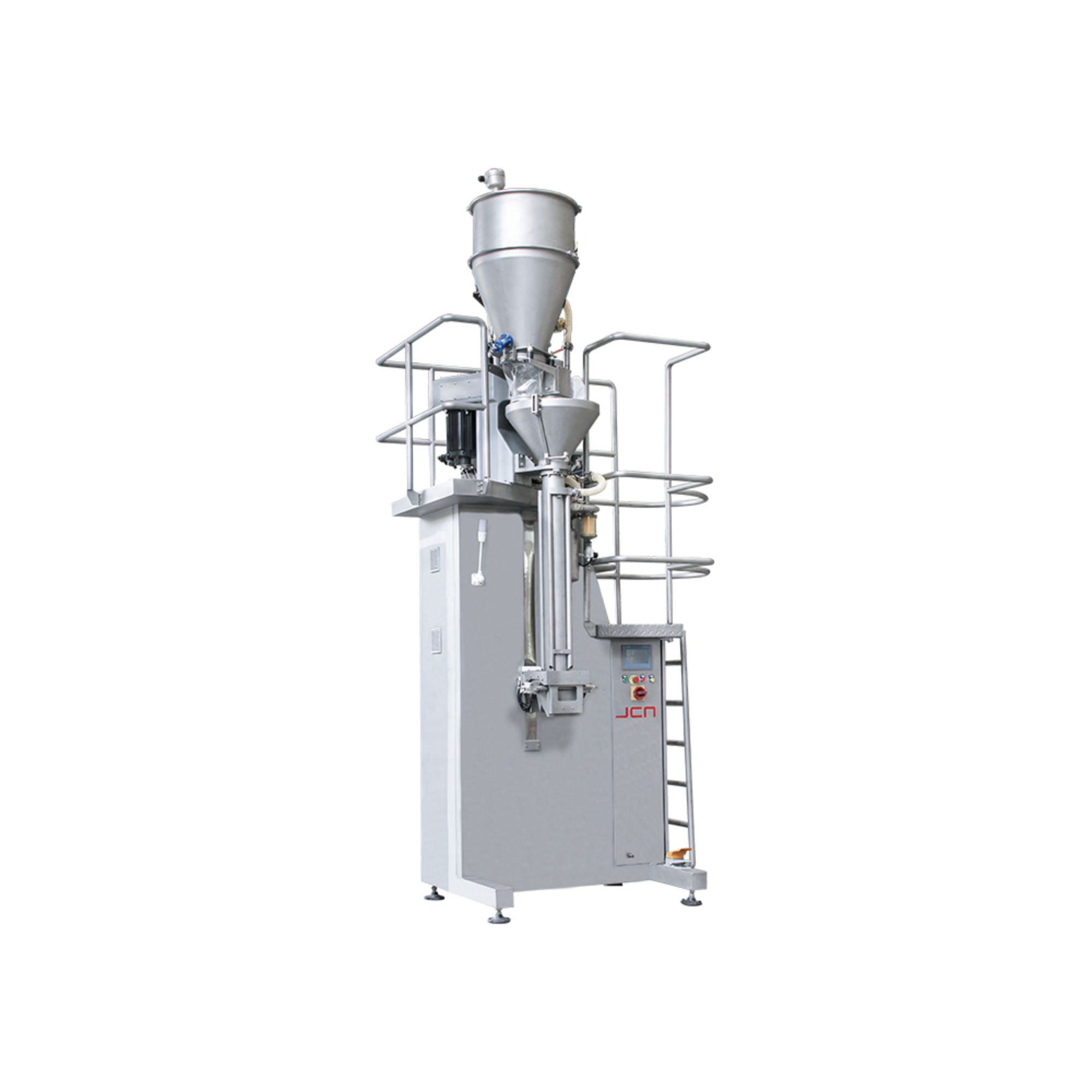
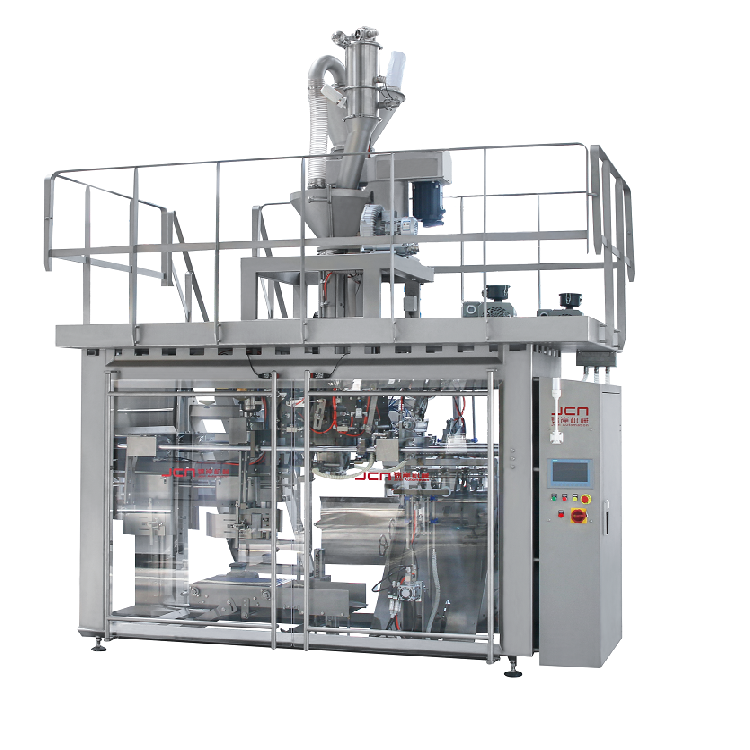
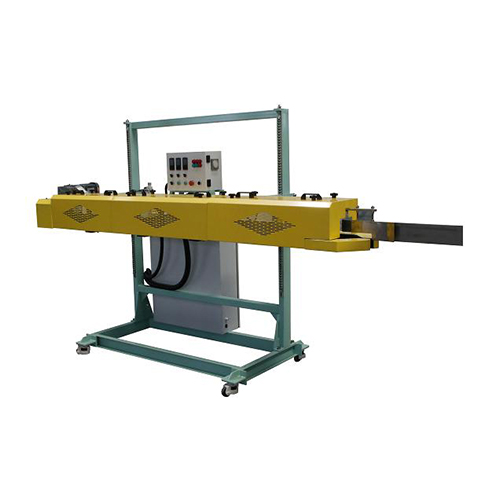
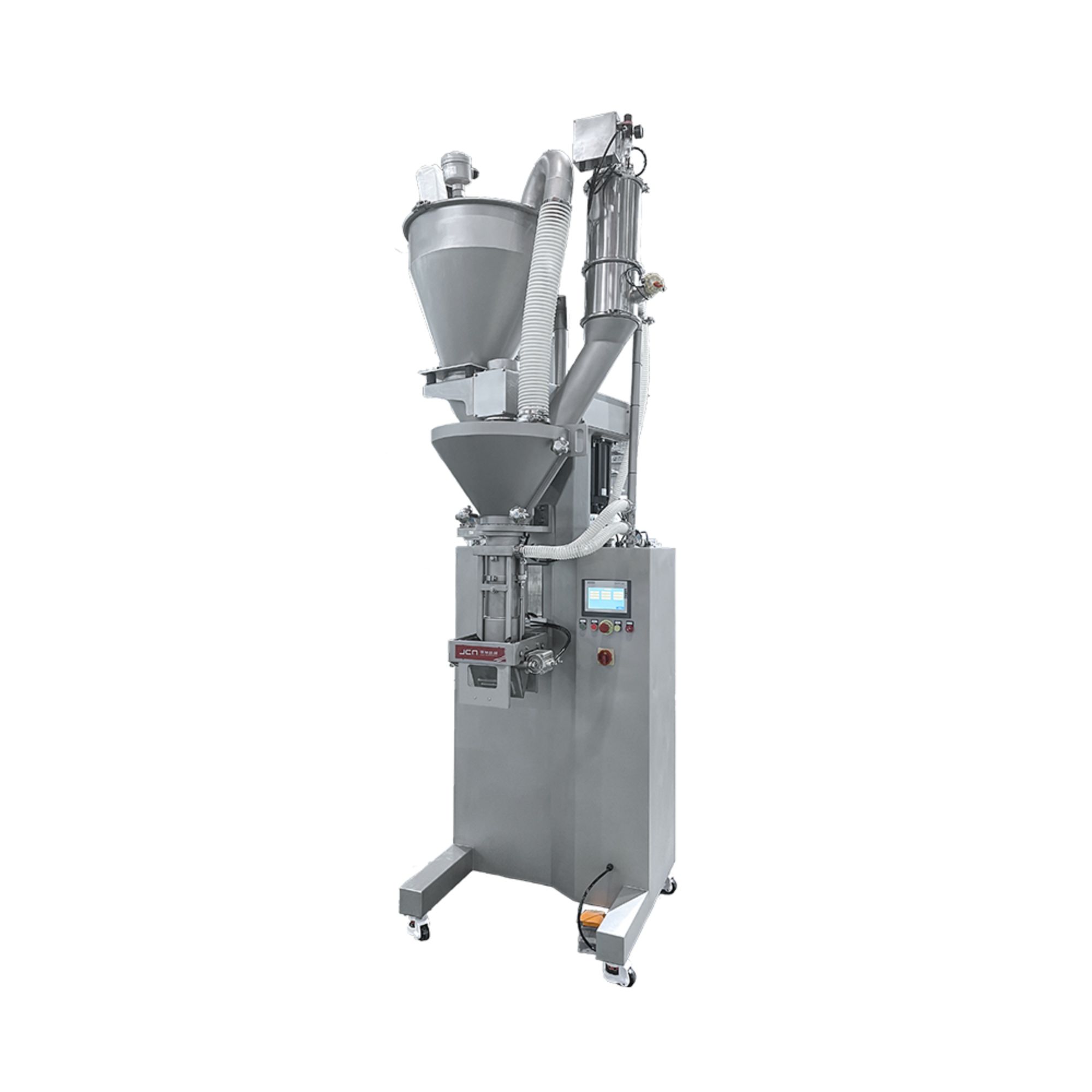
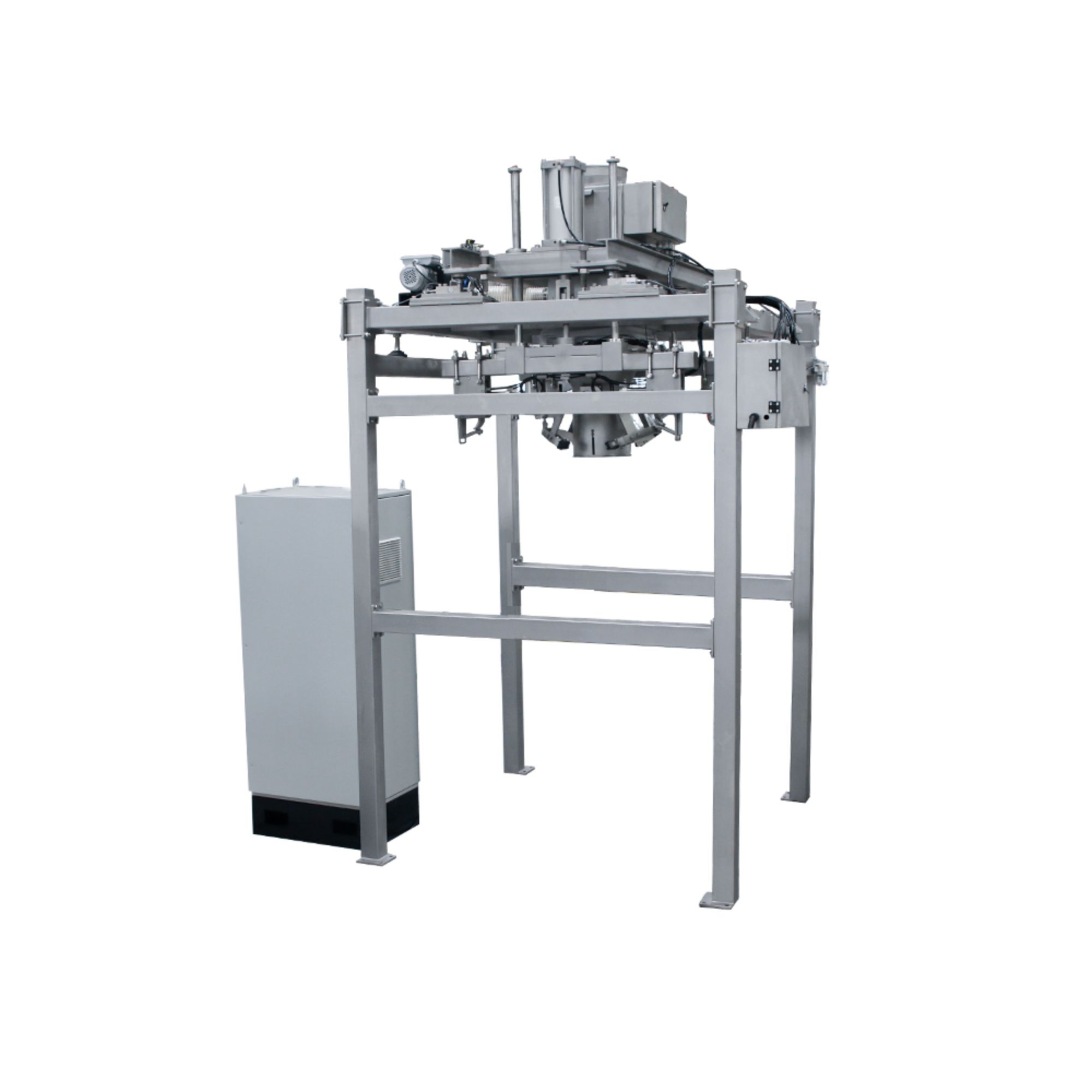
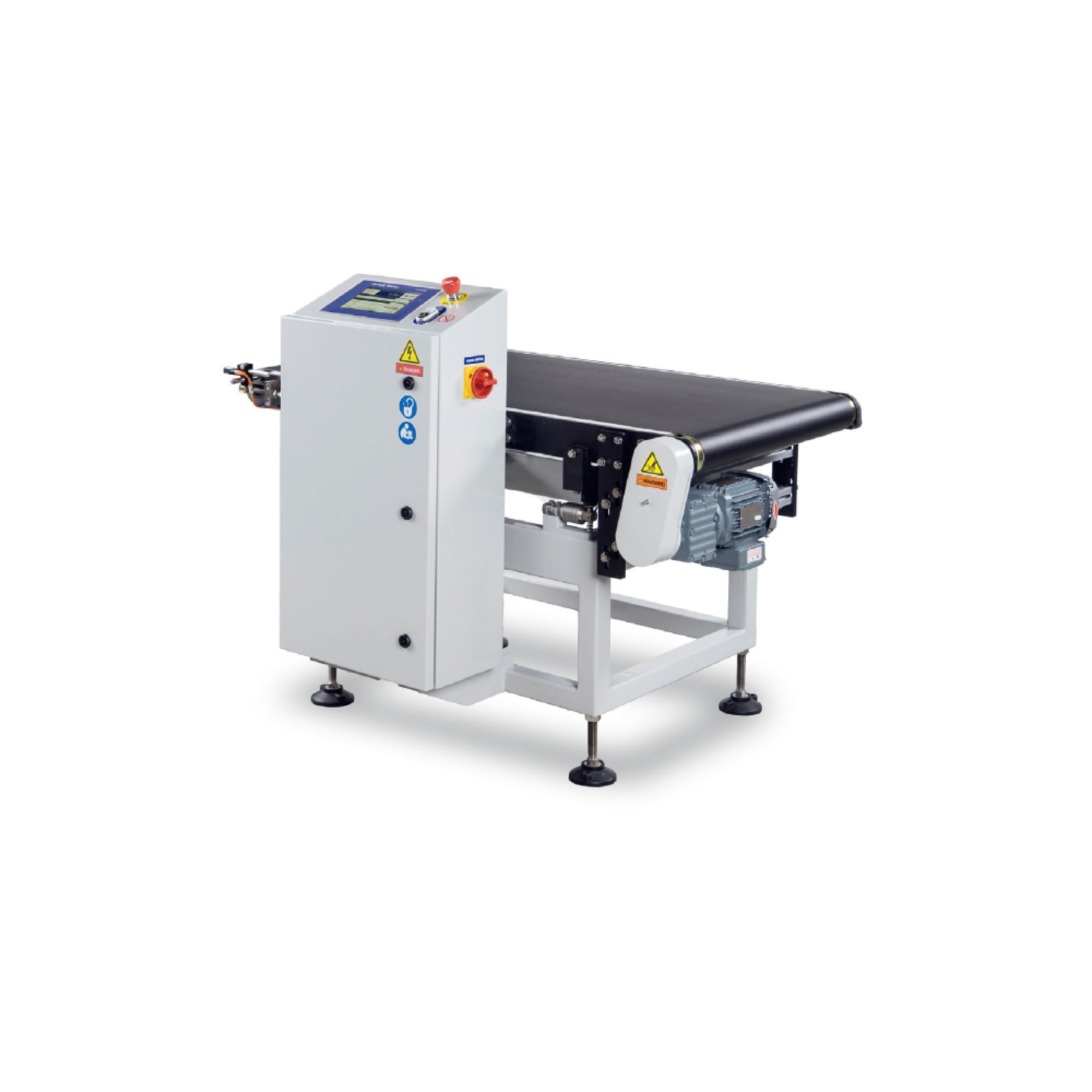
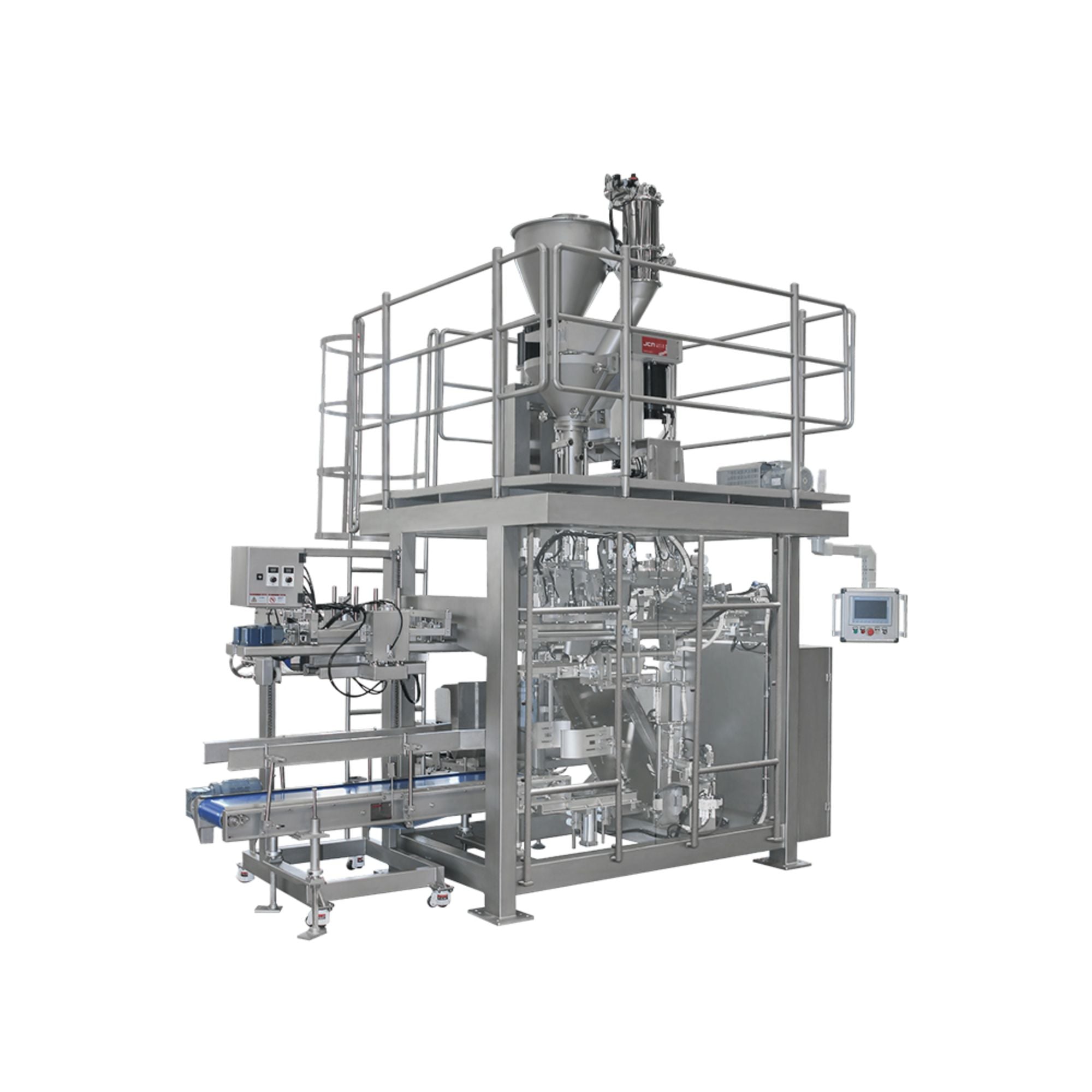
A granule filling machine is essential equipment used across various industries to automate the packaging of granular materials into bags, containers, or bulk packaging. For B2B buyers, selecting the right granule filling machine supplier is crucial to ensure quality, efficiency, and cost-effectiveness. This article will address key considerations for choosing a supplier, important specifications to look for, installation guidance, industry applications, and the benefits of wholesale purchasing for granule filling machines. If you are also interested in related machinery, you might want to check out our Auxiliary Equipment section for more options.
When evaluating suppliers for granule filling machines, consider several factors that impact the overall purchasing experience. Start by assessing their manufacturing capabilities, including the types of machines they produce and their ability to customize solutions based on specific requirements. Look for suppliers with experience in your industry, as they will better understand the unique challenges and specifications that apply. Additionally, check for quality control processes in place. A reliable supplier should have certifications or quality management systems that ensure their machines meet industry standards. Communication is also vital; a supplier that is responsive and transparent about lead times, pricing, and technical specifications will facilitate a smoother purchasing process. Finally, consider their after-sales support, including installation, maintenance, and availability of spare parts. If automation is key for your operations, you might consider our Robotic Palletising System for enhanced efficiency.
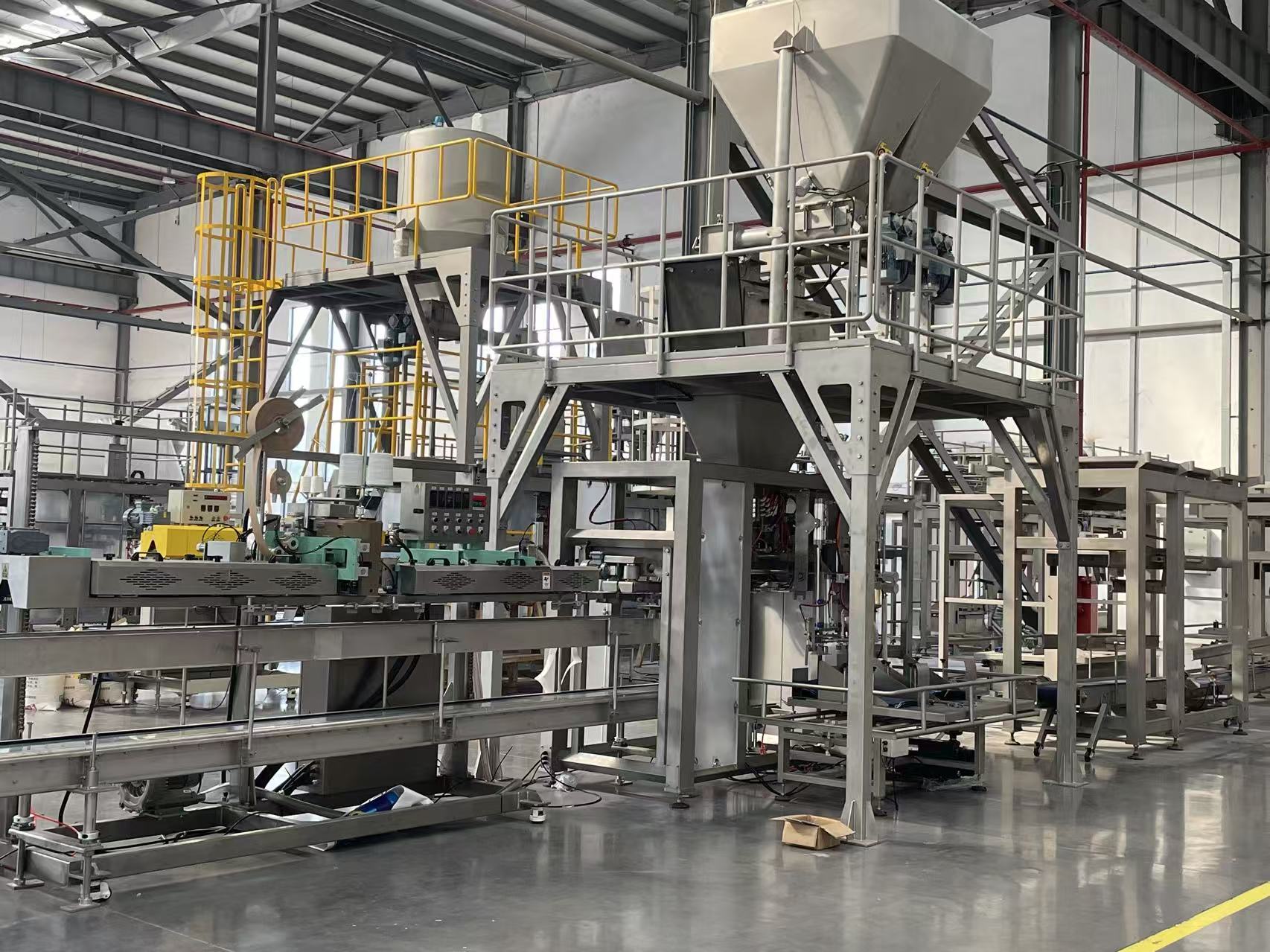
Several key specifications should be taken into account when selecting a granule filling machine:
Filling Capacity: This refers to the machine's ability to fill bags or containers within a specific time frame. It is essential to match the capacity with your production requirements to avoid bottlenecks.
Accuracy and Precision: The accuracy of the filling process is critical, especially in industries like pharmaceuticals and food, where precise measurement is vital. Look for machines with advanced weighing systems that ensure consistent filling.
Material Compatibility: The materials used in the construction of the granule filling machine should be suitable for the products being filled. For example, if you're filling food-grade materials, ensure the machine is made from food-safe stainless steel.
Automation Level: Depending on your production demands, you may need a fully automated or semi-automated machine. Fully automated machines can increase efficiency but may require a larger upfront investment.
Customization Options: Check if the supplier offers customization capabilities to tailor the machine to your specific needs, such as different filling volumes or specialized features for unique granular materials. Additionally, if you require packaging solutions, explore our Traysealing Packaging Machine for versatile options.
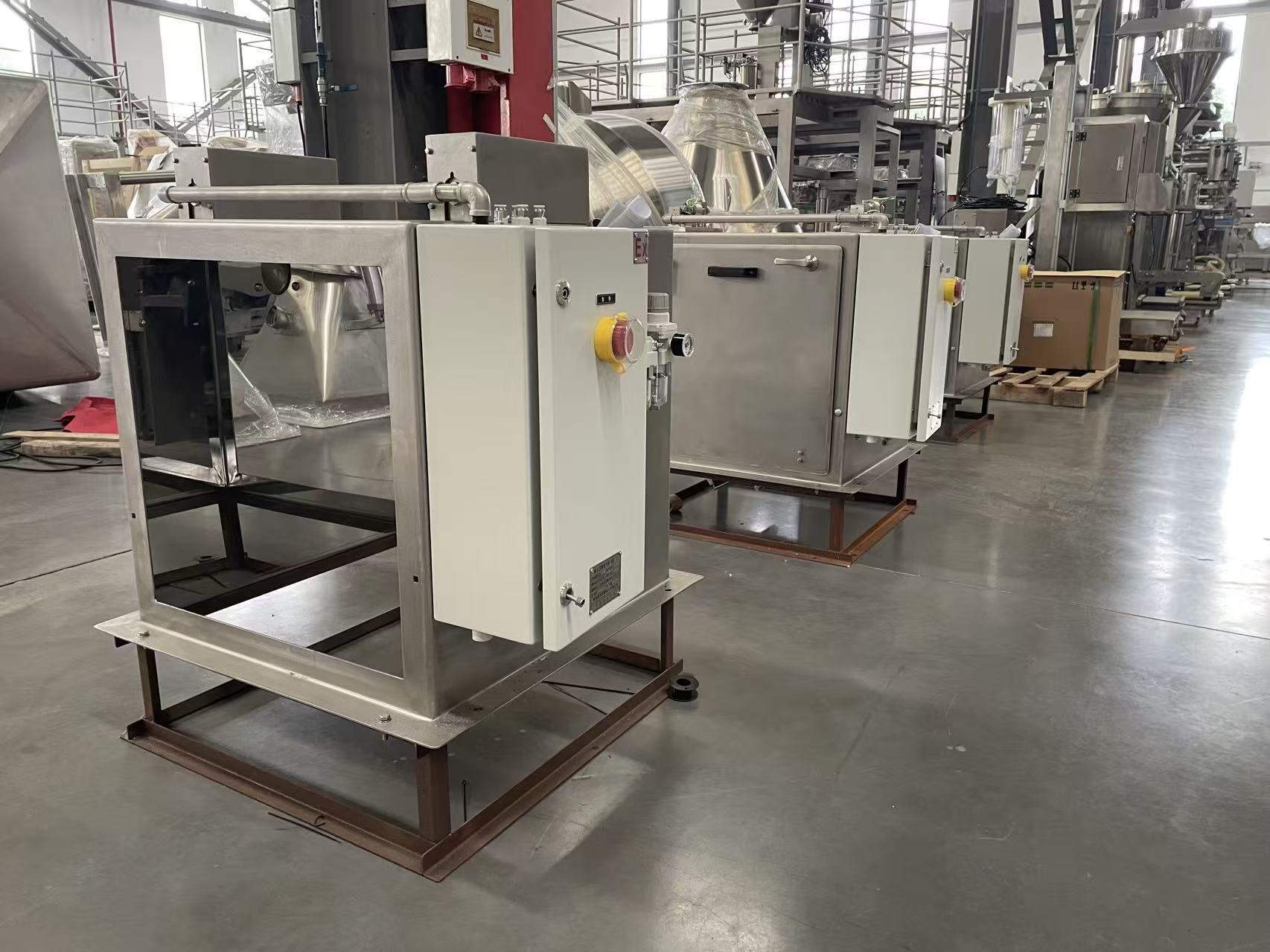
Proper installation of a granule filling machine is crucial for optimal performance. Before installation, ensure that the site meets specific requirements, such as adequate space, electrical connections, and environmental conditions suitable for the machine operation.
The installation process typically involves the following steps:
Site Preparation: Clear the installation area and ensure that all electrical and plumbing requirements are fulfilled according to the machine specifications.
Assembly: Follow the manufacturer’s assembly instructions carefully. This may involve connecting various components and ensuring all safety features are in place.
Calibration and Testing: After assembly, the machine should be calibrated to ensure it is working correctly. Conduct tests with the actual granule material to confirm filling accuracy and efficiency.
Training: Provide training for your operators on how to use and maintain the machine. This will minimize downtime and ensure longevity.
Documentation: Keep all installation documentation and manuals available for future reference.
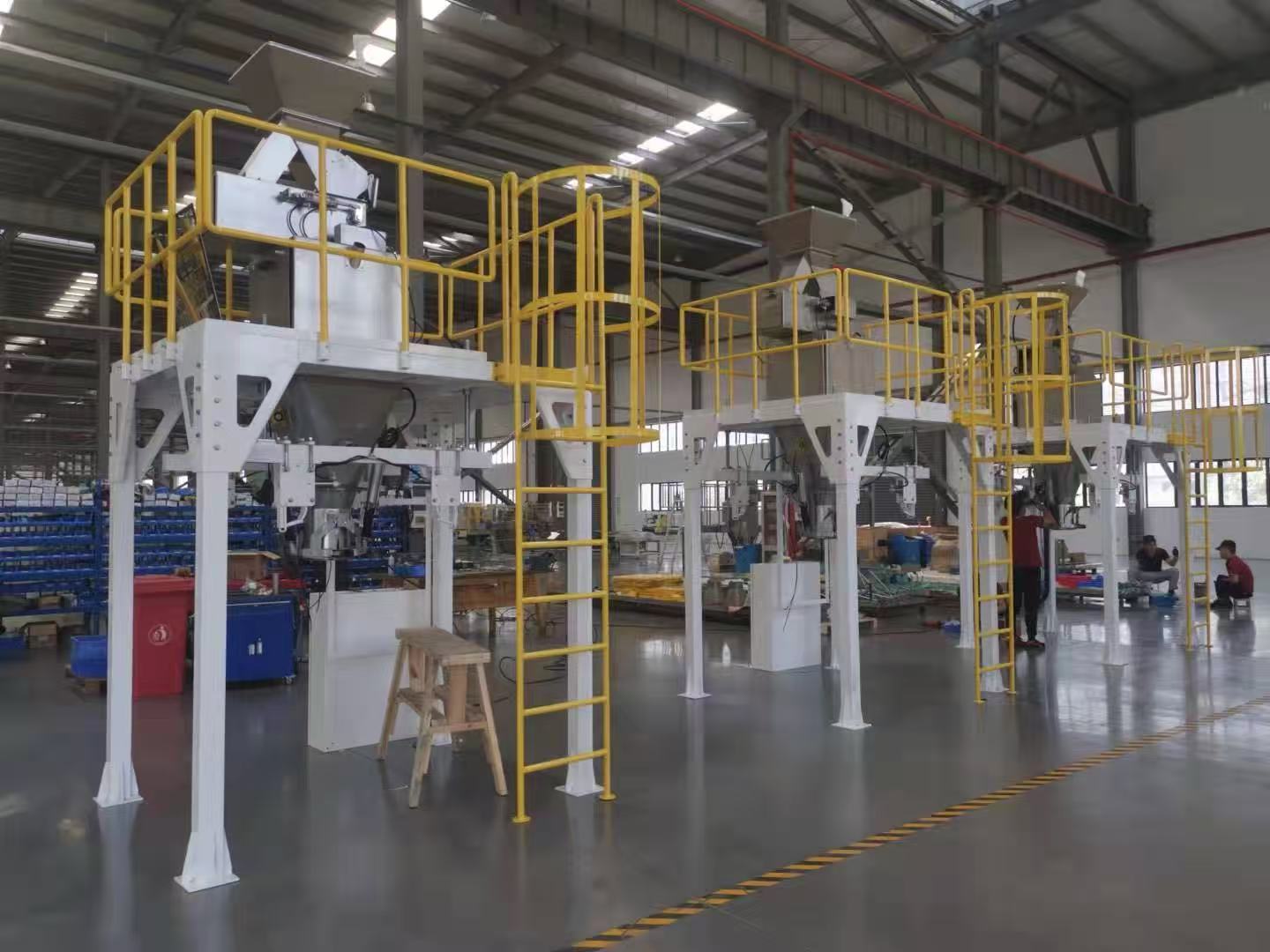
Granule filling machines find applications across several industries, including:
Food Industry: For packaging grains, sugar, coffee, and snacks, where precise filling and hygiene are paramount. Pharmaceuticals: Used for filling capsules and tablets, requiring strict adherence to quality standards and precise measurement. Agriculture: For packaging fertilizers and seeds, where bulk filling is often necessary. Chemicals: To fill powdered chemicals and granulates, where material compatibility and safety are key considerations.Each application may require specific features or capabilities, so it is crucial to communicate your needs clearly to your supplier.
"JCN focused on the research and development food packaging equipment. We have developed improved packaging machinery technologies imported from other countries. "We accessible all hours of day, so if you have any Powder filling machineabout machine operation, feel free to contact us."
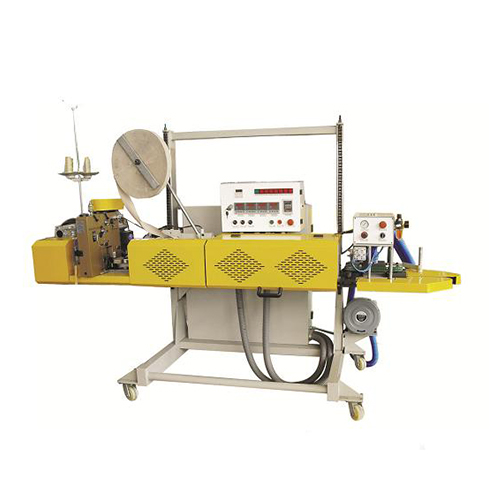
JCN business focuses on production of powder handling equipment and technology.Our main products currently comprise bag dumping, mixing, weighers, automatic bagging robotic palletising systems that is extensively utilized in food, new-material and Bag sewing machineindustry, earning company a good reputation.We are company committed to providing professional solutions to our customers through a thorough understanding of their needs.
JCN has been certified ISO 9001:2015 have been awarded a CE certificate several utility patent certificates.And all our products 100% made in our factory,assembled and then tested before being delivered. Customers can also examine items to make sure that they in compliance with their Filling machine for powder.
JCN has manufacturing plant that is spread over 30,000 square metres in Nantong, Jiangsu Automatic packing machine. has risen to become one of largest companies that design engineering, engineers, manufactures distributes latest powder handling equipment.