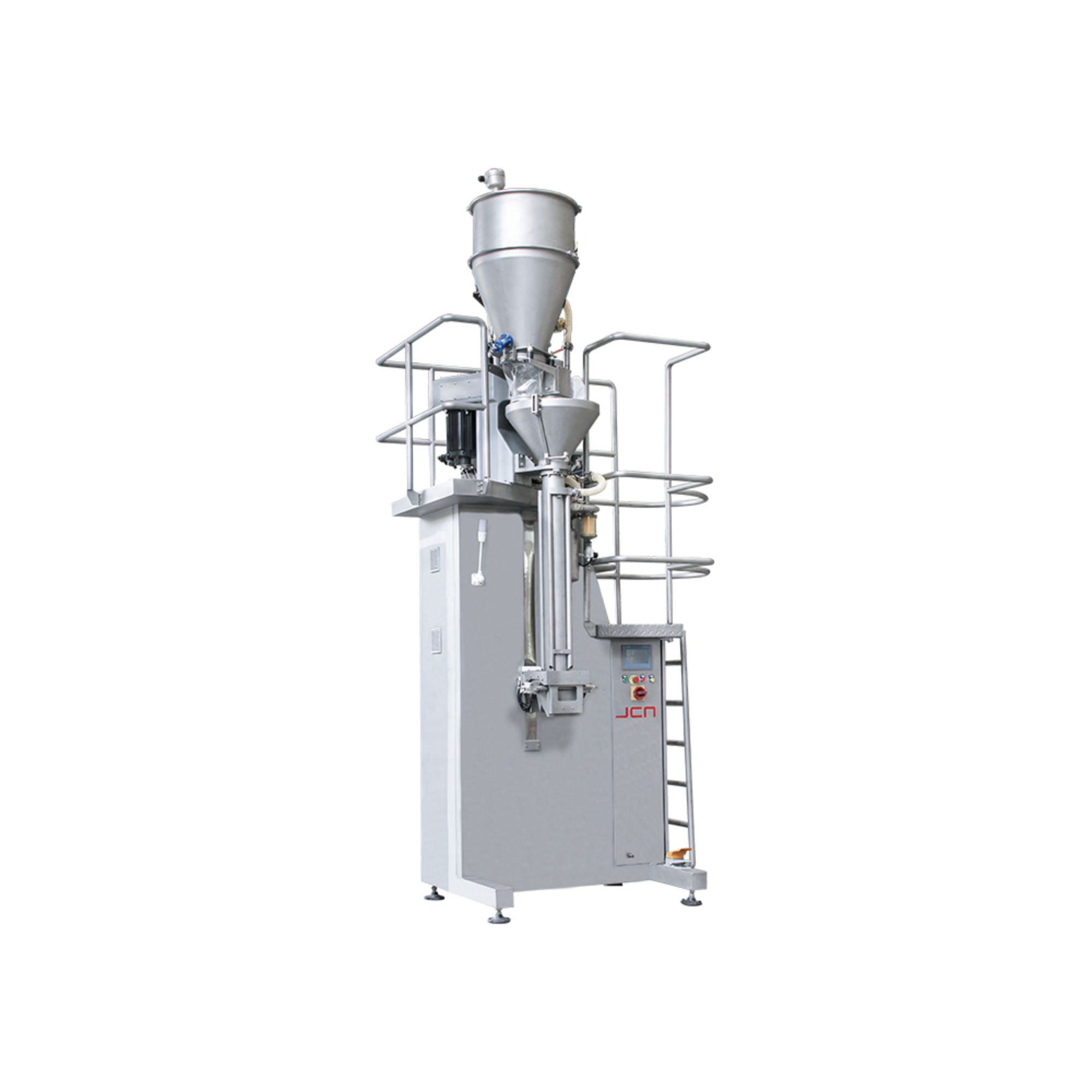
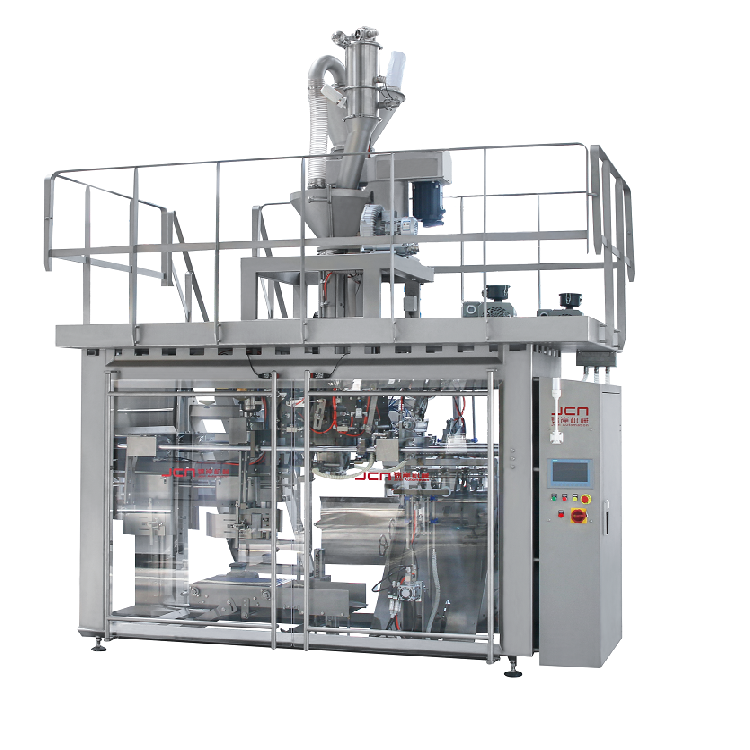
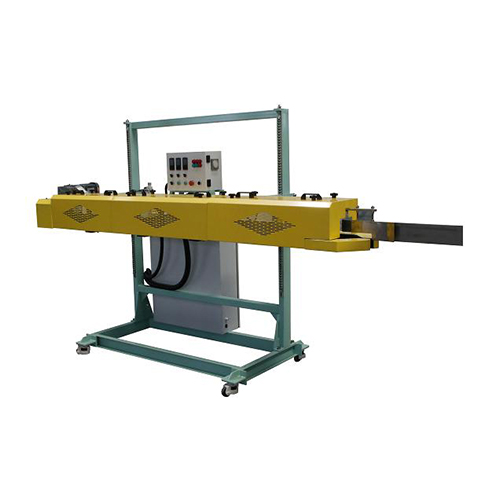
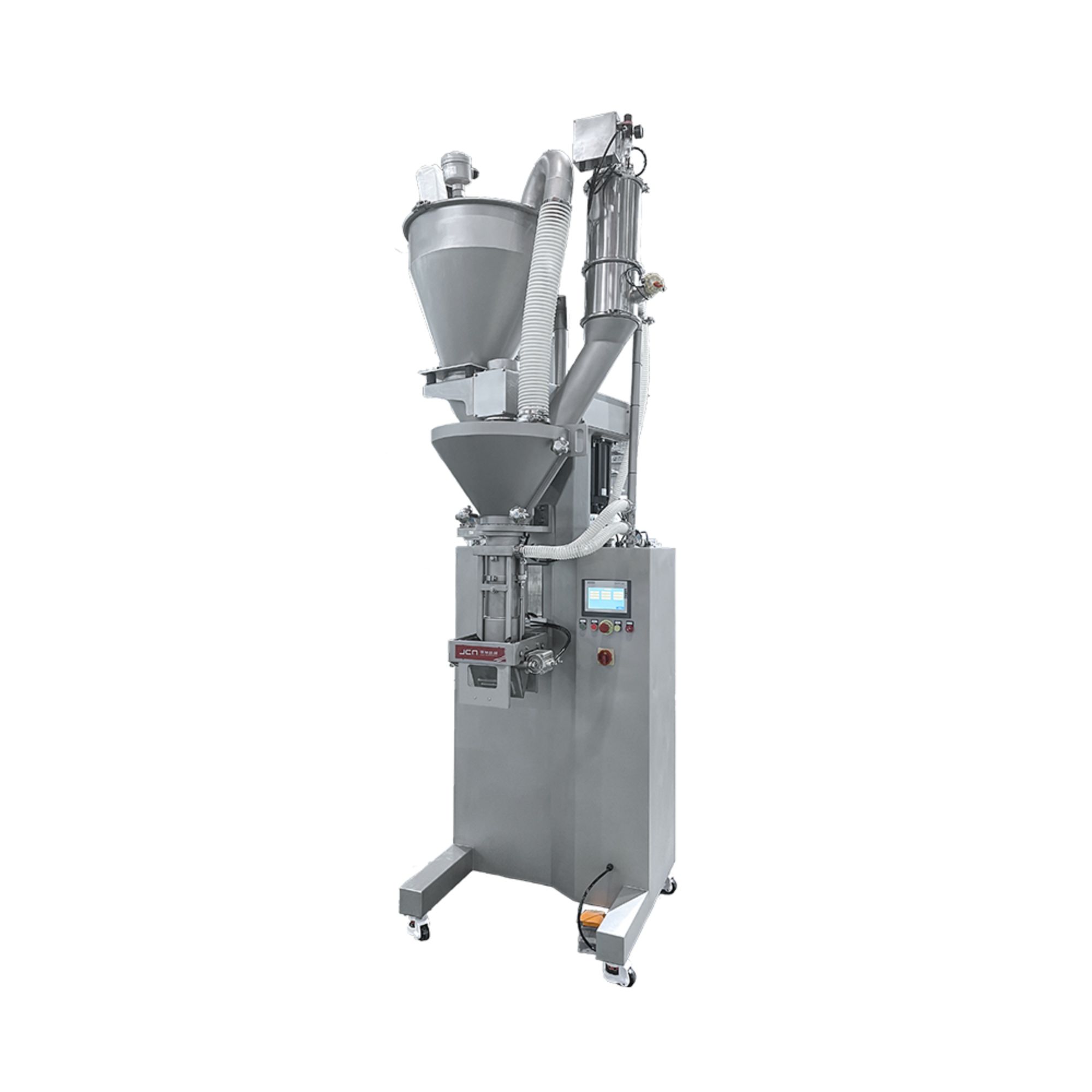
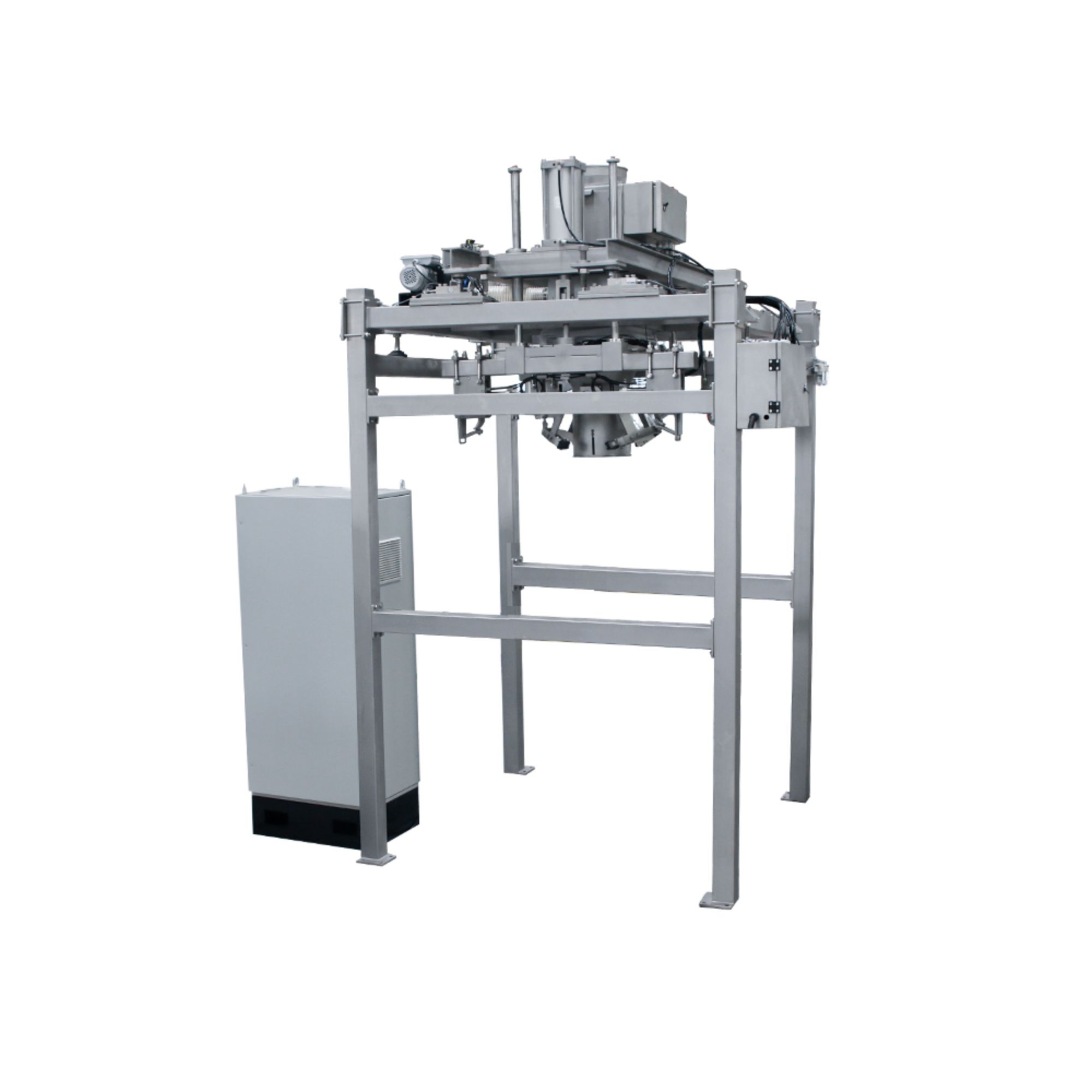
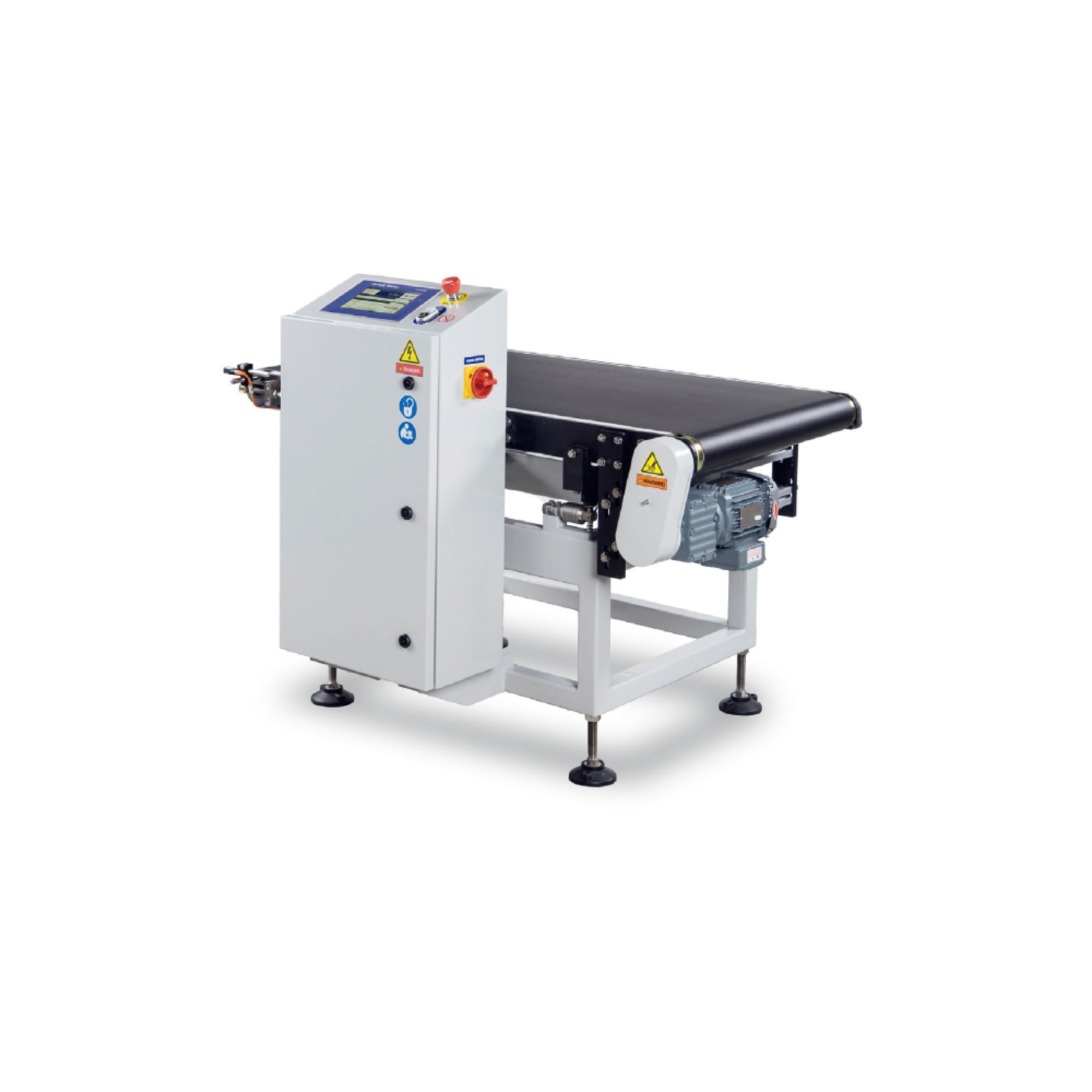
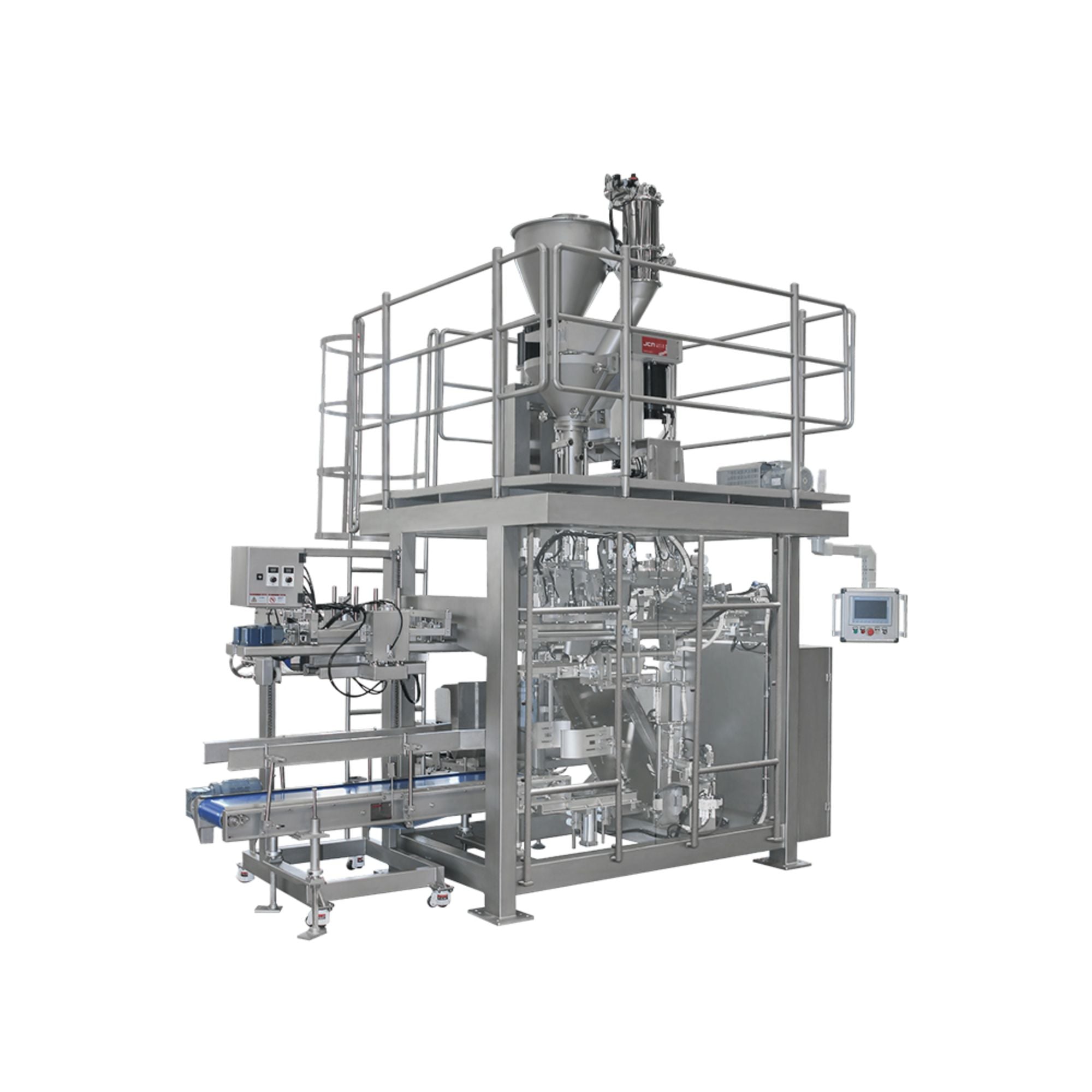
Bulk bag filling equipment is a crucial component in the powder material handling industry, designed to efficiently fill large bags with bulk materials. This equipment is essential for manufacturers and suppliers in sectors such as food, pharmaceuticals, and new materials, where accuracy and speed are paramount. When considering bulk bag filling systems, B2B buyers often focus on specifications, supplier reliability, installation challenges, and the diverse applications of these systems. This article aims to provide practical insights into these aspects, helping purchasing managers, engineers, and product managers make informed decisions.
When selecting bulk bag filling equipment, several key specifications are critical to ensure optimal performance. The following factors should be carefully considered:
Filling Accuracy: Accuracy is crucial in bulk bag filling to minimize waste and ensure that bags are filled to the required weight. Systems typically feature load cells or other weighing mechanisms that provide precise measurements during the filling process.
Filling Rates: The speed at which the equipment can fill bags is important for maintaining production efficiency. Buyers should assess the throughput requirements based on their production volume to select a system that meets their needs.
Material Compatibility: Different materials require specific handling characteristics. For example, powders may have varying flow properties and bulk densities, which can affect the filling process. Equipment should be compatible with the materials being handled to prevent clogs or damage.
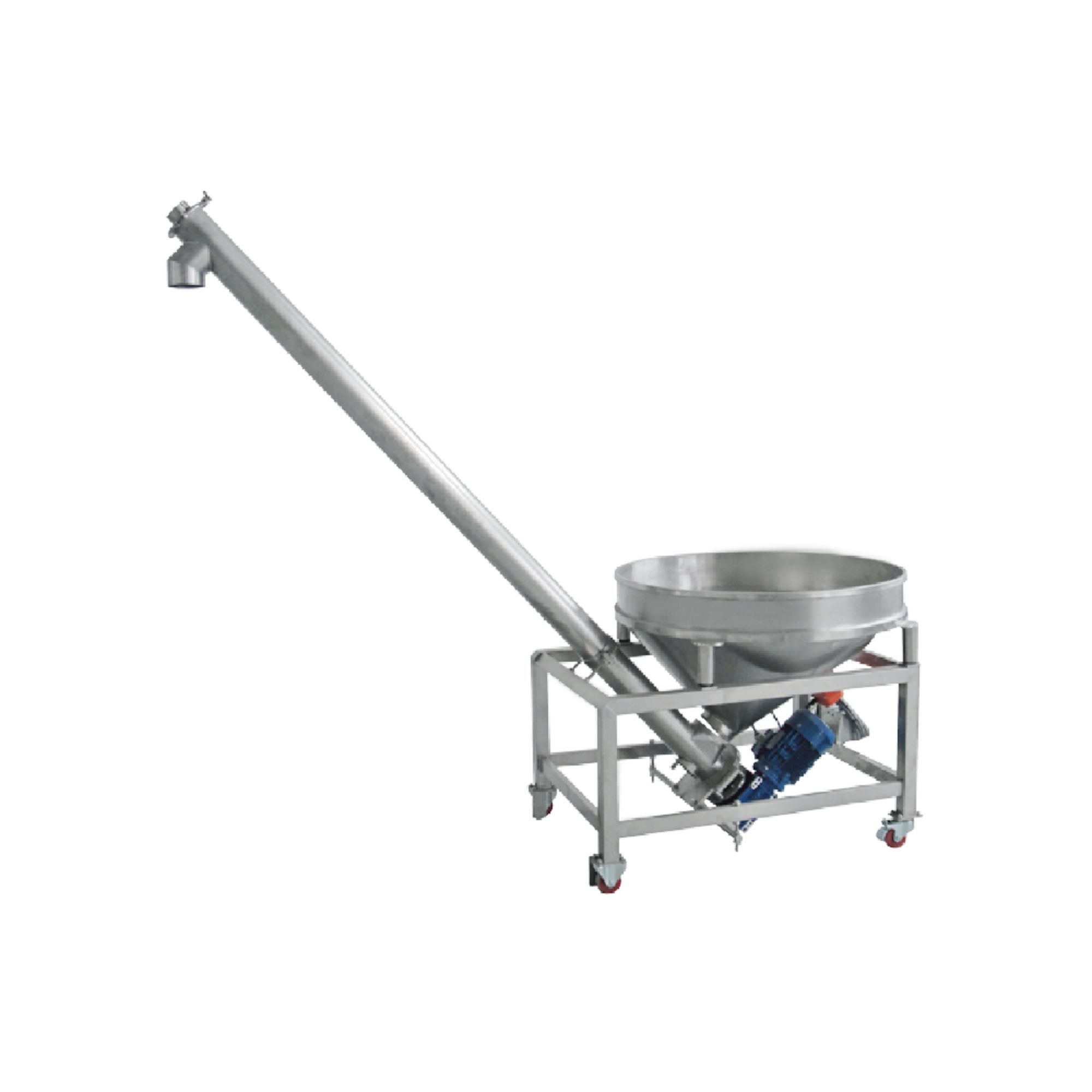
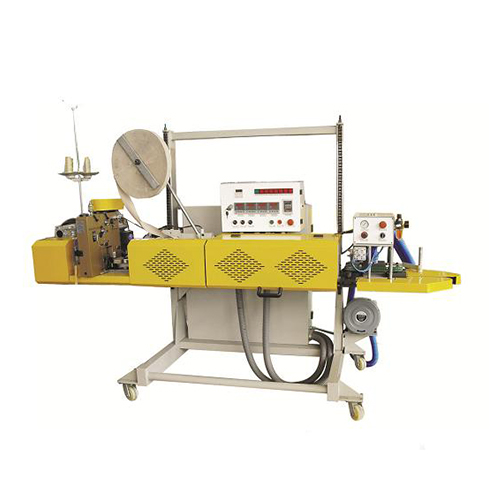
Bag Size and Type: Bulk bag fillers are designed for specific bag sizes and types. Buyers should specify their bag dimensions and whether they require custom bags for unique applications. For example, users might also consider integrating an Auxiliary Equipment to enhance the overall efficiency of the filling process.
Automation Level: Depending on the operation's complexity, buyers may choose between manual, semi-automated, or fully automated filling systems. Automated systems can enhance efficiency but require a higher initial investment.
Safety Features: Safety is paramount in manufacturing environments. Buyers should look for equipment equipped with safety interlocks, emergency stop buttons, and features that minimize dust emissions.
By understanding these specifications, purchasing managers can better assess the suitability of various bulk bag filling systems for their operations.
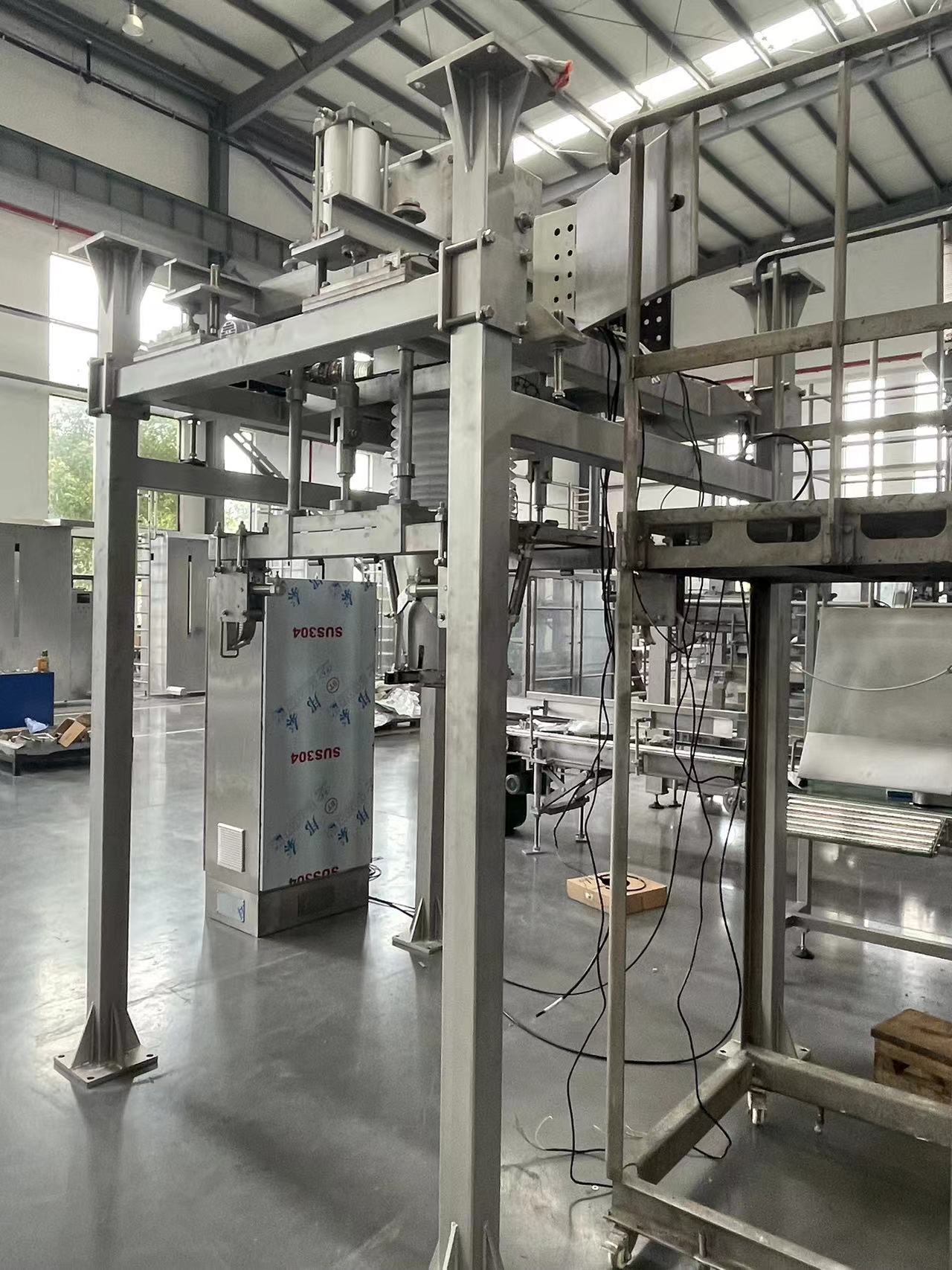
Evaluating the reliability of suppliers is critical when investing in bulk bag filling equipment. Here are key factors to consider:
Experience and Expertise: Choose suppliers with a proven track record in manufacturing bulk bag filling systems. A supplier like JCN Co., Ltd., with extensive experience in powder material handling, can provide insights into best practices and potential pitfalls.
Quality Certifications: Reliable suppliers often have quality certifications such as ISO 9001, demonstrating their commitment to maintaining high manufacturing standards. Buyers should request copies of these certifications during the evaluation process.
Customer References: Ask for references from past customers to gauge satisfaction levels and the supplier's responsiveness to issues. This can provide valuable insights into the supplier's reliability and after-sales support.
Technical Support: A supplier should offer robust technical support, including installation assistance and ongoing maintenance. Manufacturers that provide clear documentation and training can significantly reduce operational downtime.
Customization Options: Suppliers that can accommodate custom requirements may be more reliable in meeting unique application needs. This flexibility can be crucial in industries where specific material handling characteristics are necessary.
By focusing on these aspects, buyers can select suppliers who will be reliable partners in their bulk bag filling operations.
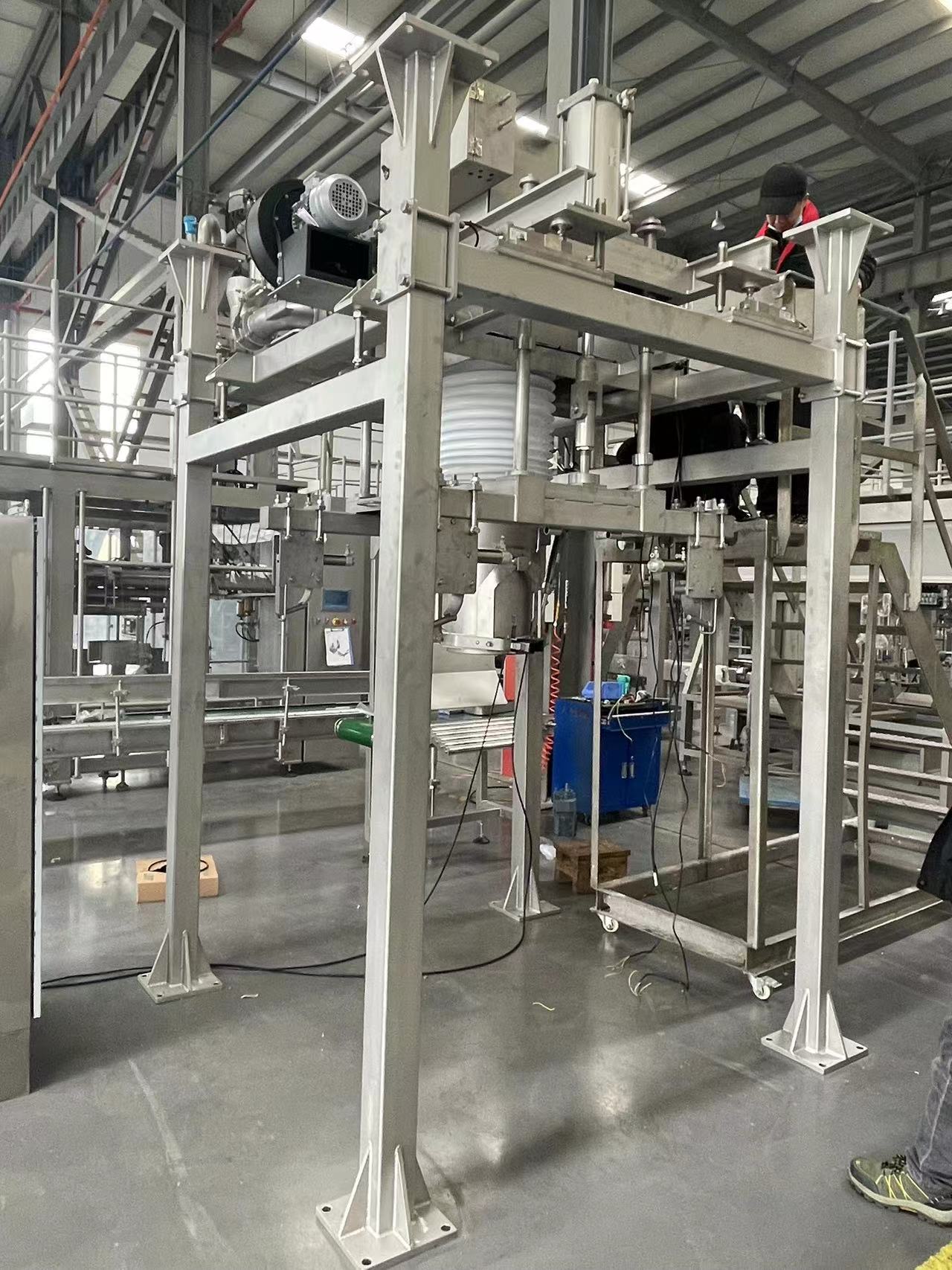
Installing bulk bag filling equipment can present several challenges. Here are common installation problems and how to address them:
Space Constraints: Bulk bag fillers require sufficient space for operation and maintenance access. Buyers should conduct a thorough assessment of the installation site to ensure that the equipment can be accommodated without compromising workflow.
Alignment Issues: Proper alignment between the filling equipment and other production line components is essential for smooth operation. Misalignment can lead to material spillage and operational inefficiencies. Using precise measurement tools during installation can help mitigate this issue.
Electrical and Pneumatic Connections: Ensuring that electrical wiring and pneumatic connections are correctly installed is crucial for the equipment's functionality. Buyers should work closely with the supplier to verify that all connections meet safety standards and operational requirements.
Calibration: After installation, the equipment must be calibrated to ensure accurate filling. Buyers should schedule a thorough calibration process with the supplier to avoid issues during production.
Training for Operators: Proper training for operators is vital to prevent mishandling during the initial setup. Suppliers should provide comprehensive training sessions to familiarize operators with the equipment's functionalities and safety procedures.
Addressing these common installation problems proactively can help ensure a smooth transition to using bulk bag filling equipment.
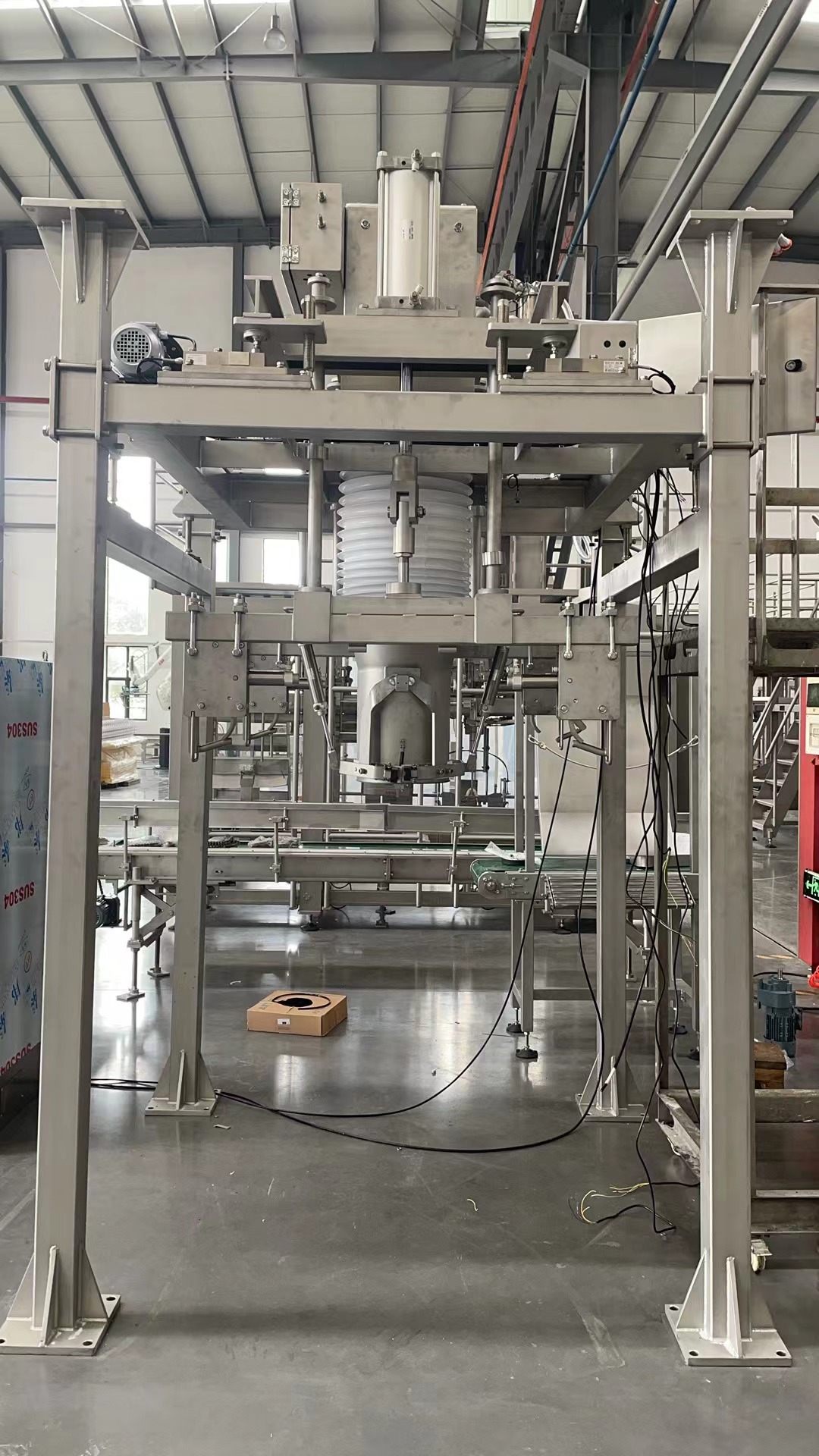
Bulk bag filling systems are versatile and find applications across numerous industries. Here are some examples:
Food Industry: In the food sector, bulk bag filling equipment is used to handle various powders and granules, such as flour, sugar, and spices. The systems are designed to meet stringent hygiene standards and minimize contamination risks.
Pharmaceutical Industry: Pharmaceutical manufacturers utilize bulk bag filling solutions for active ingredients and excipients. These systems must adhere to strict regulatory requirements to ensure product safety and efficacy.
Chemical Industry: Bulk bag fillers are commonly used to handle chemicals, including fertilizers and industrial powders. These systems must be designed to withstand exposure to corrosive materials and meet safety standards.
Construction Materials: In the construction industry, bulk bag filling systems are used for materials like cement and aggregates. These systems are designed for high durability and can handle heavy loads.
New Materials: Innovations in materials science have led to the need for specialized bulk bag filling systems. Manufacturers should work closely with suppliers to develop customized solutions that meet the specific handling requirements of new materials, such as using a Weighing Bagging Machine for precise material handling.
Understanding the diverse applications of bulk bag filling systems can help buyers make informed decisions about the equipment that best suits their industry needs.
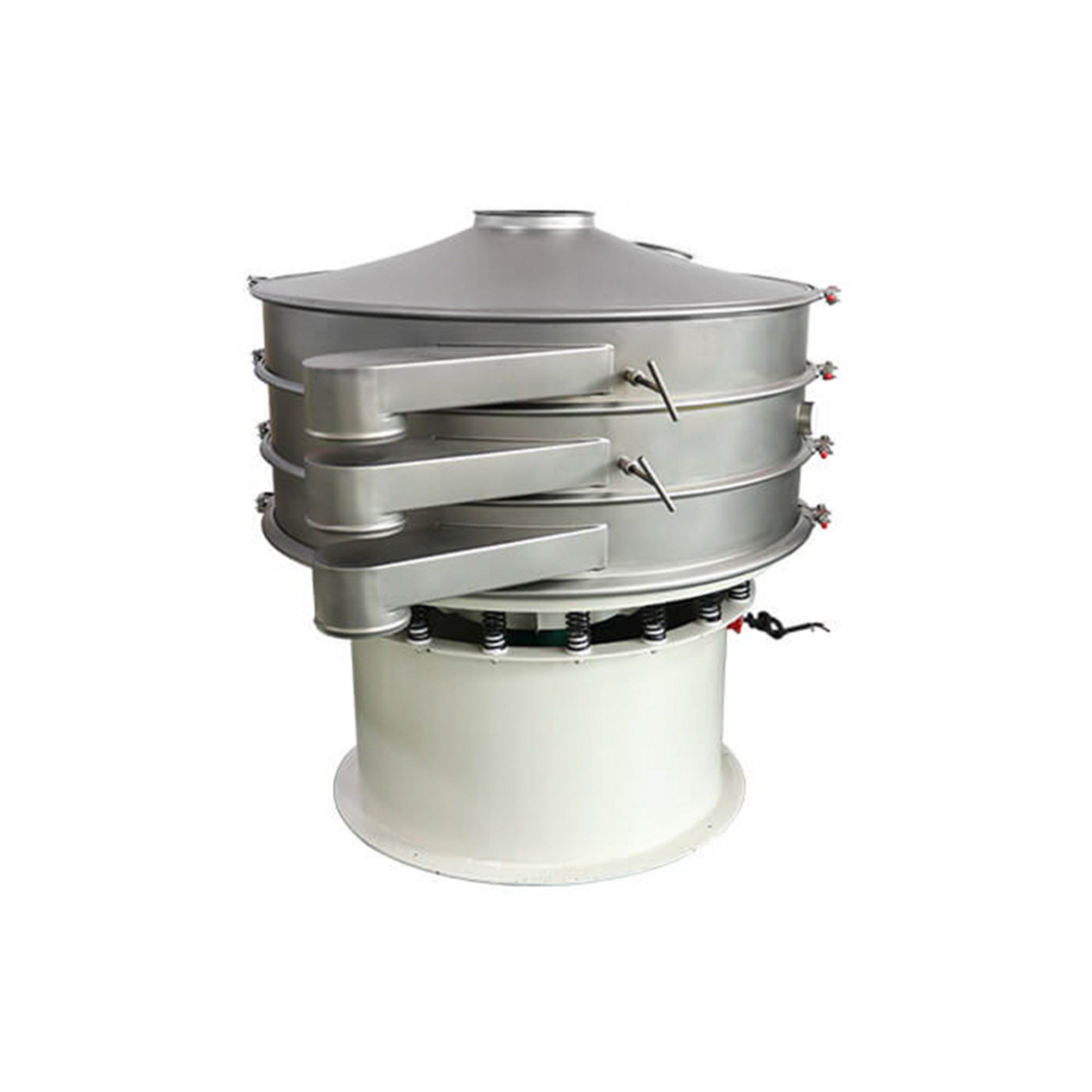
JCN a manufacturer of powder handling equipment and equipment. Our primary products bag dumped, sieving, mixing, industrial weighing, auto-bagging as well as robotic palletising systems. They have been Vertical mixerwidely in food, new materials as well pharmaceutical industries, earning excellent reputation.
"JCN concentrates R and D of food packaging equipment. have developed and Dumping stationpackaging machinery technologies imported from abroad. "are accessible 24/7 online, so if you have any queries about operation your machine, please don't hesitate to contact us."
JCN a manufacturing that covers 30,000 square meters Nantong city in Jiangsu province.And has become one of most prominent companies which designs, engineer, manufacturing and supply modern powder material handling equipment.We keep in mind principle of delivering value to our clients, through prompt communication, active Vertical mixerand constantly improving our methods of conduct.
JCN has been certified ISO 9001:2015 have been awarded a CE certificate several utility patent certificates.And all our products 100% made in our factory,assembled and then tested before being delivered. Customers can also examine items to make sure that they in compliance with their Mixer vertical.