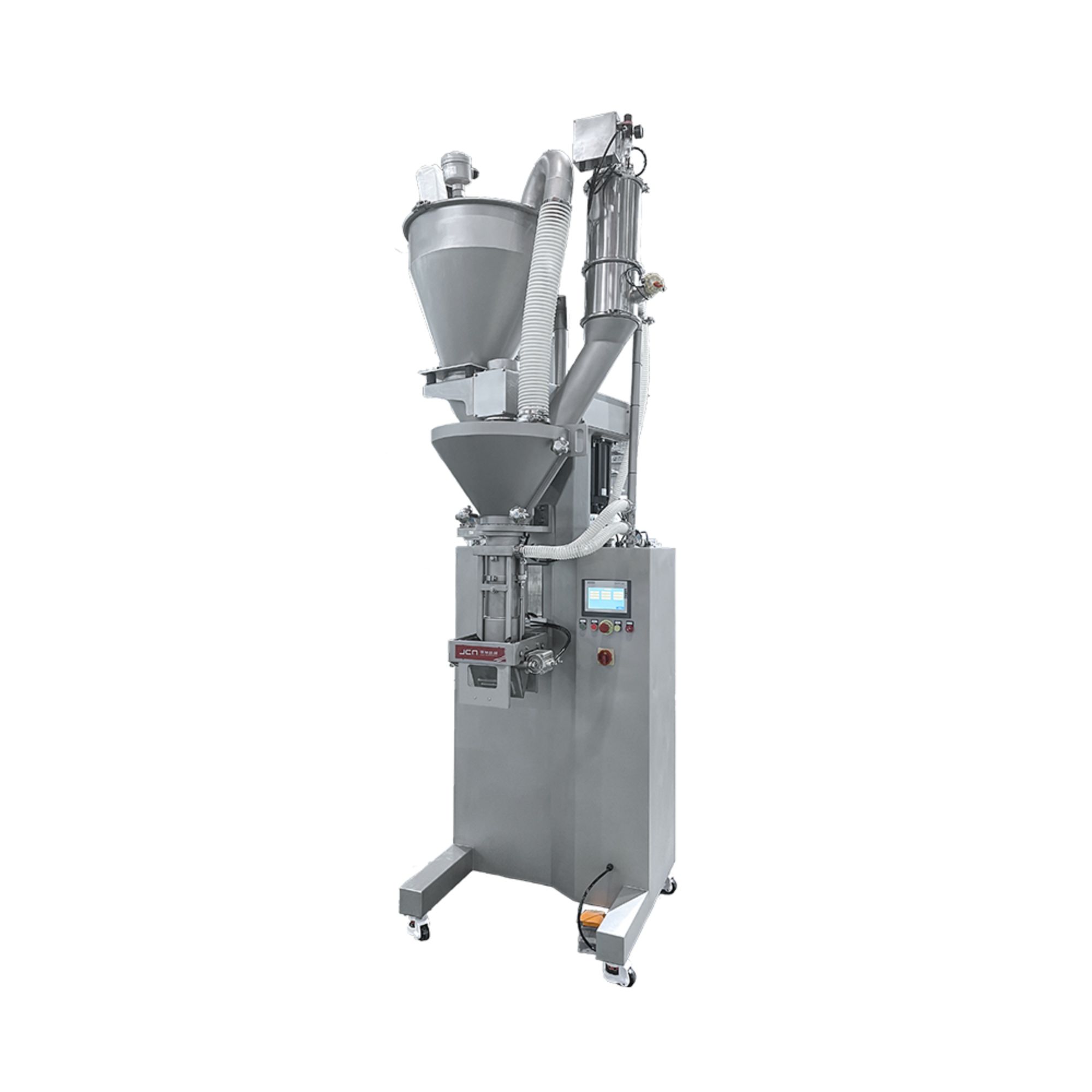
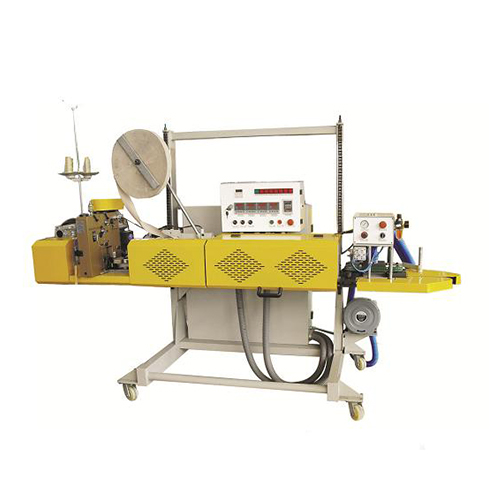
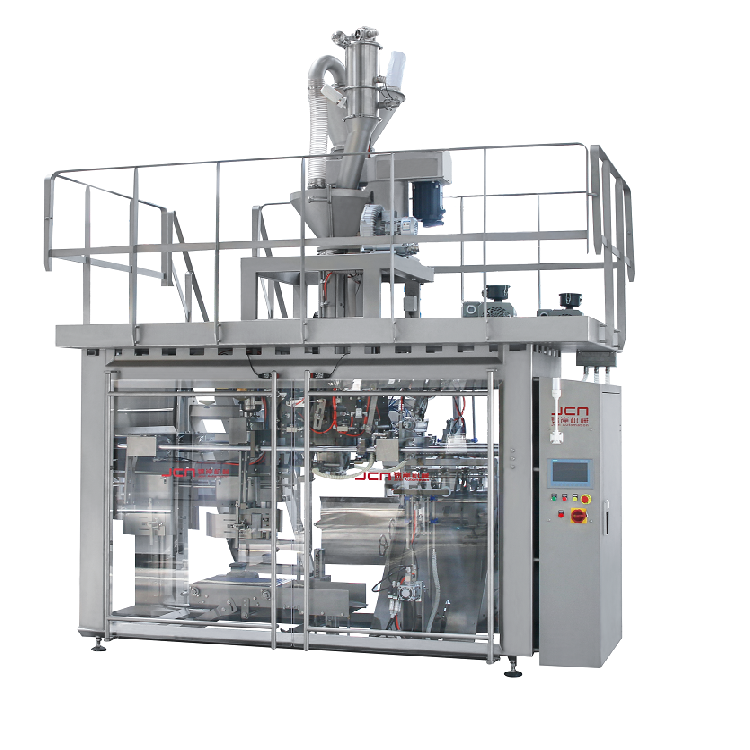
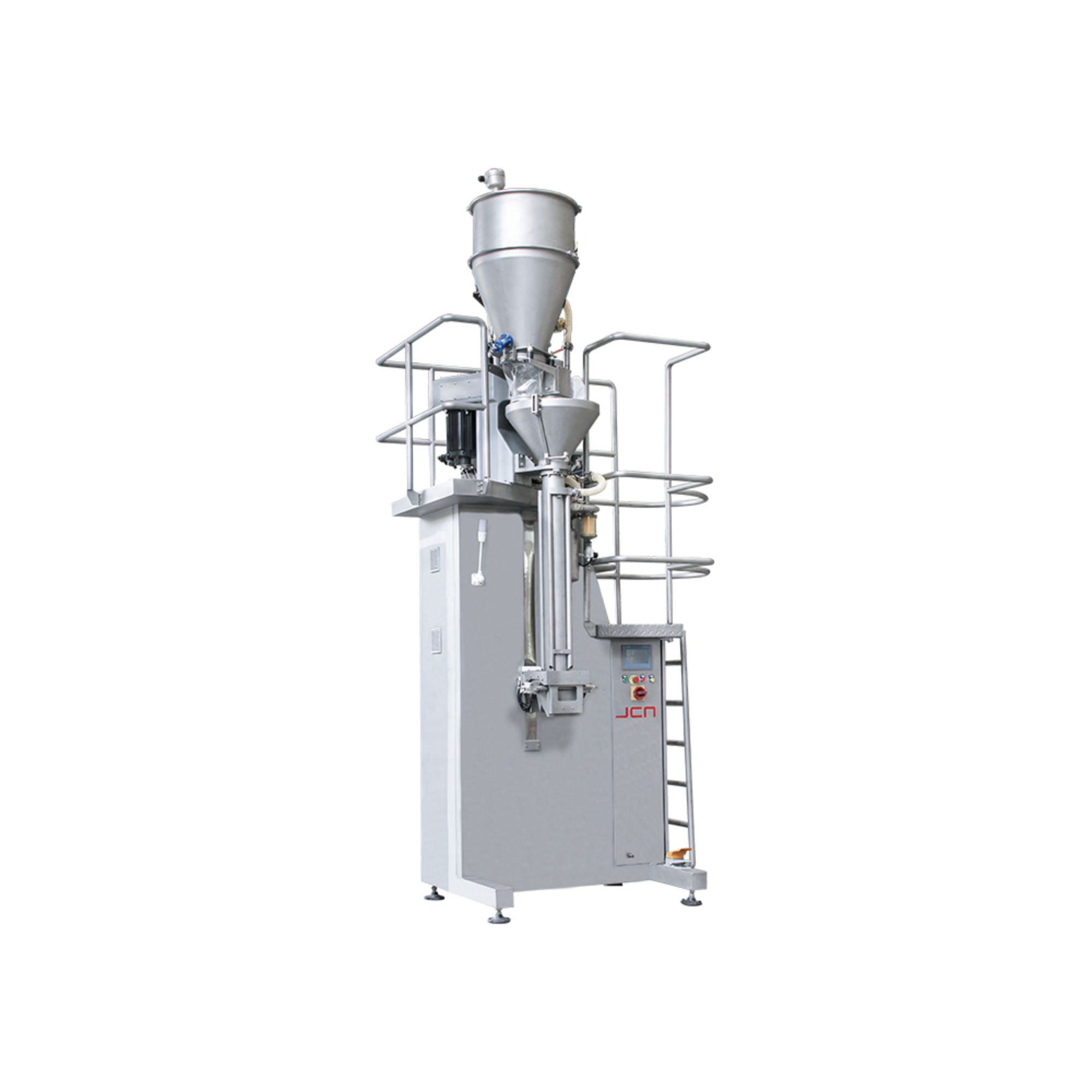
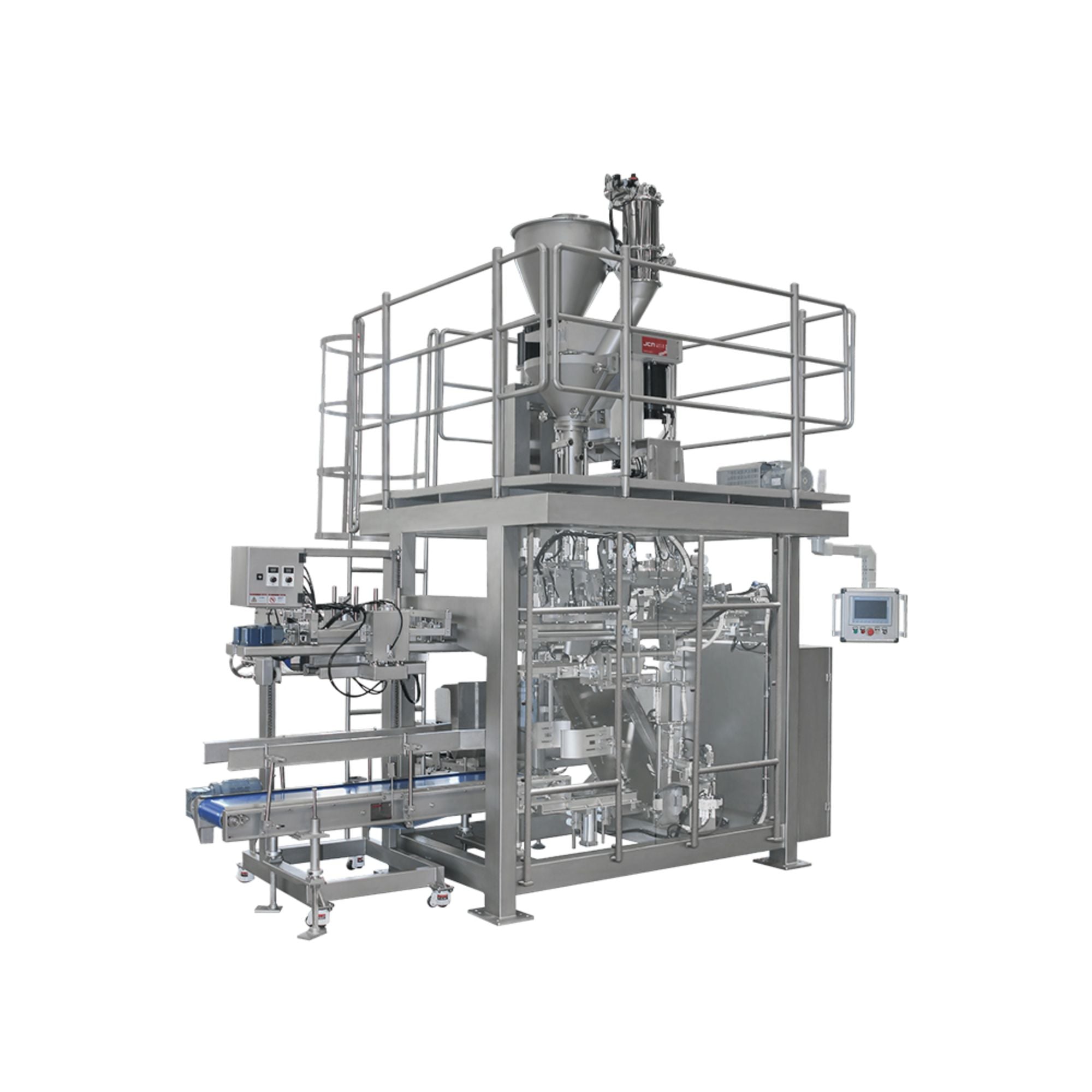
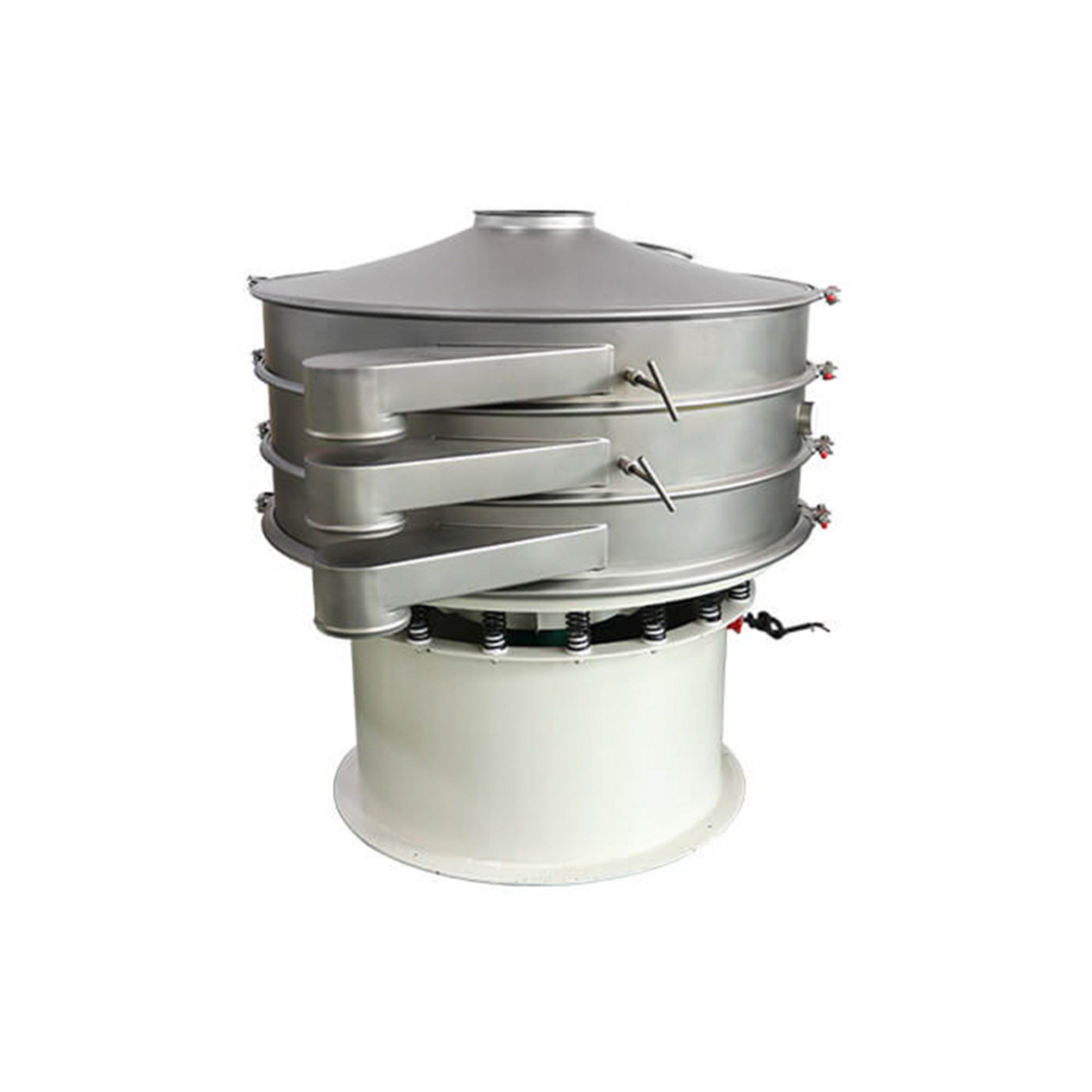
Automatic bag packing machines are essential in various industries, including food, pharmaceuticals, and new materials, where efficiency in packaging is crucial. These machines automate the process of filling and sealing bags, significantly enhancing productivity while reducing labor costs. When considering the purchase of an automatic bag packing machine, B2B buyers often have concerns about cost, quality, compatibility, and operational efficiency. This article will address key factors to consider, common issues, installation guidelines, and what makes an automatic bag packing machine suitable for your needs.
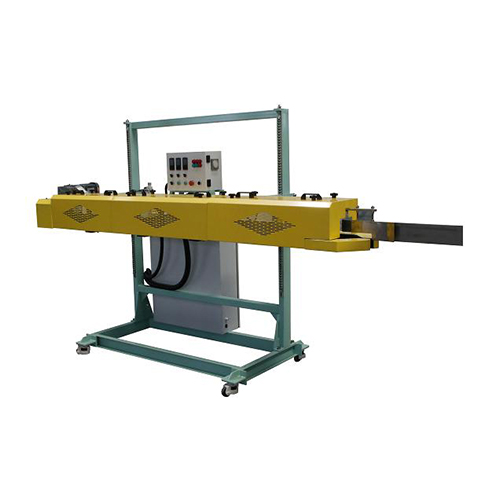
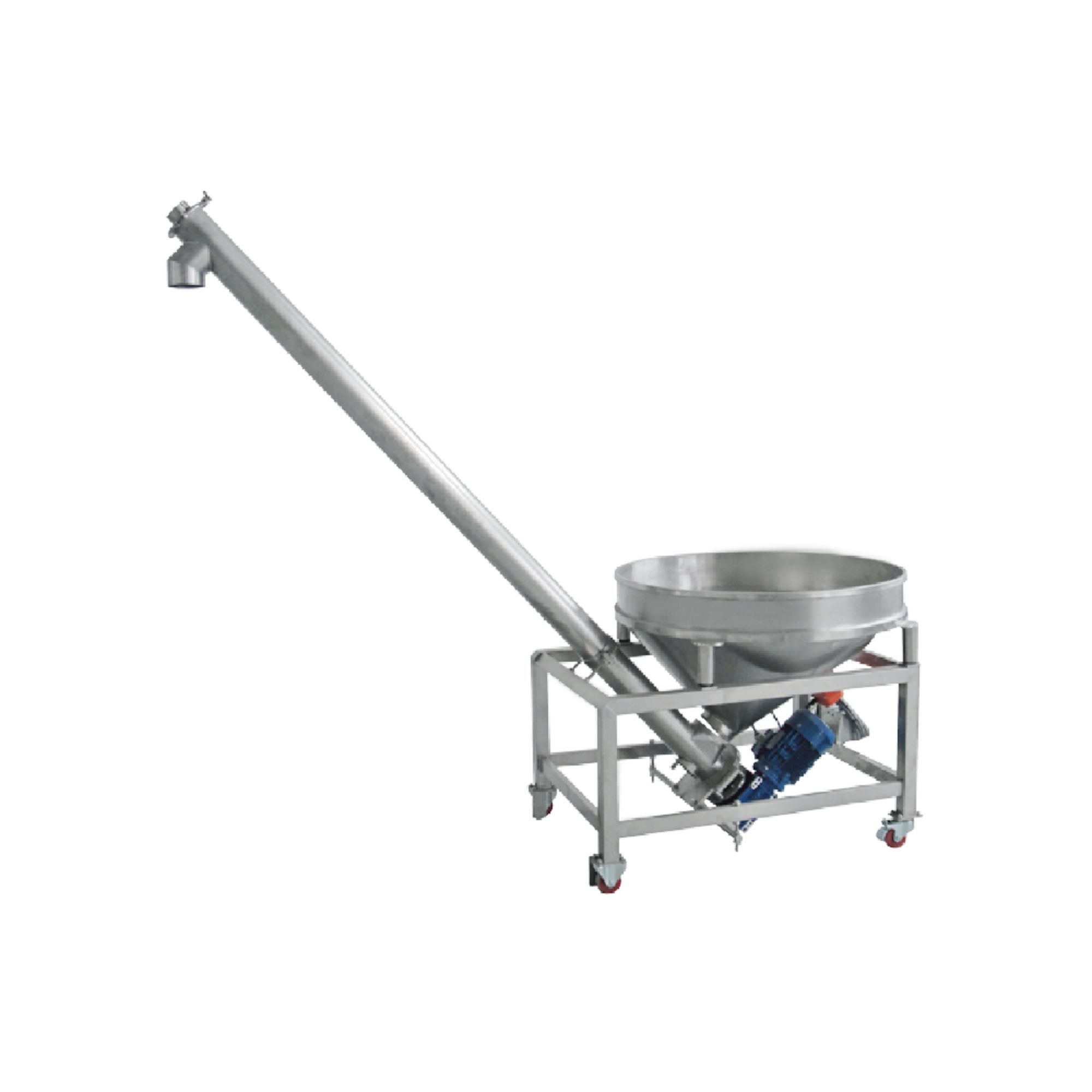
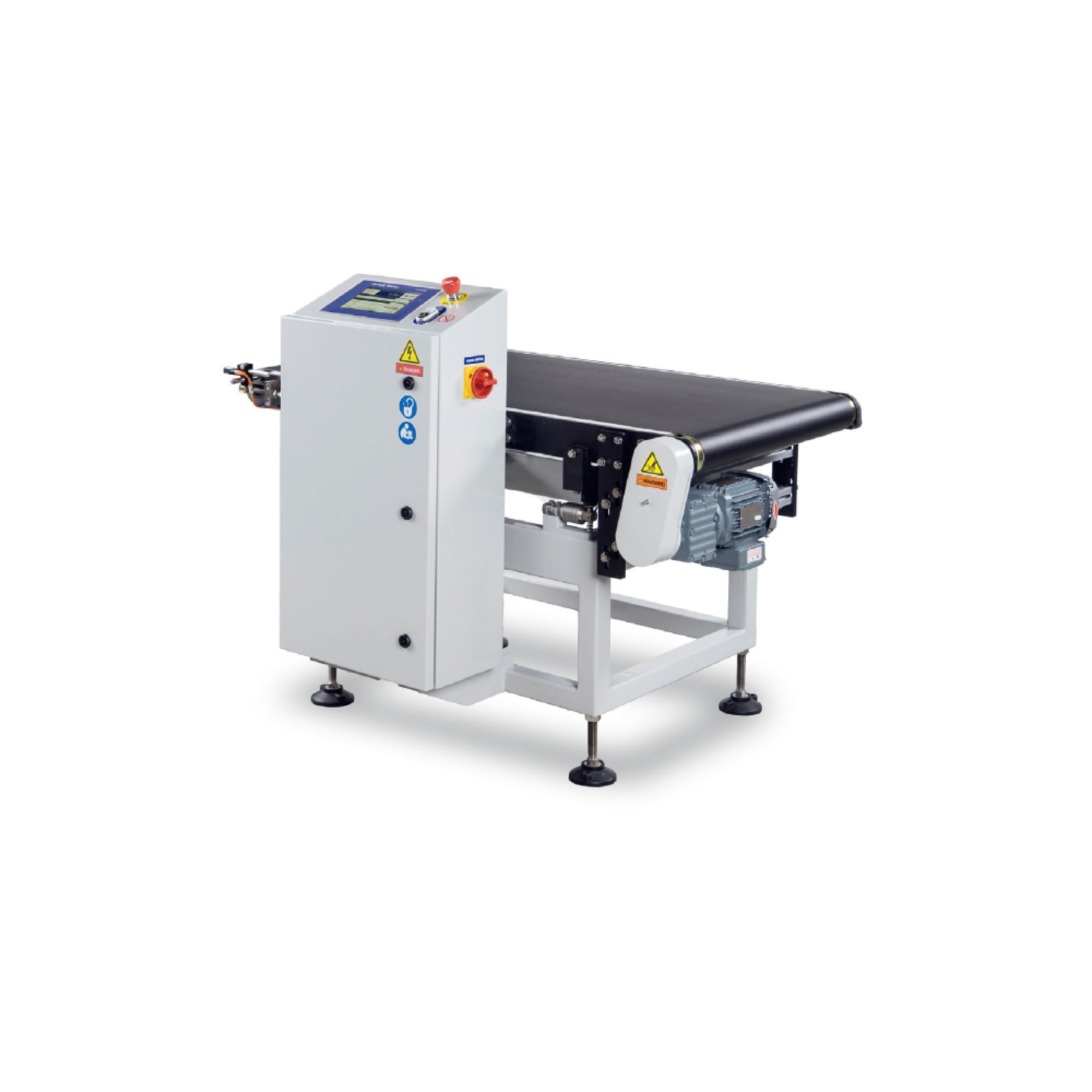
When budgeting for an automatic bag packing machine, several cost factors come into play. First, consider the initial purchase price, which varies depending on the machine's specifications, features, and capacity. Machines with advanced technology and automation features may have a higher upfront cost but can offer better long-term savings through reduced labor costs and increased efficiency. Buyers should also consider integrating additional systems such as Auxiliary Equipment to enhance overall productivity.
Maintenance and operational costs are also critical. Regular maintenance is essential to ensure smooth operation and prevent costly downtime. Buyers should inquire about the machine's maintenance requirements and any associated costs, such as replacement parts or service agreements. Additionally, the cost of utilities, such as electricity and compressed air, should be factored into the total cost of ownership.
Lastly, consider the machine's production capacity and how it aligns with your operational needs. A machine that can handle a higher volume may have a higher initial cost but can lead to better ROI if it meets your production demands effectively.
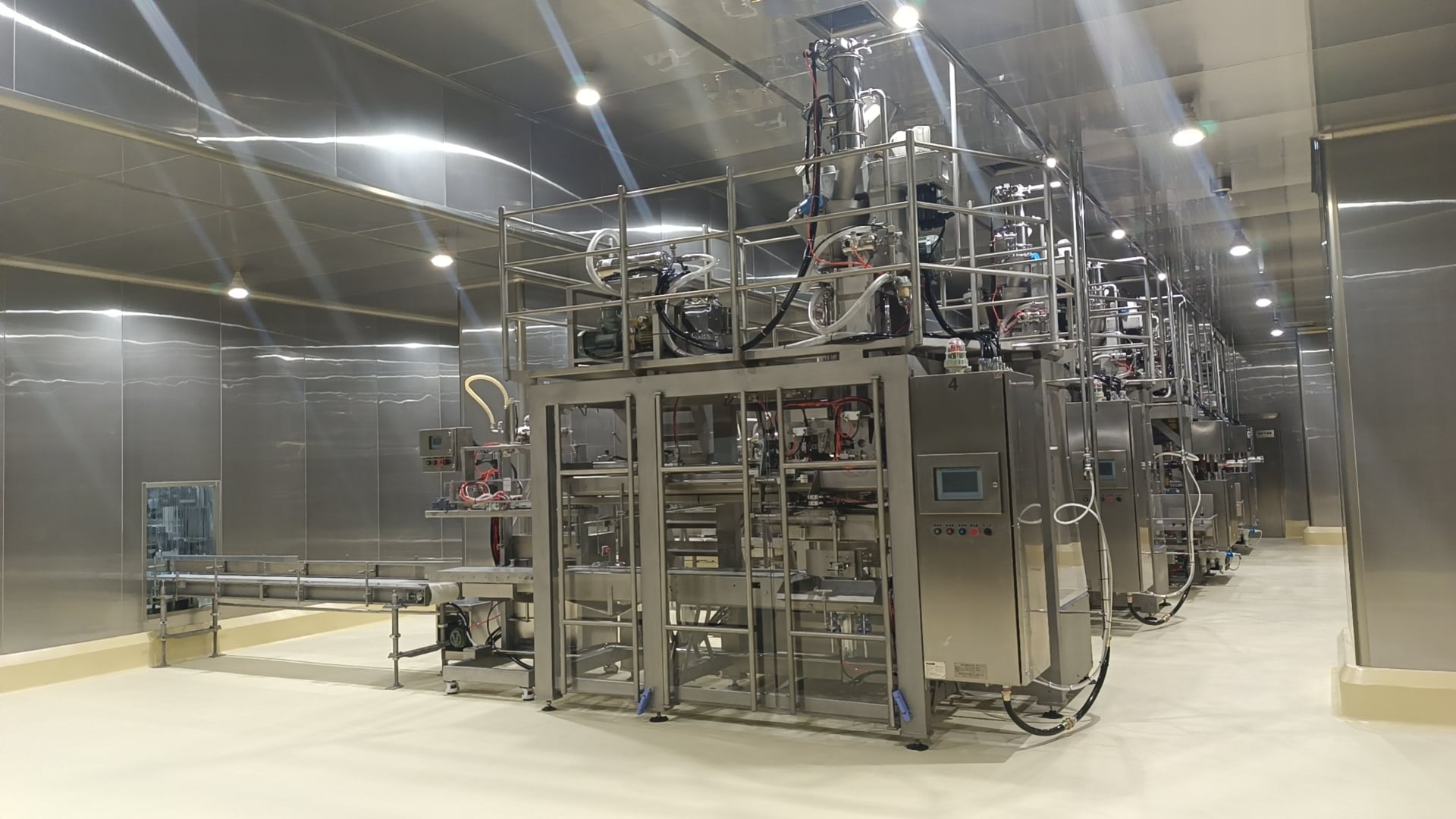
Automatic bag packing machines are not without their challenges. Common problems include misalignment of bags, inconsistent filling, and sealing failures. Misalignment can occur due to improper machine setup or the use of incompatible packaging materials. To mitigate this, ensure that the machine is calibrated according to the manufacturer's specifications and that the packaging materials meet the machine's requirements.
Inconsistent filling can be caused by variations in product density or moisture content, which may require adjustments to the filling mechanism. Regular quality checks and testing can help identify these issues early on. </p>
Sealing failures often result from incorrect temperature settings or pressure application. It's crucial to monitor these parameters closely and conduct routine maintenance checks. Additionally, having a trained operator who understands the machine's nuances can greatly reduce the occurrence of these problems.
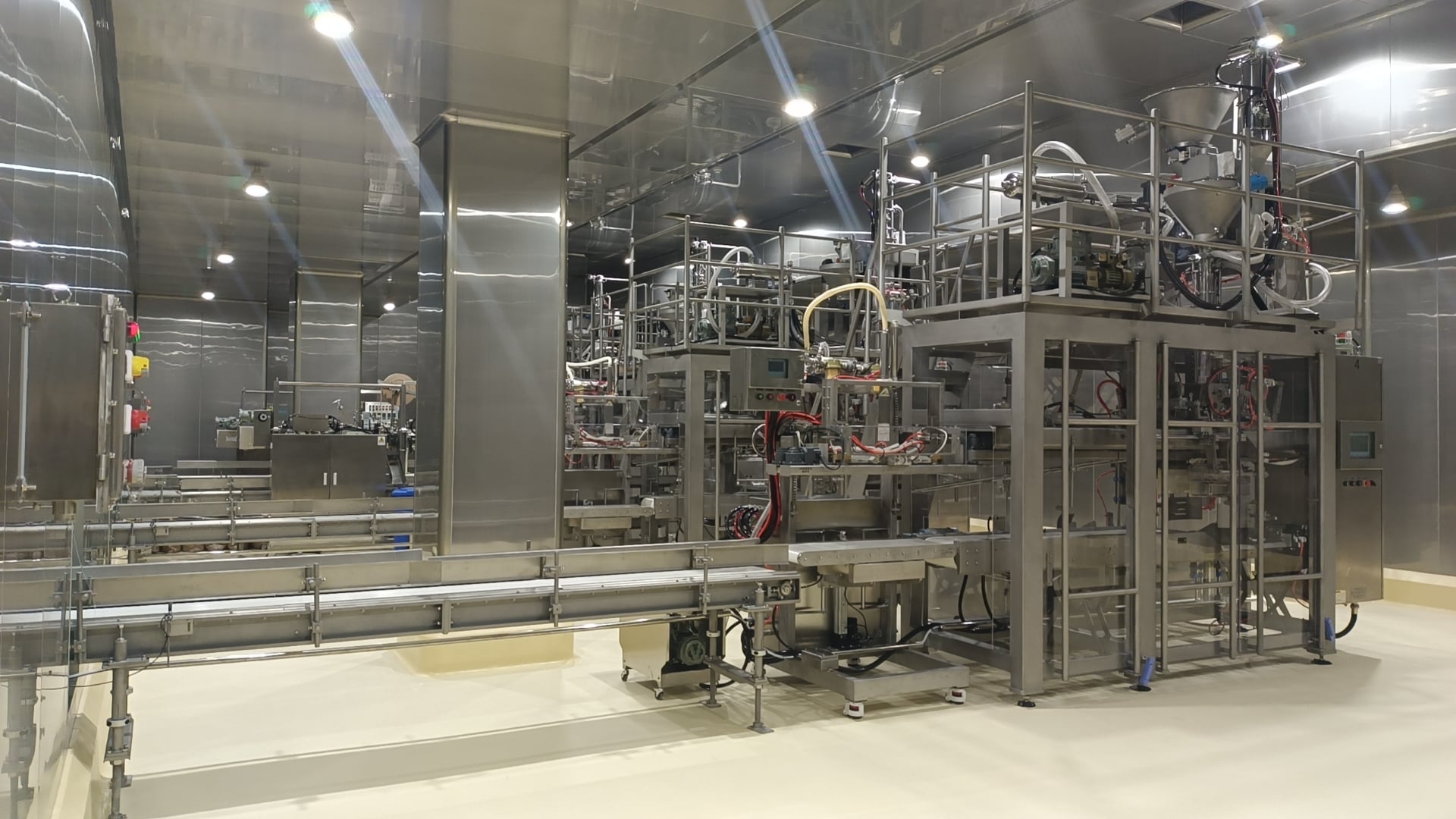
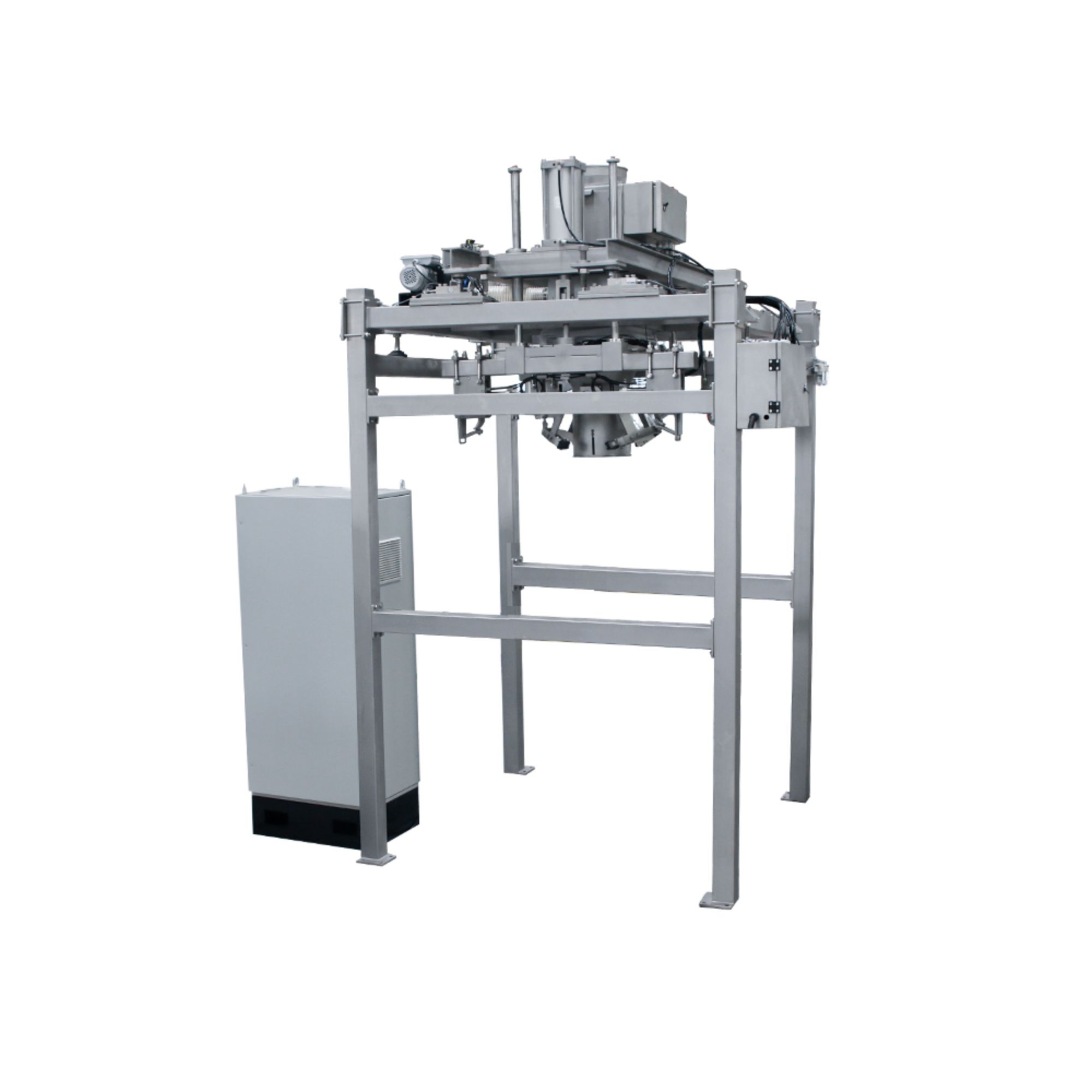
Sourcing reliable automatic bag packing machines in bulk involves identifying reputable manufacturers and suppliers. Start by researching manufacturers that specialize in packaging machinery, particularly those with experience in your specific industry, such as food or pharmaceuticals. Look for companies that provide detailed product specifications, customization options, and a strong track record of quality. You may also explore options like the Weighing Bagging Machine for specific needs.
Trade shows and industry exhibitions can be excellent venues for connecting with manufacturers and seeing machines in action. Additionally, online marketplaces and manufacturer websites often provide valuable resources, including customer testimonials and case studies, which can help inform your decision.
When sourcing in bulk, also consider the supplier' s ability to provide ongoing support, such as spare parts and technical assistance. Establishing a good relationship with your supplier can lead to better pricing, faster delivery times, and improved service.
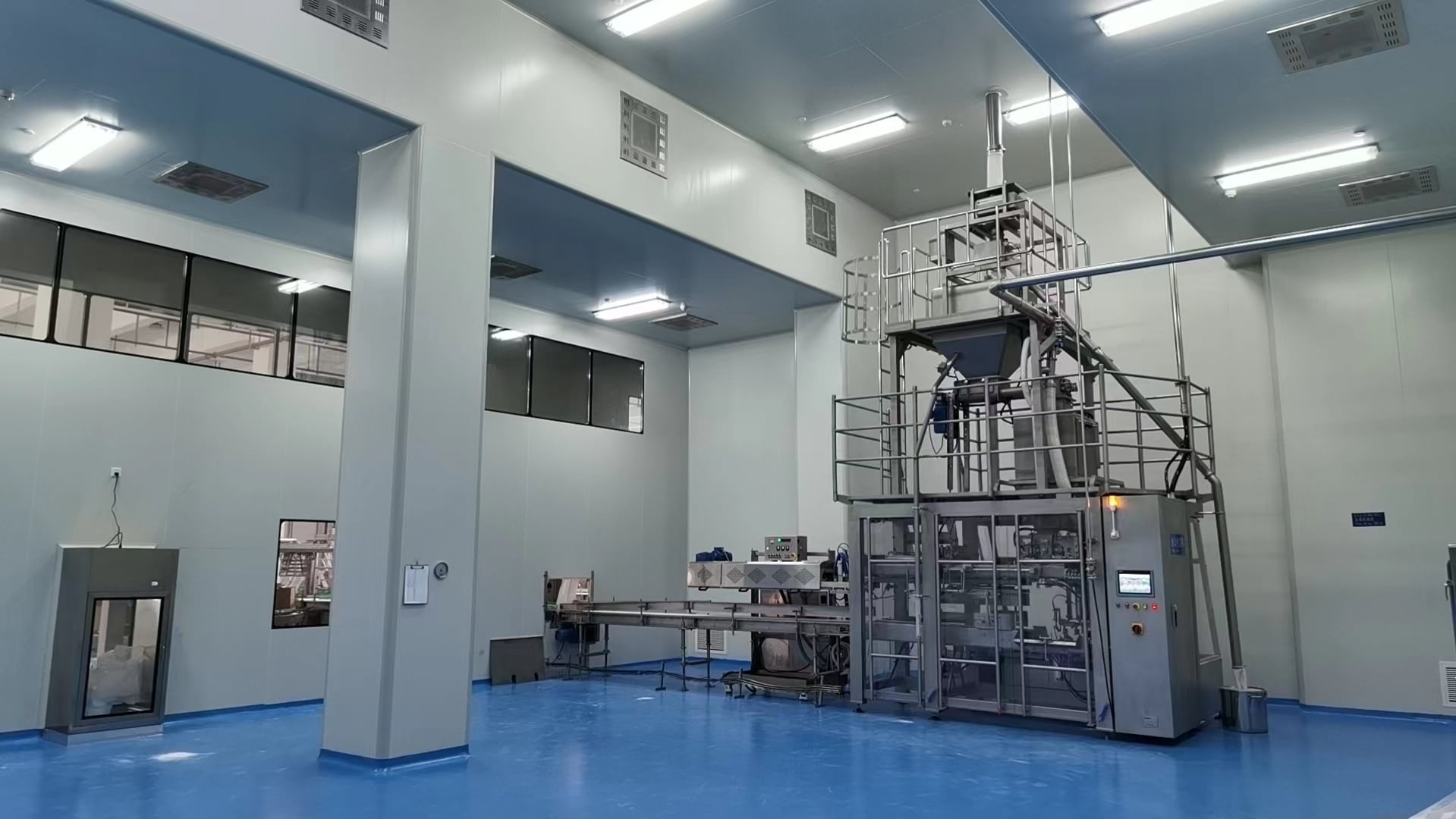
Proper installation of an automatic bag packing machine is critical to its performance and longevity. Begin by reviewing the manufacturer's installation manual, which provides specific guidelines tailored to the machine model. Ensure that the installation area meets the required specifications, including space, power supply, and environmental conditions.
Before installation, conduct a thorough inspection of the machine for any damages incurred during shipping. It's recommended to involve an experienced technician for the setup process to ensure that all components are correctly aligned and secured.
Once installed, perform a series of tests to confirm that the machine operates as intended. This includes running sample bags through the machine to verify filling accuracy and seal integrity. Training your operators on proper usage and maintenance procedures during installation can also significantly reduce the risk of operational issues later on.
JCN a manufacturer of powder handling equipment and equipment. Our primary products bag dumped, sieving, mixing, industrial weighing, auto-bagging as well as robotic palletising systems. They have been Filling machine for powderwidely in food, new materials as well pharmaceutical industries, earning excellent reputation.
"JCN focused on the research and development food packaging equipment. We have developed improved packaging machinery technologies imported from other countries. "We accessible all hours of day, so if you have any Powder filling machineabout machine operation, feel free to contact us."
JCN has achieved ISO 9001:2015 certification, receives CE certificate many utility patent certificates.And every product we sell are Dumping stationour factory, and then assembled and then tested before being delivered. Customers are also welcome to come for inspection ensure that they are line with your requirements.
JCN a manufacturing that occupies an area of 30,000 square metres Nantong city,Jiangsu province.And it has grown Vertical blenderone of the leading company which designs, engineer production distribution of high-tech powder material handling equipment.We constantly adhere to the notion of creating value our clients by establishing quick communication, active collaboration and constantly improving our methods of conduct.