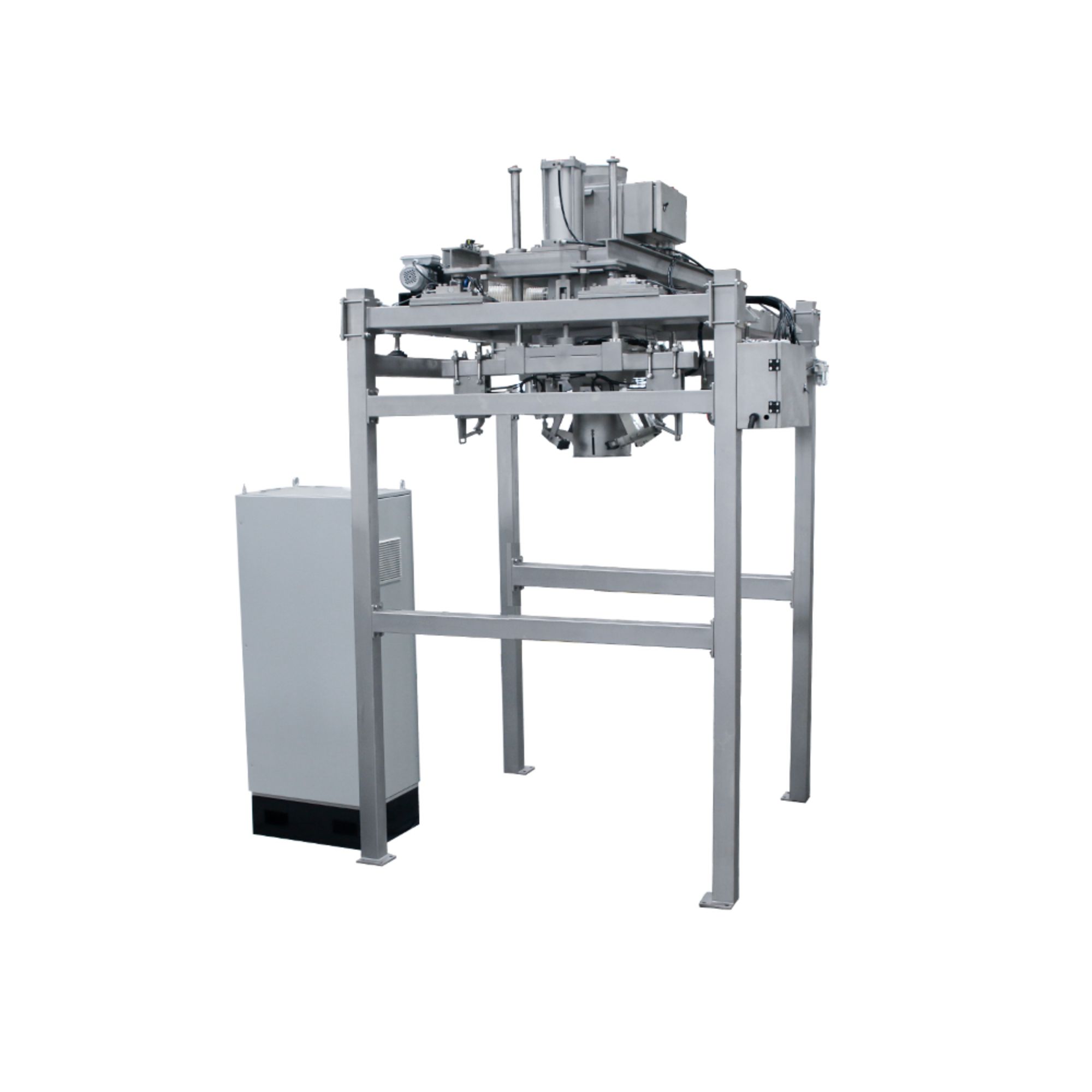
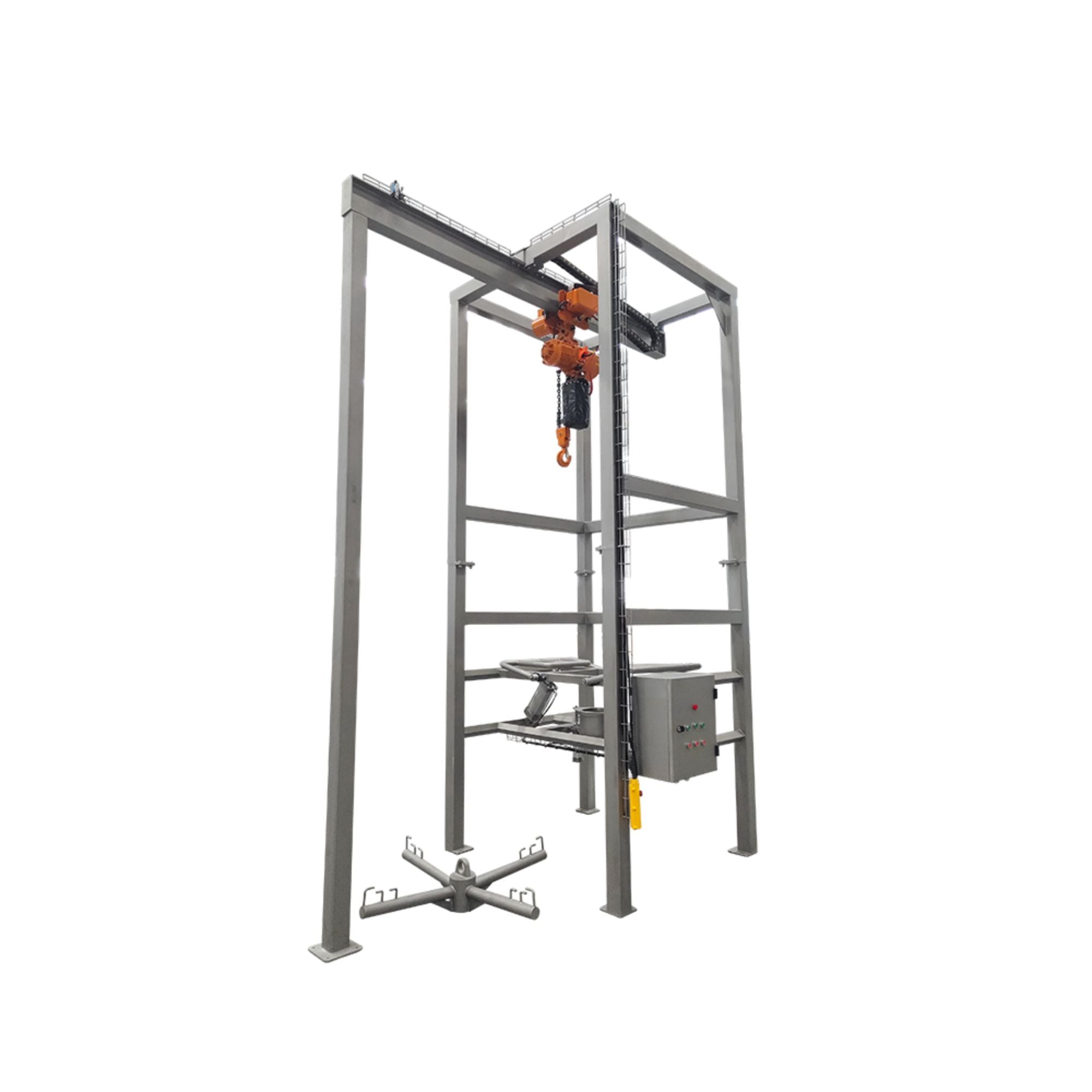
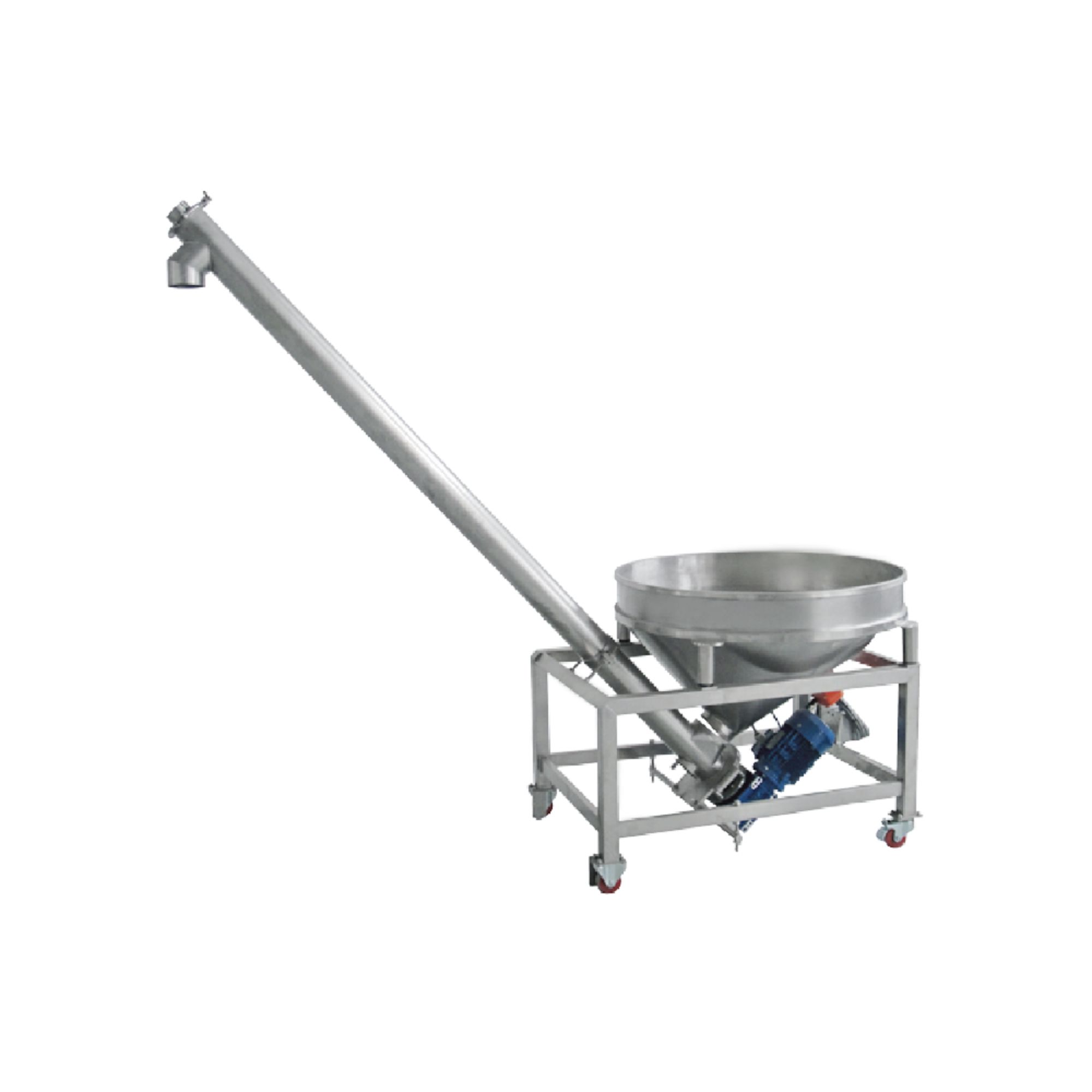
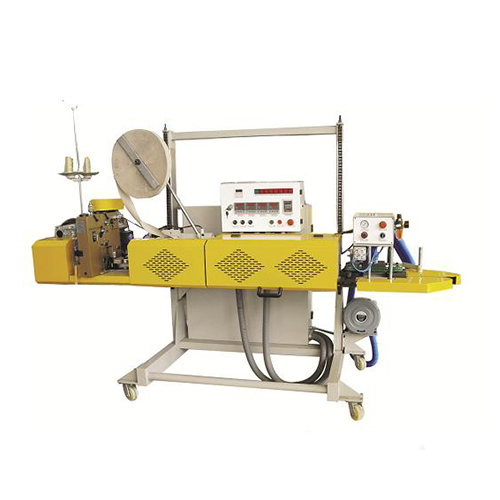
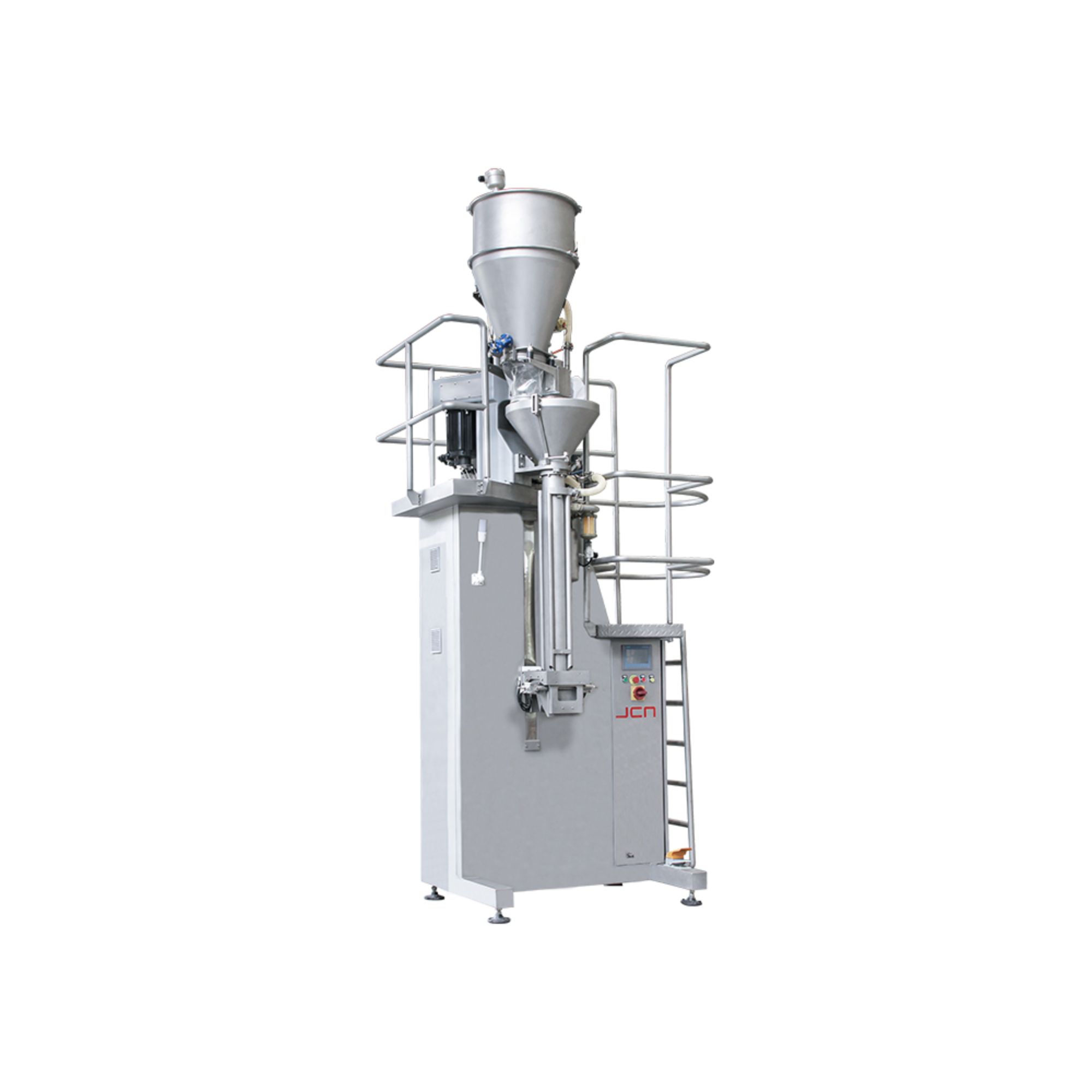
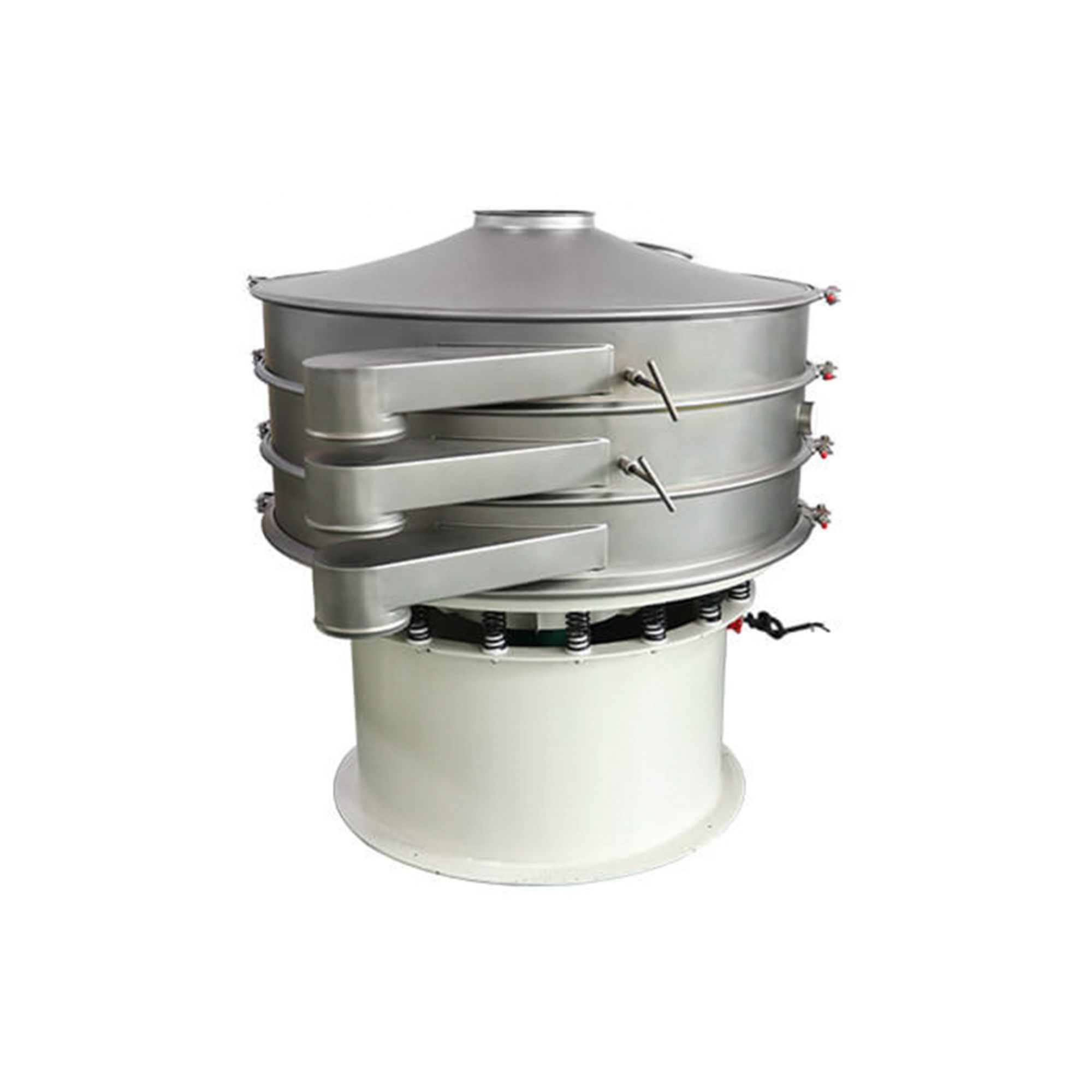
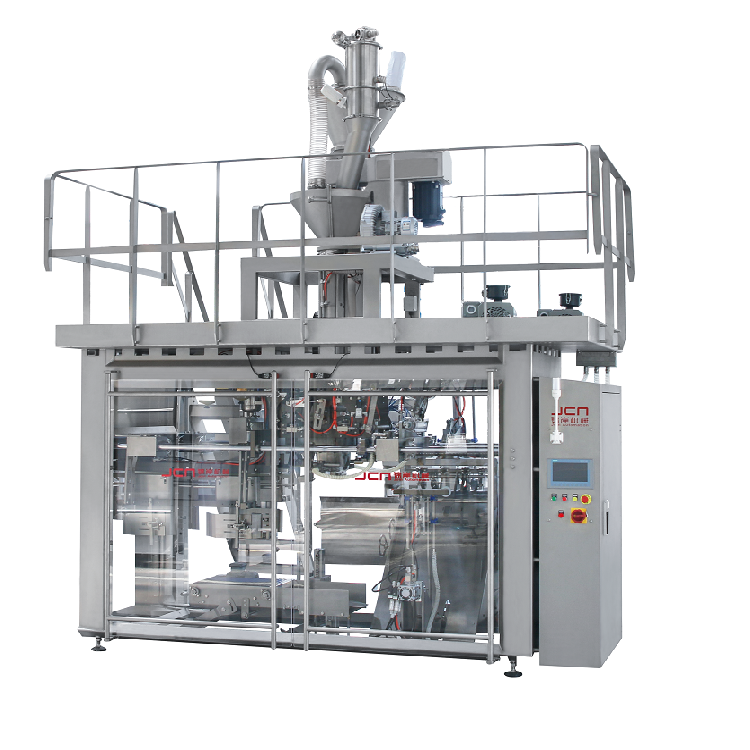
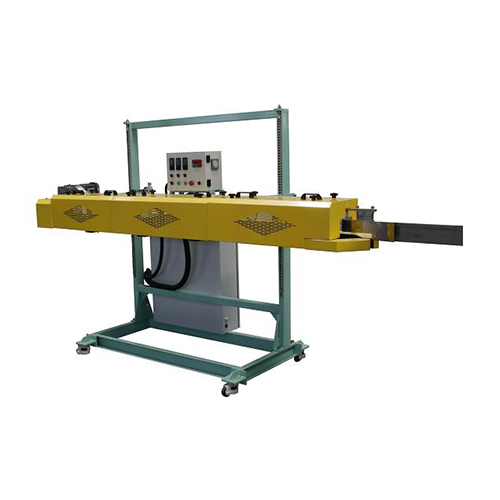
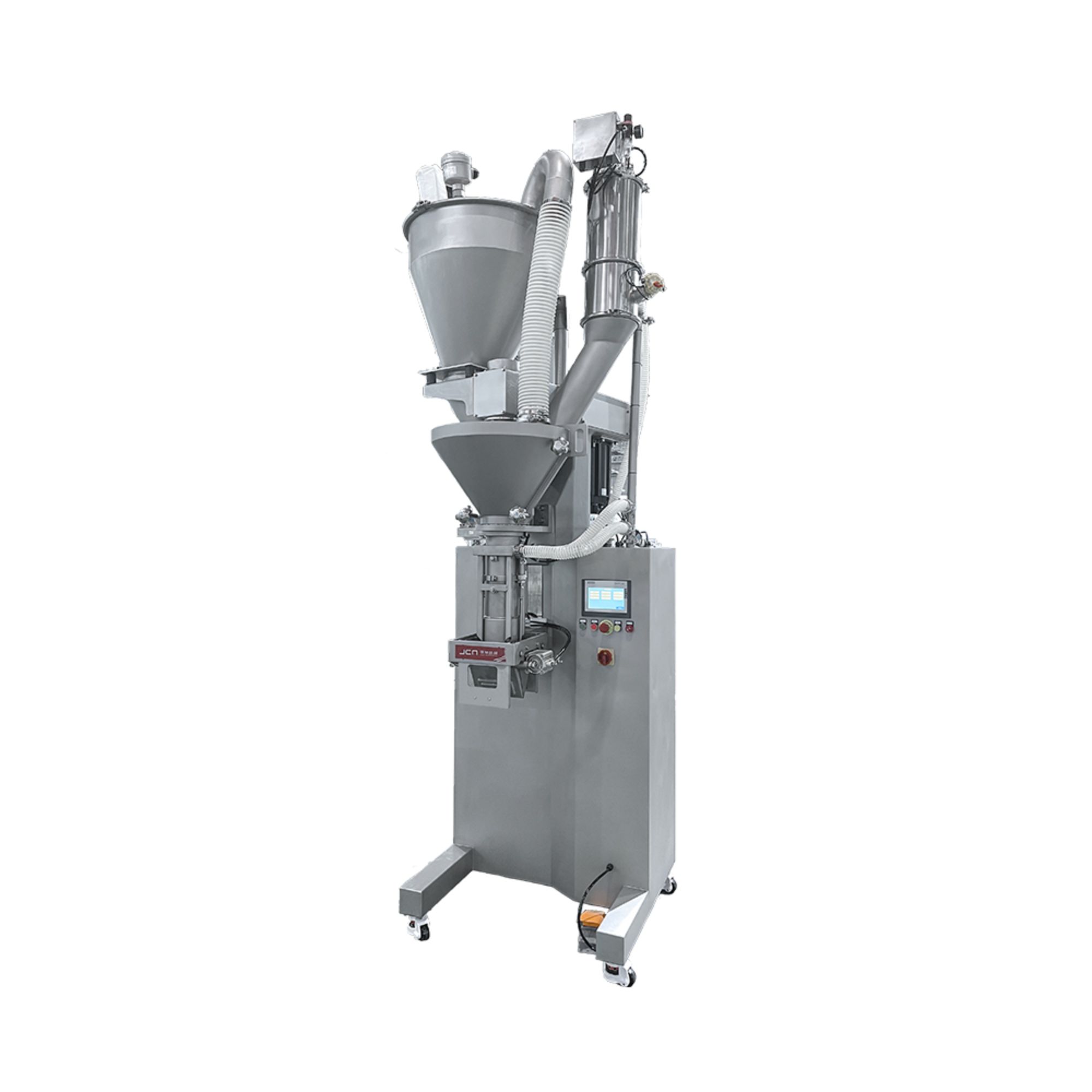
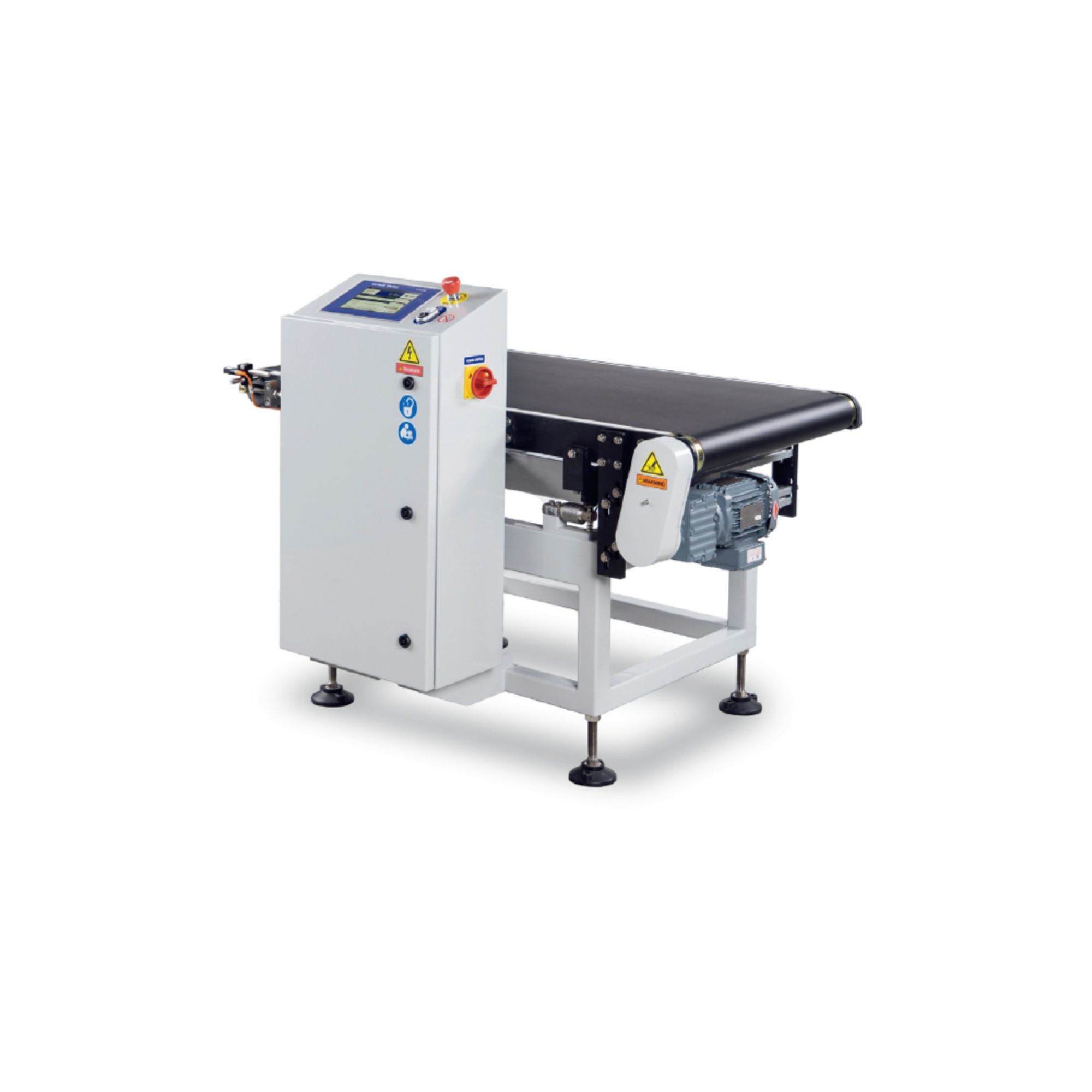
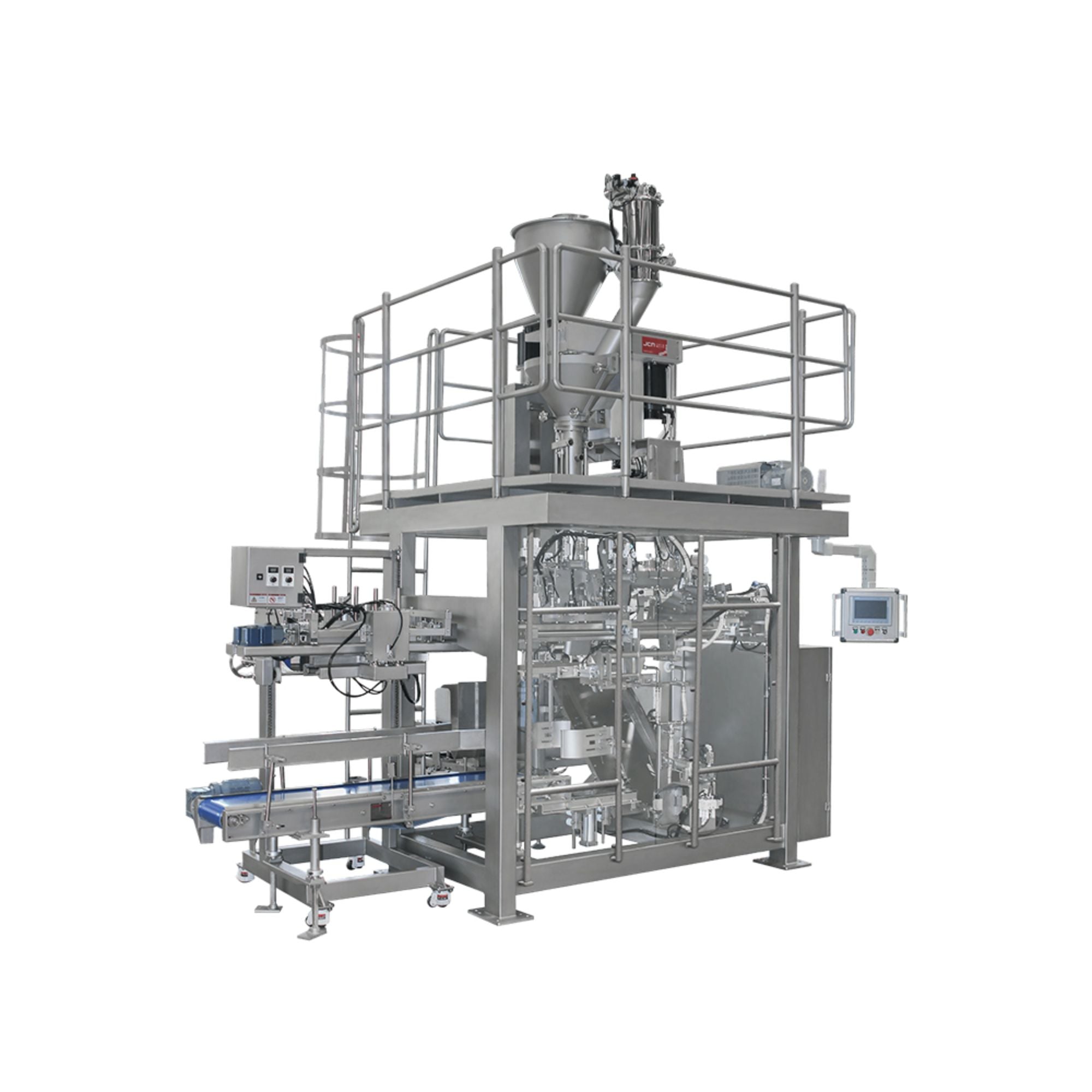
Bulk bag unloading stations are specialized systems designed to facilitate the safe and efficient transfer of bulk materials from large bags into production processes. For B2B buyers in industries such as food, pharmaceuticals, and new materials, selecting the right unloading station is crucial for optimizing workflow, ensuring material integrity, and managing costs. This article will help you understand the key considerations when choosing a Bulk bag discharger, including applications, cost factors, common issues, and essential purchasing insights.
Selecting the appropriate JCN bulk bag unloading station involves assessing several critical factors, including the type of material being handled, the required throughput, and the specific application environment. Key specifications to consider include:
Material Compatibility: Ensure the unloading station is made from materials that can handle the specific bulk product, particularly in sensitive applications like pharmaceuticals or food processing where contamination must be avoided.
Weight Capacity: Different stations are designed to accommodate varying bag sizes and weights. Confirm that the station can support the maximum weight of the Bulk bag filling equipment you intend to use.
Integration with Existing Systems: Consider how the unloading station will interface with current production equipment. The ability to seamlessly integrate with conveyors or mixers can significantly enhance efficiency.
Safety Features: Look for stations with built-in safety measures, such as emergency shut-off systems and dust collection features, to maintain a safe working environment.
Customization Options: Depending on your application, you may need a tailored unloading solution. Discuss customization capabilities with your supplier to meet specific operational requirements.
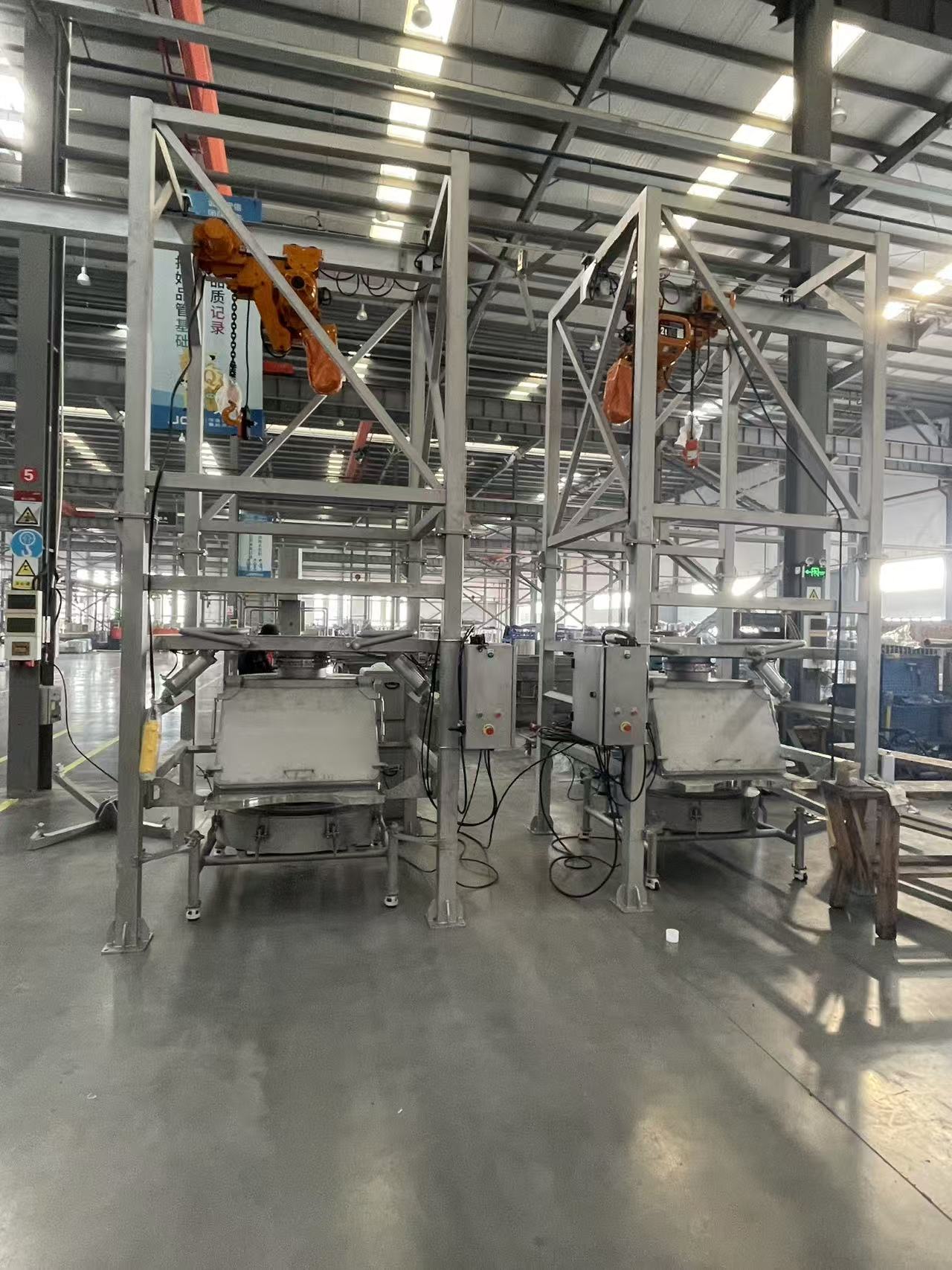
Cost is a significant consideration for any B2B purchasing decision. When evaluating JCN bulk bag unloading stations, consider the following factors that can influence pricing:
Material Construction: The choice of materials (e. g., stainless steel vs. carbon steel) can impact both initial costs and long-term durability. Stainless steel, for instance, is typically more expensive but offers superior corrosion resistance, making it ideal for food and pharmaceutical applications.
Automation Level: Fully automated systems will generally incur higher upfront costs but may lead to savings in labor and increased productivity over time.
Customization: Custom features can add to the cost. Be sure to evaluate whether these features are necessary for your application or if a standard model will suffice.
Maintenance Costs: Consider the long-term costs associated with maintenance and repairs. A more robust design may have a higher initial cost but could save money over time by reducing downtime and maintenance frequency.
Supply Chain and Shipping: Shipping costs can vary based on the bulk bag unloading station's size and weight. Ensure to factor these into your total cost assessment.
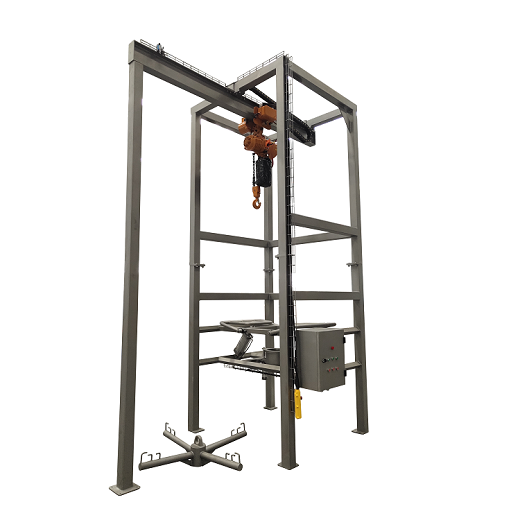
Bulk bag unloading stations are versatile and used in various industries for different applications:
Food Industry: They are often used to transfer dry ingredients such as flour, sugar, and grains into processing equipment, where hygiene and material integrity are paramount.
Pharmaceuticals: Here, unloading stations must meet strict regulatory standards to prevent contamination and ensure accurate dosing of active ingredients.
Construction Materials: In construction, bulk bag unloading systems assist in handling materials like sand, gravel, or cement, where efficiency and speed are critical.
Chemical Processing: For chemicals, unloading stations must be designed to handle potentially hazardous materials safely, ensuring proper containment and worker safety.
Understanding the specific needs of your industry will help you select a bulk bag unloading station that optimally supports your operations.
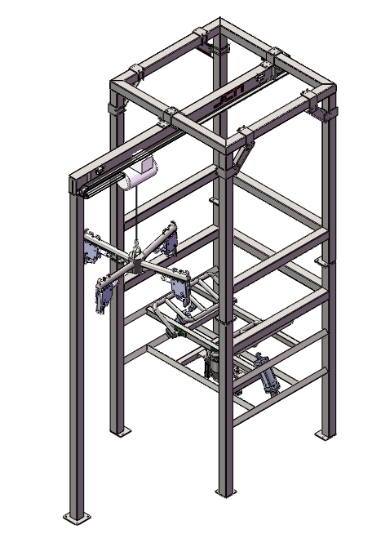
While JCN bulk bag unloading stations are essential for efficient material handling, they can encounter several common issues. Being aware of these can help you address them proactively:
Clogging: Material buildup can occur, especially with powders that have cohesive properties. Implementing a vibration system can help ensure smooth flow and prevent blockages.
Dust Generation: Dust can pose health risks and lead to product loss. Selecting a station equipped with dust collection systems can mitigate this issue.
Inconsistent Flow Rates: Variability in flow can disrupt processes. Using a flow aid or adjusting the discharge opening can help maintain consistent material flow.
Mechanical Failures: Regular maintenance checks are crucial to prevent breakdowns. Establish a routine inspection schedule to identify potential issues before they lead to operational delays.
JCN business focuses on production of powder handling equipment and technology.Our main products currently comprise bag dumping, mixing, weighers, automatic bagging robotic palletising systems that is extensively utilized in food, new-material and Bag sewing machineindustry, earning company a good reputation.We are company committed to providing professional solutions to our customers through a thorough understanding of their needs.
JCN has received CE certificates as well as ISO 9001:2015 Powder filling machine. All of our products, assembled and tested before shipping, are created 100% in our factory. The customer can also request an inspection to make sure that they will meet your expectations.
"JCN is focused the research and development of food packaging machinery. have taken advanced packaging machinery technology from overseas as well made improvements advancements. "We are open 24 hours a day online case you have any concerns about the operation your Packing automatic machine, please don't hesitate to reach us."
JCN has manufacturing plant that spans 30000 square Bag sewing machinelocated Nantong, Jiangsu Province. JCN has grown to become one the leading firms that designs engineers, produces, provides state-of--art handling equipment.