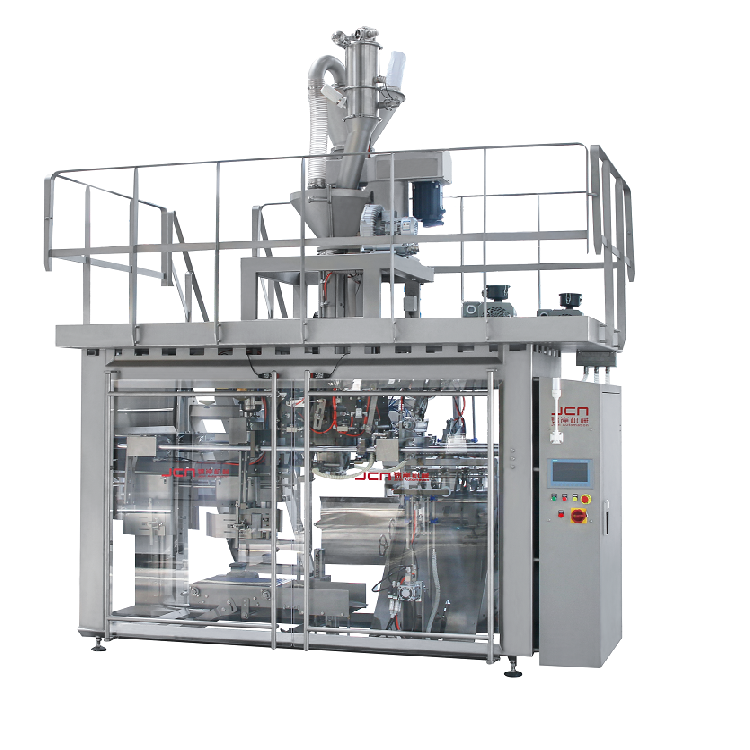
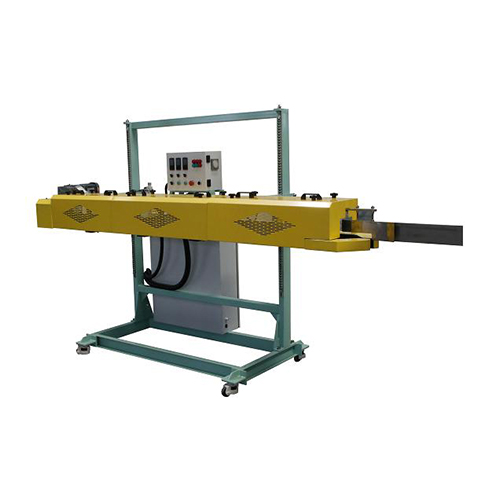
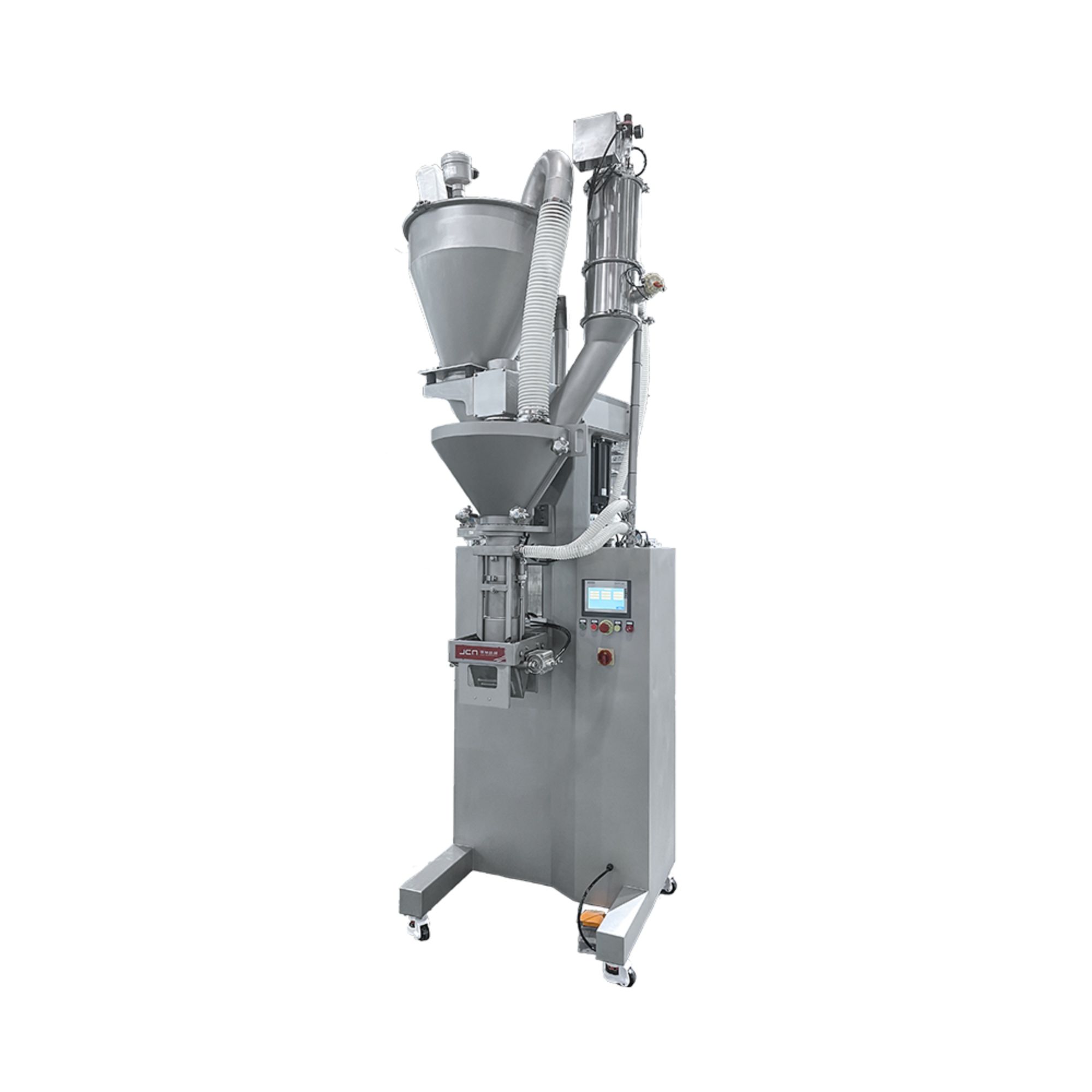
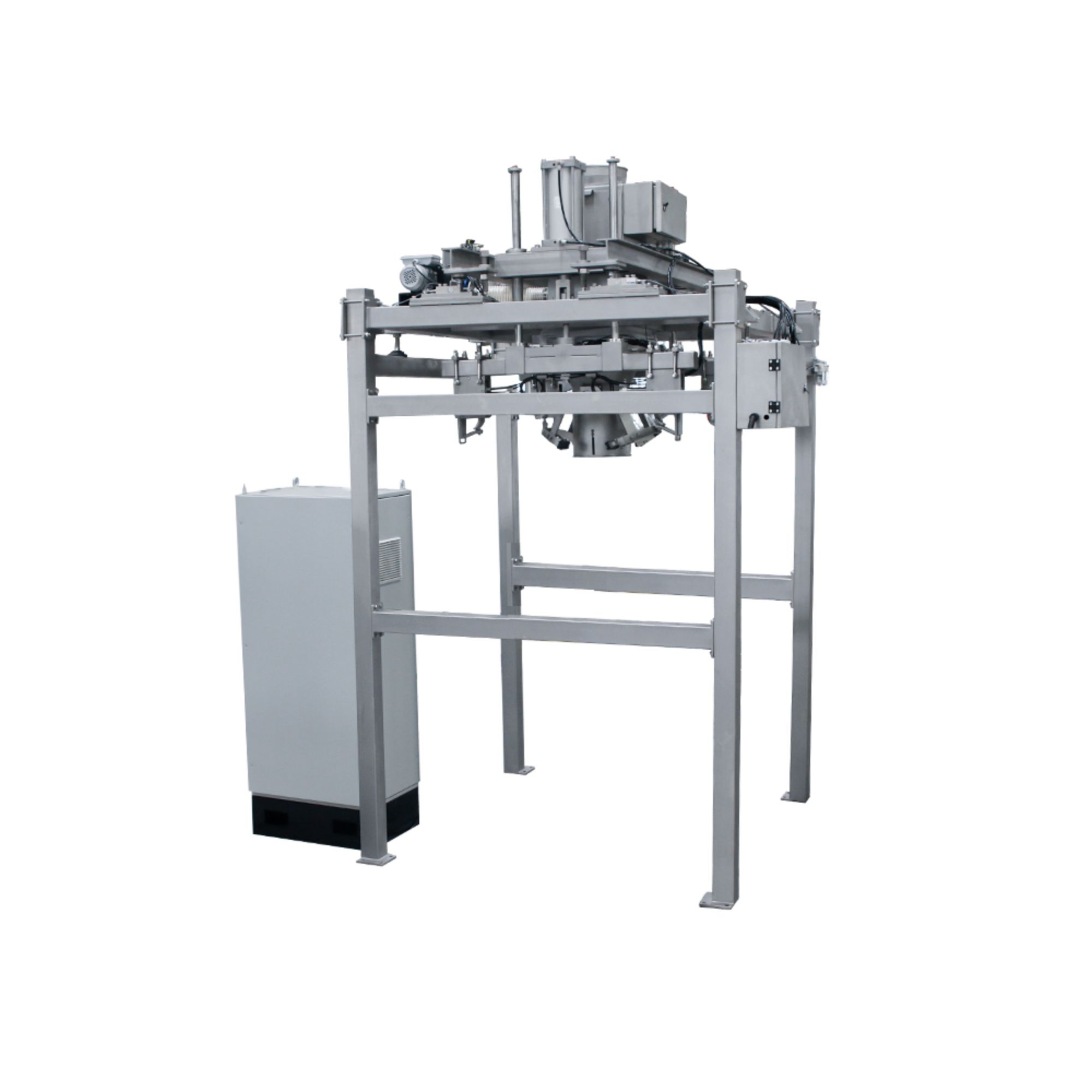
When considering a filling machine for powder, B2B buyers face various challenges and decisions. A filling machine is essential for ensuring the precise and efficient packaging of powdered materials across industries such as food, pharmaceuticals, and new materials. This article aims to help purchasing managers, engineers, and product managers navigate the complexities of selecting the right powder filling machine, highlighting key specifications, sourcing suppliers, cost considerations, and common operational challenges.
Selecting the right filling machine for powder involves understanding your specific application and operational requirements. Consider factors such as the type of powder being filled, the desired filling speed, and the level of automation required. For instance, fine powders may require specialized handling to prevent dusting and ensure accurate filling, while granulated materials may not pose the same challenges.
Buyers should also evaluate the filling volume and packaging type. Machines can be designed for various container types, including bags, boxes, and bottles. It’s essential to match the filling machine's capabilities with your production volume and the size of the containers. Additionally, consider whether you need a semi-automatic or fully automatic solution, depending on labor availability and production scale. For fully automated solutions, options like the JCN-G1-1A Auto Bag Placer can significantly enhance efficiency in packaging lines.
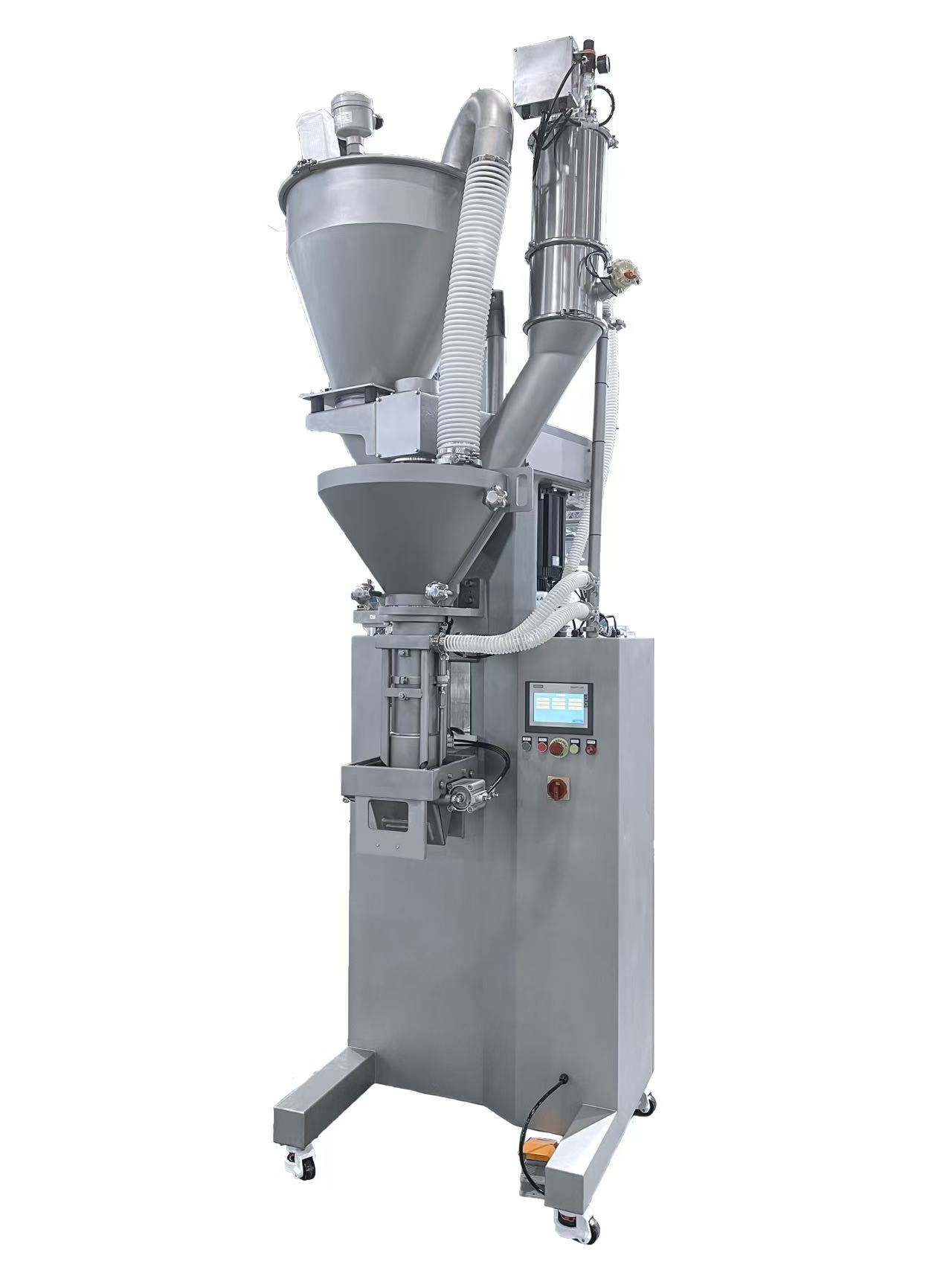
When sourcing a filling machine for powder, several specifications should be prioritized. Key features to consider include:
Filling Accuracy: Precision is critical when dealing with powder materials. Look for machines that offer adjustable filling volumes and advanced accuracy features, such as weight-based filling.
Material Compatibility: Ensure that the machine's construction materials are suitable for the specific powder being handled. For instance, corrosive powders may require stainless steel components to prevent degradation.
Ease of Cleaning: Machines should be designed for easy disassembly and cleaning to maintain hygiene standards, especially in food and pharmaceutical applications. Look for features such as quick-release mechanisms and smooth surfaces.
Automation Features: Depending on production needs, consider machines with integrated automation systems that can enhance efficiency, such as sensors for detecting fill levels or automatic shut-off systems.
Customization Options: Each production line has unique requirements. A reputable manufacturer should offer customization options to tailor the machine's features to your specific needs. For example, companies like those producing Thermoforming Packing Machines often provide tailored solutions for specific applications.
Finding reliable suppliers for powder filling machines is crucial. Start by identifying manufacturers with proven expertise in powder material handling equipment. Look for companies that have experience in your specific industry, whether it's food, pharmaceuticals, or other sectors.
Industry trade shows and exhibitions are excellent venues to meet potential suppliers and evaluate their machines firsthand. Online platforms and industry directories can also help you compile a list of manufacturers. When evaluating suppliers, consider their reputation, customer reviews, and case studies showcasing successful implementations.
Establish communication with potential suppliers to discuss your specific needs and request detailed product specifications. It’s advisable to ask for references from existing customers to gauge satisfaction and reliability.
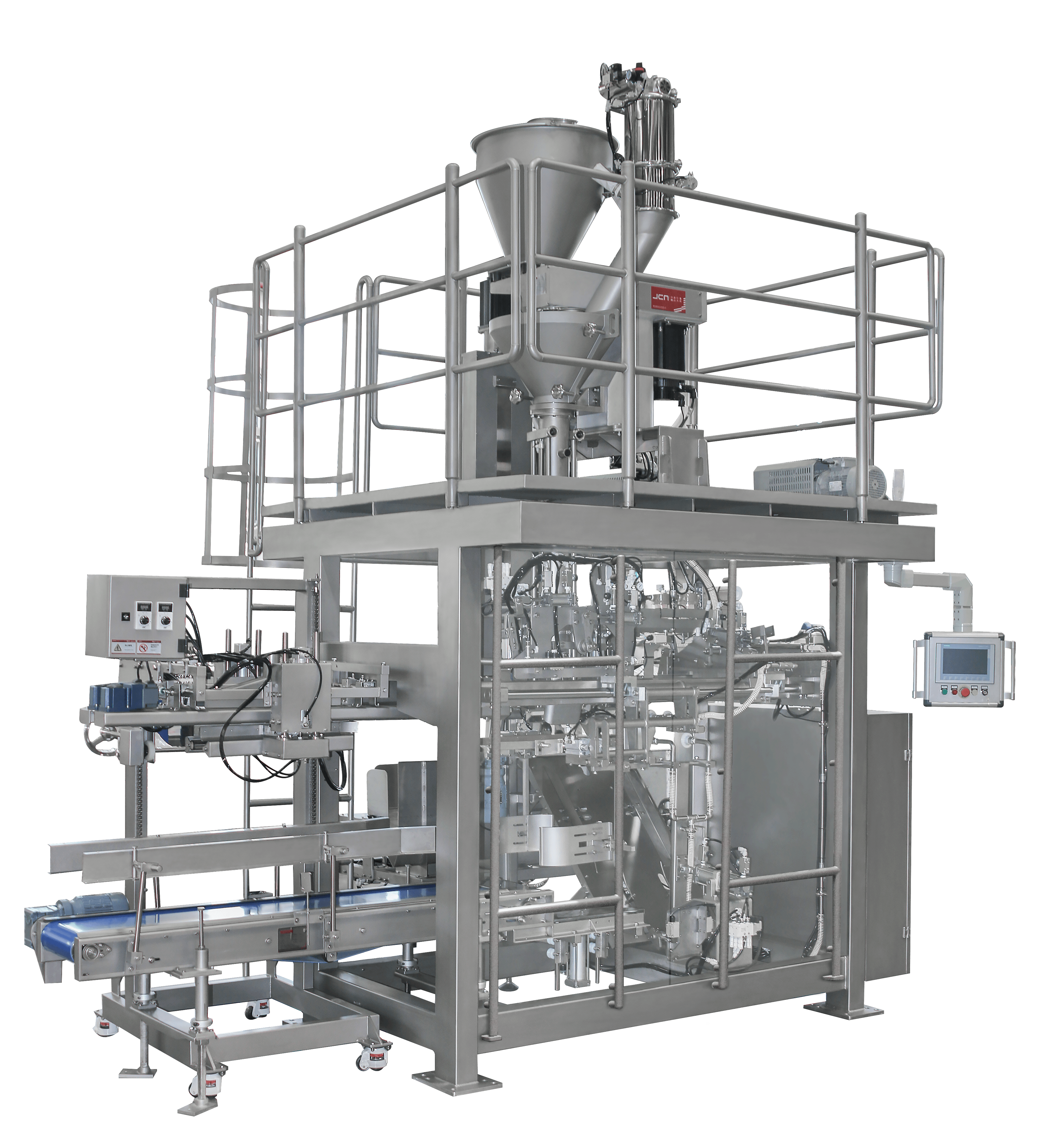
The cost of a filling machine for powder can vary significantly based on several factors. Key considerations include:
Machine Type and Features: More advanced machines with higher automation levels will generally cost more. Understand the features that are essential for your application and budget accordingly.
Production Capacity: Machines designed for higher production rates may have a higher upfront cost but can lead to lower operational costs over time due to increased efficiency.
Customization: Custom features specific to your application can increase the initial investment. However, these features may be necessary to ensure the machine meets your precise operational requirements.
Maintenance: Consider ongoing maintenance costs, including replacement parts and service fees. Machines that are easier to maintain may offer long-term cost savings.
Supplier Support: Evaluate the warranty and support services provided by the manufacturer. A strong support system can save costs in the long run by preventing downtime.
JCN has been certified ISO 9001:2015 have been awarded a CE certificate several utility patent certificates.And all our products 100% made in our factory,assembled and then tested before being delivered. Customers can also examine items to make sure that they in compliance with their Mixer vertical.
"JCN concentrates R and D of food packaging equipment. have developed and Dumping stationpackaging machinery technologies imported from abroad. "are accessible 24/7 online, so if you have any queries about operation your machine, please don't hesitate to contact us."
JCN a manufacturing that covers 30,000 square meters Nantong city in Jiangsu province.And has become one of most prominent companies which designs, engineer, manufacturing and supply modern powder material handling equipment.We keep in mind principle of delivering value to our clients, through prompt communication, active Vertical mixerand constantly improving our methods of conduct.
JCN business involves manufacturing powder handling equipment as well as technology.Our main products currently comprise bag dumping, mixing, weighting, auto bagging, robotic palletising system that has been extensively used the food, new material as well as pharmaceutical industry, have earned an excellent Vertical blender.We are a business committed providing professional solutions for our customers based on an in-depth understanding of customer's needs.