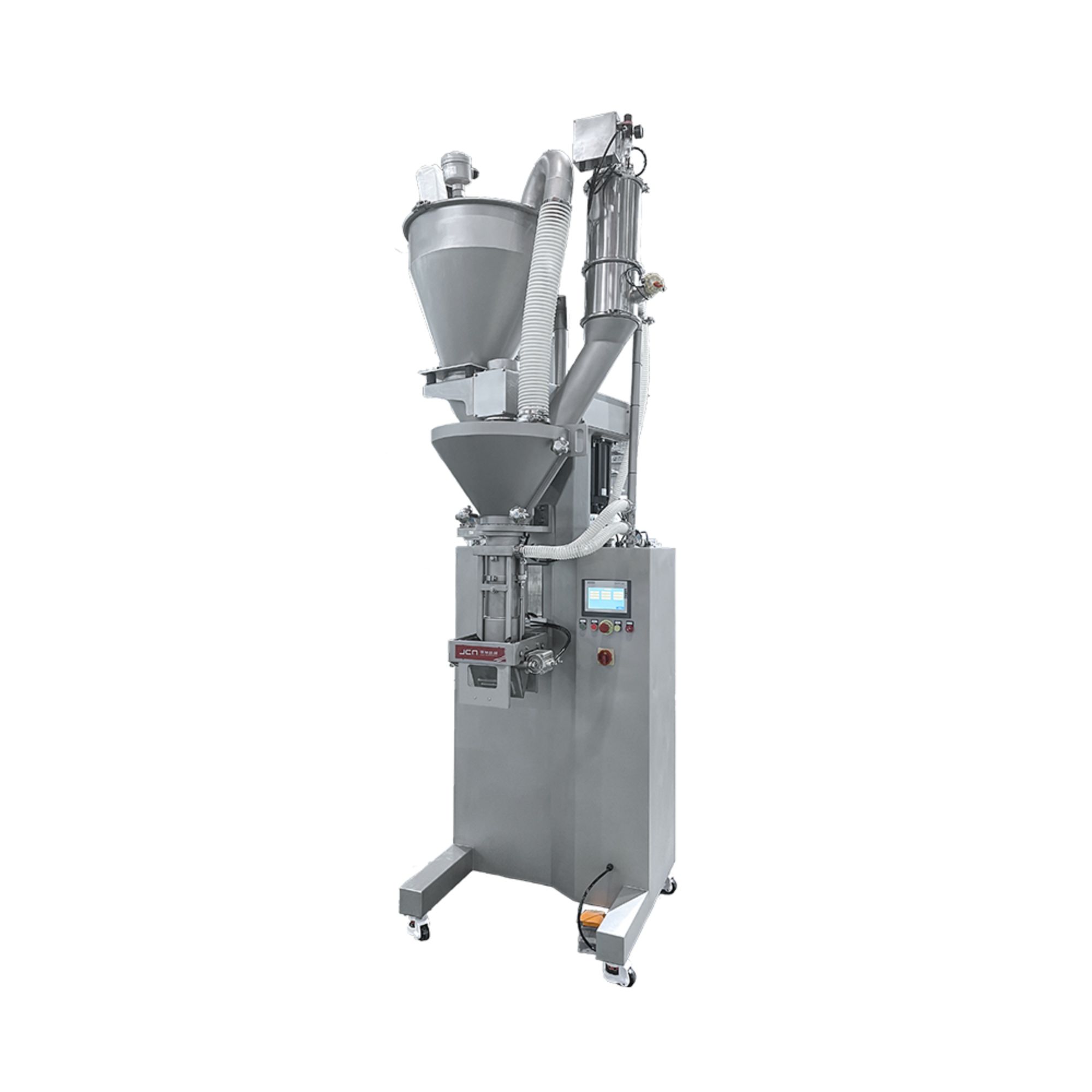
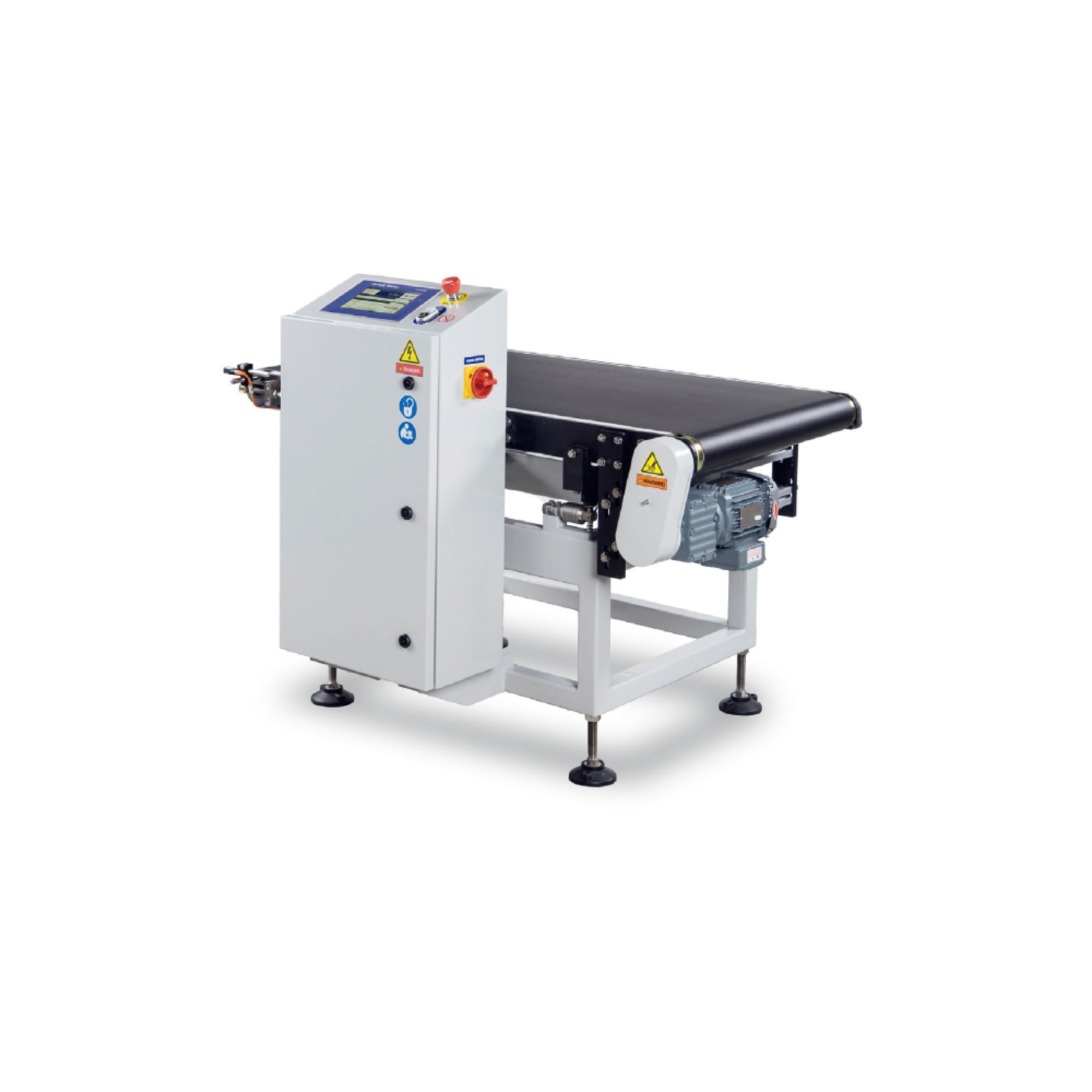
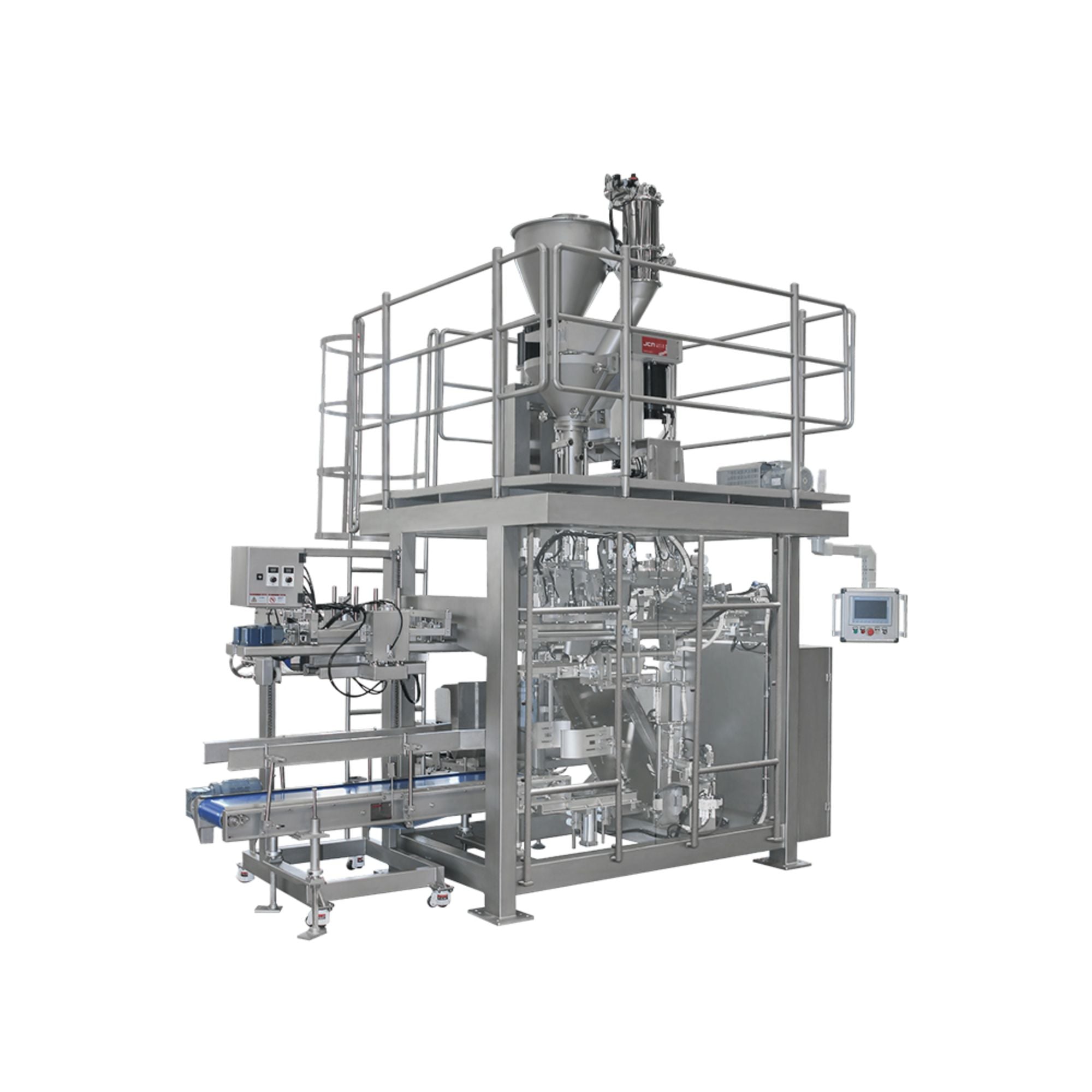
Choosing the right spices powder packing machine is crucial for companies in the food, pharmaceutical, and new materials industries. These machines enhance efficiency, ensure product quality, and reduce operational costs. Buyers often face concerns regarding specifications, compatibility with existing systems, and long-term performance. This article will guide you through selecting the right machine, evaluating key specifications, understanding cost factors, addressing common installation challenges, and comparing various options to meet your business needs effectively.
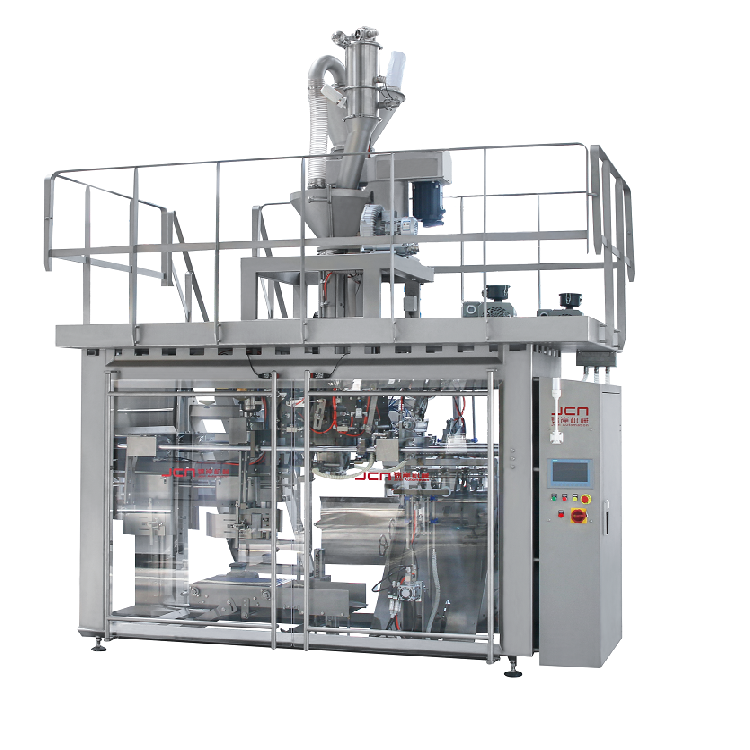
Selecting the appropriate spices powder packing machine involves several considerations tailored to your specific requirements. Begin by evaluating the type of spices you will be packing, as different spices may have unique moisture contents, particle sizes, and flow characteristics that affect packaging. For instance, you might find that a Thermoforming Packing Machine is particularly suited for certain types of spice packaging.
Next, consider the machine's capacity and speed. Depending on your production volume, you may need a machine that can handle larger batches or operate at higher speeds without compromising quality. For instance, if you produce various spice products, a machine with adjustable settings for different granule sizes may be beneficial.
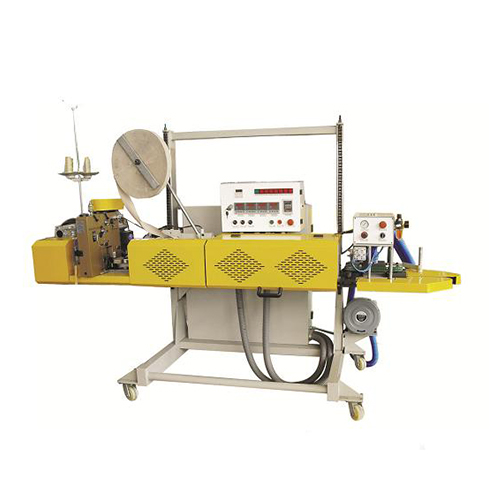
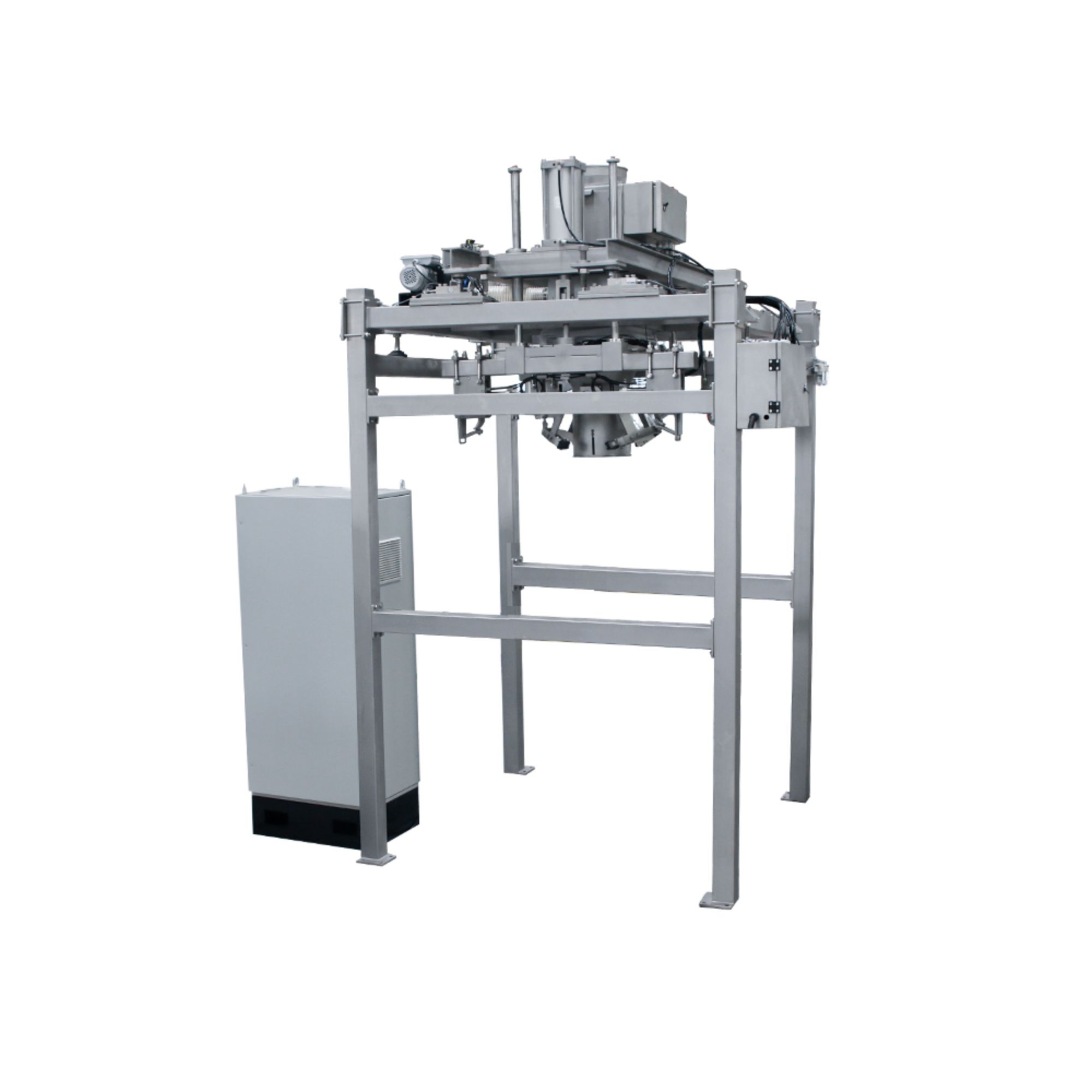
Compatibility with your existing production line is another key factor. Ensure that the machine can integrate smoothly with other equipment, such as mixers or conveyors. Additionally, consider features like automated filling, sealing, and labeling capabilities, which can enhance efficiency and reduce manual labor. Machines such as the JCN-G1-1A Auto Bag Placer could be ideal for such tasks.
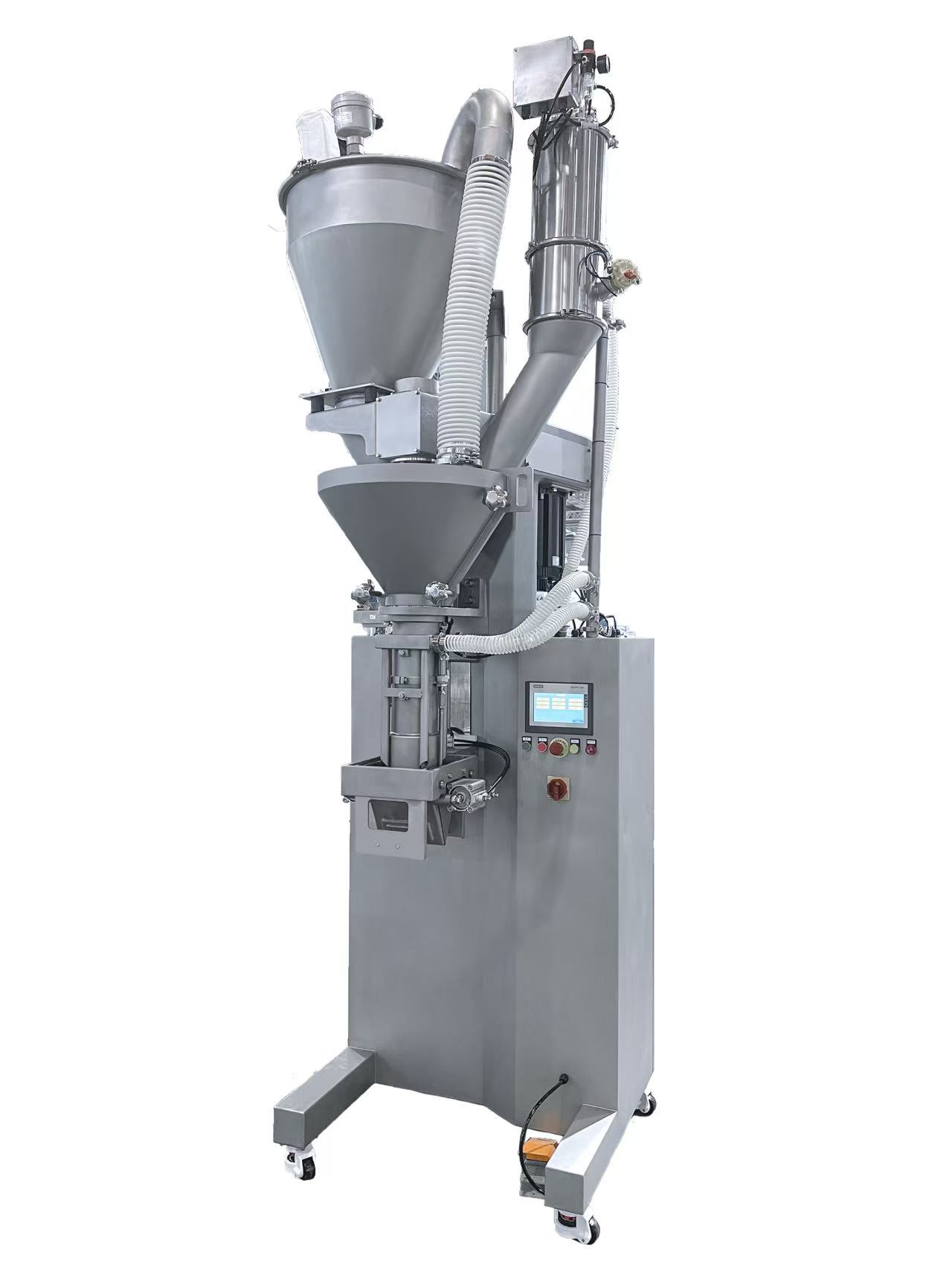
When evaluating spices powder packing machines, several technical specifications should be prioritized:
Filling Accuracy: This specification is critical for maintaining consistency in product weight and volume. Machines with advanced weighing systems can reduce product loss and ensure compliance with regulatory standards.
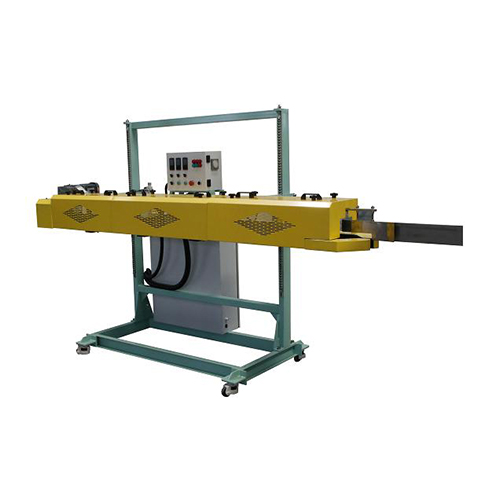
Sealing Technology: The sealing method (e.g., heat seal, cold seal) should match the packaging material used for your spices. A suitable sealing method prevents contamination and extends shelf life.
Material Construction: Machines made from food-grade stainless steel are preferred for their durability and ease of cleaning, which is essential in the food industry. Also, consider the machine's resistance to corrosion and wear, particularly in environments with high humidity.
User Interface: An intuitive control panel can streamline operations and reduce training time for staff. Look for machines equipped with programmable settings and easy-to-read displays.
Maintenance Requirements: Choose a machine that offers easy access for maintenance and cleaning, which is particularly important for minimizing downtime.
Understanding the total cost of ownership is essential when purchasing a spices powder packing machine. Key cost factors include:
Initial Purchase Price: While it’s tempting to opt for the lowest price, consider the long-term reliability and efficiency of the machine. A higher upfront investment may lead to greater savings over time through increased productivity and reduced maintenance costs.
Operational Costs: Analyze the cost of consumables, such as bags or containers, and any additional materials needed for operation. Energy consumption is another critical factor; machines that are energy efficient can significantly lower operational expenses.
Installation and Training: Factor in costs associated with installation and training for staff. Proper installation is vital for machine performance, and comprehensive training can help minimize operational errors.
Warranty and Support: Evaluate warranty options and after-sales support services. Machines with robust support and service packages can reduce long-term costs associated with breakdowns or repairs.
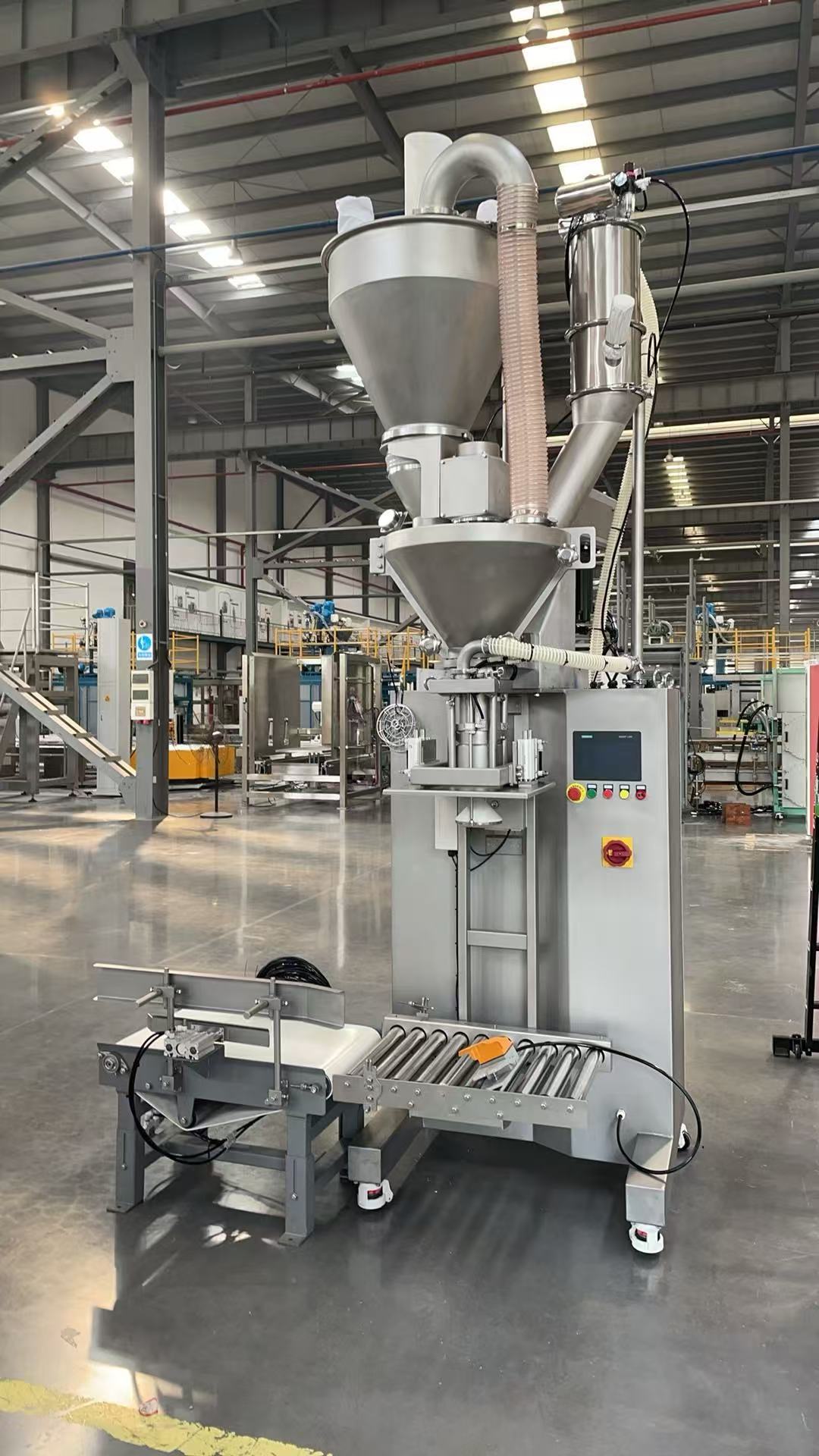
Installing a spices powder packing machine can come with various challenges. Here are common issues to anticipate:
Space Constraints: Ensure that the designated area for the machine can accommodate its size and any necessary accessories. Consider the space required for operator movement and maintenance access.
Utility Connections: Verify that your facility has the appropriate power supply and plumbing connections for the machine. Mismatches can delay installation and increase costs.
Integration with Existing Systems: Compatibility with current production lines is crucial. Conduct a thorough assessment of how the new machine will connect with existing equipment to avoid bottlenecks in production.
Calibration and Testing: After installation, it’s essential to calibrate the machine to ensure it operates correctly. Allocate time for testing and adjustments to achieve optimal performance.
"JCN focus R and D food packaging machinery. have taken on the most advanced technology packaging machinery from Sealing and packing machineand made improvements and innovation. We are available 24 hours a day, 7 days week for assistance, if you have any questions about machine operation simply get touch us."
JCN a manufacturer of powder handling equipment and equipment. Our primary products bag dumped, sieving, mixing, industrial weighing, auto-bagging as well as robotic palletising systems. They have been Filling machine for powderwidely in food, new materials as well pharmaceutical industries, earning excellent reputation.
JCN has been certified ISO 9001:2015 have been awarded a CE certificate several utility patent certificates.And all our products 100% made in our factory,assembled and then tested before being delivered. Customers can also examine items to make sure that they in compliance with their Filling machine for powder.
JCN has manufacturing plant that is spread over 30,000 square metres in Nantong, Jiangsu Dumping station. has risen to become one of largest companies that design engineering, engineers, manufactures distributes latest powder handling equipment.