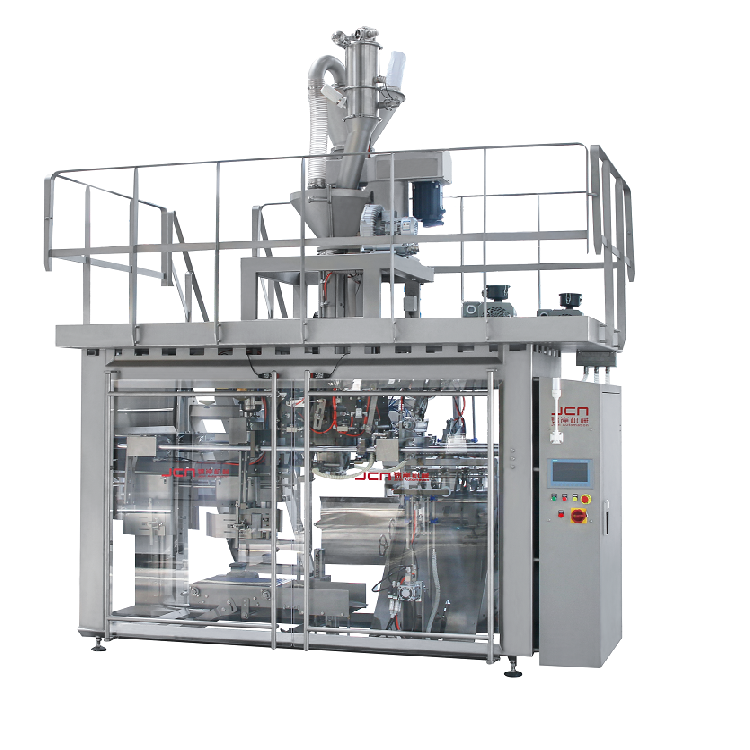
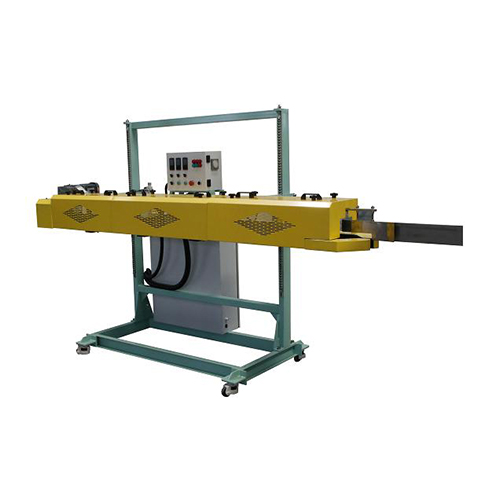
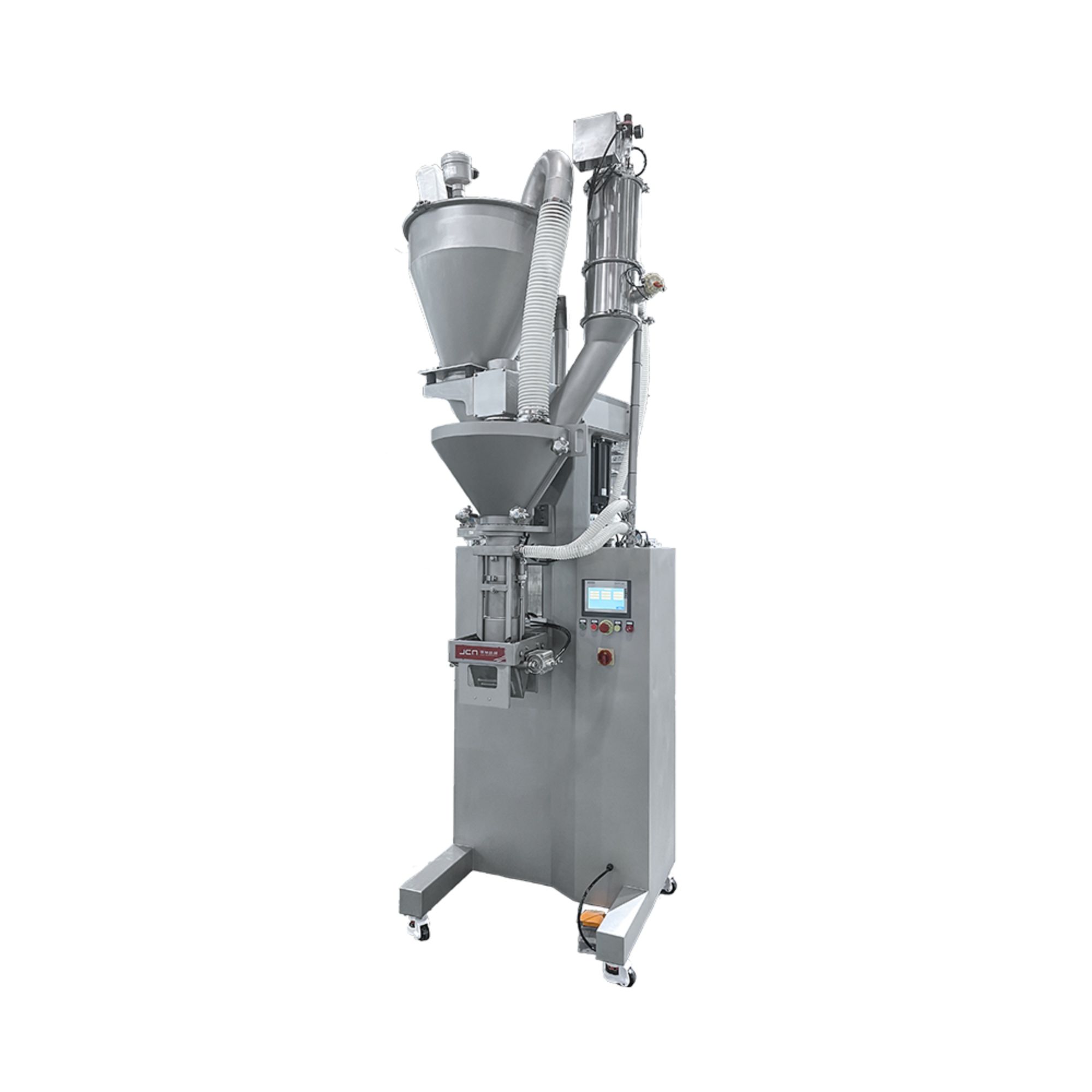
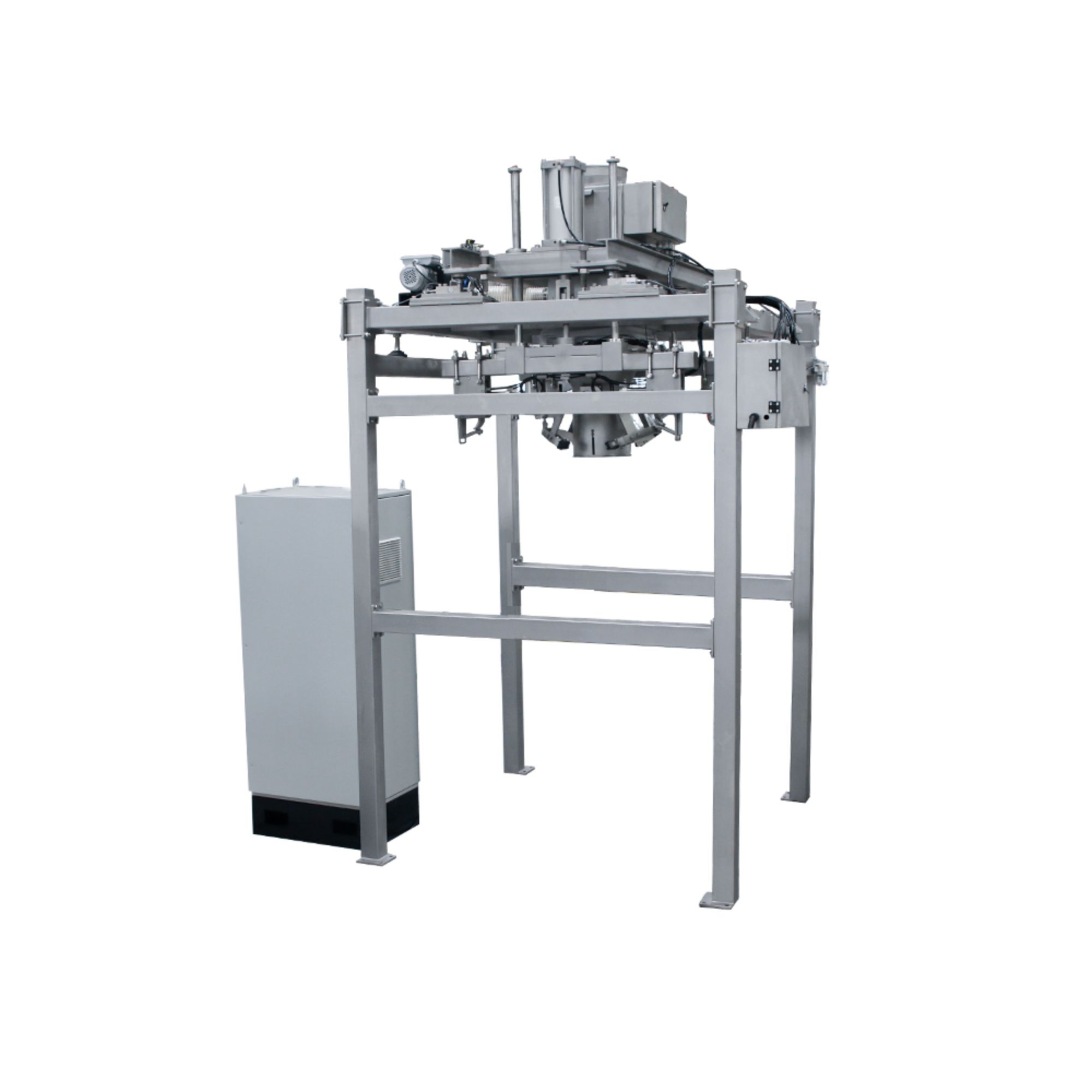
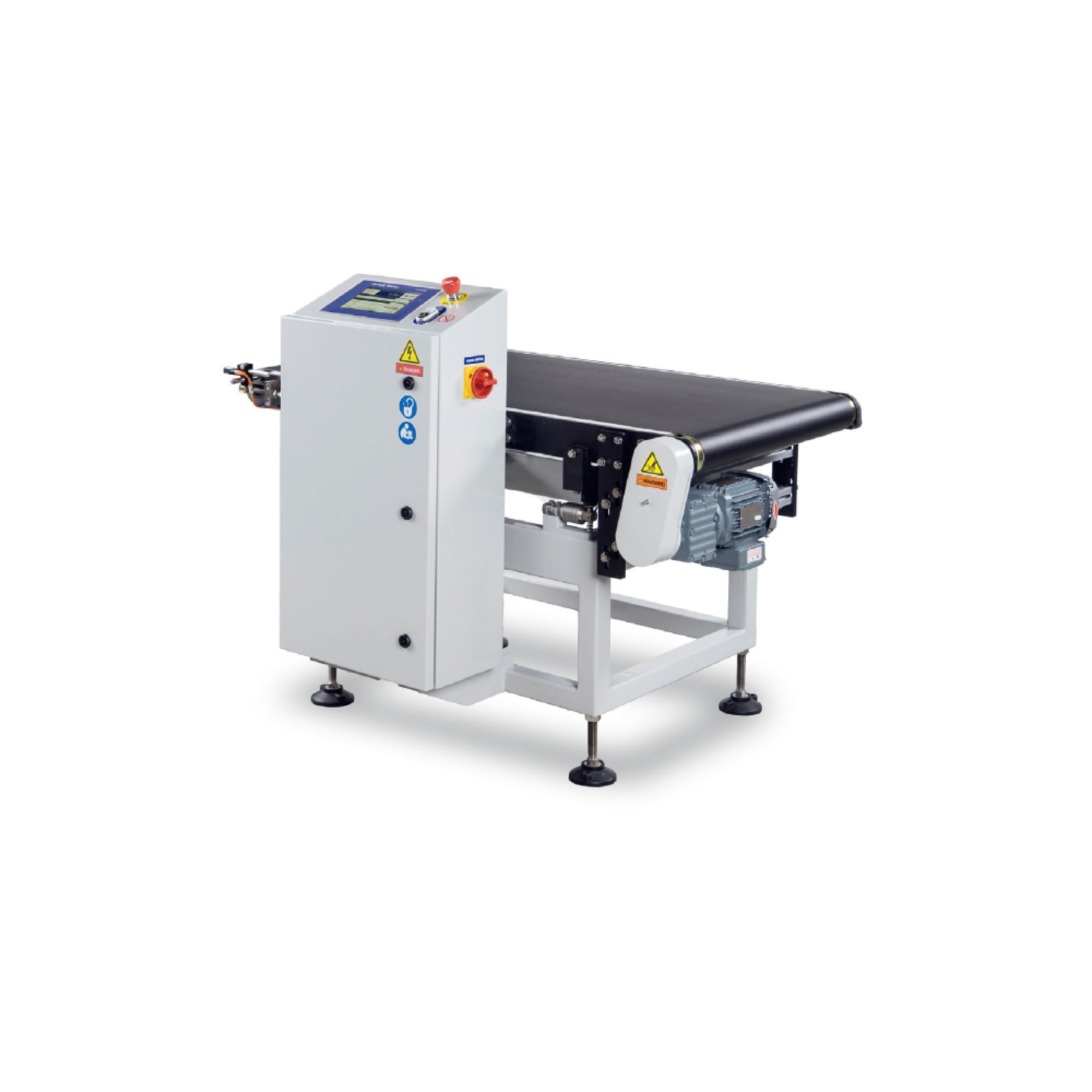
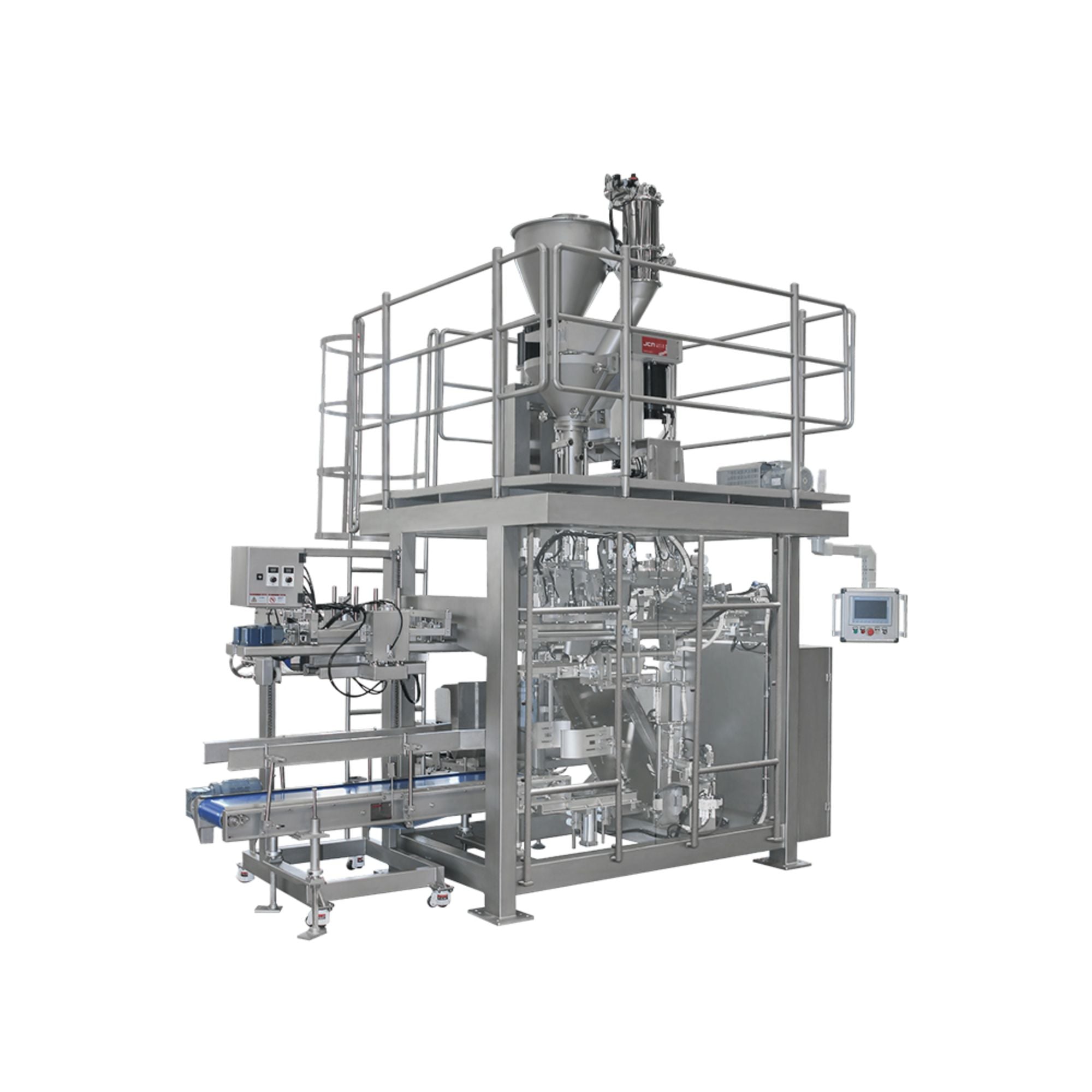
Automatic bagging machines play a critical role in the manufacturing and packaging processes across various industries, including food, pharmaceuticals, and new materials. These machines automate the filling and sealing of bags, ensuring efficiency and precision in operations. For B2B buyers, understanding the features and capabilities of automatic bagging machines is crucial to making informed purchasing decisions. This article will guide you through essential considerations, specifications, and supplier evaluation to help optimize your procurement process.
When comparing automatic bagging machines for bulk orders, it’s essential to assess their performance and suitability for your specific needs. Start by evaluating the machine's capacity, which indicates how many bags it can fill per hour. This is particularly important for high-volume operations where efficiency is paramount.
Next, consider the machine's compatibility with the materials you intend to package. Different machines may handle various types of bags—such as flat, gusseted, or stand-up pouches—so ensure the equipment aligns with your packaging requirements. Additionally, examine the machine's flexibility for different bag sizes, as this can impact your inventory management and production line adaptability.
Don’t overlook the user interface and automation features. Machines equipped with advanced controls and integration capabilities can enhance operational efficiency by minimizing manual intervention. This is particularly important for businesses looking to streamline processes and reduce labor costs.
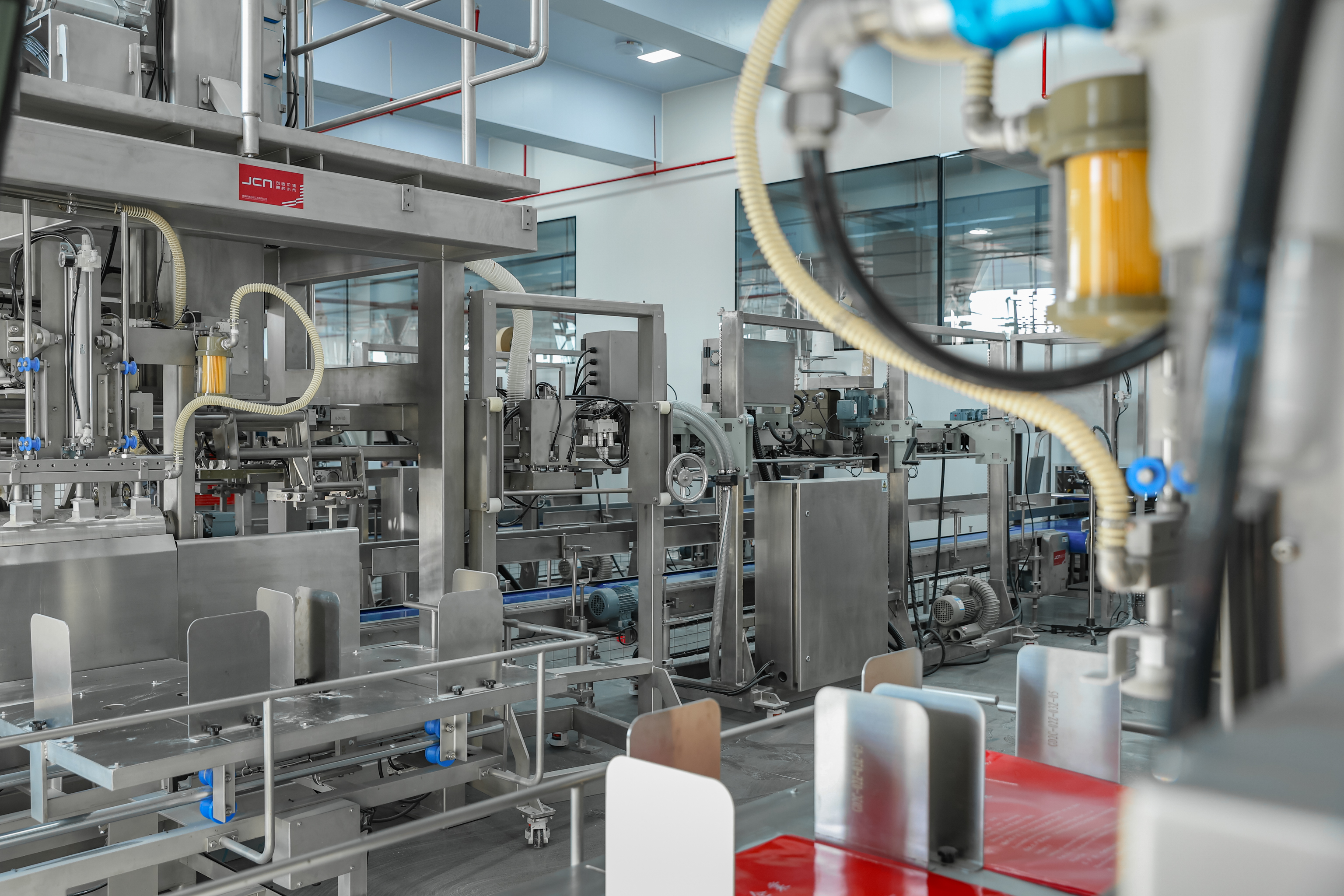
When evaluating automatic bagging machines, several key specifications warrant close attention:
Filling Accuracy: This specification is crucial for maintaining product quality and minimizing waste. Machines should demonstrate consistent filling tolerances based on your product's requirements. Inaccurate filling can lead to customer dissatisfaction and regulatory issues.
Sealing Mechanism: The type of sealing—whether heat sealing, ultrasonic sealing, or other methods—affects the integrity of the package. Ensure the chosen machine’s sealing technology matches the materials of your bags and the specific conditions they will face during distribution.
Speed and Efficiency: Look for machines that optimize production speed without compromising quality. Assess the maximum output rate and consider how it aligns with your operational needs. A machine that can adapt to varying speeds may provide added flexibility for fluctuating demand.
Ease of Maintenance: Evaluate how often the machine requires maintenance and the ease of accessing components for servicing. Machines designed with user-friendly maintenance in mind can help reduce downtime and production disruptions.
Automation Level: Fully automated machines may offer higher efficiencies but could require a greater upfront investment. Assess the balance between initial costs and long-term savings from reduced labor and increased output.
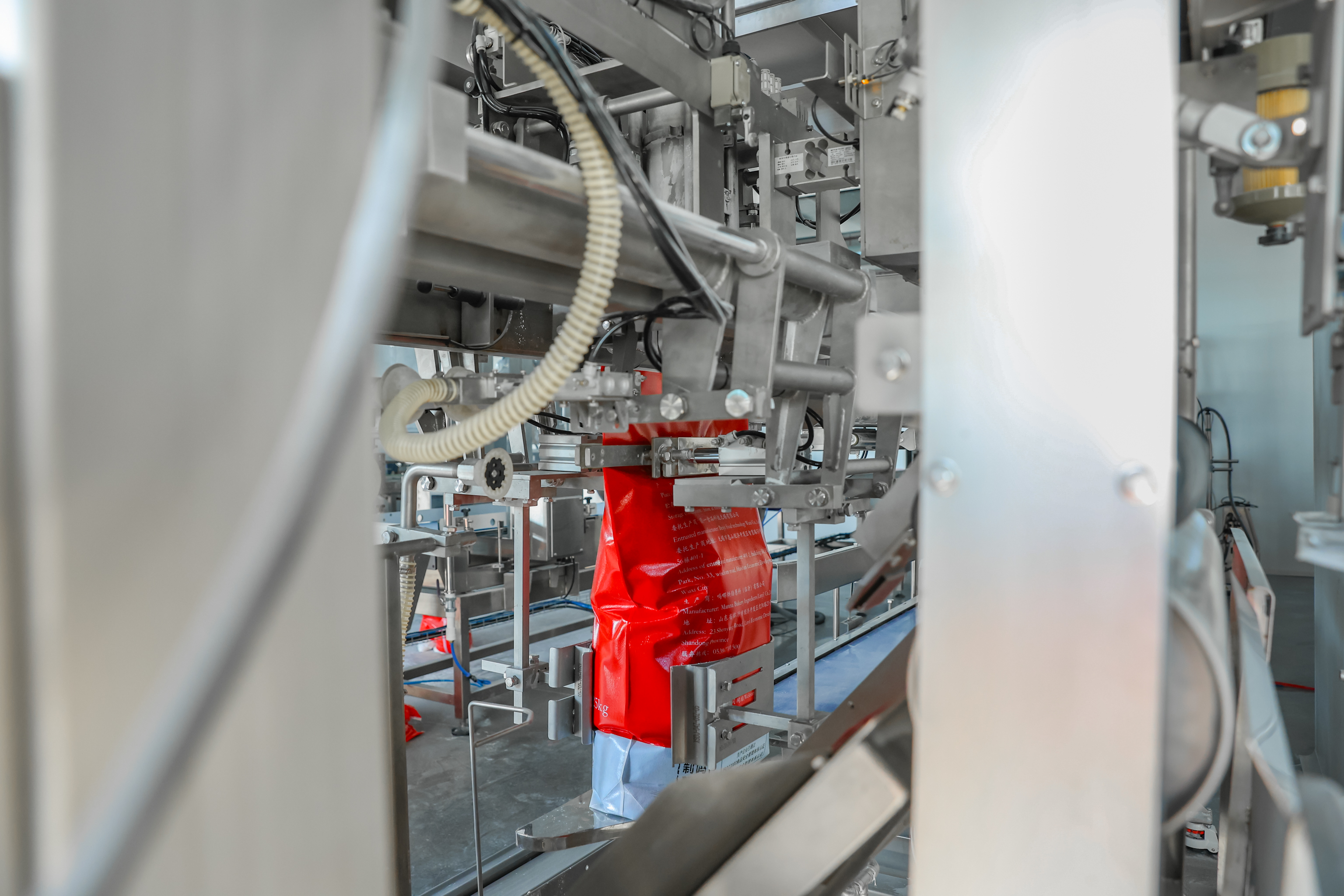
Finding reliable suppliers of automatic bagging machines involves thorough research and evaluation. Start by seeking manufacturers with a proven track record in your industry. Look for companies that specialize in the specific type of bagging machinery you require, such as those tailored for food or pharmaceutical applications.
Review customer testimonials and case studies to gauge the supplier's reputation. A supplier that can demonstrate successful installations and satisfied clients will likely be more trustworthy. Additionally, consider suppliers who offer comprehensive support services, including installation, training, and ongoing maintenance.
Request quotations from multiple suppliers to compare pricing and service offerings. This not only helps you understand market rates but also allows you to assess the value proposition of each supplier. Make sure to inquire about their warranty and after-sales support, as these factors can significantly affect your overall satisfaction with the purchase.
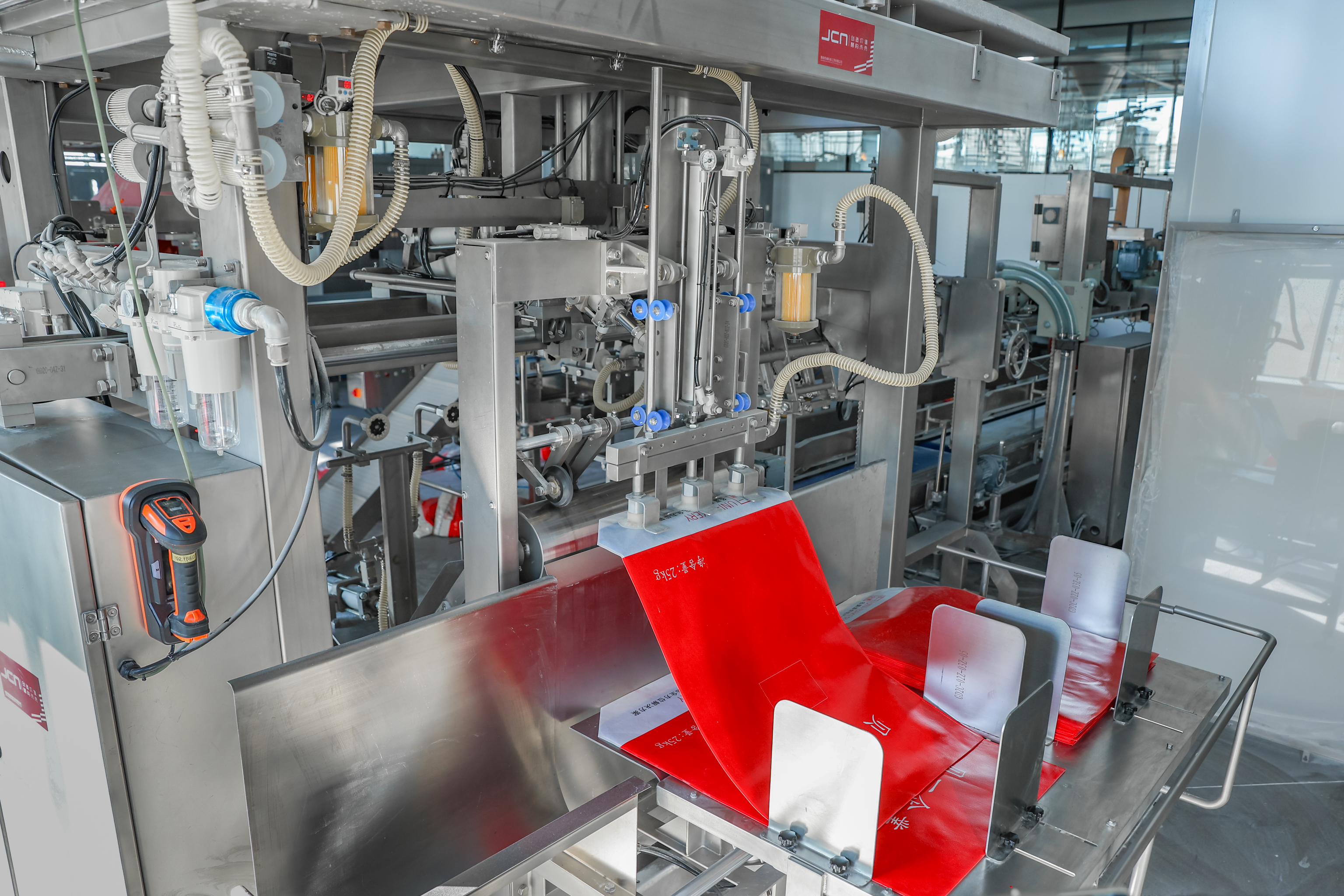
Several cost factors influence the price of automatic bagging machines. The initial investment typically includes the machine cost, shipping, and installation fees. However, ongoing operational costs must also be considered for a comprehensive financial assessment.
Machine Specifications: Higher-performing machines with advanced features and capabilities generally come at a premium. Assess which specifications are essential for your operations to avoid overspending on unnecessary features.
Customization Needs: Custom-built machines tailored to your specific requirements can increase upfront costs. However, they may lead to significant savings in efficiency and waste reduction over time.
Maintenance and Repair: Regular maintenance is essential to keep machines running smoothly. Evaluate the potential long-term costs of parts and service to ensure you factor these into your budget.
Production Volume: The expected production volume impacts the type of machine you need. Higher output machines may offer a lower cost per unit but will require a more substantial initial investment. Evaluate your production forecasts to align your purchase with future demand.
Supply Chain Considerations: Shipping and installation costs can vary based on location and logistics. Ensure you understand these costs upfront to avoid surprises later in the procurement process.
"JCN focusing on research and development food packaging equipment. We have taken on most advanced packaging Vertical mixertechnologies from overseas well as made improvements and advancements. We are available 24 hours day, 7 days a week for service,any questions machine operation just feel free to contact us."
JCN business focuses the Powder filling machineof powder handling equipment as well as technology.Our most popular products currently mixing, bag dumping, siving, industrial weighing, auto bagging robotic palletising system that has been widely used in food, new material as well as pharmaceutical industry, have earned good reputation.We are a firm committed to providing professional solutions for our customers based on an deep understanding of the needs of customers.
JCN has been certified ISO 9001:2015 obtain CE certification as well as Packing automatic machineutility patent certificates.all our products are made entirely by factory. They are assembled and tested before delivery. Customers can also inspect the products verify they meet their needs.
JCN has manufacturing plant that is spread over 30,000 square metres in Nantong, Jiangsu Filling machine for powder. has risen to become one of largest companies that design engineering, engineers, manufactures distributes latest powder handling equipment.