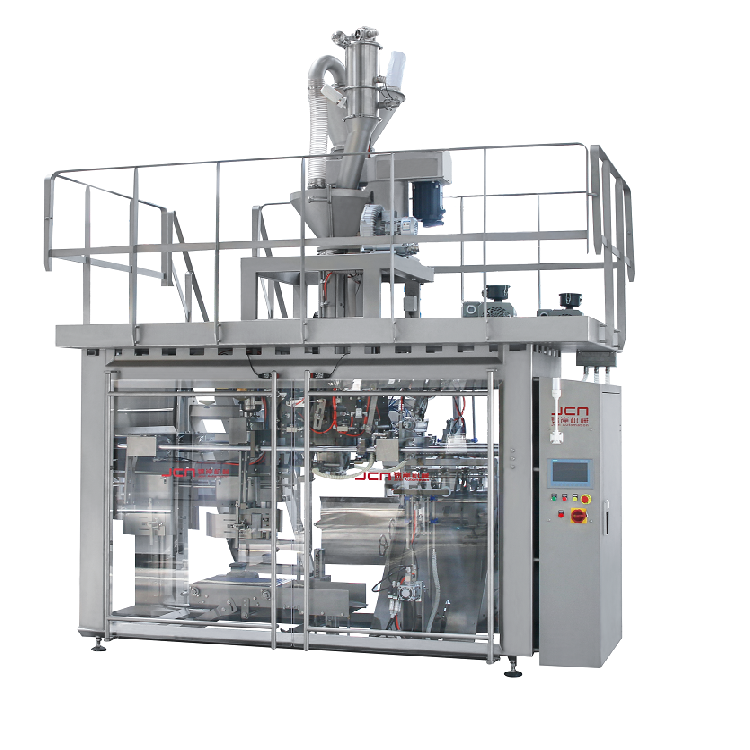
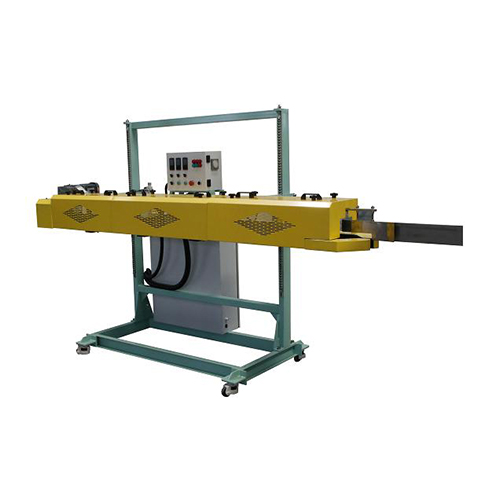
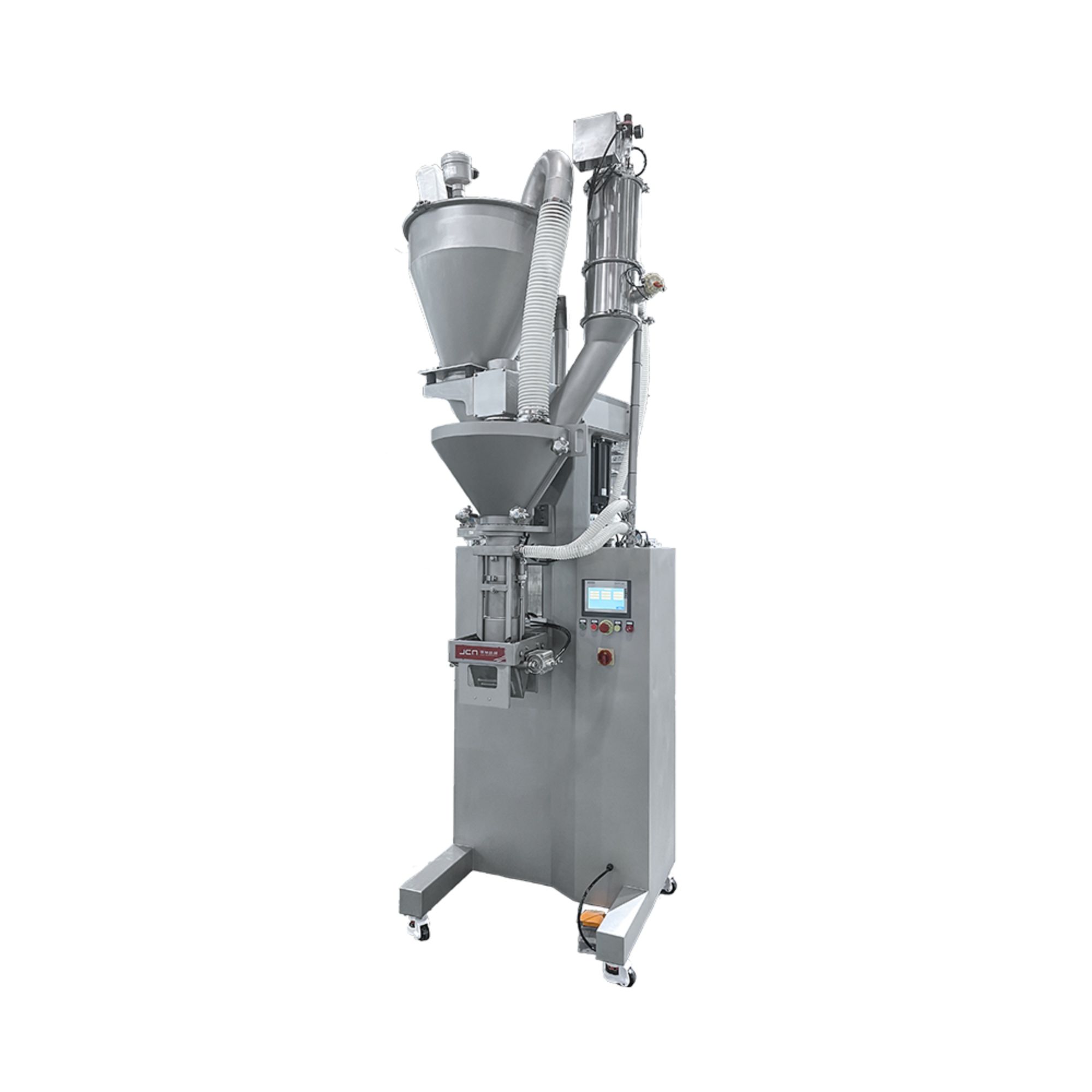
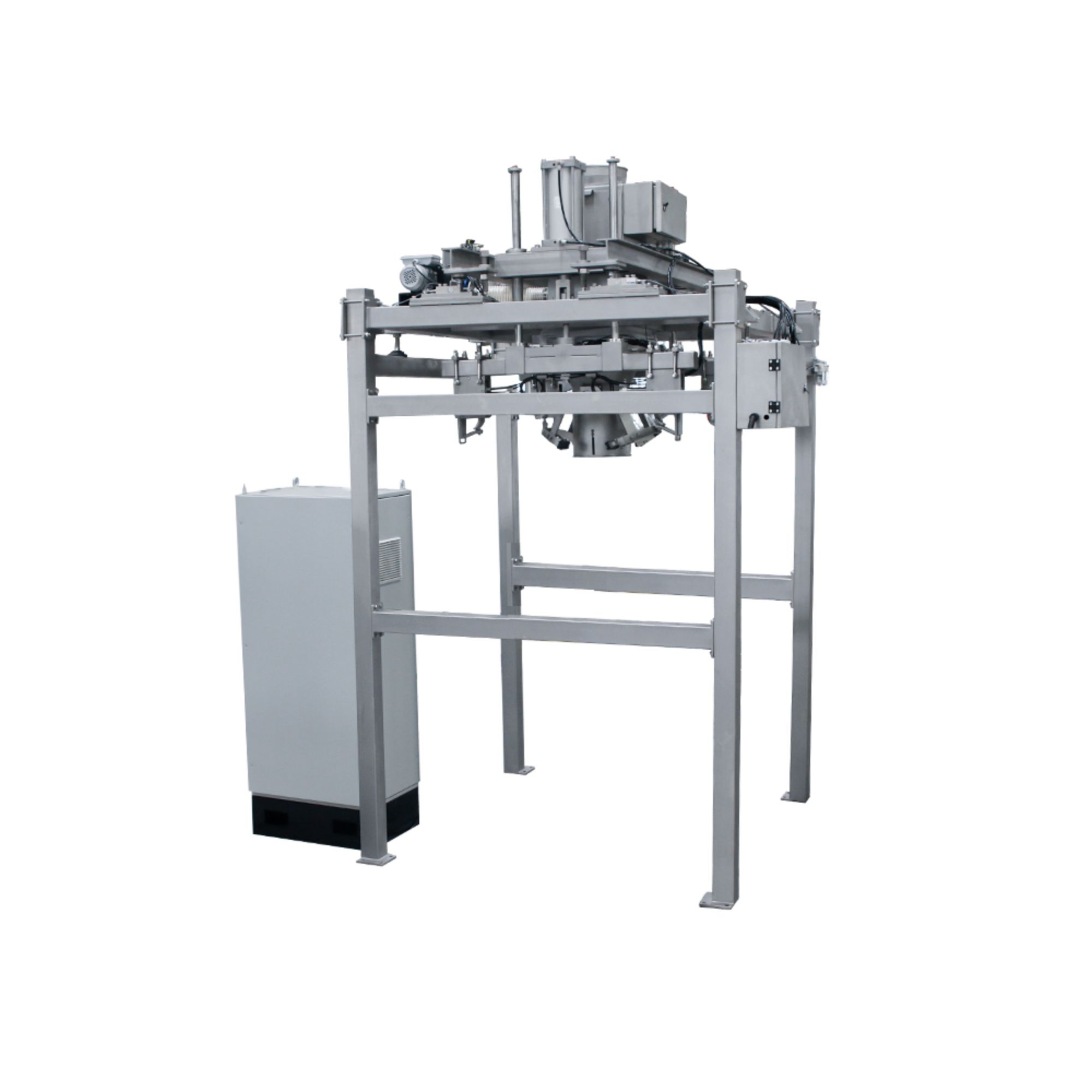
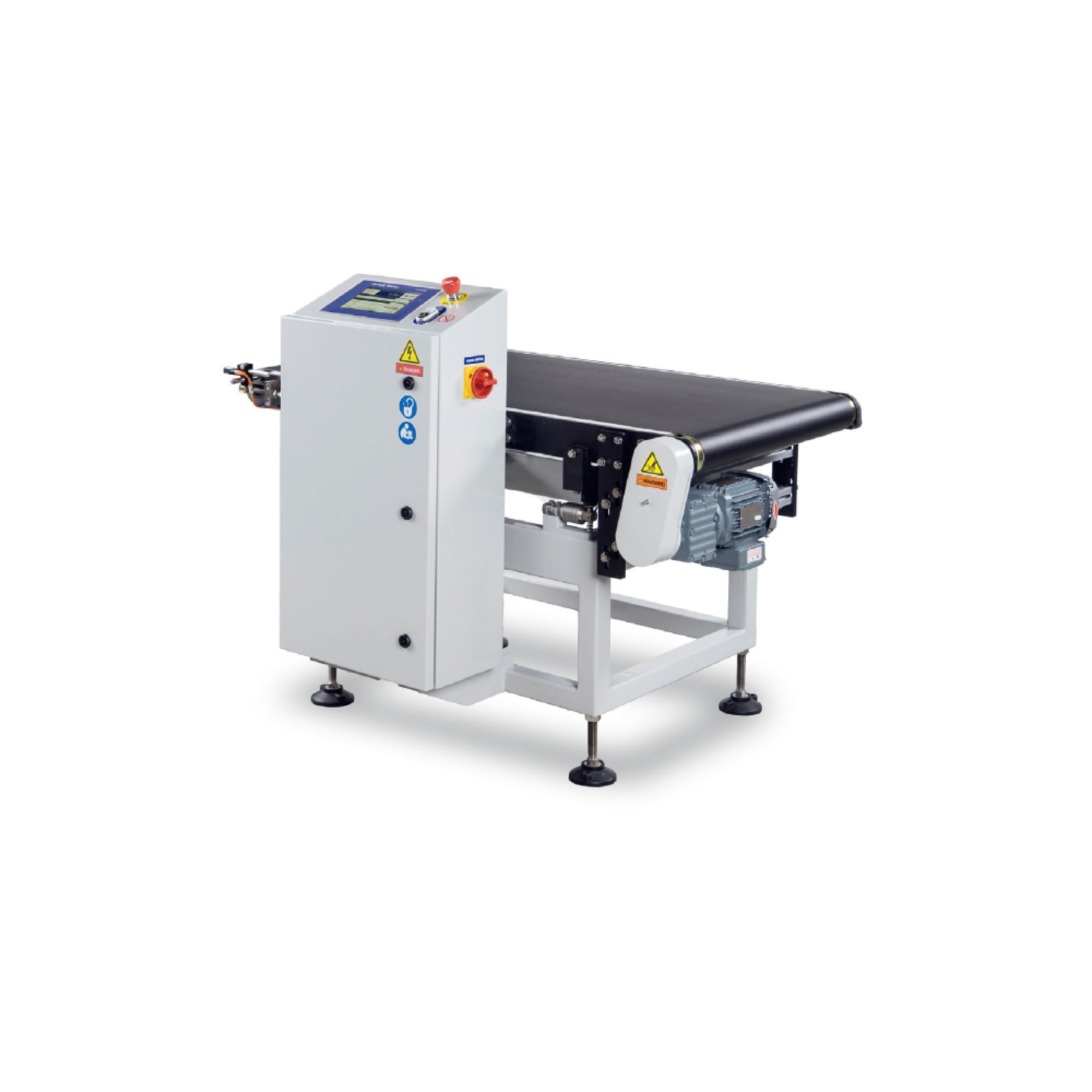
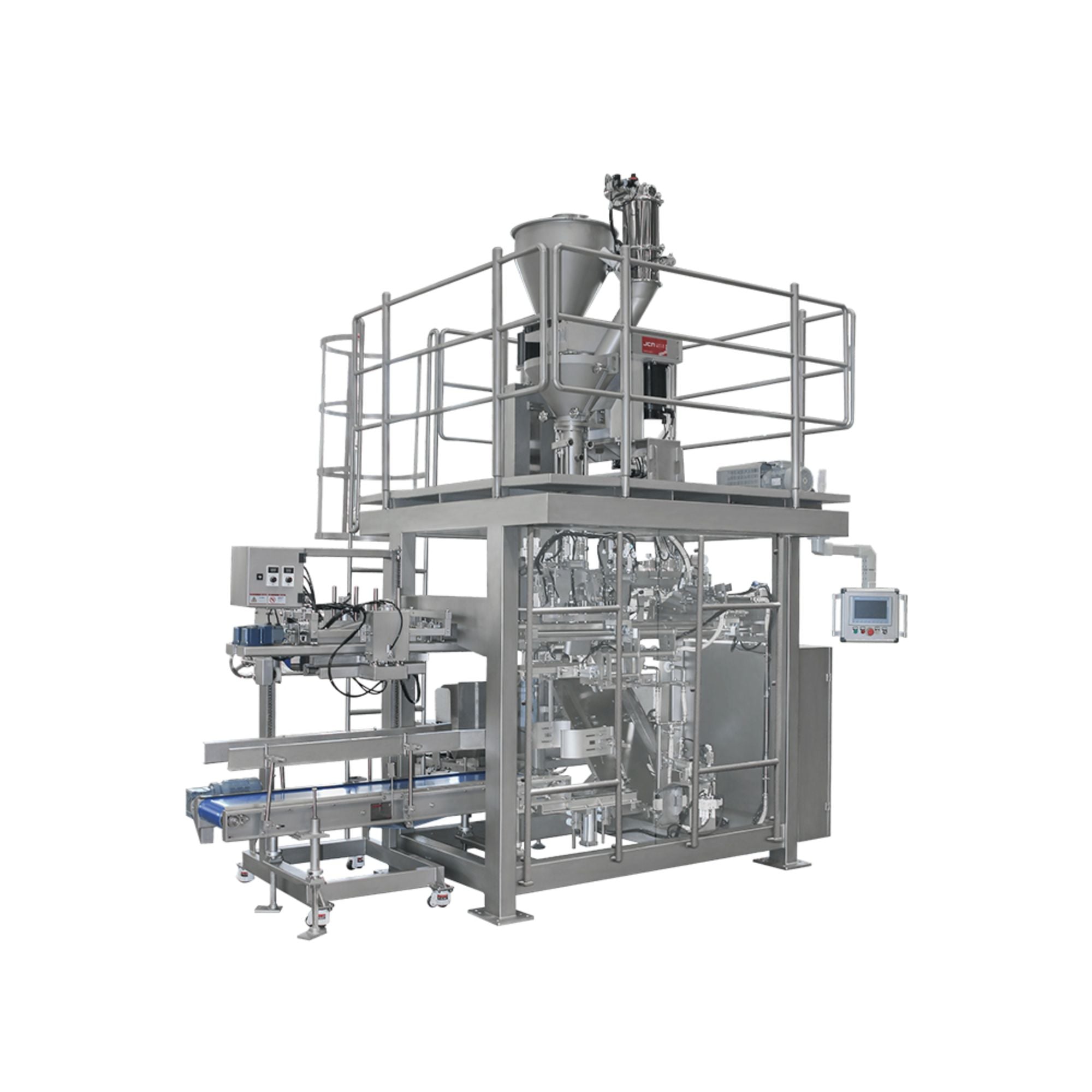
Big bag dischargers are essential equipment for efficiently handling and processing bulk powder materials across various industries. These systems facilitate the safe and effective unloading of large bags, often referred to as FIBCs (Flexible Intermediate Bulk Containers), which can hold substantial quantities of materials. For purchasing managers and engineers, understanding the specifications, cost factors, applications, and quality control measures for big bag dischargers is crucial to ensure optimal performance and investment returns. This article will provide insights into these areas to aid in making informed purchasing decisions.
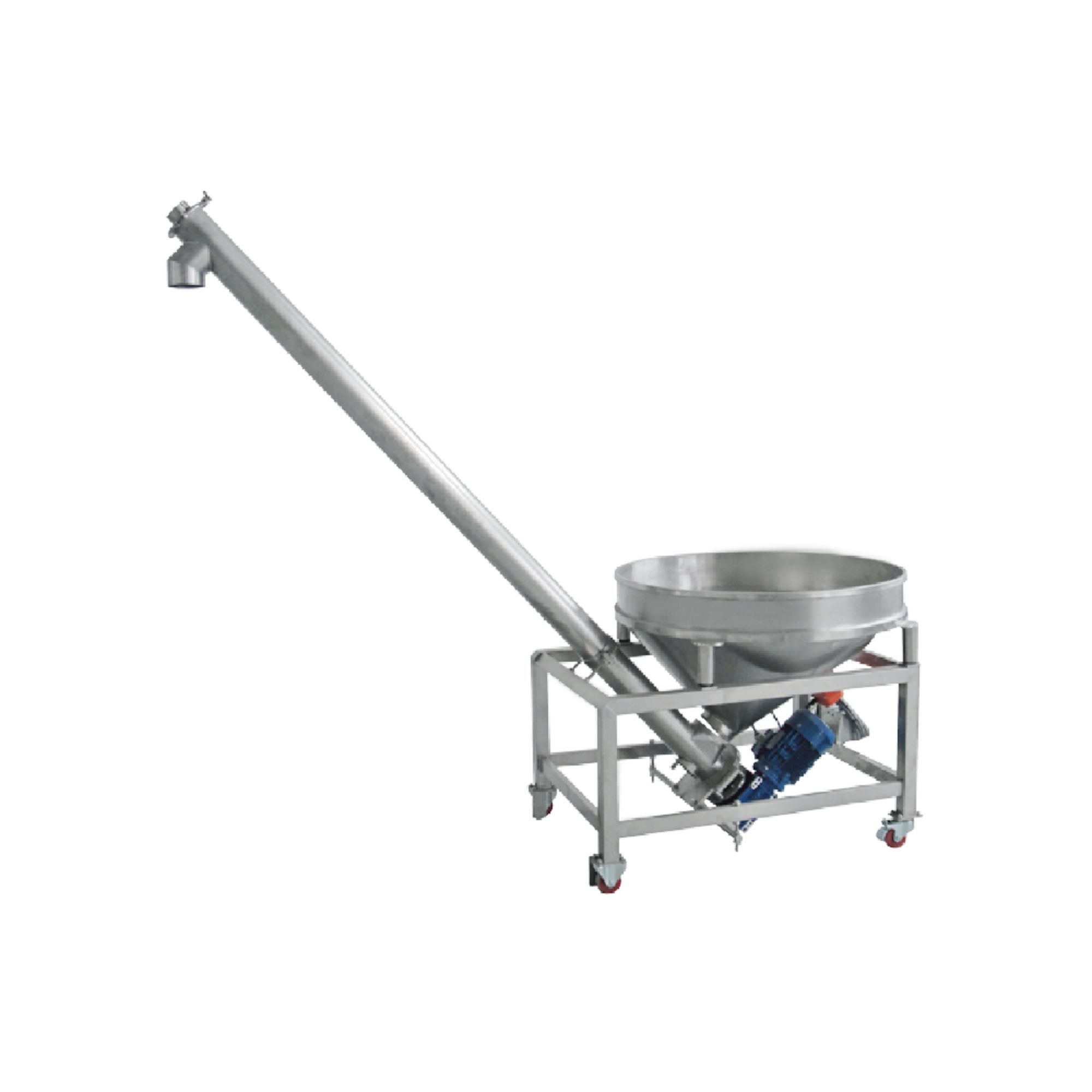
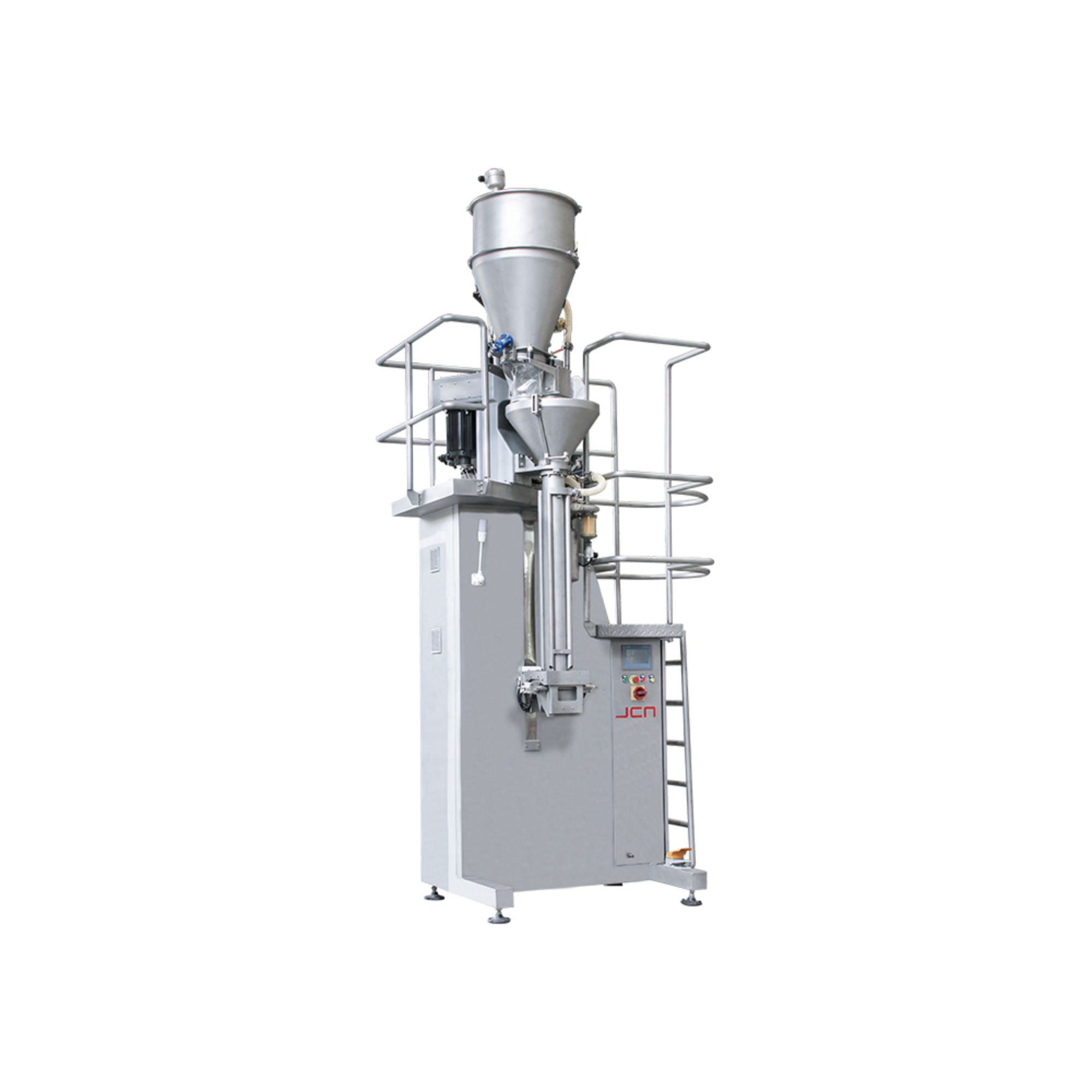
When selecting a big bag discharger, specifications play a critical role in determining suitability for specific applications. Key specifications include the discharger's loading capacity, discharge height, and compatibility with various bag sizes. For instance, a discharger with a higher loading capacity may be necessary for operations involving large volumes of powder materials, while the discharge height must align with the downstream processes, such as filling containers or hoppers. Additionally, it is important to consider equipment such as the Bulk Bag Filling Machine that can work in conjunction with big bag dischargers to enhance overall efficiency.
Additionally, the design of the discharger can influence performance. Some models incorporate advanced features such as vibration systems or aeration pads, which can enhance material flow and reduce clumping. It's essential to evaluate how these features align with the intended application. Buyers should also consider the material construction of the discharger itself, as it impacts durability and resistance to wear and tear.
Finally, buyers should check if the equipment meets relevant industry standards, such as those for food or pharmaceutical applications, which may require specific certifications to ensure safety and compliance.
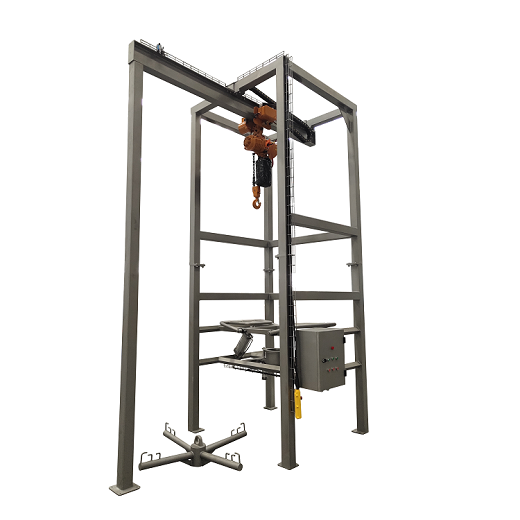
The cost of big bag dischargers can vary significantly based on several factors. First, the complexity of the design and the inclusion of advanced features, such as automated controls or integrated dust extraction systems, can increase initial investment costs. Buyers should evaluate whether these features are necessary for their specific operations or if more basic models suffice.
Another essential consideration is the material used in manufacturing the discharger. Stainless steel, for example, may be more expensive than mild steel but offers better resistance to corrosion, particularly in environments where hygienic conditions are paramount, such as food processing.
The total cost of ownership should also be assessed, including factors such as maintenance, energy consumption, and potential downtime. Budgeting for these ongoing costs can provide a more accurate picture of the overall investment. Buyers should also inquire about warranties and support services, as these can add value and mitigate risks associated with equipment failure.
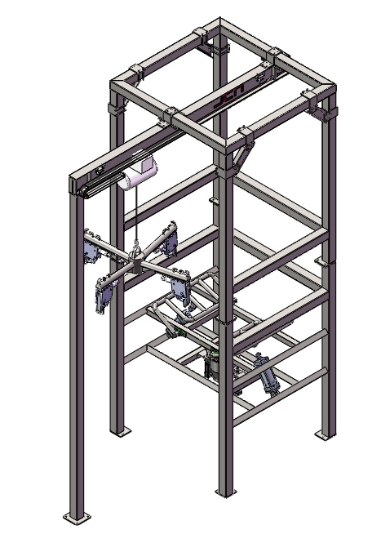
Big bag dischargers find applications across multiple sectors, including food processing, pharmaceuticals, chemicals, and construction materials. In the food industry, they are used to handle ingredients like flour, sugar, and additives, where hygiene and safety are paramount. Pharmaceutical companies utilize them for active ingredients and excipients, requiring dischargers that meet stringent regulatory standards.
In the chemical industry, big bag dischargers are instrumental in managing powdered materials like pigments and resins, where consistent flow and minimal contamination are critical. Similarly, in construction, these systems facilitate the handling of aggregates and cement, providing efficiency in bulk material processing. Equipment such as the Robotic Palletising can further streamline these processes.
Each industry has unique requirements that can influence the choice of discharger. For example, a food-grade discharger must be designed for easy cleaning and sanitization to prevent cross-contamination, whereas a chemical-grade discharger might require enhanced sealing mechanisms to avoid dust release.
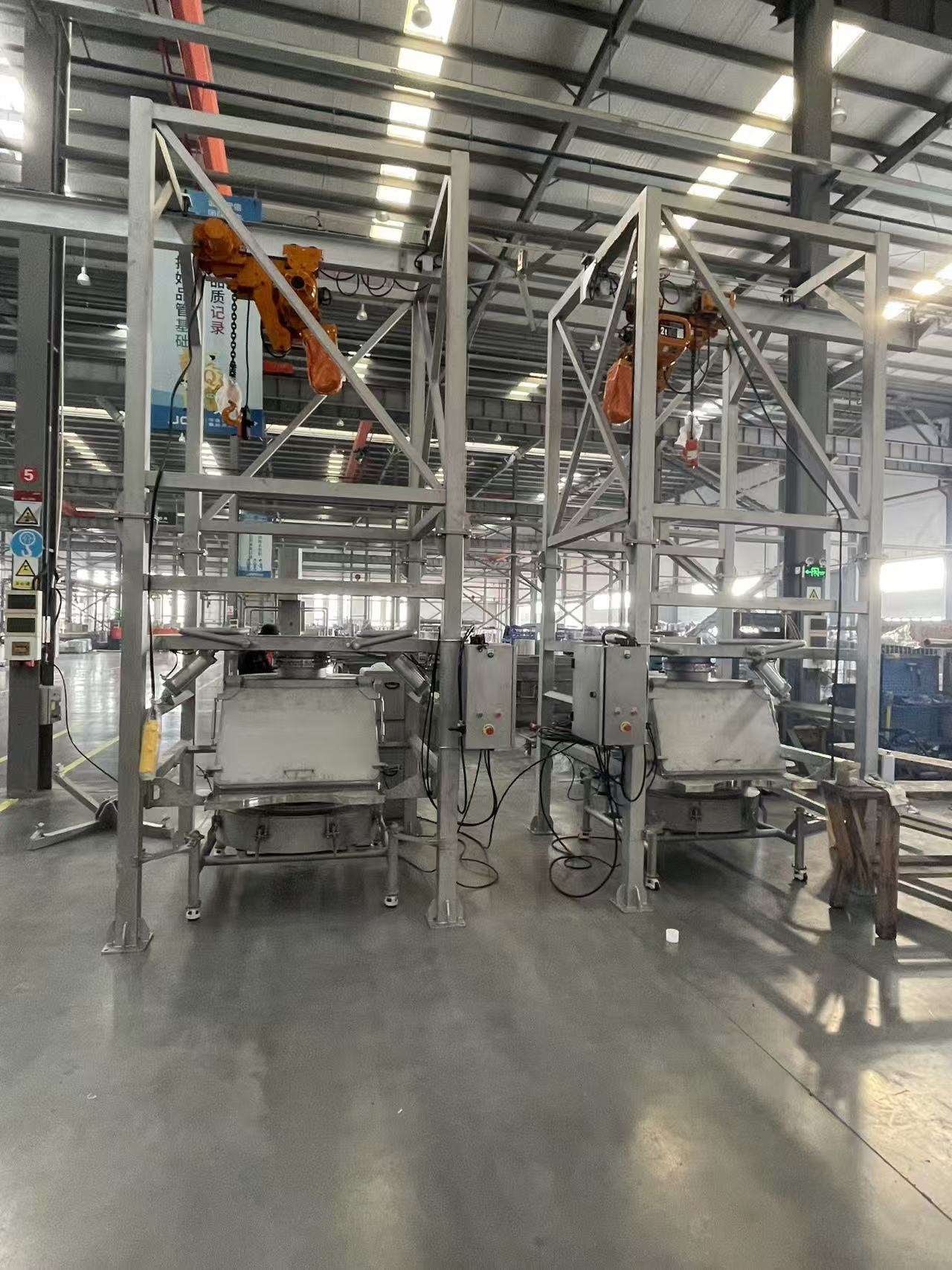
One significant advantage of big bag dischargers is their ability to handle a wide range of materials, from free-flowing powders to more cohesive substances. The design of these systems allows for flexibility in material handling, accommodating various particle sizes and shapes.
The choice of materials used in both the bags and dischargers can greatly affect the performance. For instance, bags made from polyethylene or polypropylene may be suitable for many applications, but their resistance to moisture and chemicals should be considered based on the material being handled. Dischargers made from corrosion-resistant materials, such as stainless steel, ensure longevity and maintain material integrity, especially when dealing with reactive substances.
Furthermore, the design can minimize material degradation during discharge. Features like gentle handling and controlled flow mechanisms help maintain the quality of sensitive powders, which is particularly important in industries such as pharmaceuticals or food.
JCN business is a manufacturer of equipment for handling powder and technology.Our major products at Automatic packing machineinclude mixing, bag dumping, sieving, industrial weighers, automatic bagging and robotic palletising system which has been extensively used in the food, new materials and pharmaceutical industry, earning good reputation.We are a firm committed to providing professional solutions to our clients through in-depth understanding of customer's needs.
"JCN concentrates R and D of food packaging equipment. have developed and Mixer verticalpackaging machinery technologies imported from abroad. "are accessible 24/7 online, so if you have any queries about operation your machine, please don't hesitate to contact us."
JCN has earned CE certificates ISO 9001:2015 certification. All of our products, which assembled and tested before being delivered, produced 100% in manufacturing Automatic packing machine. Customers can also visit for inspection to ensure that they meet your specifications.
JCN has manufacturing plant that is spread over 30,000 square metres in Nantong, Jiangsu Dumping station. has risen to become one of largest companies that design engineering, engineers, manufactures distributes latest powder handling equipment.