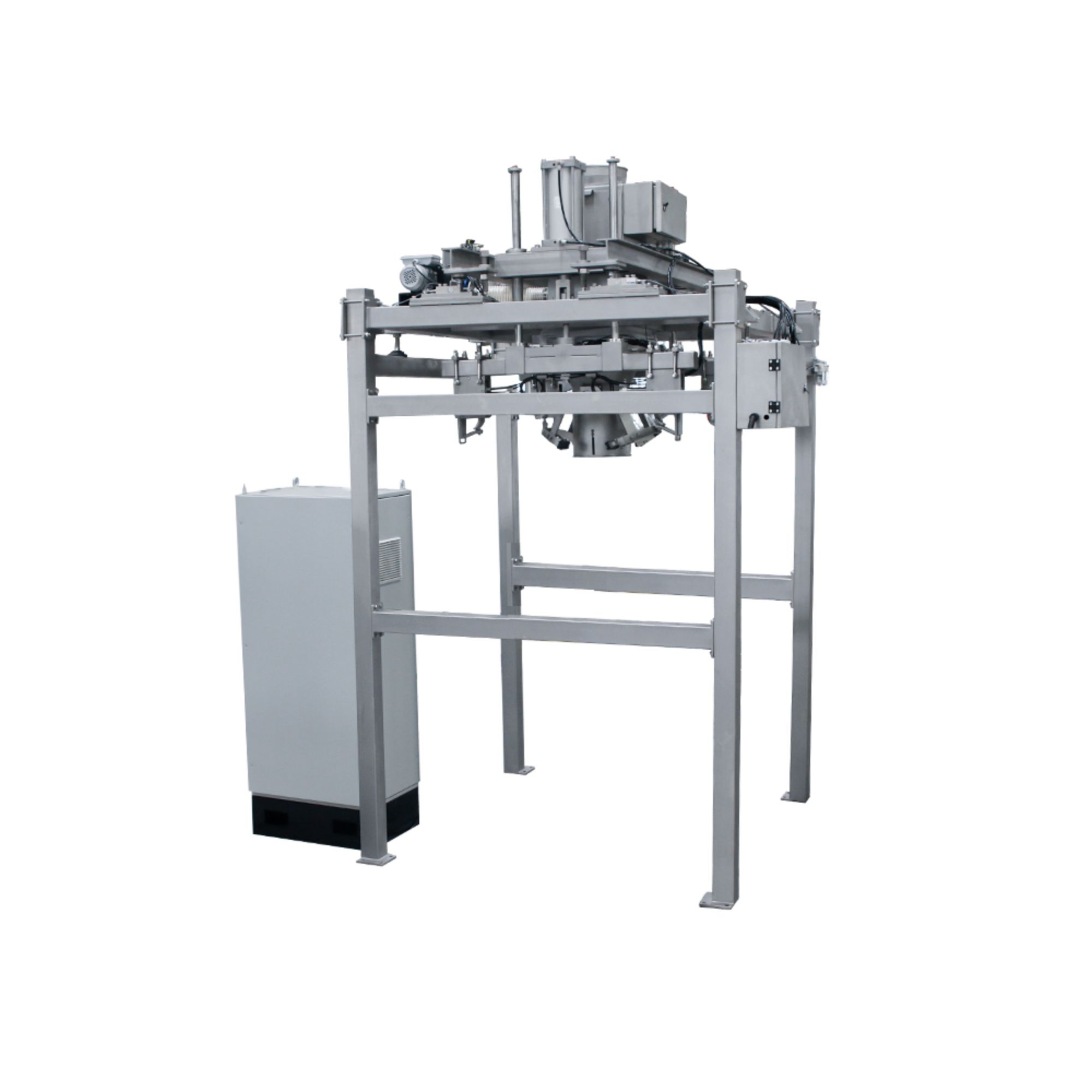
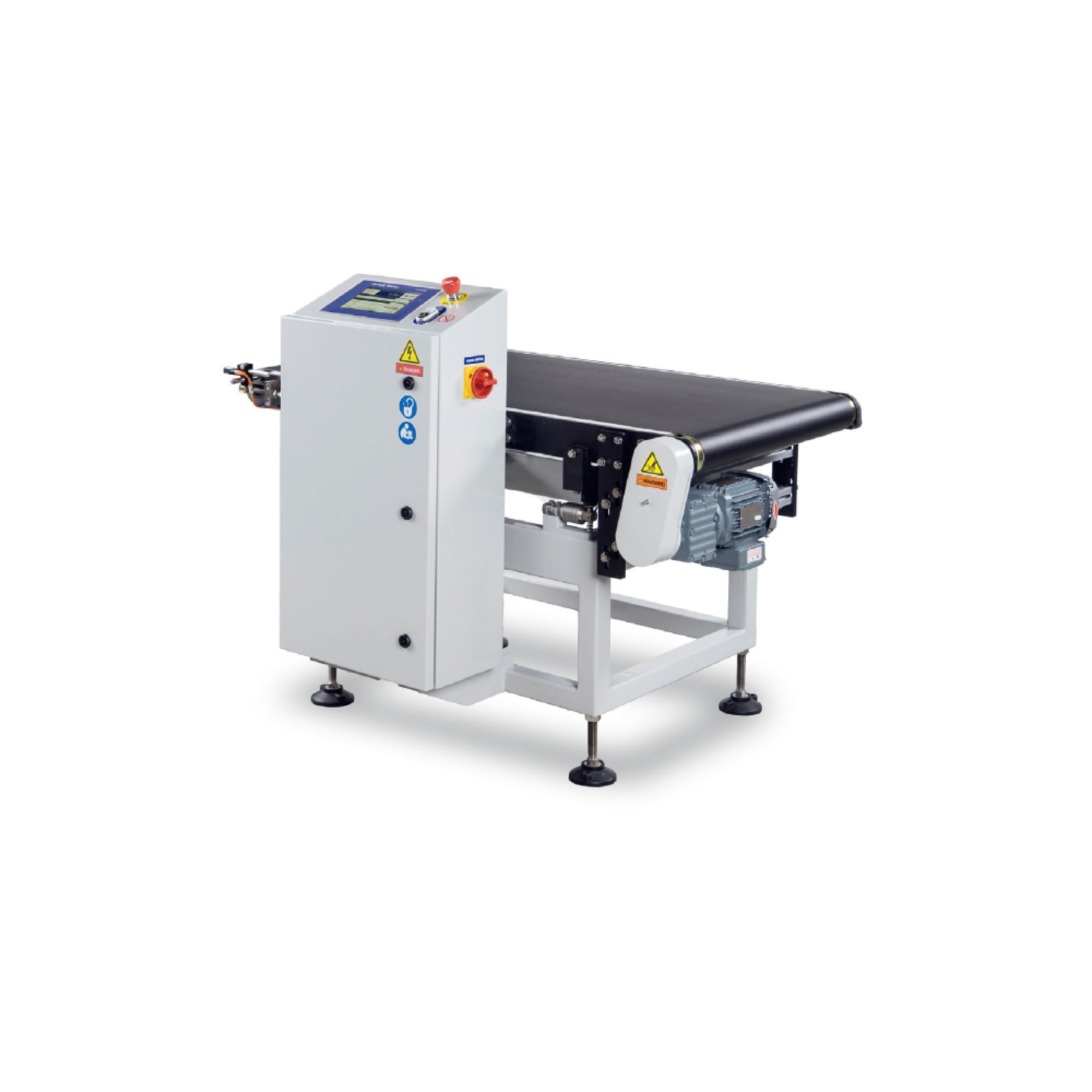
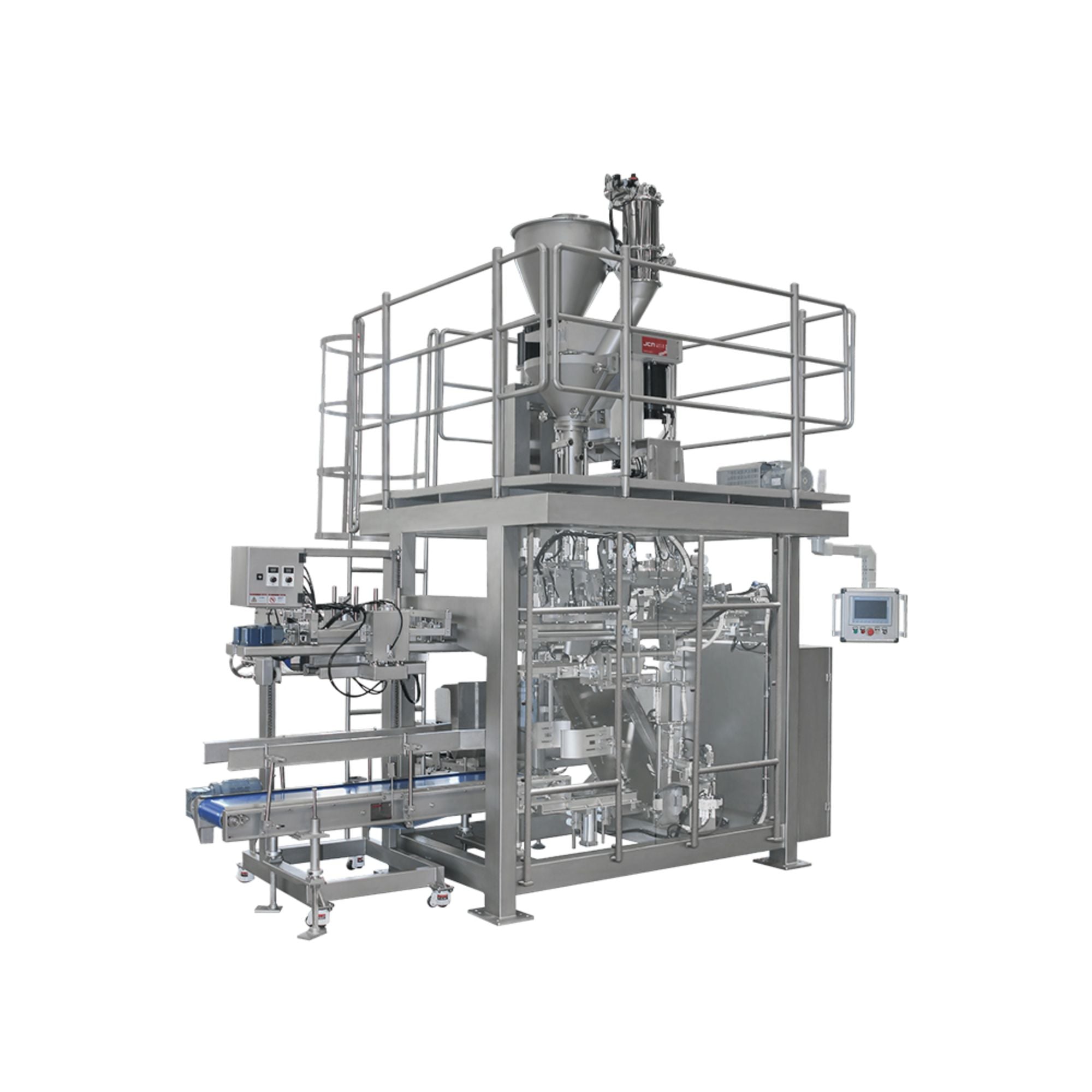
Bulk bag unloading systems are essential equipment in various industries, designed to facilitate the efficient discharge of bulk materials from large bags, commonly referred to as FIBCs (Flexible Intermediate Bulk Containers). These systems not only enhance workflow efficiency but also prioritize safety and cost-effectiveness. When considering a bulk bag unloading system, buyers often have concerns about supplier reliability, cost factors, application suitability, and potential operational issues. This article aims to provide a comprehensive understanding of bulk bag unloading systems, guiding purchasing managers and engineers in making informed decisions.
When sourcing bulk bag unloading systems, the reliability of the supplier is paramount. Buyers should seek manufacturers with proven expertise in powder material handling equipment and a robust track record in industries such as food, pharmaceuticals, and new materials. A reliable supplier will offer not only high-quality products but also comprehensive support, including installation and maintenance services.
To evaluate potential suppliers, consider the following factors:
Experience and Reputation: Look for companies with extensive experience in manufacturing bulk bag systems. Customer testimonials and case studies can provide insight into the supplier's reliability and service quality.
Customization Capabilities: Different applications may require tailored solutions. A supplier that offers customization options can better meet specific operational needs.
Certifications and Compliance: Ensure that the manufacturer adheres to relevant industry standards and certifications, which can reflect their commitment to quality and safety.
Post-Purchase Support: Assess the level of support provided after the sale, including training, troubleshooting, and maintenance services.
By focusing on these criteria, buyers can identify suppliers that align with their operational goals and ensure a successful procurement process.
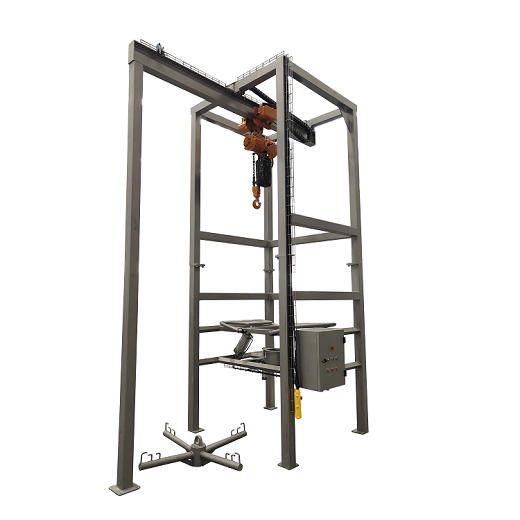
Understanding the cost structure of bulk bag unloading systems is crucial for budget planning. Several elements influence the overall pricing, including:
System Complexity: More advanced systems with automated features or integrated weighing capabilities typically come at a higher price point. Buyers should evaluate their specific needs to determine the necessary complexity.
Material and Construction: The choice of materials significantly impacts cost. Stainless steel systems, for instance, offer durability and corrosion resistance but may be more expensive than carbon steel alternatives.
Customization: Custom features tailored to specific applications can add to the cost. While customization may be necessary for optimal performance, buyers should weigh the benefits against budget constraints.
Volume and MOQ: Bulk purchases can often lead to reduced unit prices. Understanding the minimum order quantities (MOQ) and negotiating larger orders may yield significant savings.
Installation and Maintenance: Factor in the costs associated with installation and ongoing maintenance. A supplier that provides comprehensive support can help mitigate long-term expenses.
By carefully considering these cost factors, buyers can make informed decisions that align with their financial parameters and operational needs.
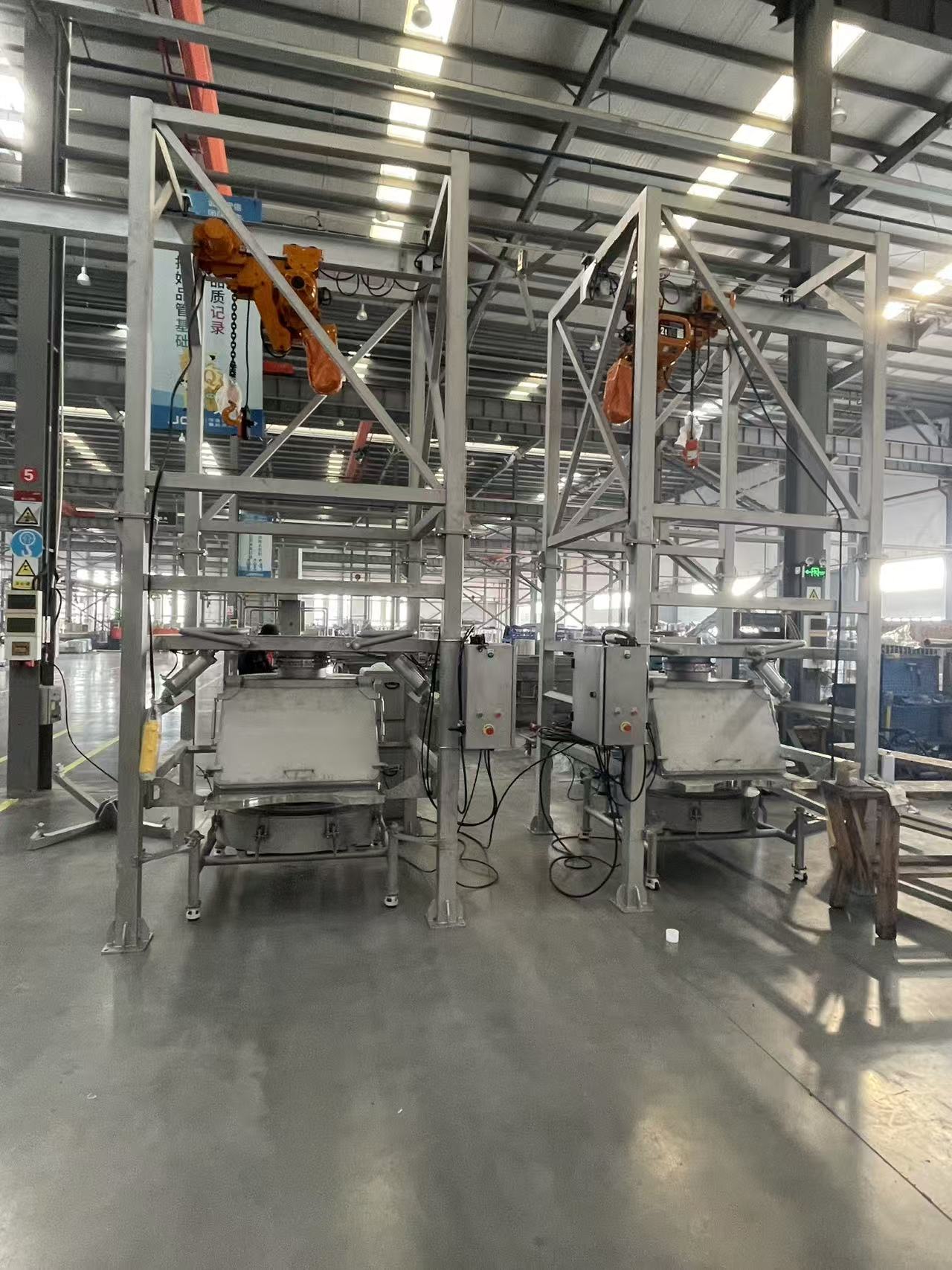
Bulk bag unloading systems find application across a wide range of industries, each with unique requirements and challenges. Key sectors include:
Food Industry: In food processing, maintaining strict hygiene standards is crucial. Bulk bag systems designed for this industry often feature stainless steel construction and easy-clean designs to prevent contamination.
Pharmaceuticals: Similar to food, pharmaceutical applications require stringent compliance with safety regulations. Bulk bag systems must be capable of handling potent powders without risk of contamination, ensuring product integrity.
Chemical Manufacturing: Bulk bag unloading systems in chemical plants often need to withstand harsh environments and corrosive materials. Systems may feature specialized coatings or materials to ensure durability and safety.
Construction Materials: In the construction industry, bulk bag systems are used for materials like cement or aggregates. These systems must be robust and capable of handling heavy loads efficiently. Additionally, auto bag placers can further streamline the handling process.
Understanding the specific application requirements is essential when selecting a bulk bag unloading system, as each industry presents unique challenges that must be addressed for optimal performance.
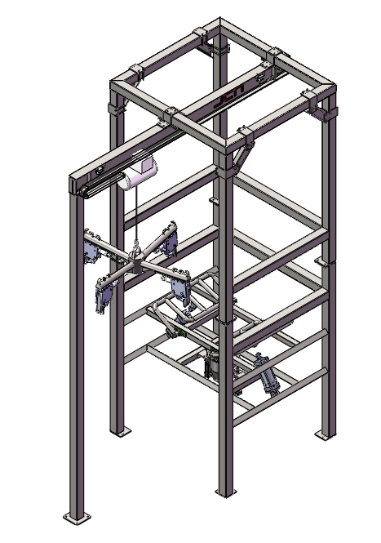
While bulk bag unloading systems are designed for efficiency, they can encounter operational issues. Recognizing common problems and implementing effective solutions can enhance reliability:
Blockages: Blockages can occur if the material flow is not properly managed. To prevent this, consider systems with features like vibrators or agitation mechanisms that promote consistent flow.
Dust Generation: In many applications, handling powders can lead to dust creation, posing safety risks. Implementing dust collection systems or sealed designs can mitigate this issue, ensuring a safer working environment.
Inconsistent Weighing: If the bulk bag unloading system integrates weighing capabilities, inaccurate readings can occur due to improper calibration. Regular maintenance and calibration checks are essential to ensure accuracy.
Equipment Wear and Tear: Over time, components can wear out, affecting performance. Routine inspections and timely replacements of critical parts can help maintain system efficiency.
By proactively addressing these common issues, companies can sustain operational efficiency and minimize downtime.
JCN business a manufacturer of equipment for handling powder and technology.Our most popular products currently mixing, bag dumping, siving, industrial weighers, automatic bagging robotic palletising system which widely used in the food, new material as well as pharmaceutical industry, have earned an enviable reputation.We are a company deicated to providing professional solutions to our customers by gaining an a thorough understanding of their Packing automatic machine.
"JCN focusing on research and development food packaging equipment. We have taken on most advanced packaging Vertical mixertechnologies from overseas well as made improvements and advancements. We are available 24 hours day, 7 days a week for service,any questions machine operation just feel free to contact us."
JCN a manufacturing company that occupies area of 30,000 square metres in Mixer verticalcity Jiangsu province.And it has grown to become one of largest companies that designs, engineers, manufacturing and supply of modern powder material handling equipment.We remain committed to the idea creating value for our clients through quick communication, active cooperation, and continuous improvement of our behaviour.
JCN has been certified ISO 9001:2015 obtain CE certification as well as Vertical blenderutility patent certificates.all our products are made entirely by factory. They are assembled and tested before delivery. Customers can also inspect the products verify they meet their needs.