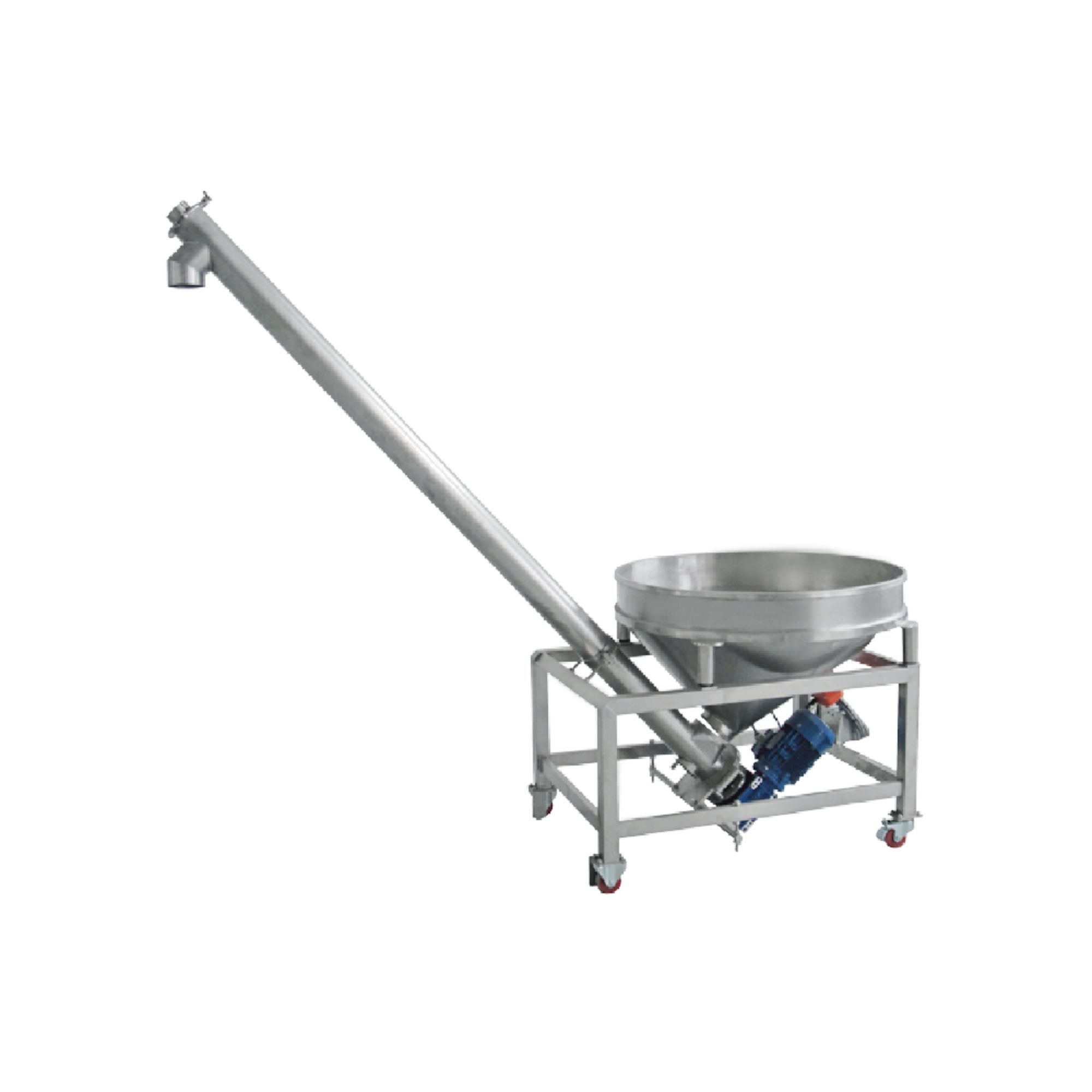
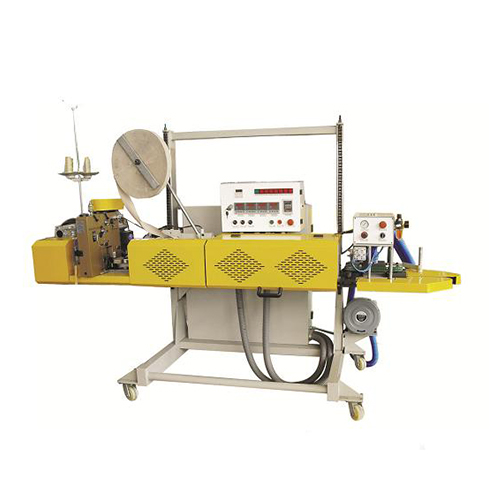
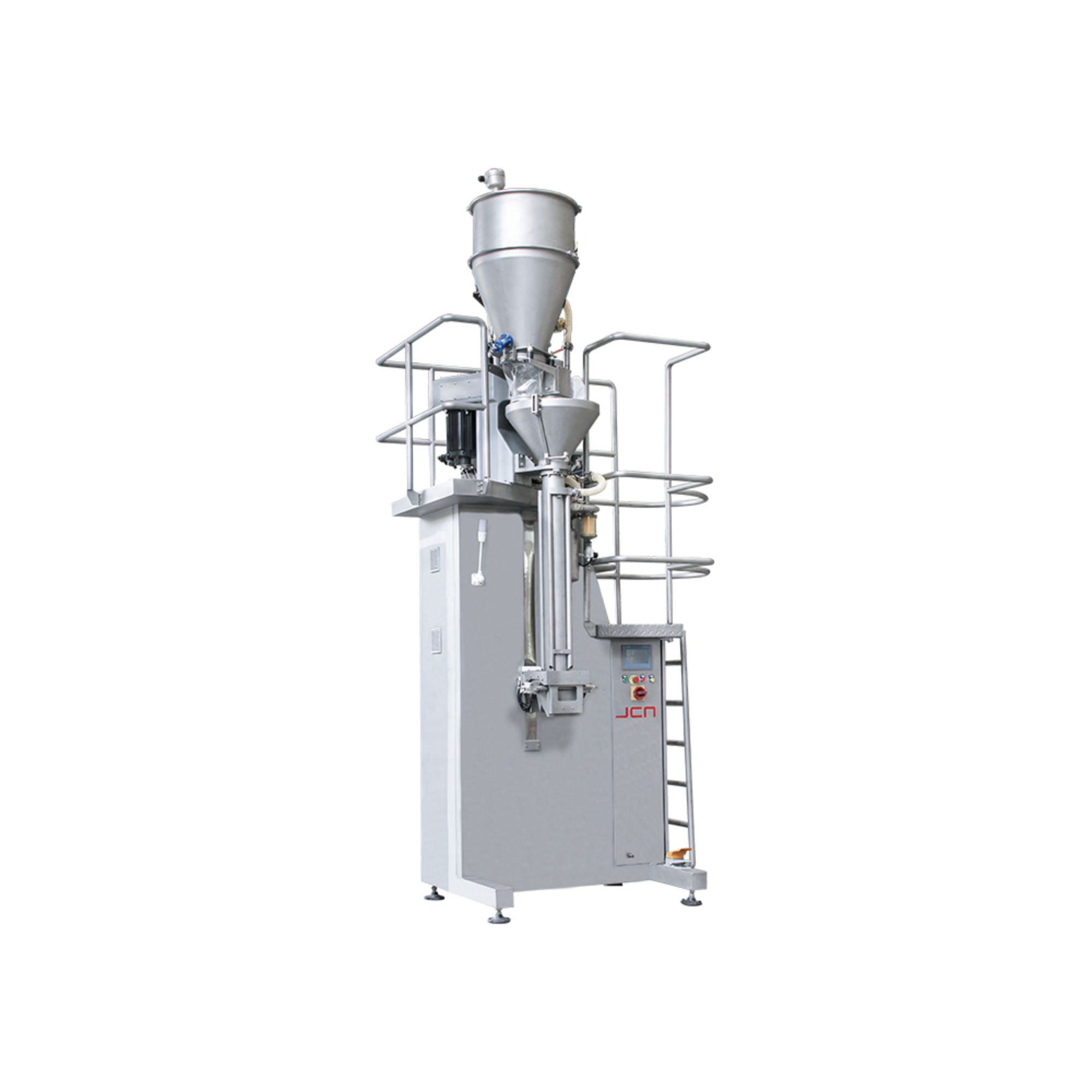
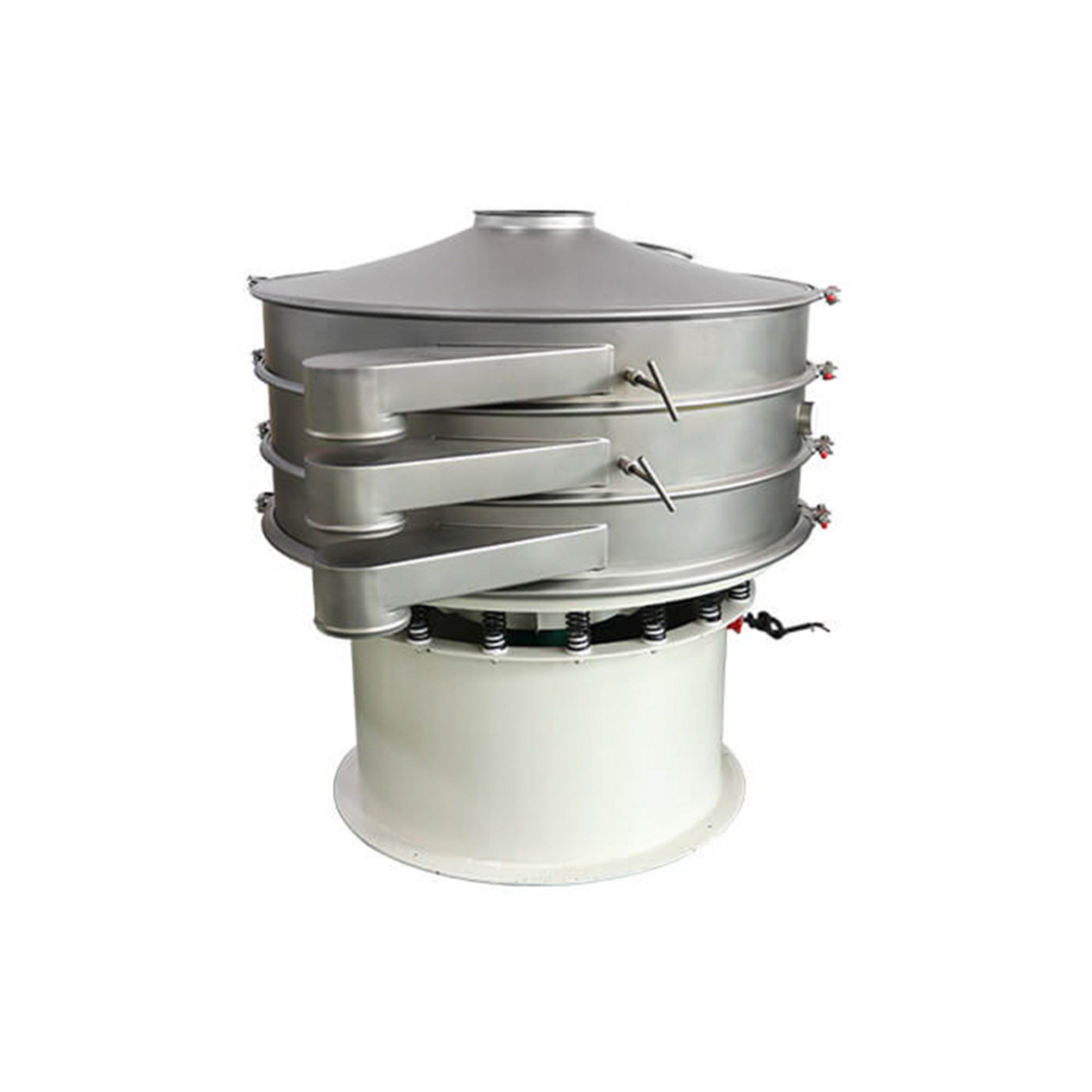
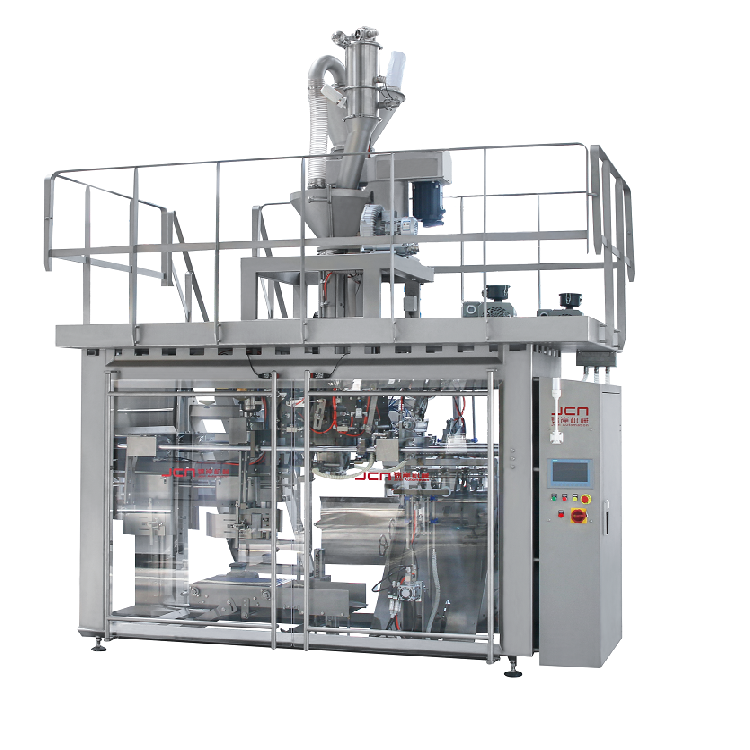
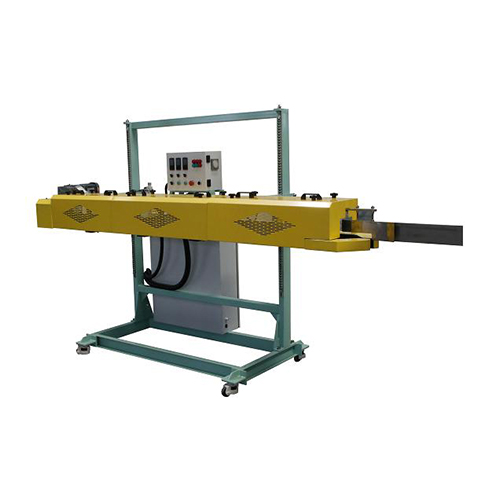
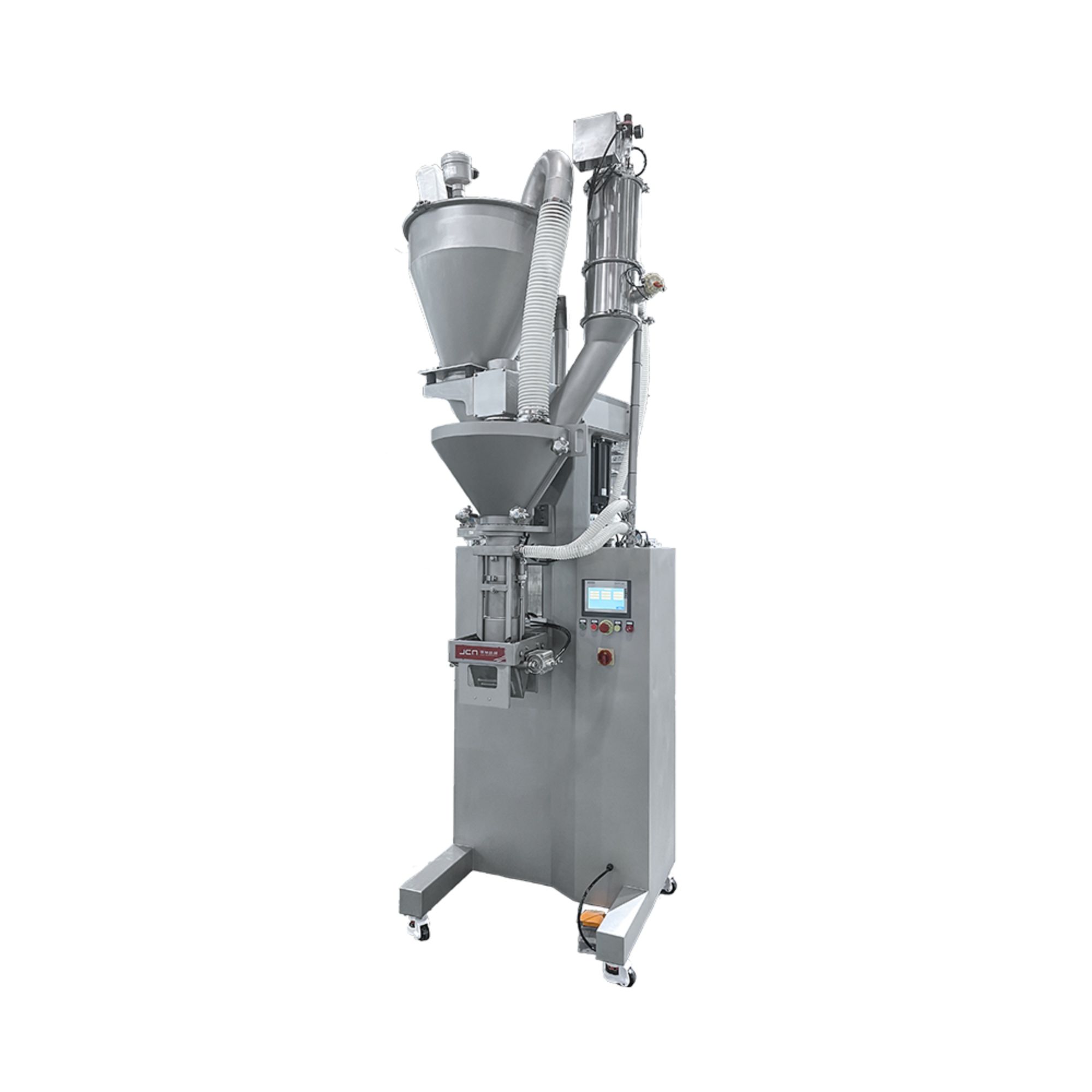
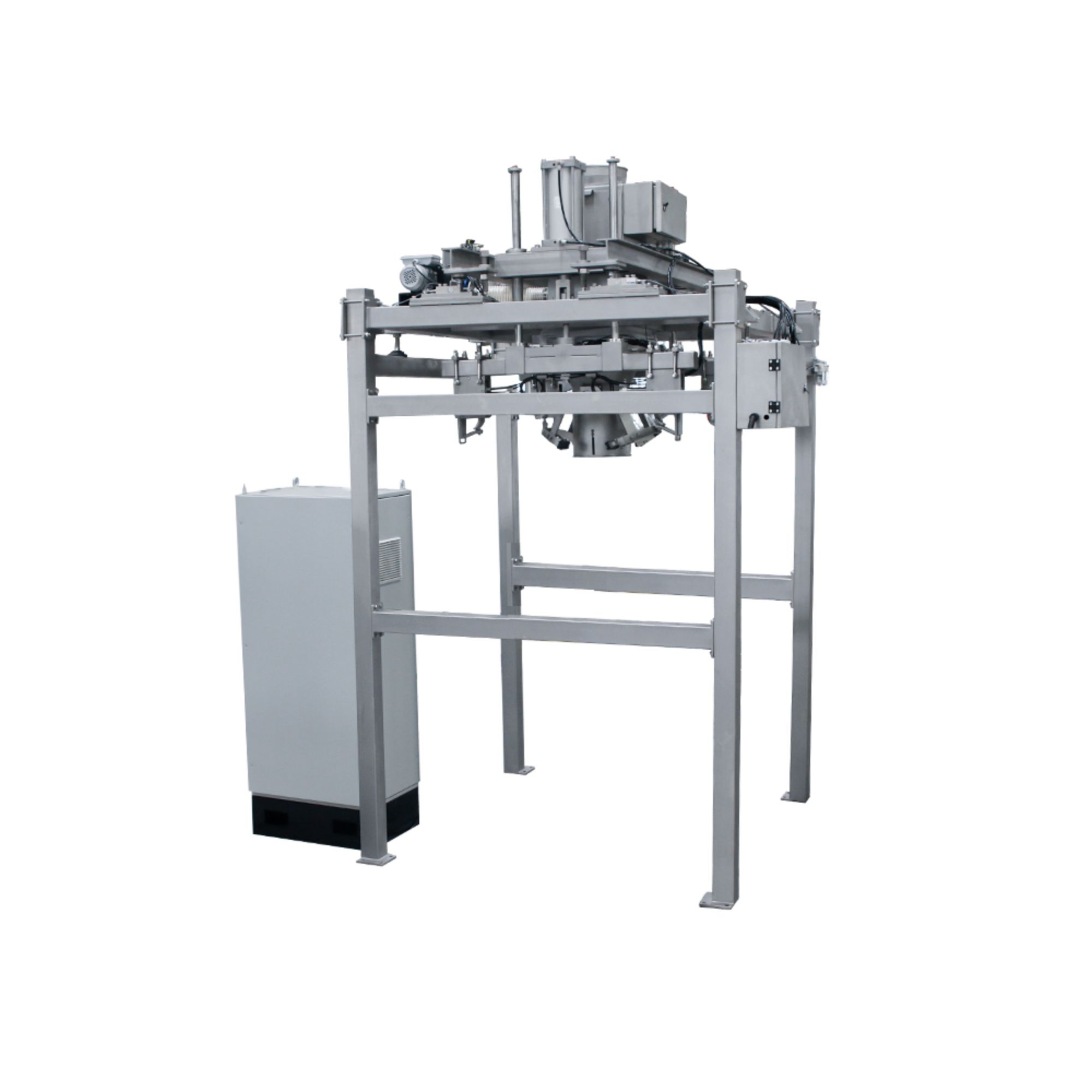
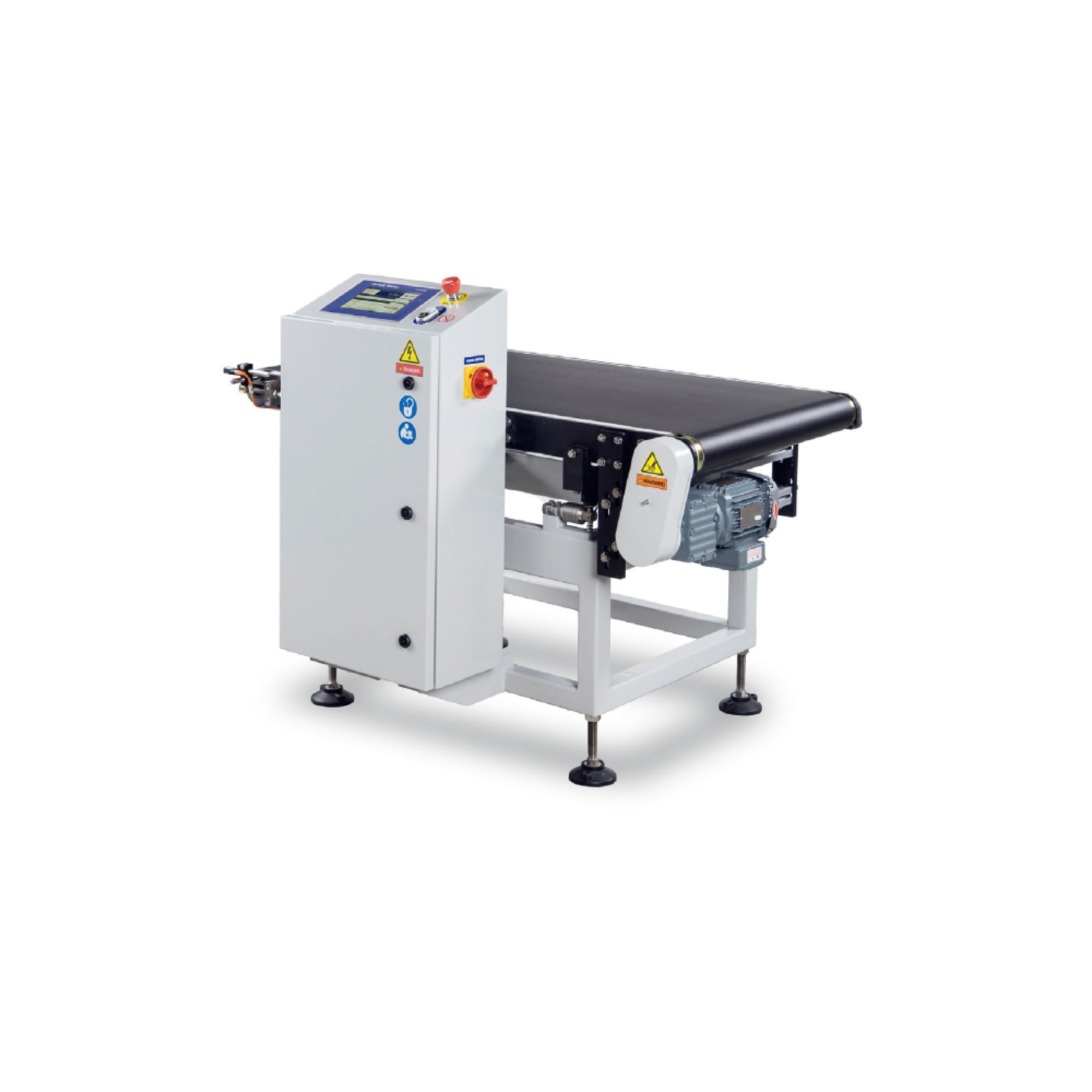
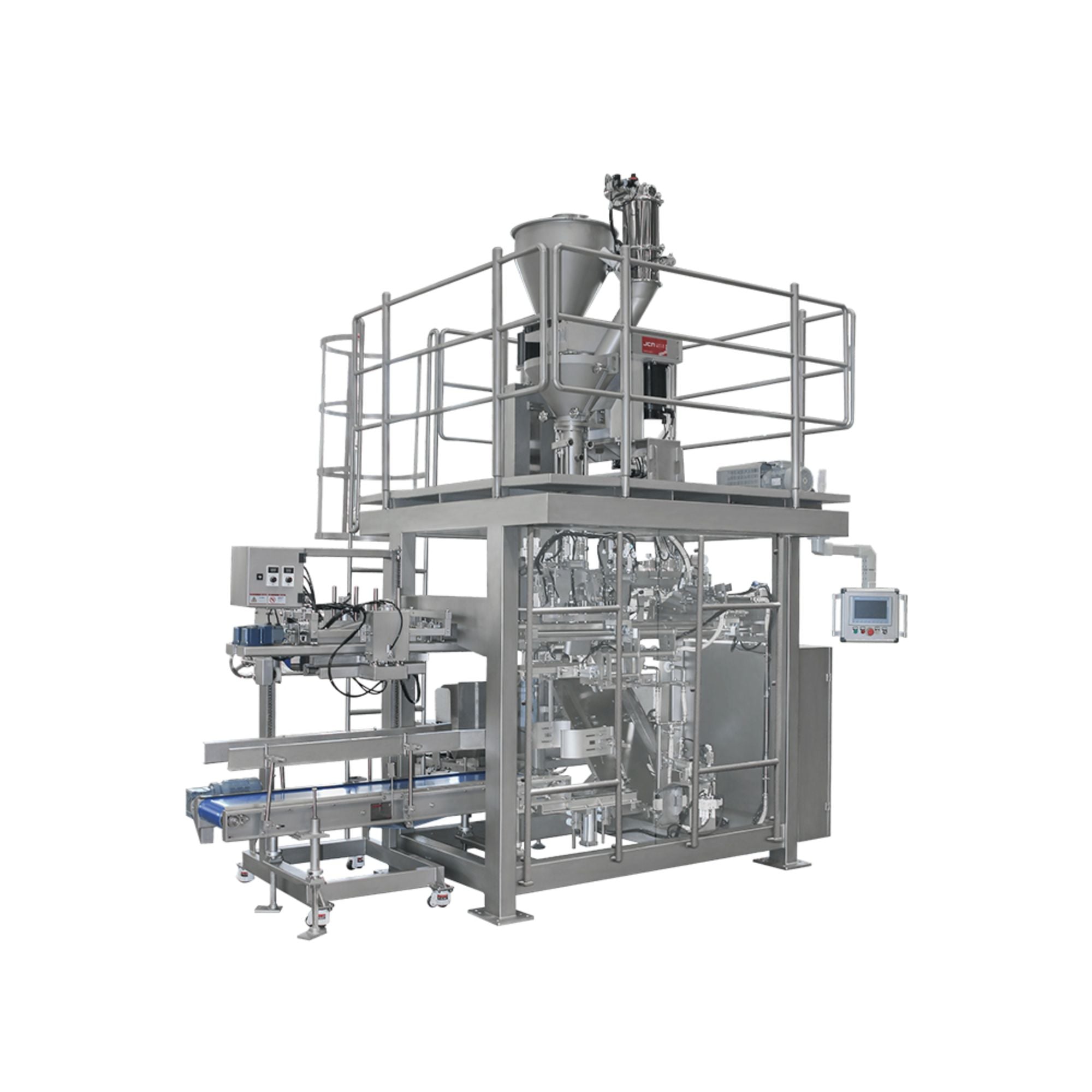
Selecting the right powder filling equipment is crucial for businesses operating in industries such as food, pharmaceuticals, and new materials. These machines streamline the process of measuring and dispensing powder products, enhancing efficiency and accuracy in production lines. As a purchasing manager or engineer, you may have concerns about the specifications, cost factors, and operational suitability of different options available in the market. This article provides a comprehensive guide to help you understand how to choose the right equipment, key specifications and features, and the various applications of powder filling equipment.
When selecting powder filling equipment, begin by assessing your specific production requirements. Consider factors such as the type and characteristics of the powder you will be handling, desired filling speed, and the level of accuracy needed in the dispensing process. Different powders, such as fine pharmaceuticals or coarse food ingredients, may require specialized equipment tailored to their unique properties.
Next, evaluate the filling method. Options include volumetric filling, which uses a specific volume to dispense powder, and gravimetric filling, which weighs the powder before dispensing. Gravimetric systems tend to offer greater accuracy, which may be essential for applications where precise dosages are critical, such as in pharmaceuticals. Additionally, consider integrating advanced systems like a Robotic Palletising System to enhance overall efficiency in your production line.
Lastly, assess the equipment's compatibility with your existing production line. Ensure that the dimensions, integration capabilities, and required interfaces align with your current setup to avoid costly modifications.
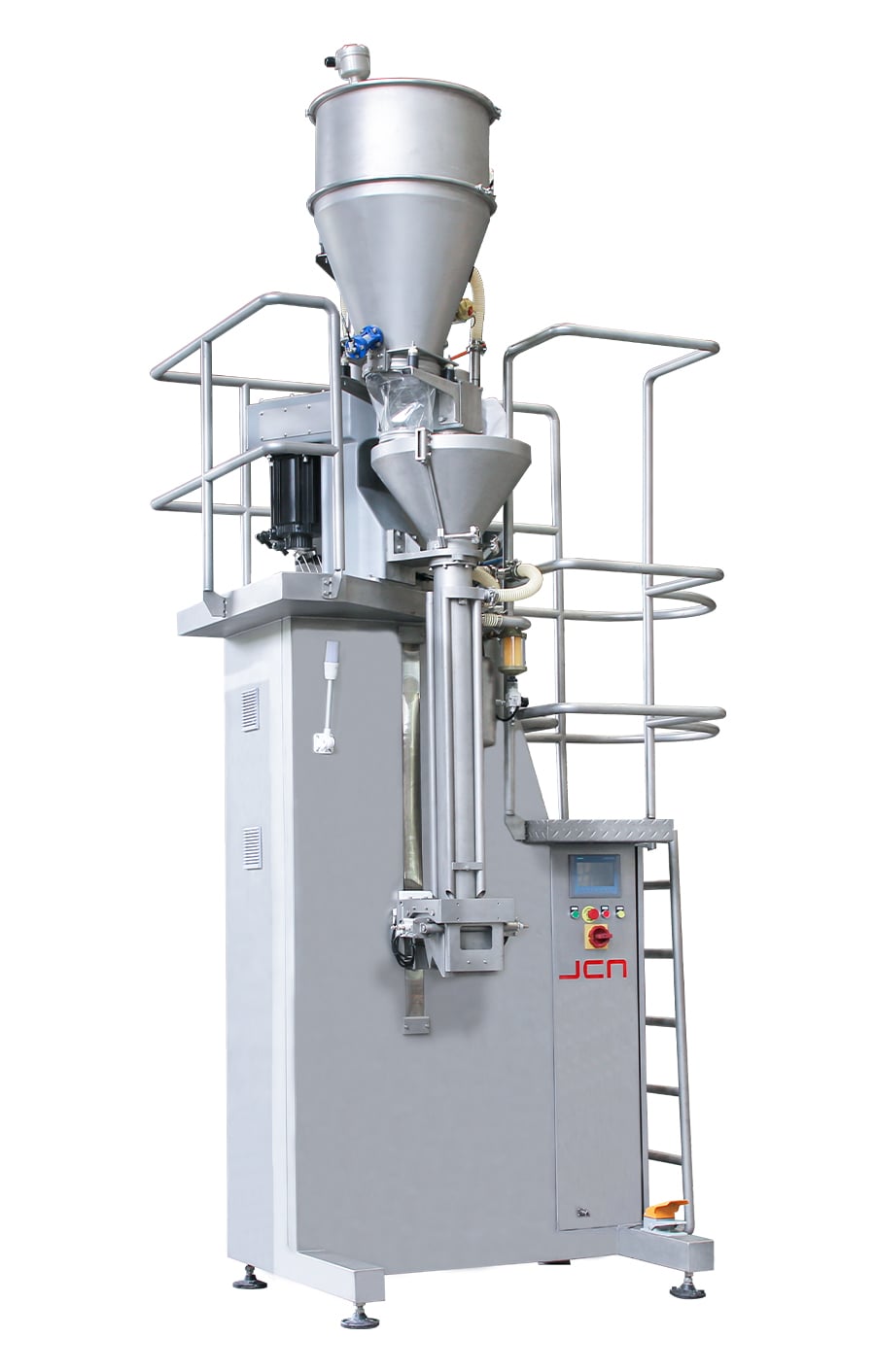
Understanding key specifications and features of powder filling equipment is vital for making an informed purchase. Here are some critical aspects to consider:
Filling Capacity: This refers to the amount of powder the machine can fill per cycle. Evaluate your production volume to determine the necessary capacity.
Accuracy and Tolerance: Precision is paramount in industries like pharmaceuticals. Look for equipment that offers high accuracy with minimal tolerance levels to ensure compliance with industry regulations.
Material Construction: The construction material impacts durability and hygiene. Stainless steel is commonly used due to its resistance to corrosion and ease of cleaning, making it suitable for food and pharmaceutical applications.
Control Systems: Advanced control systems with user-friendly interfaces can enhance operational efficiency. Features like programmable settings allow for quick adjustments to different product types or batch sizes.
Customization Options: Depending on your product range, customization capabilities may be necessary. Some manufacturers offer tailored solutions that can accommodate specific requirements such as batch size, filling methods, or additional features like vacuum sealing.
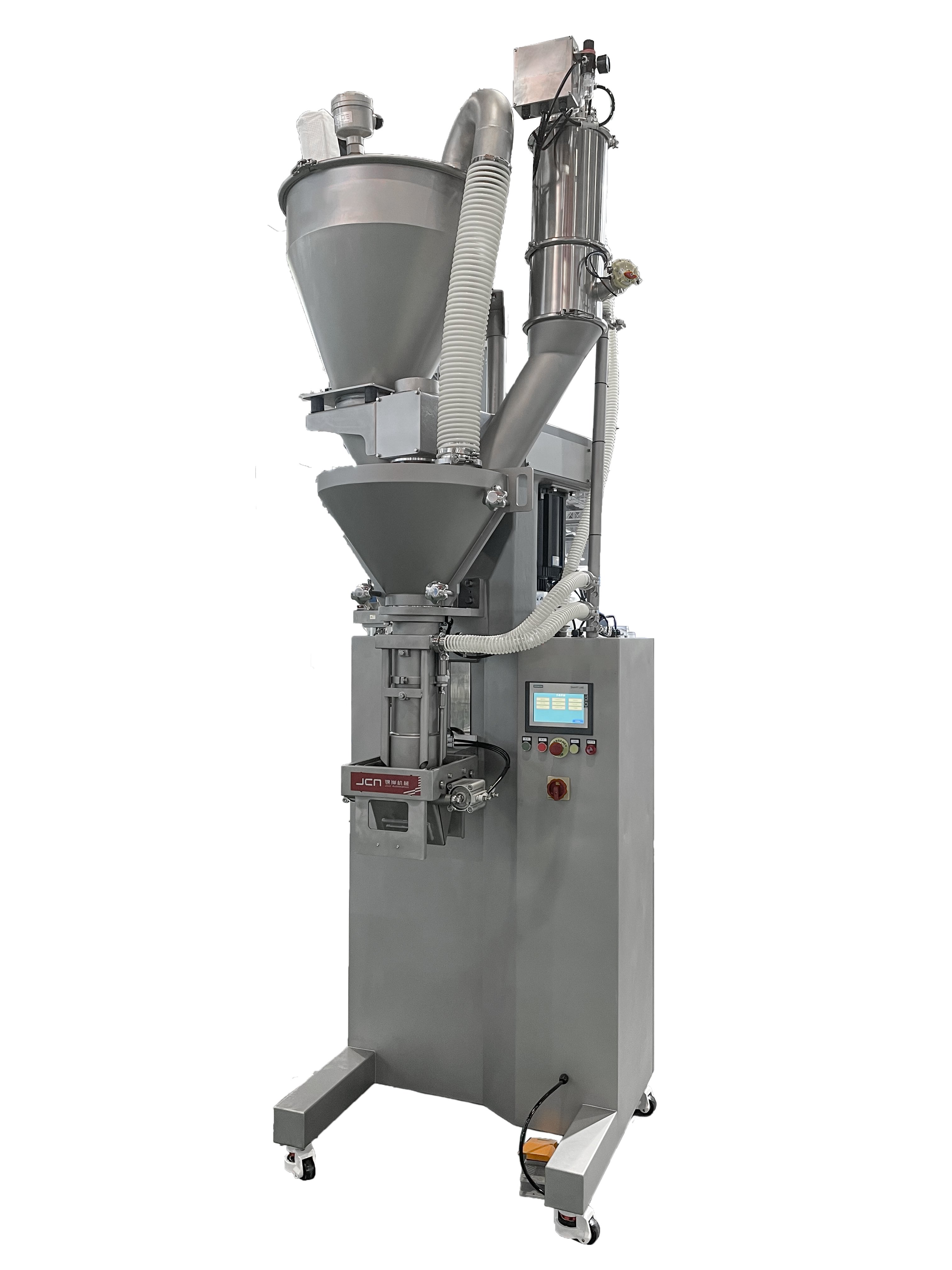
Before making a purchase, there are several considerations to keep in mind:
Regulatory Compliance: Ensure the equipment meets industry standards and regulations, particularly for food and pharmaceuticals. This could include certifications like FDA approval or compliance with Good Manufacturing Practices (GMP).
Maintenance and Support: Investigate the manufacturer's maintenance protocols and the availability of technical support. Regular maintenance is essential for longevity and performance reliability.
Lead Times: Inquire about lead times for delivery and installation. Longer lead times can impact your production schedule, so ensure the supplier can meet your timelines.
Training and Documentation: Proper training for your staff on the new equipment is crucial to maximize its benefits. Request detailed operational manuals and training sessions to facilitate a smooth transition.
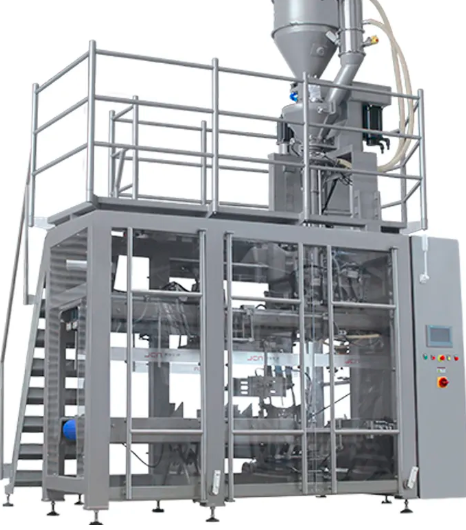
The cost of powder filling equipment can vary significantly based on several factors:
Type of Equipment: Basic models may be more affordable, while advanced systems with automation and high accuracy can come at a premium. Determine the balance between your budget and the features required.
Customization: Custom-built machines tailored to specific applications can lead to increased costs. Assess whether the additional investment aligns with your operational needs.
Maintenance and Operating Costs: Beyond the initial purchase price, consider ongoing expenses such as maintenance, spare parts, and energy consumption. Efficient machines may reduce operating costs over time.
Supplier Reputation: Established manufacturers with a proven track record may charge higher prices but offer enhanced reliability and support. Researching supplier backgrounds can help in evaluating the overall value.
JCN has manufacturing plant that is spread over 30,000 square metres in Nantong, Jiangsu Filling machine for powder. has risen to become one of largest companies that design engineering, engineers, manufactures distributes latest powder handling equipment.
JCN has been certified ISO 9001:2015 have been awarded a CE certificate several utility patent certificates.And all our products 100% made in our factory,assembled and then tested before being delivered. Customers can also examine items to make sure that they in compliance with their Filling machine for powder.
"JCN focused on the research and development food packaging equipment. We have developed improved packaging machinery technologies imported from other countries. "We accessible all hours of day, so if you have any Powder filling machineabout machine operation, feel free to contact us."
JCN a manufacturer of powder handling equipment and equipment. Our primary products bag dumped, sieving, mixing, industrial weighing, auto-bagging as well as robotic palletising systems. They have been Vertical mixerwidely in food, new materials as well pharmaceutical industries, earning excellent reputation.