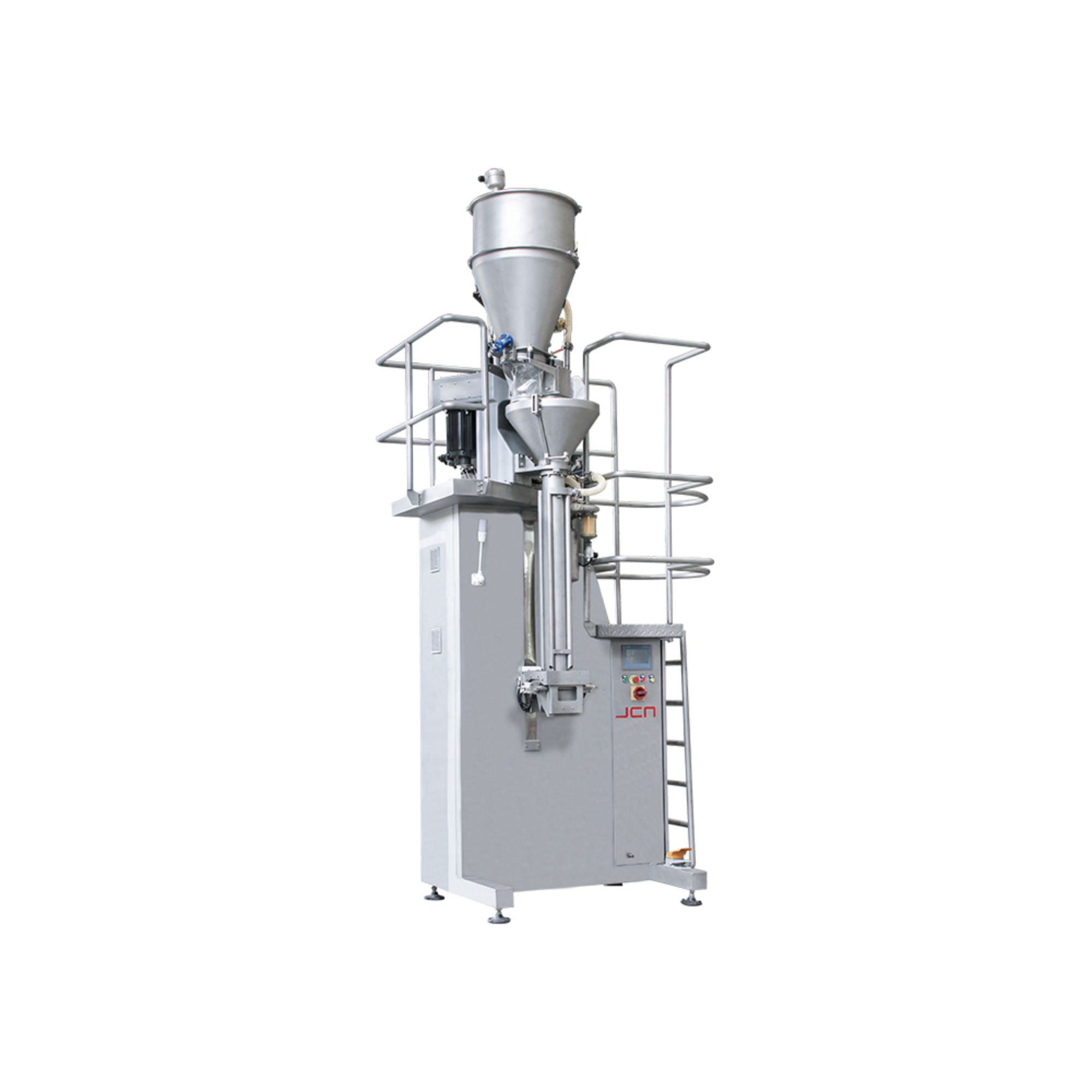
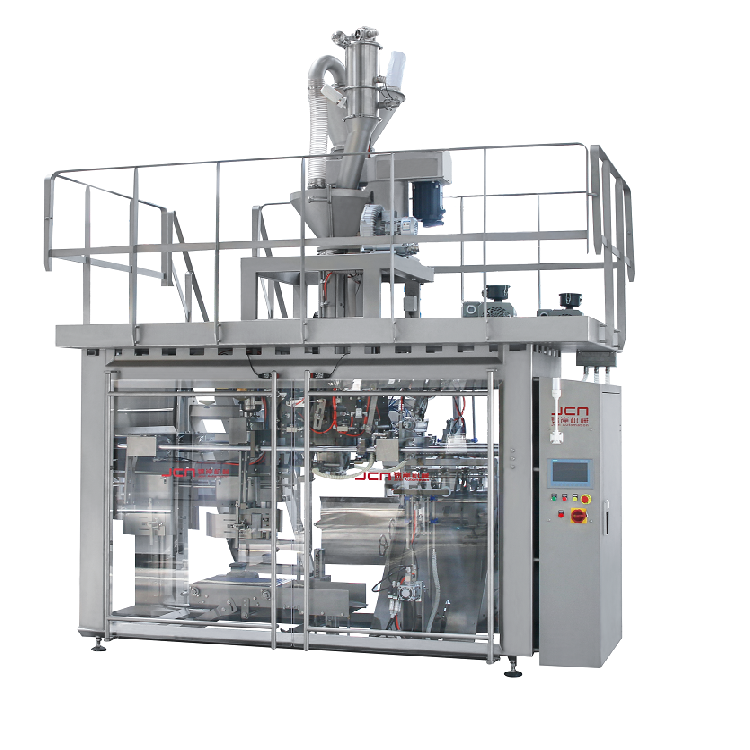
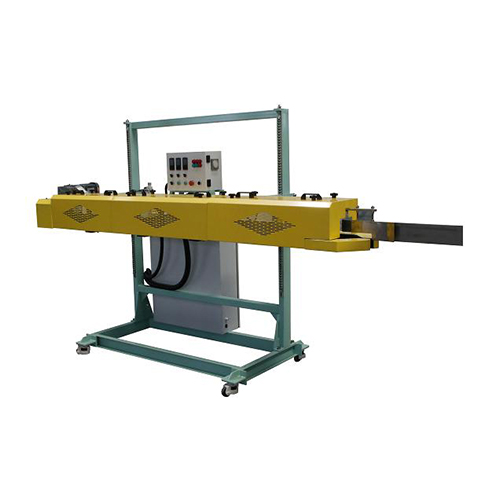
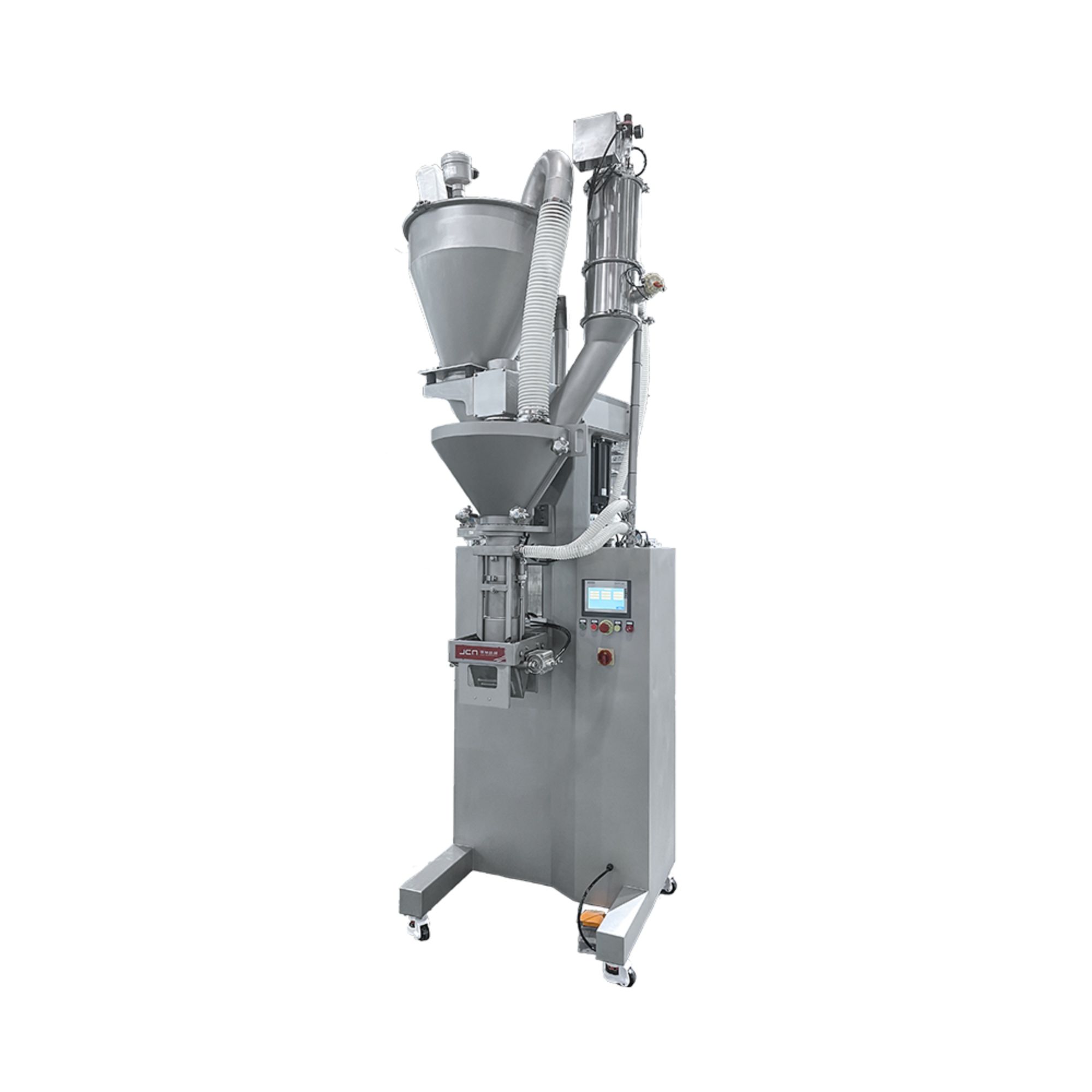
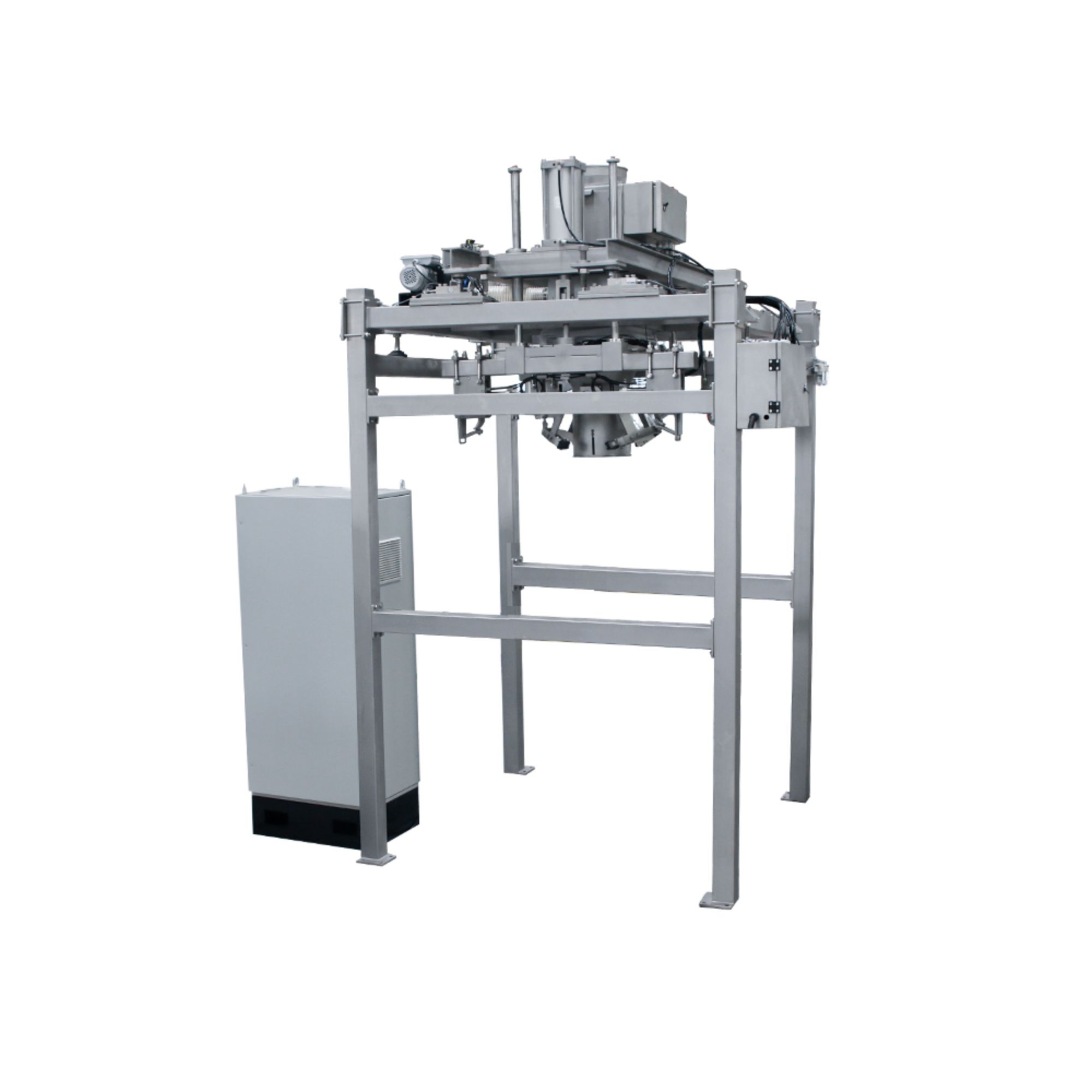
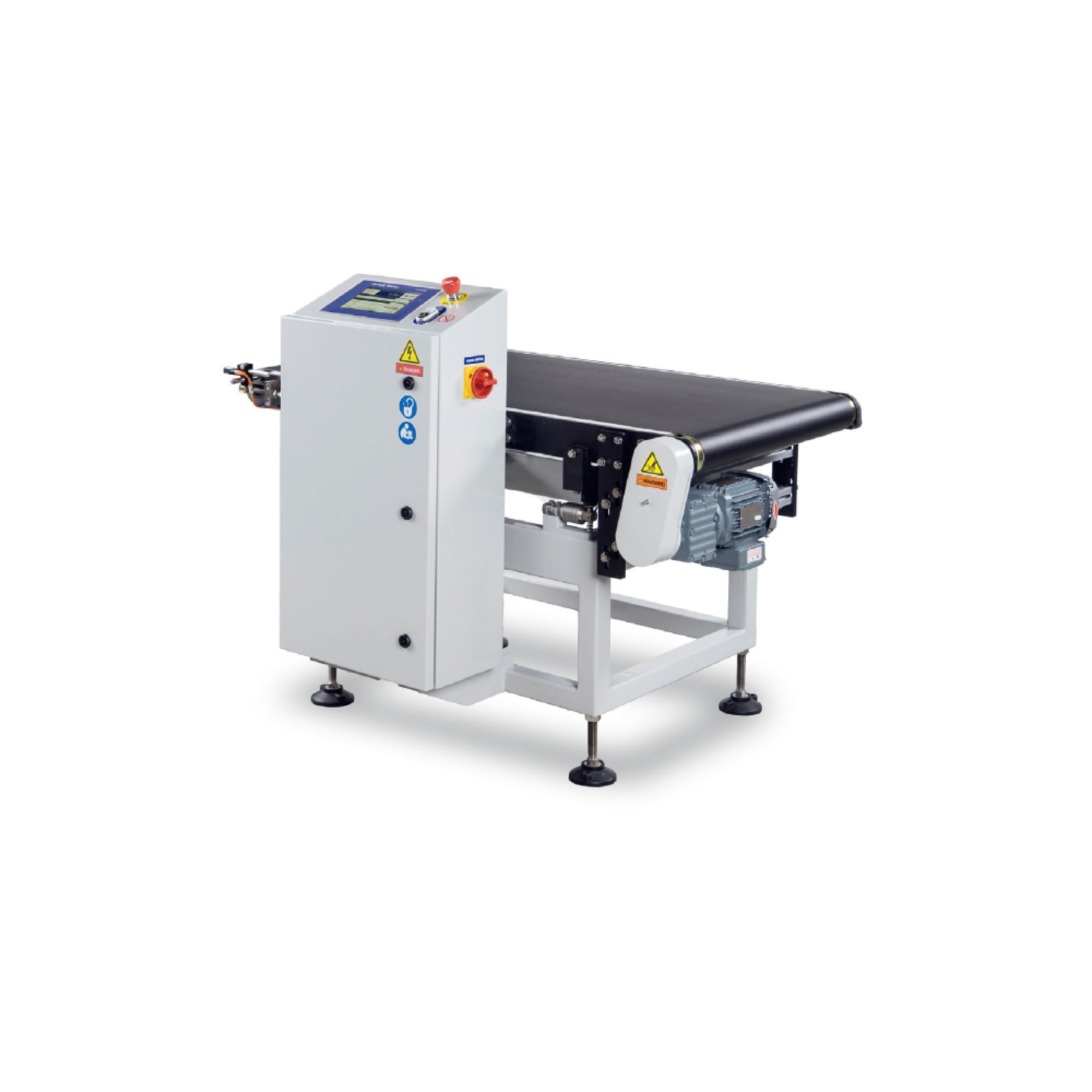
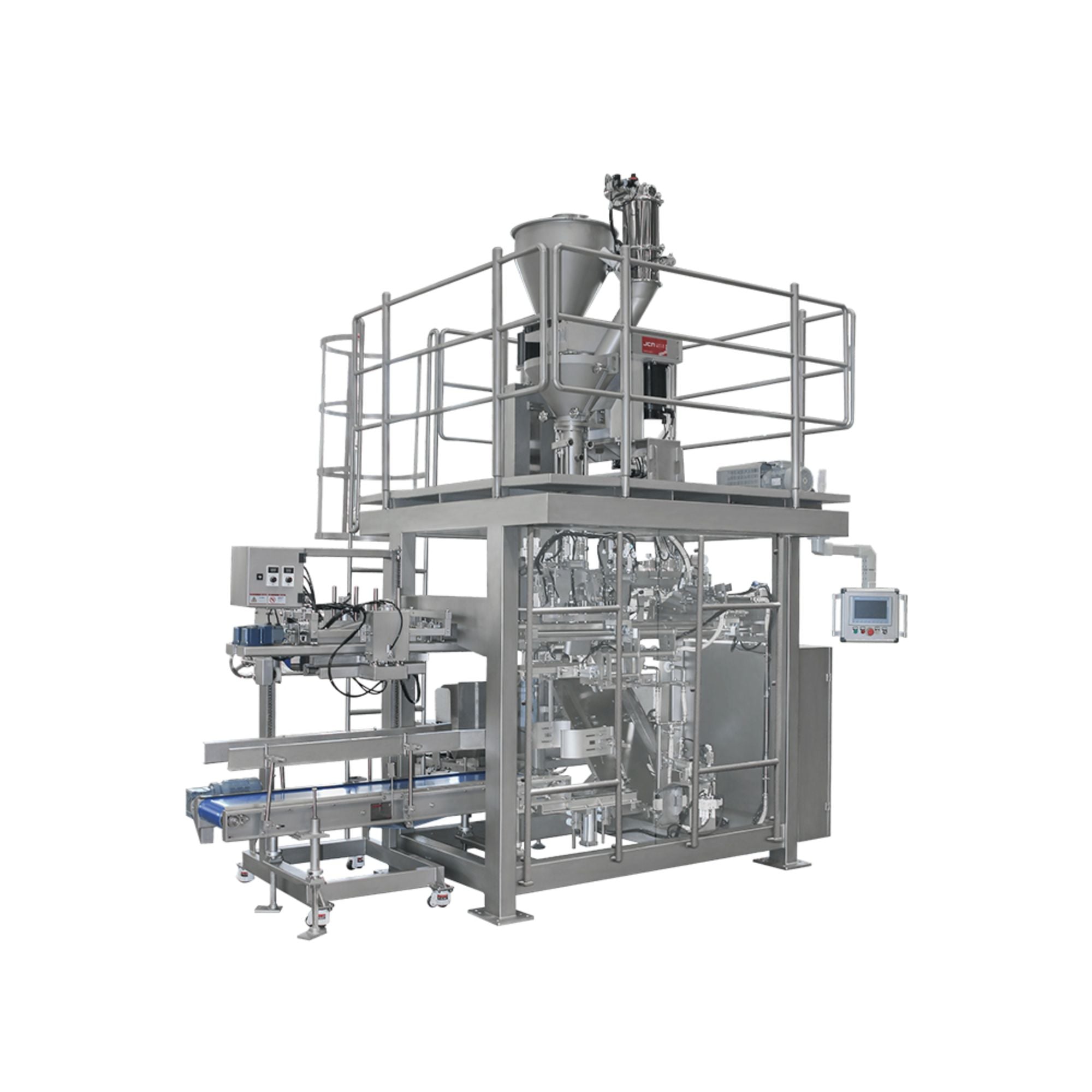
In the manufacturing and packaging sectors, a powder filling and sealing machine is an essential piece of equipment used to automate the process of filling containers with powder-based products and sealing them for distribution. For B2B buyers, understanding the right machine for their specific needs is crucial, as it impacts efficiency, cost, and product quality. This article will help purchasing managers, distributors, and engineers navigate the critical aspects of sourcing a powder filling and sealing machine, focusing on specifications, cost factors, applications, and common issues in the process.
Selecting the right powder filling and sealing machine involves assessing various factors, including production volume, powder characteristics, and packaging requirements. Buyers should first evaluate the type of powder being handled—whether it's fine, coarse, or a free-flowing powder—as these characteristics dictate the machine's design and operation. For instance, fine powders may require machines equipped with features to minimize dust generation, while coarse powders may need robust mechanisms to handle larger particle sizes.
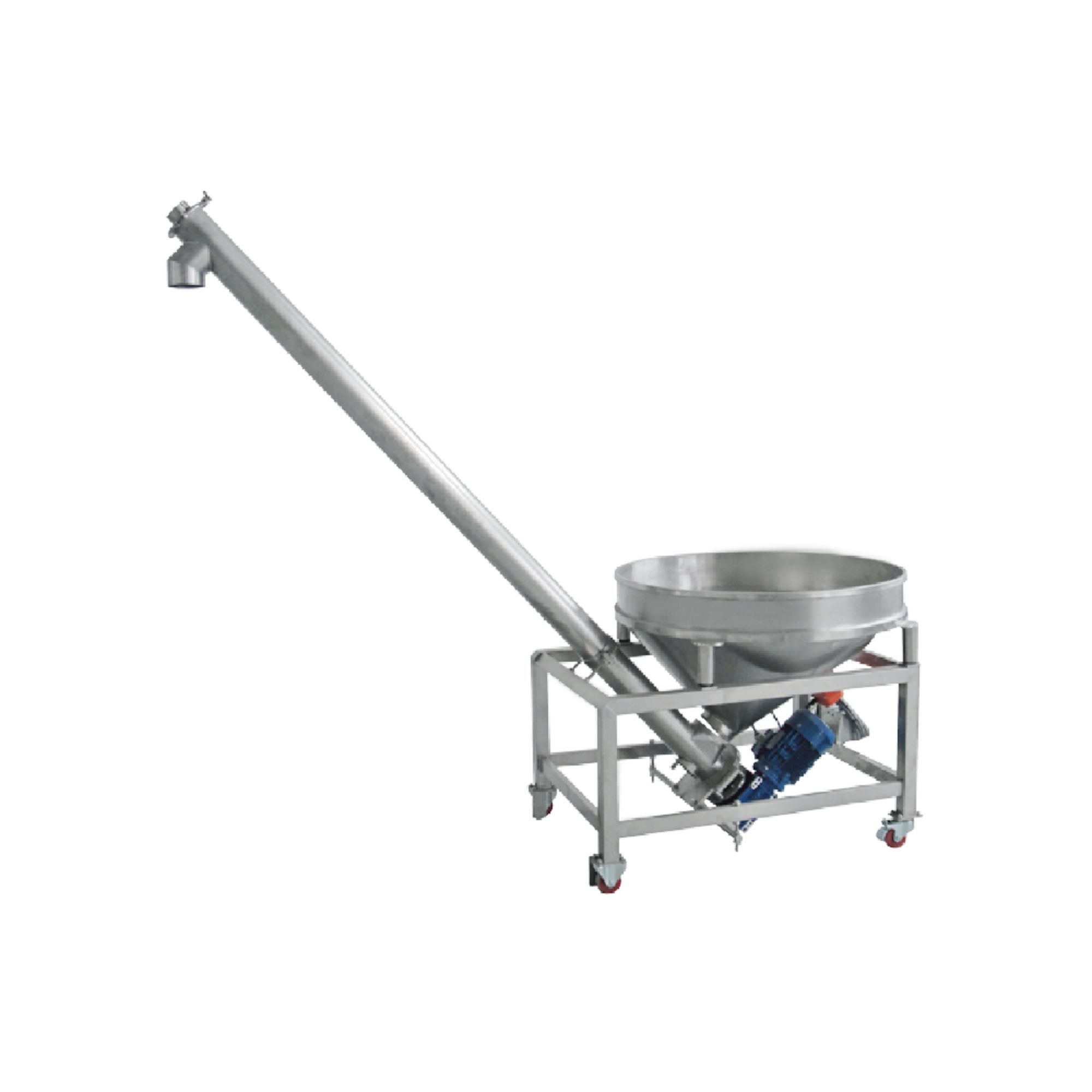
Additionally, consider the desired filling accuracy. Precision is vital, especially in industries like pharmaceuticals and food, where incorrect dosages can lead to compliance issues or product recalls. Machines that offer adjustable filling volumes and advanced control systems can improve accuracy and minimize waste. Furthermore, integrating systems like Auxiliary Equipment can enhance the overall efficiency of the filling process.
Finally, compatibility with existing packaging systems is essential. Buyers should ensure that the chosen machine integrates seamlessly with their current production line, including conveyors, sealing machines, and labeling equipment.
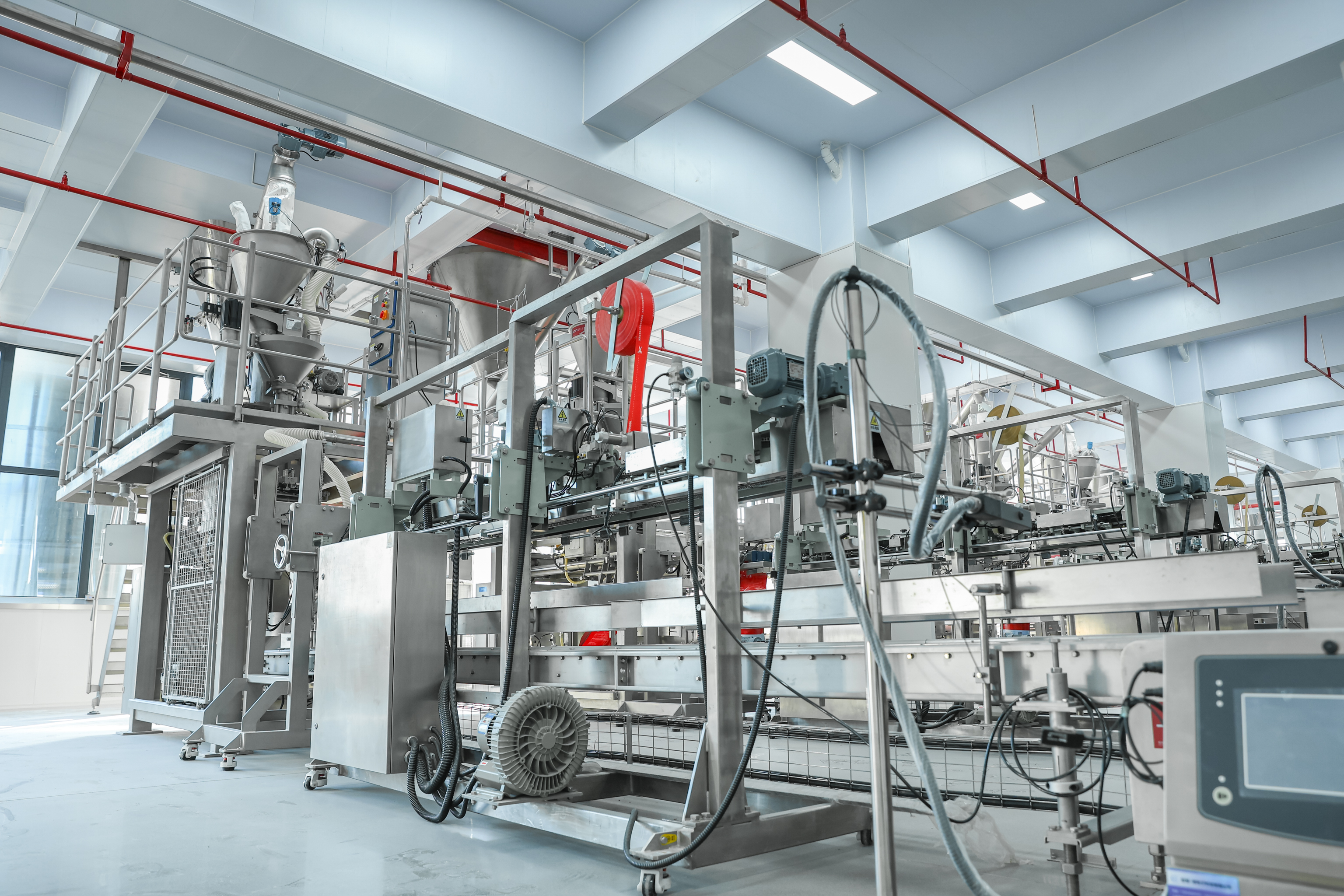
When sourcing a powder filling and sealing machine, several key specifications must be evaluated to ensure optimal performance:
Filling Capacity: This refers to the amount of powder the machine can fill in a specific timeframe. It is crucial to match the machine's capacity with production needs, balancing efficiency with the potential for overproduction.
Filling Accuracy: This specification indicates how precise the machine is in dispensing the required amount of powder. Buyers should look for machines with high accuracy rates, often expressed in percentage terms, to avoid costly errors.
Sealing Mechanism: Different products may require different sealing methods, such as heat sealing, vacuum sealing, or induction sealing. The choice of sealing method will depend on the type of packaging material used and the product's sensitivity to air and moisture.
Material Compatibility: Machines must be constructed from materials that are compatible with the powder being filled, particularly if the product is abrasive or corrosive. Stainless steel construction is often preferred for its durability and ease of cleaning.
Automation Level: Consider whether a fully automated or semi-automated machine is suitable for your operation. Automated systems typically offer higher throughput and reduced labor costs, while semi-automated machines may be more cost-effective for smaller operations.
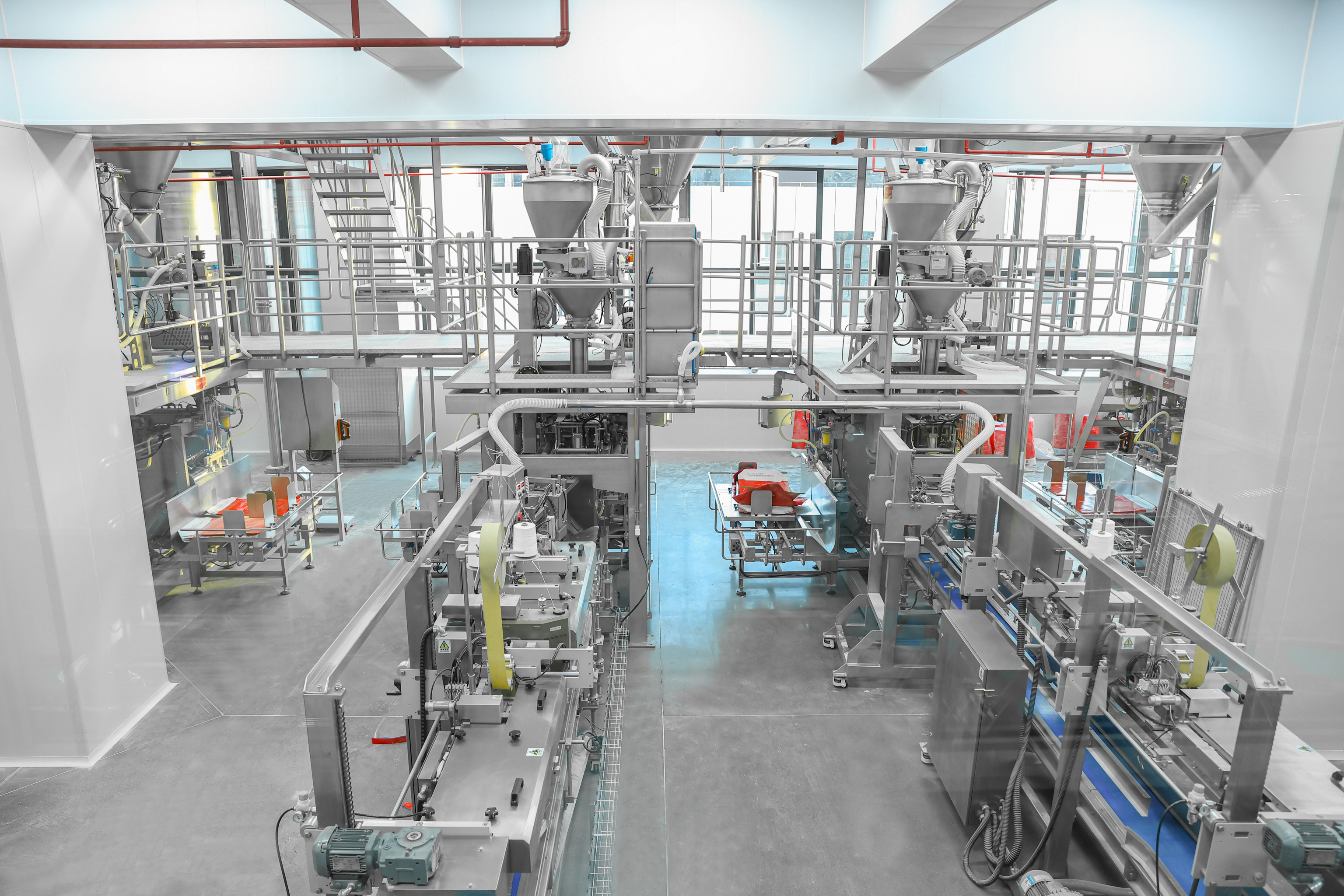
Cost is a significant factor when comparing powder filling and sealing machines. The total cost of ownership includes not just the purchase price but also installation, maintenance, and operation costs. Here are some key cost factors to consider:
Initial Purchase Price: Different machines vary considerably in price depending on features, capacity, and brand reputation. It’s important to balance upfront costs with long-term benefits.
Maintenance Costs: Regular maintenance is essential to keep machines running efficiently. Some machines may require more frequent servicing or specialized parts, which can increase overall costs.
Energy Consumption: Machines with high energy efficiency may have a higher initial cost but can lead to lower operating costs over time. Evaluate the energy consumption ratings and look for machines that optimize power use.
Downtime Costs: Consider the potential cost of downtime due to machine malfunctions. Investing in a reliable machine with a good warranty and support can mitigate risks associated with unplanned downtimes.
Training and Labor Costs: Some machines may require specialized training for operators, which can add to labor costs. Ensure that the machine selected is user-friendly to minimize training time and costs.
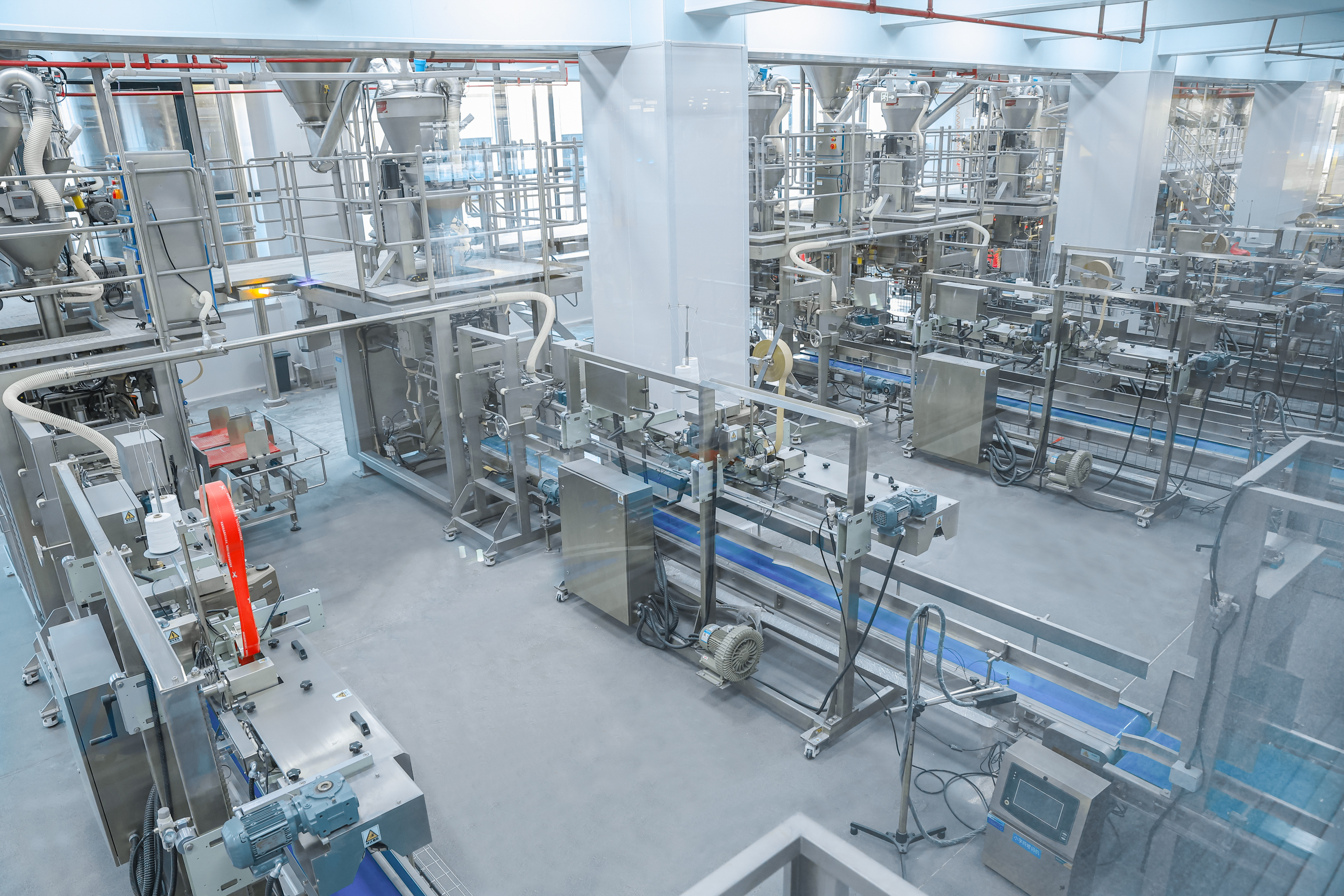
Powder filling and sealing machines serve a diverse range of industries, each with specific application requirements. Some common applications include:
Food Industry: Filling machines are used for products like flour, sugar, spices, and powdered drink mixes. Compliance with food safety regulations is critical, requiring machines that are easy to clean and maintain.
Pharmaceuticals: Precision is paramount in this sector, where medications in powder form must be filled accurately to ensure proper dosing. Machines used in pharmaceuticals often come with advanced quality control features.
Cosmetics: Powder filling machines are used for products such as talcum powder, face powder, and other cosmetic powders. The aesthetic quality of the packaging is also a critical factor.
Chemical Industry: This sector may use powder filling machines for a variety of substances, including fertilizers and industrial powders. The machines must be robust and capable of handling corrosive materials.
Understanding the specific application helps in selecting a machine that not only meets operational requirements but also complies with industry standards.
JCN a manufacturing that occupies an area of 30,000 square metres Nantong city,Jiangsu province.And it has grown Vertical blenderone of the leading company which designs, engineer production distribution of high-tech powder material handling equipment.We constantly adhere to the notion of creating value our clients by establishing quick communication, active collaboration and constantly improving our methods of conduct.
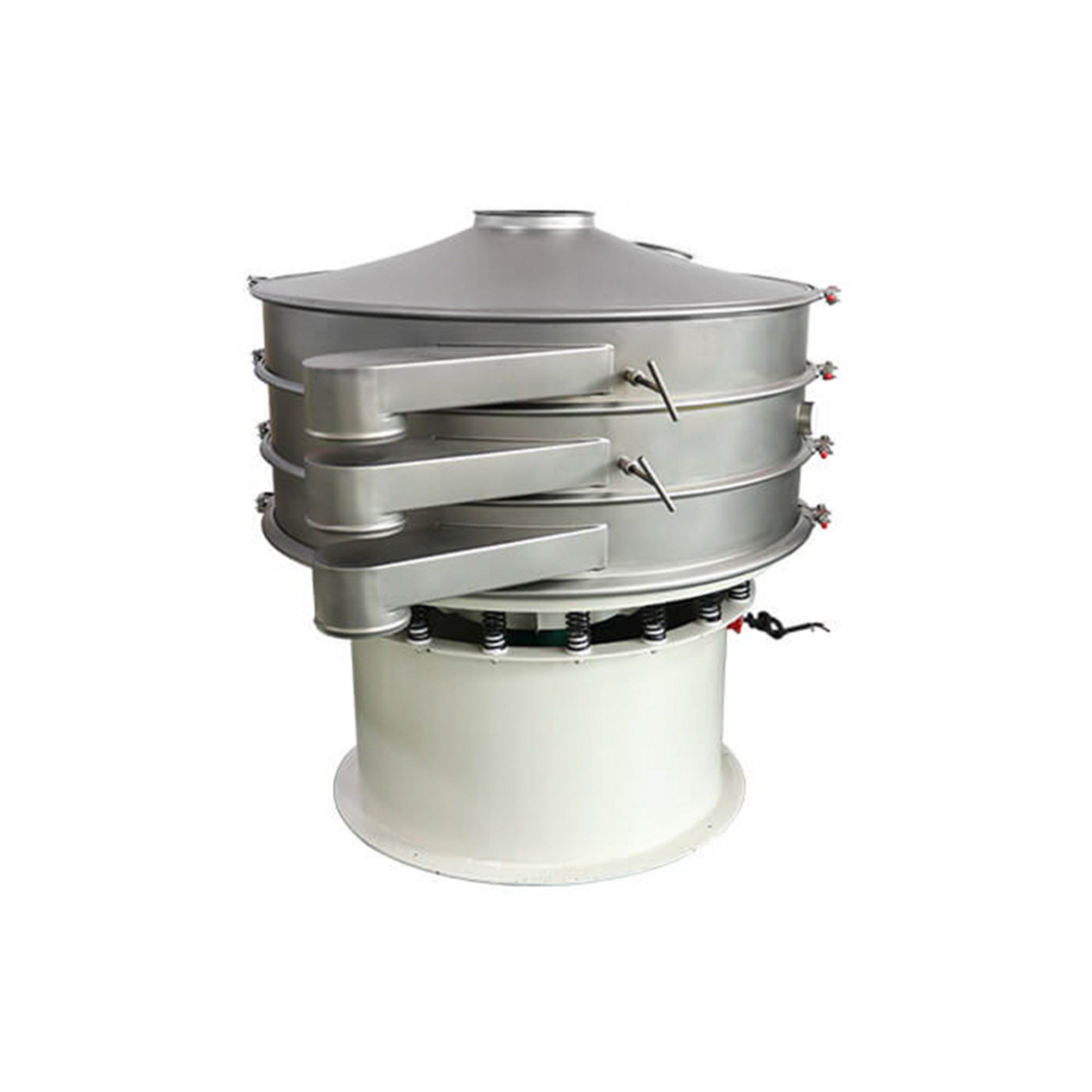
JCN business is a manufacturer of equipment for handling powder and technology.Our major products at Automatic packing machineinclude mixing, bag dumping, sieving, industrial weighers, automatic bagging and robotic palletising system which has been extensively used in the food, new materials and pharmaceutical industry, earning good reputation.We are a firm committed to providing professional solutions to our clients through in-depth understanding of customer's needs.
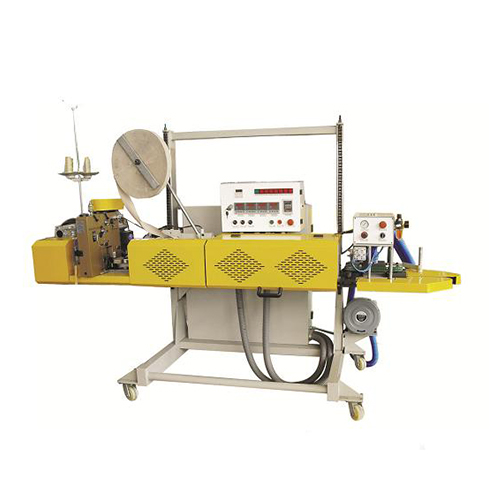
JCN has been certified ISO 9001:2015 obtain CE certification as well as Sealing and packing machineutility patent certificates.all our products are made entirely by factory. They are assembled and tested before delivery. Customers can also inspect the products verify they meet their needs.
"JCN focused on R and D of food packaging equipment. have taken advanced packaging machinery technology from overseas as well as made improvements advancements. We offer 24 hour online assistance, you have any questions about machine operation simply get Bag sewing machineus."