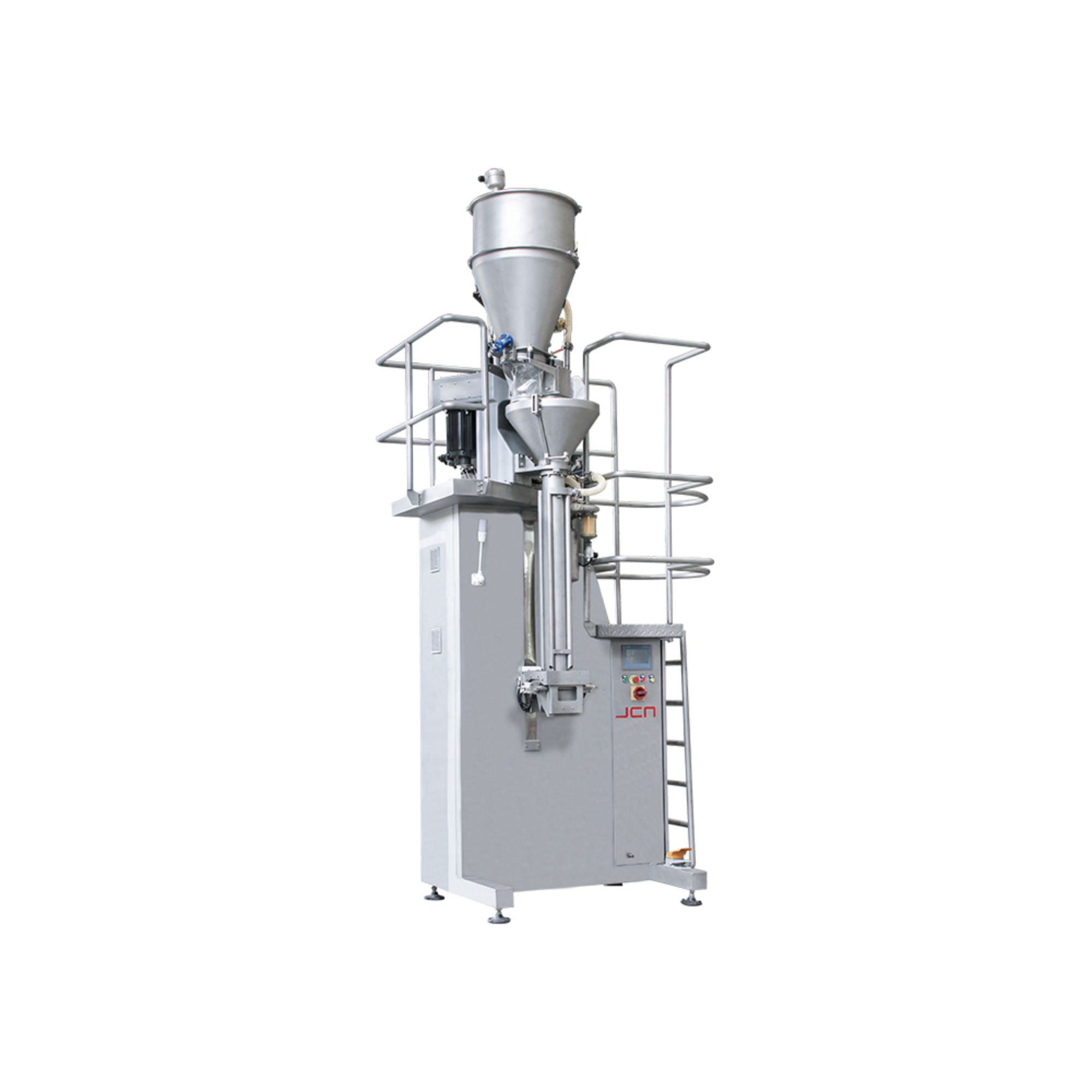
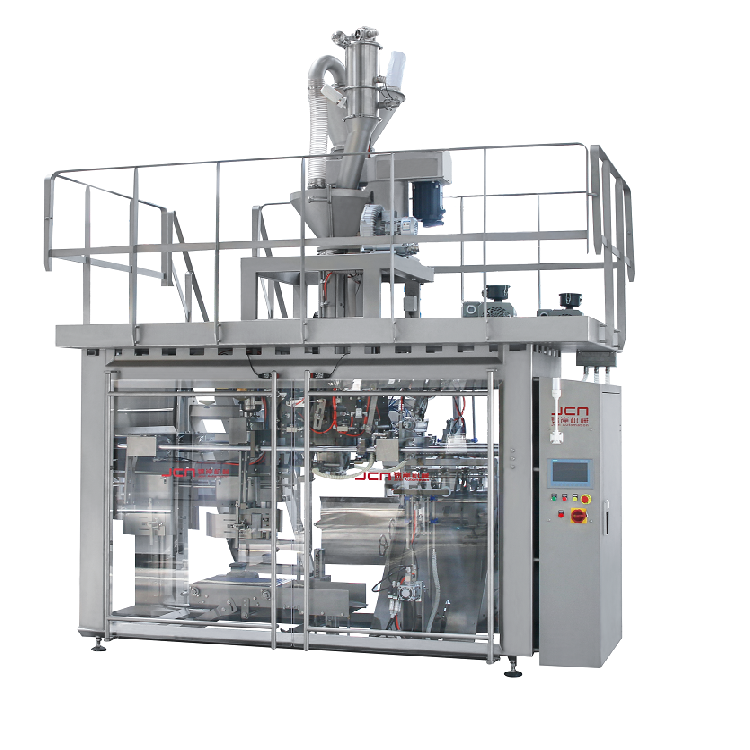
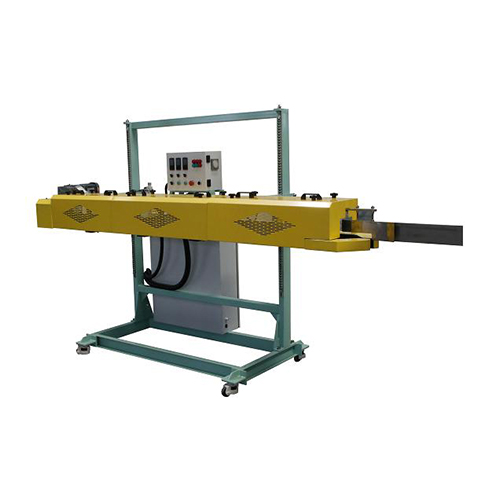
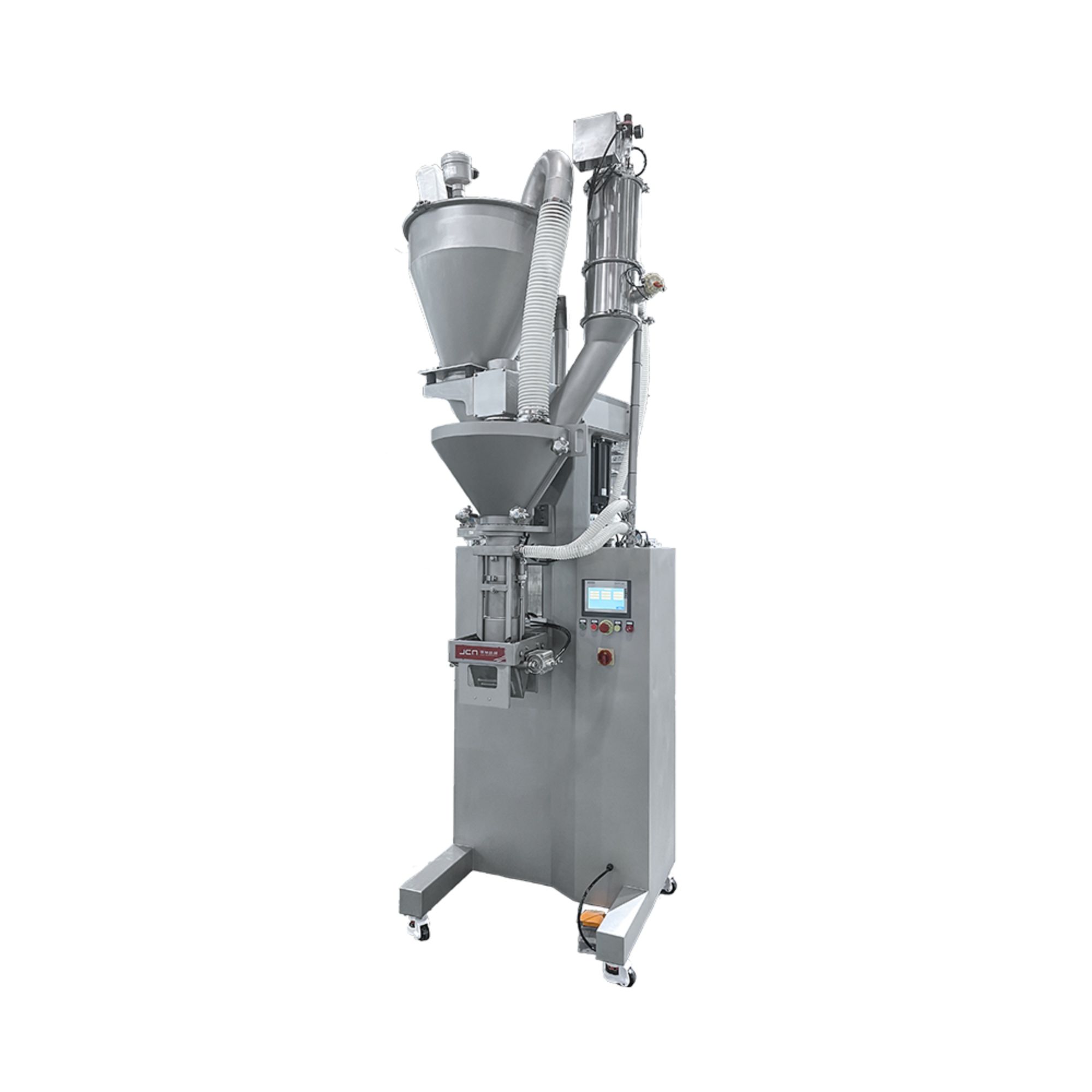
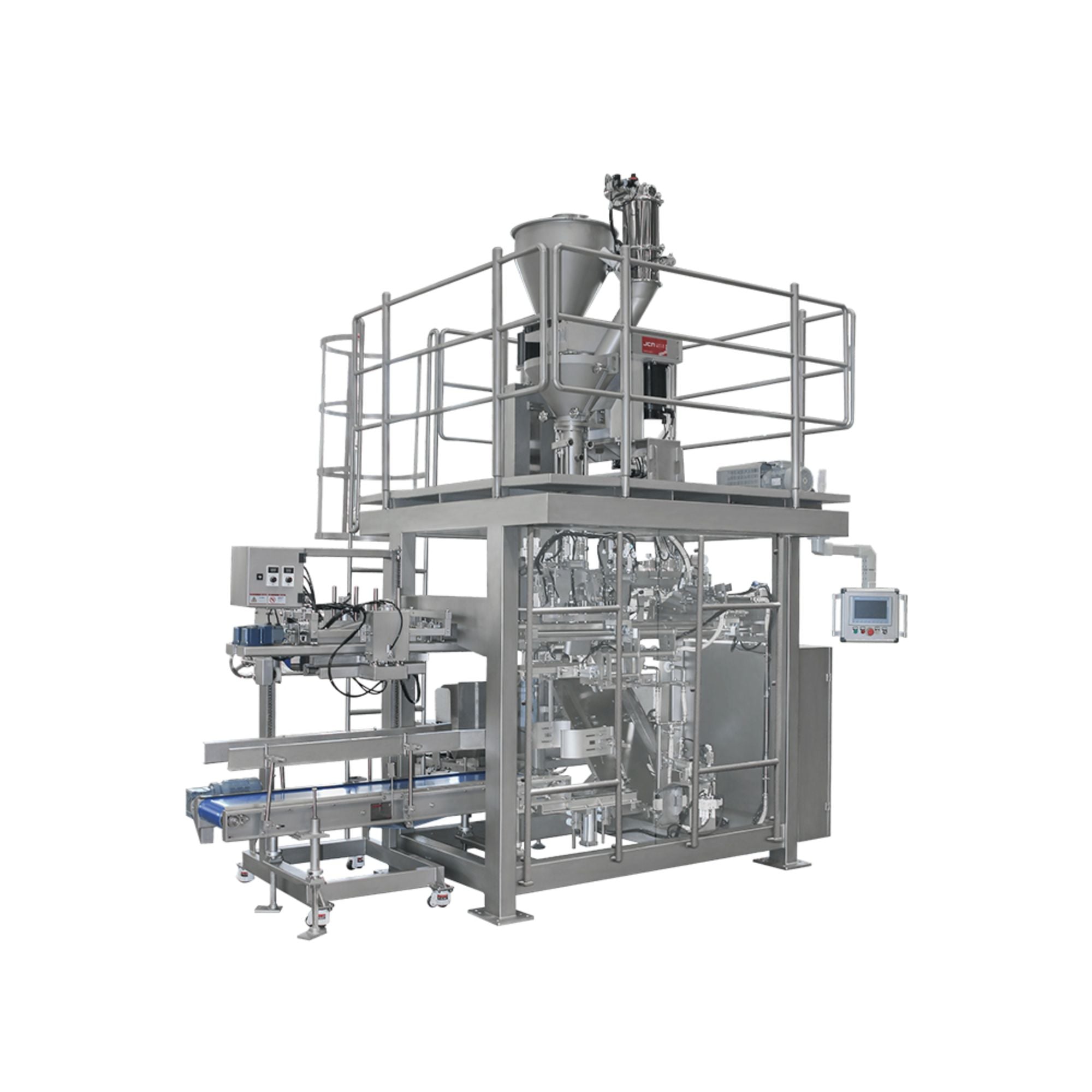
An auger packing machine is a vital piece of equipment for industries that handle powder materials, such as food and pharmaceuticals. These machines efficiently measure, fill, and pack powdered substances into bags or containers, ensuring accuracy and minimizing waste. As a purchasing manager or distributor, understanding the key specifications, quality evaluation methods, installation challenges, applications, and cost factors is crucial for making informed decisions. This article will guide you through these aspects, helping you choose the right auger packing machine for your operations.
When selecting an auger packing machine, several key specifications should be considered to ensure optimal performance.
Filling Accuracy: The accuracy of an auger packing machine is critical, especially in industries like pharmaceuticals where precise dosages are paramount. Machines typically have an accuracy rate of ±0.1% to ±0.5%, depending on the model and application.
Auger Diameter and Length: The size of the auger affects the flow rate and packing speed. Common diameters range from 25 mm to 100 mm. A larger auger can handle a higher volume but may not be suitable for fine powders, which can clump or flow poorly.
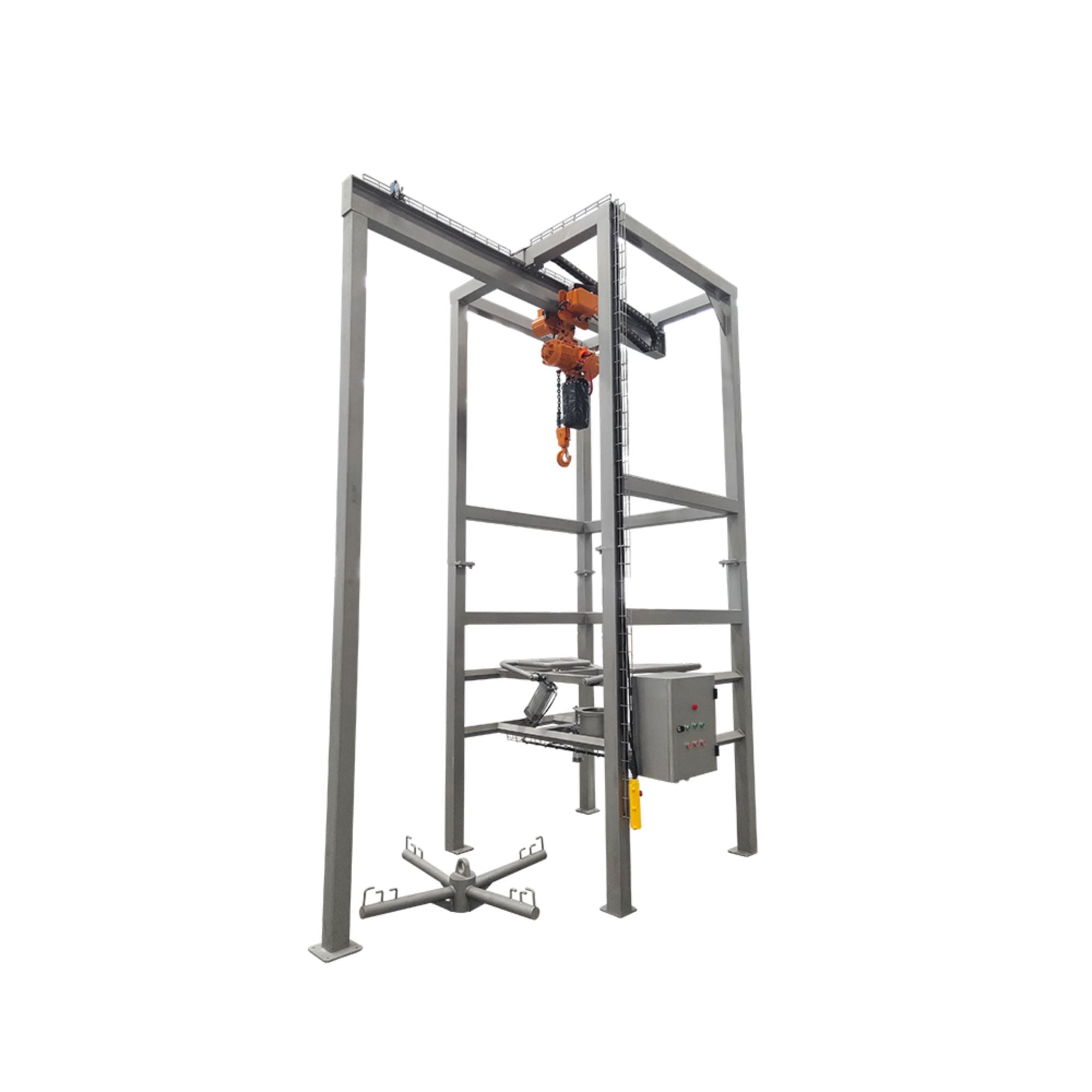
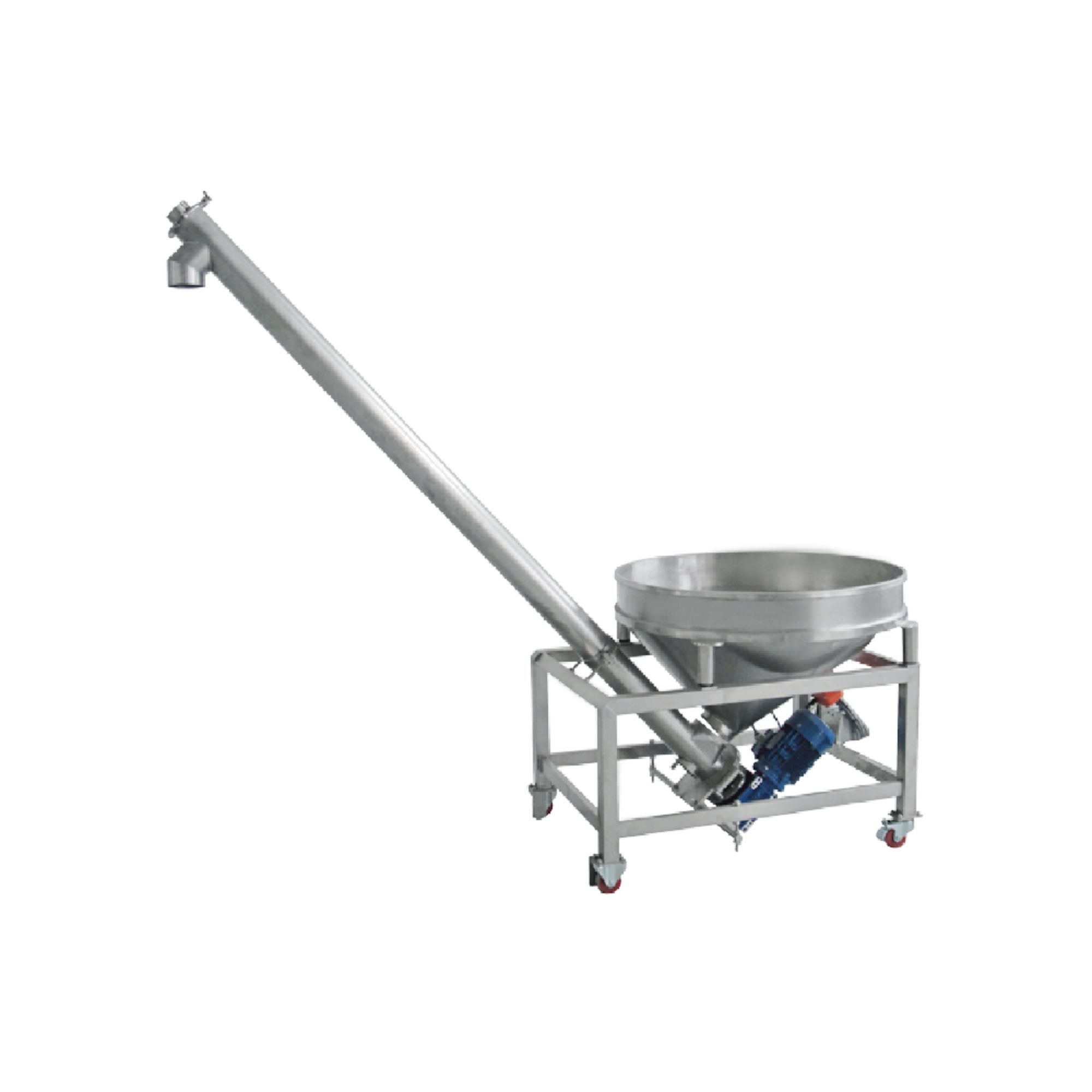
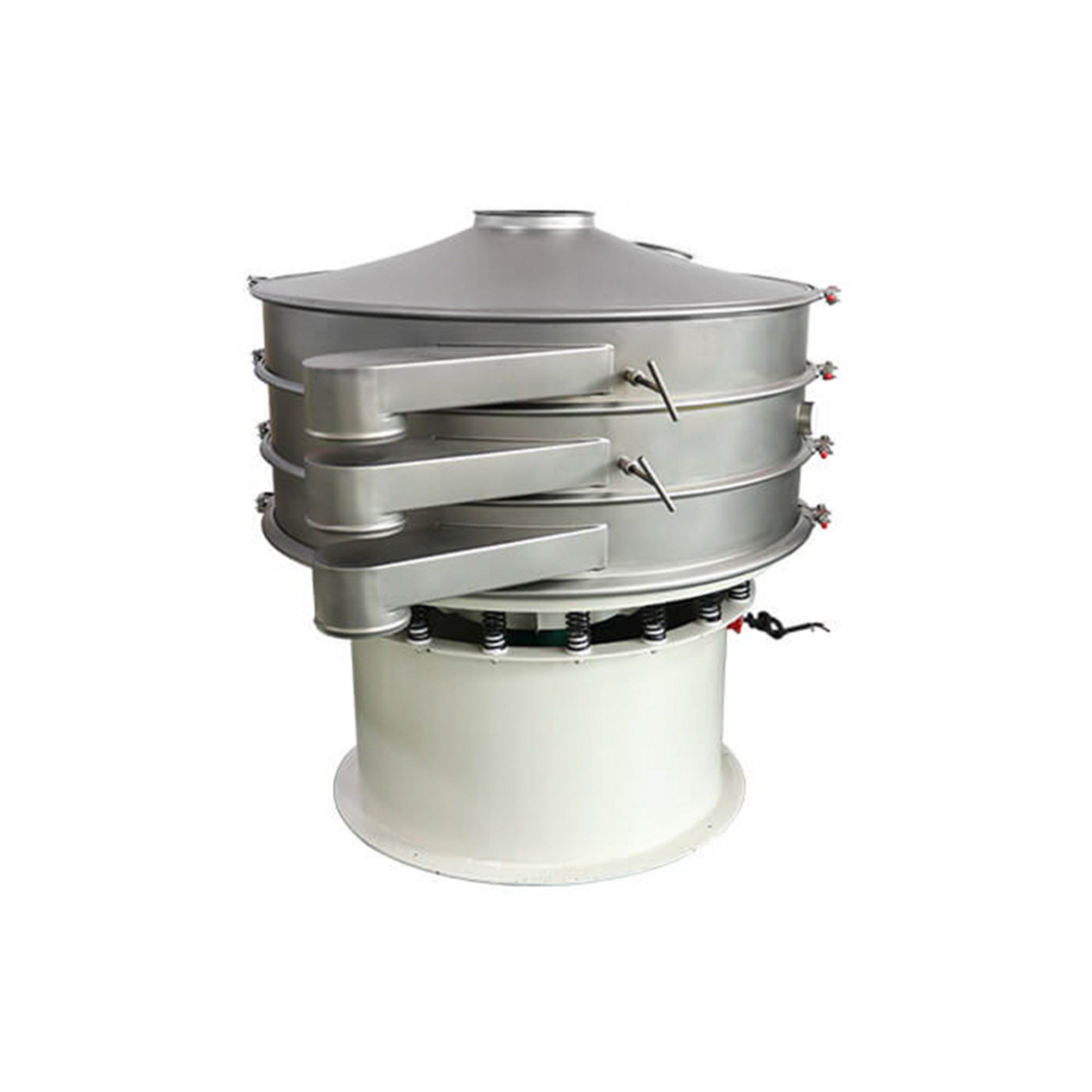
Material Construction: Auger packing machines are usually constructed from stainless steel to withstand corrosive materials and ensure hygiene. The materials used should comply with industry standards, such as FDA regulations for food applications. For those looking for additional solutions, consider our Auxiliary Equipment that can enhance your packing process.
Control Systems: Advanced control systems allow for easy adjustments in filling weight and speed. Machines with PLC (Programmable Logic Controller) interfaces provide better monitoring and control, enhancing operational efficiency.
Production Capacity: Depending on your operational needs, consider the machine's output capacity, which can vary from 20 to 120 bags per minute. Assessing your production goals will help you choose a model that aligns with your requirements.
Understanding these specifications allows you to select an auger packing machine that meets your production needs while ensuring efficiency and accuracy.
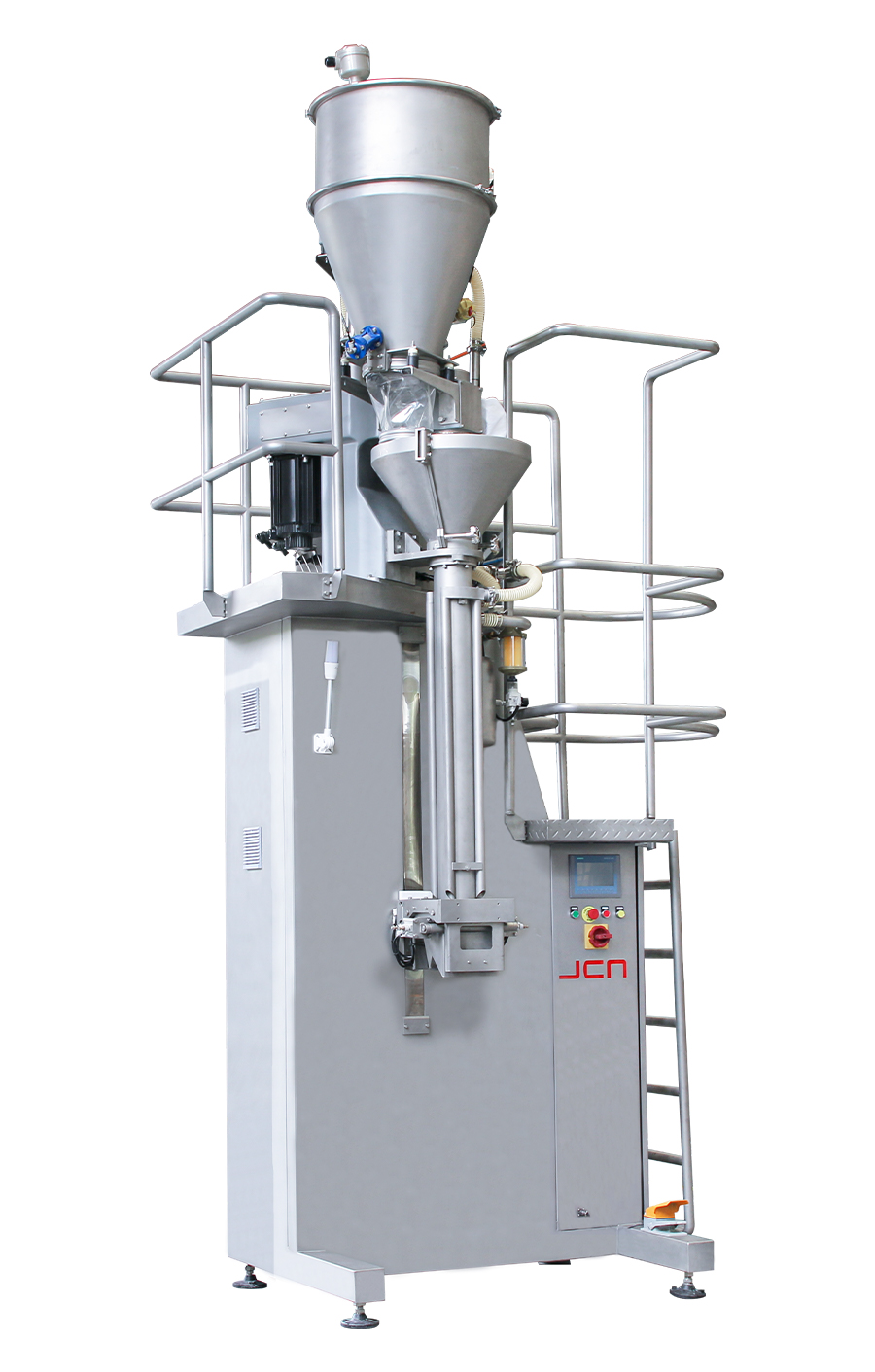
Evaluating the quality of an auger packing machine involves several critical steps:
Supplier Reputation: Research the supplier's reputation in the industry. Look for customer reviews, case studies, and testimonials that showcase their reliability and after-sale support.
Certifications: Ensure that the machine meets relevant industry standards and certifications, such as ISO 9001 for quality management and GMP (Good Manufacturing Practices) for food and pharmaceutical applications. These certifications indicate the supplier's commitment to quality.
Material Quality: Inspect the materials used in the machine's construction. High-quality stainless steel with a proper finish can prevent contamination and ensure durability.
Testing Protocols: Inquire about the testing protocols used by the manufacturer. Machines should undergo rigorous testing for accuracy, durability, and performance before shipping. Request documentation of these tests if available.
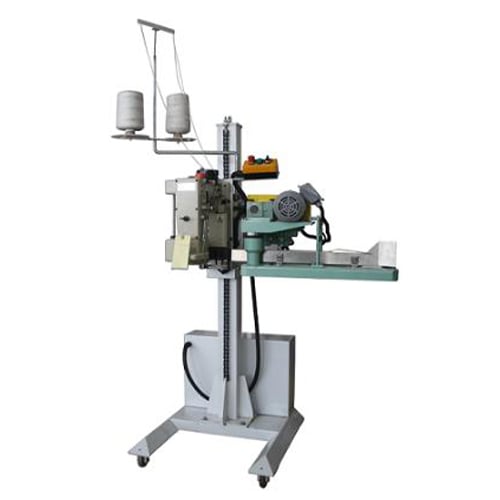
Customization Options: Assess whether the supplier offers customization to meet specific project requirements. Customized features can enhance the machine's efficiency for unique applications, similar to what we offer in our Bag Closing Machine solutions.
By thoroughly evaluating these factors, you can ensure that the auger packing machine you choose will perform reliably in your operations.
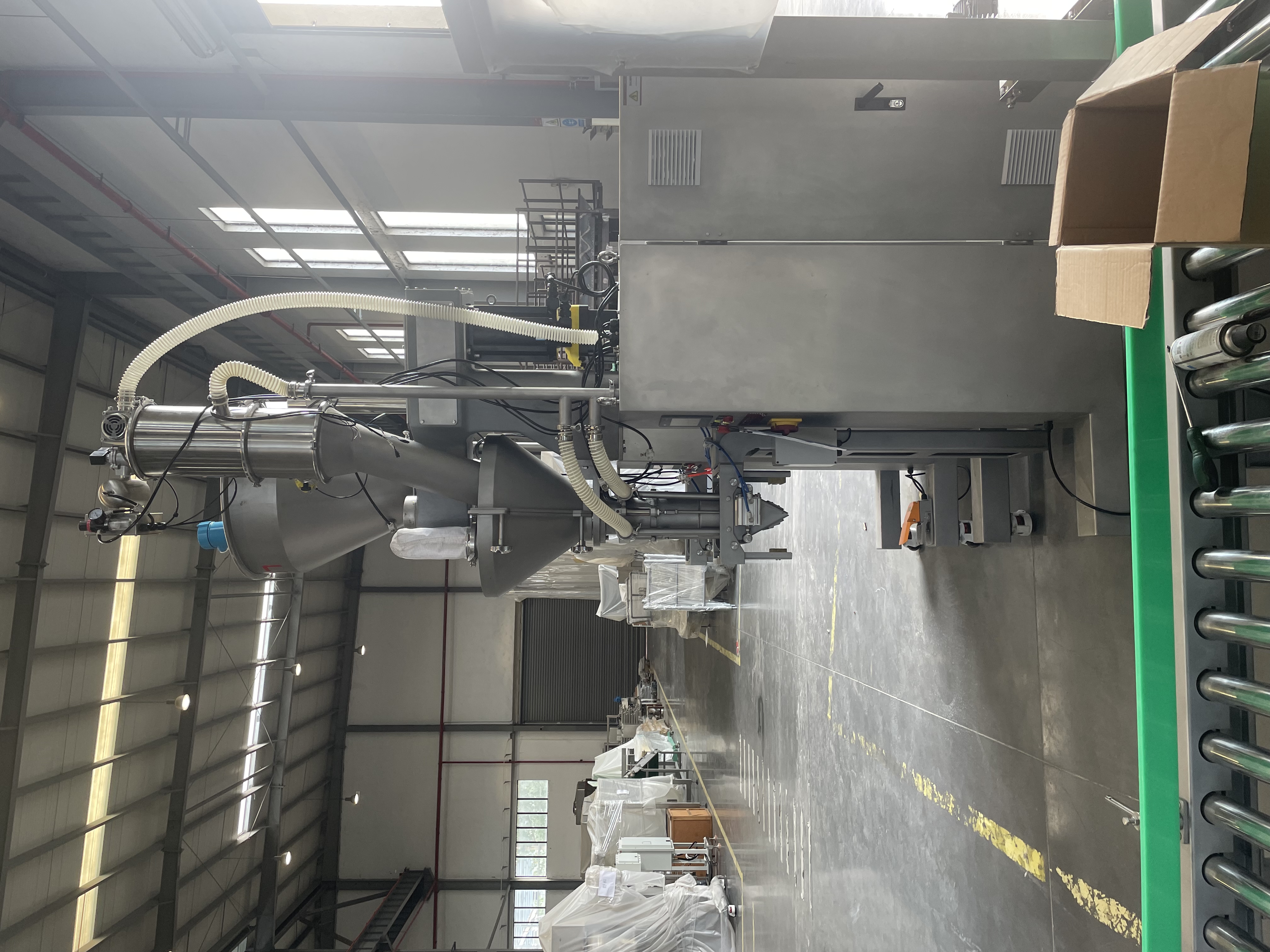
Installing an auger packing machine may present several challenges:
Space Constraints: Often, the layout of existing production lines may not accommodate new machinery easily. To address this, conduct a thorough site survey before installation to determine the optimal location that allows for efficient workflow and maintenance access.
Alignment Issues: Proper alignment of the machine with existing conveyor systems is crucial for smooth operation. Use laser alignment tools during installation to ensure accurate positioning and prevent wear on moving parts.
Electrical Connections: Ensuring that the electrical supply meets the machine's requirements is essential. Verify voltage and phase specifications before installation to prevent operational issues. Consulting with an electrician during the setup can mitigate potential problems.
Calibration: After installation, proper calibration of the machine is necessary to achieve desired filling accuracy. Follow the manufacturer's guidelines for calibration settings and conduct trial runs to fine-tune the machine’s performance.
Training Personnel: Once installed, training staff on the machine’s operation and maintenance is vital. Consider scheduling training sessions with the supplier to ensure that operators understand all functionalities and safety measures.
Addressing these challenges in advance will help ensure a smooth installation process and minimize downtime.
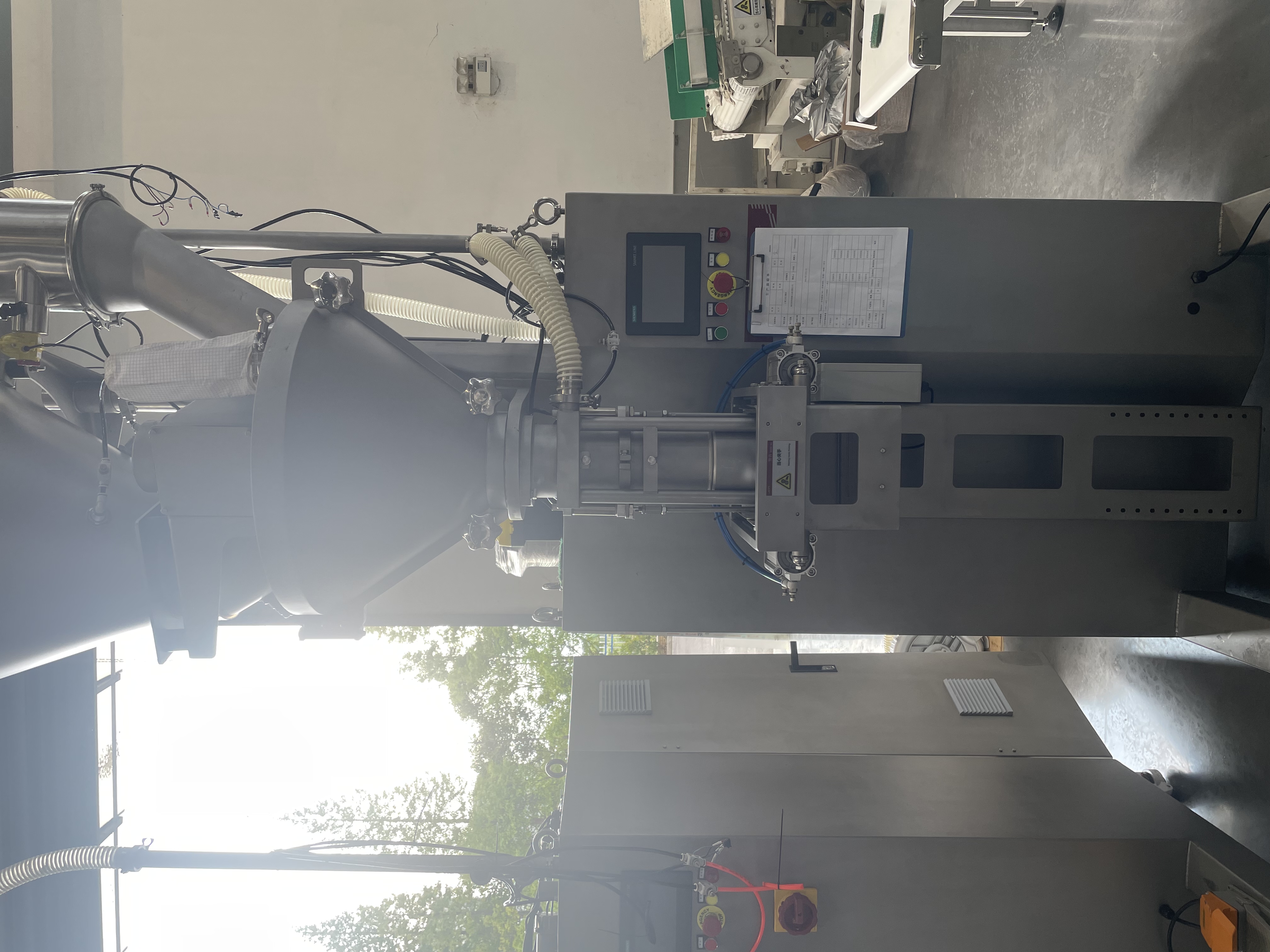
In the food and pharmaceutical industries, auger packing machines play a crucial role in ensuring efficient and hygienic packaging of powdered products.
Food Industry Applications: Auger packing machines are widely used for packaging powdered ingredients like flour, sugar, spices, and instant coffee. They help maintain product integrity and accuracy, which is essential for consumer safety and satisfaction.
Pharmaceutical Industry Applications: In pharmaceuticals, these machines are used to pack powders, such as vitamins, supplements, and bulk medicines. The accuracy and hygiene standards required in this sector necessitate high-quality machines that comply with strict regulatory standards.
Customization for Specific Products: Different products may require unique configurations. For instance, a machine designed for fine powders may need an anti-static feature to prevent clumping, while a machine for coarser products may require a larger auger diameter for efficient flow.
Integration with Other Systems: Auger packing machines can be integrated with other packaging systems, such as labeling or cartoning machines, to create a fully automated packaging line. This integration enhances productivity and reduces manual handling.
The versatility of auger packing machines makes them suitable for various applications, ensuring efficiency in both food and pharmaceutical packaging processes.
JCN has manufacturing plant that spans 30000 square Sealing and packing machinelocated Nantong, Jiangsu Province. JCN has grown to become one the leading firms that designs engineers, produces, provides state-of--art handling equipment.
"JCN focused on R and D of food packaging equipment. have taken advanced packaging machinery technology from overseas as well as made improvements advancements. We offer 24 hour online assistance, you have any questions about machine operation simply get Bag sewing machineus."
JCN has been certified ISO 9001:2015 have been awarded a CE certificate several utility patent certificates.And all our products 100% made in our factory,assembled and then tested before being delivered. Customers can also examine items to make sure that they in compliance with their Filling machine for powder.
JCN business a manufacturer of equipment for handling powder and technology.Our most popular products currently mixing, bag dumping, siving, industrial weighers, automatic bagging robotic palletising system which widely used in the food, new material as well as pharmaceutical industry, have earned an enviable reputation.We are a company deicated to providing professional solutions to our customers by gaining an a thorough understanding of their Packing automatic machine.