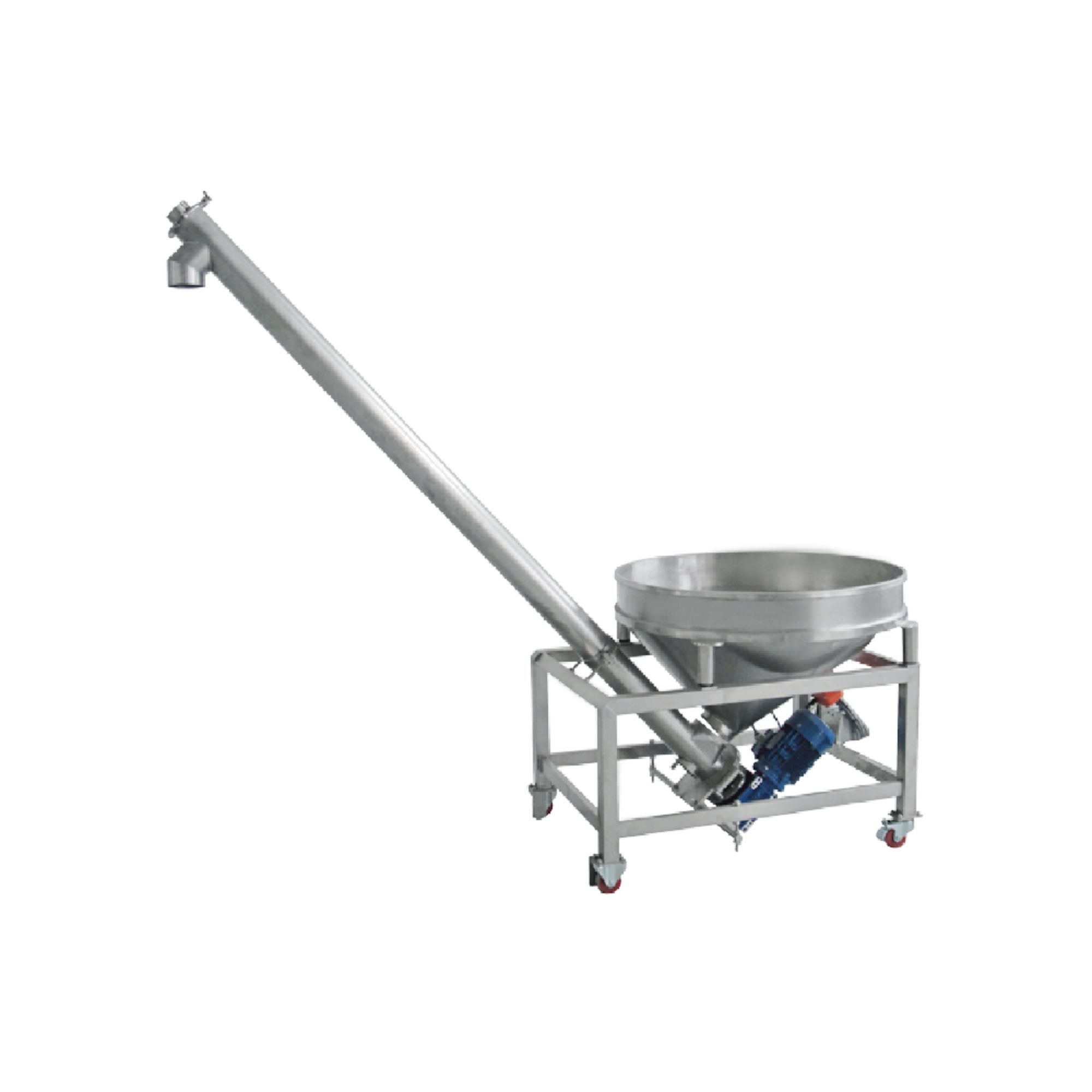
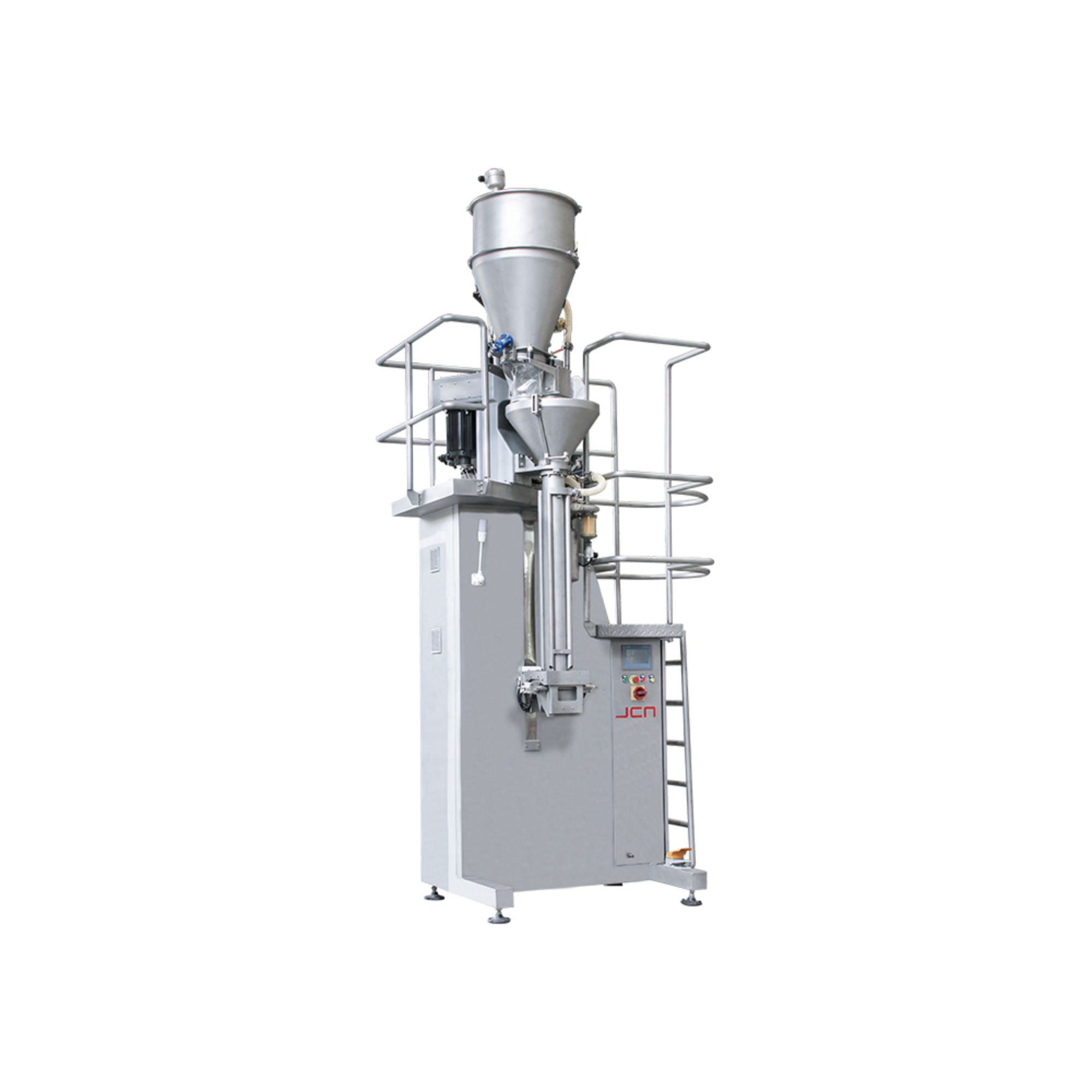
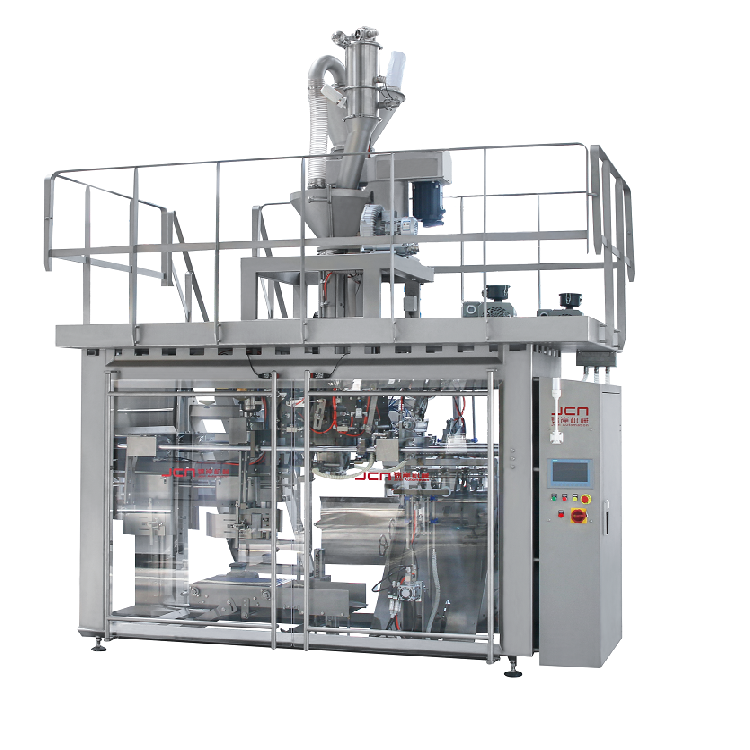
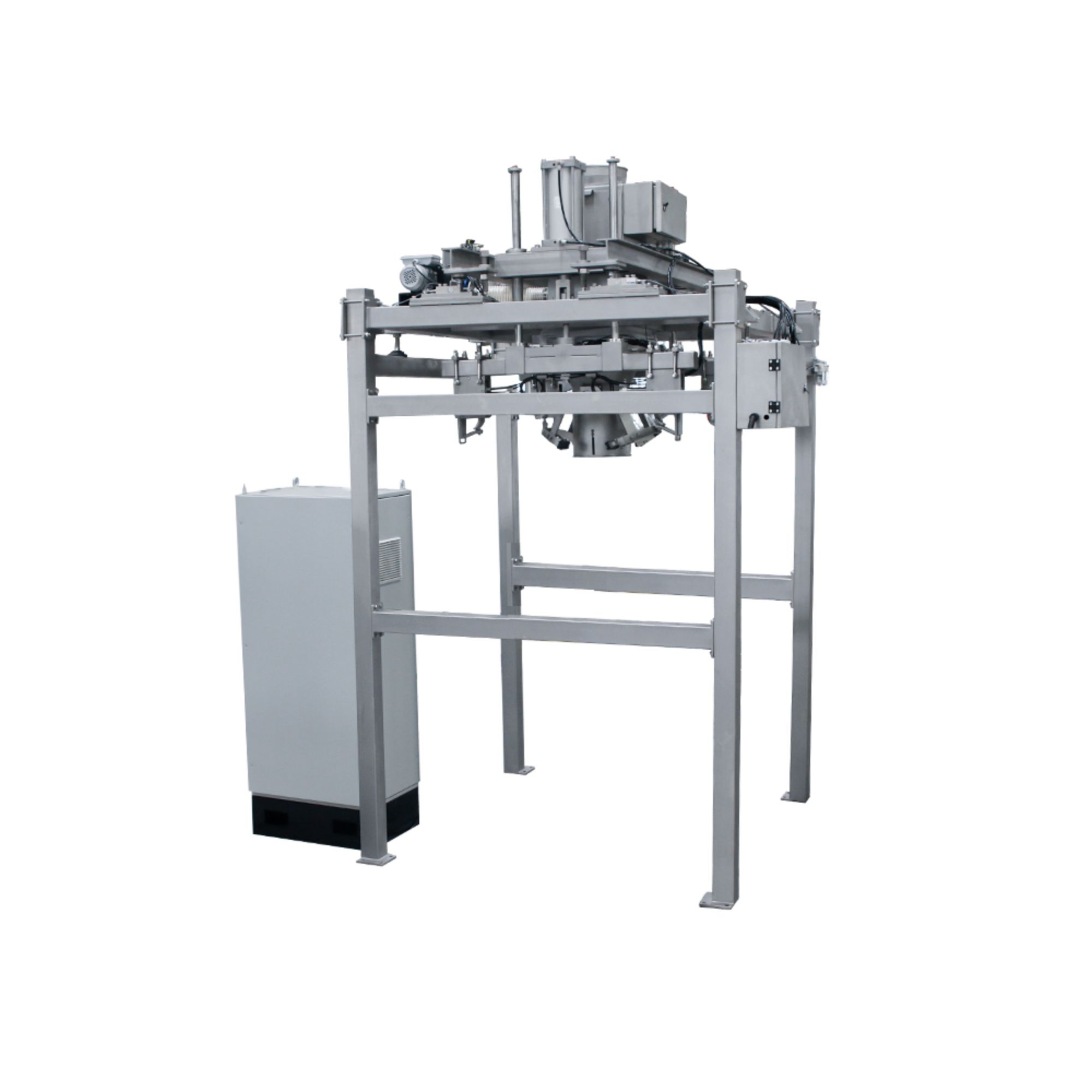
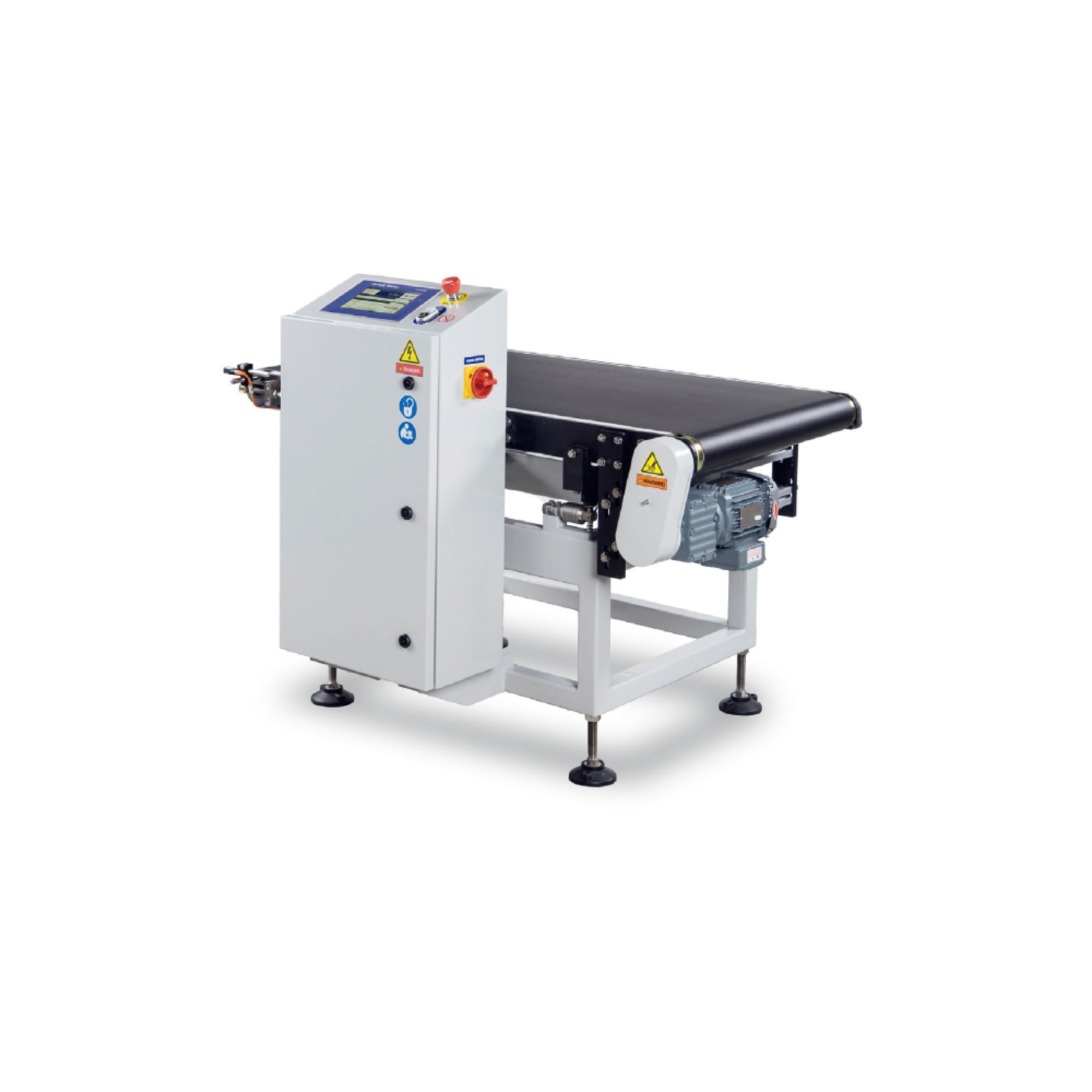
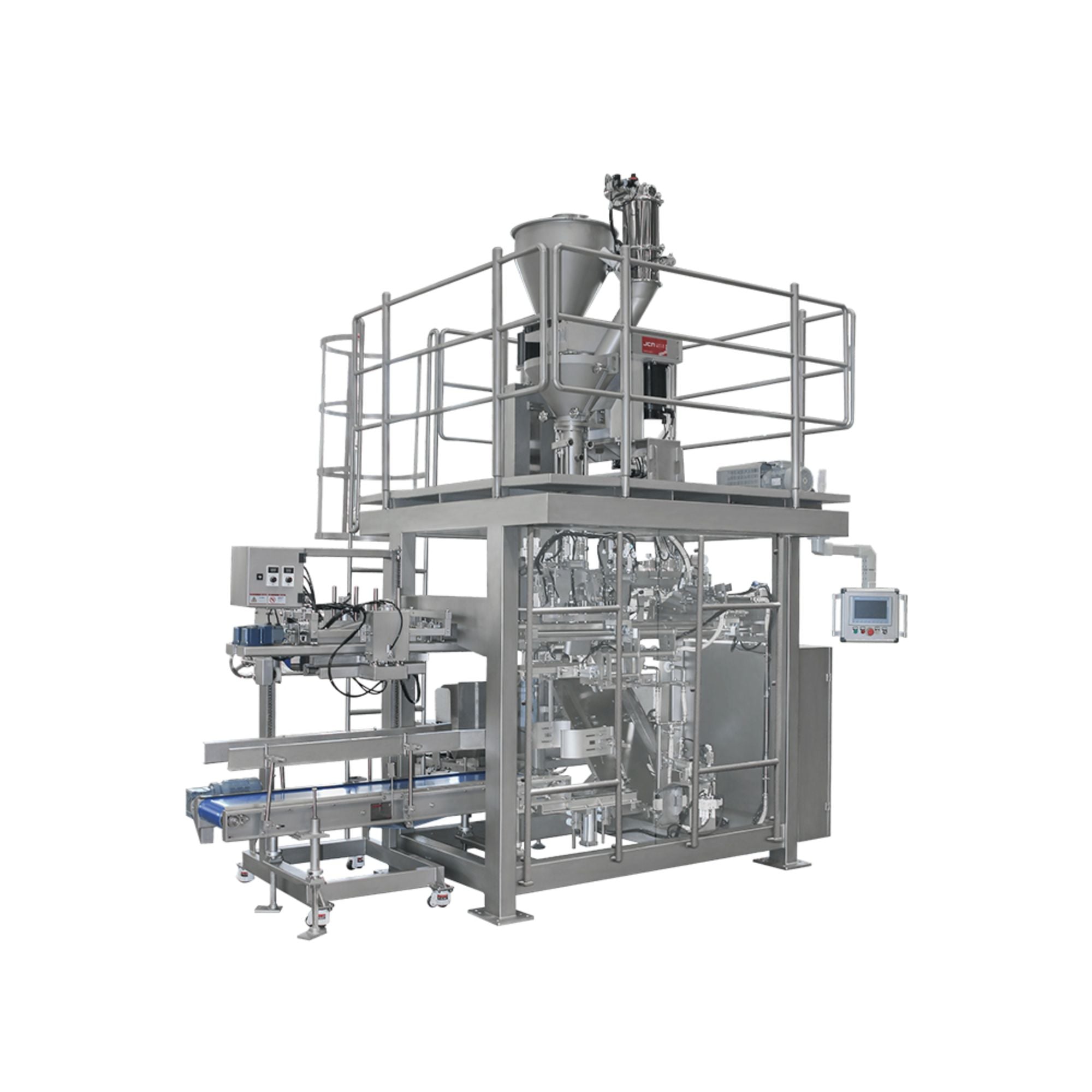
Automatic baggers are essential for industrial operations, streamlining the packaging of products such as powders or granules. For buyers in manufacturing, understanding the nuances of these machines is crucial to making informed purchasing decisions. Concerns often revolve around efficiency, cost, and compatibility with existing systems. This article will guide you through the key considerations for selecting an automatic bagger that meets your production needs, installation best practices, cost factors for bulk orders, and troubleshooting common issues.
When selecting an automatic bagger, the first step is to assess the specific requirements of your production line. Key considerations include the type of material being packaged, the desired bag size, and the production speed. For instance, JCN Co., Ltd. offers a range of bagging solutions tailored to different industries, including food and pharmaceuticals.
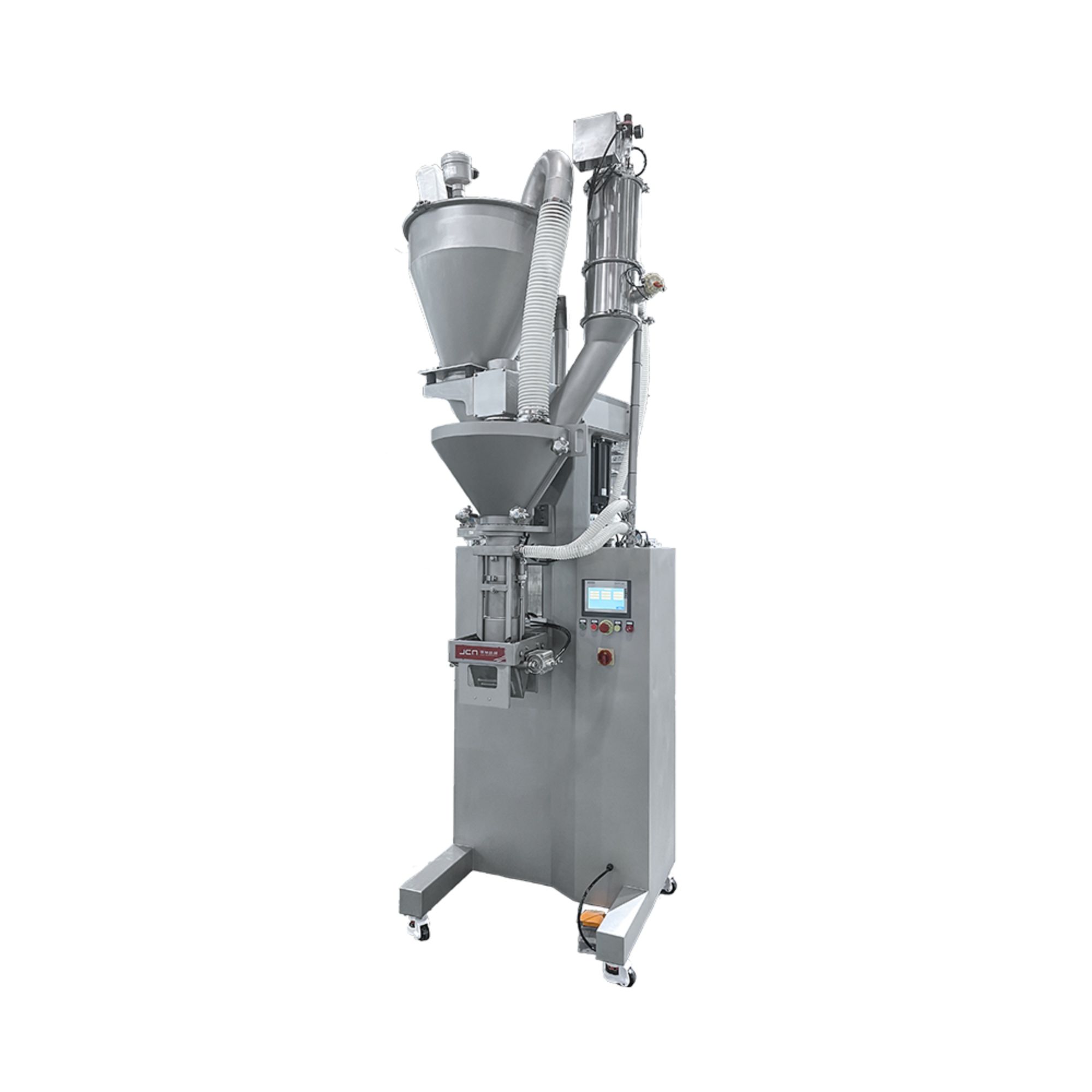
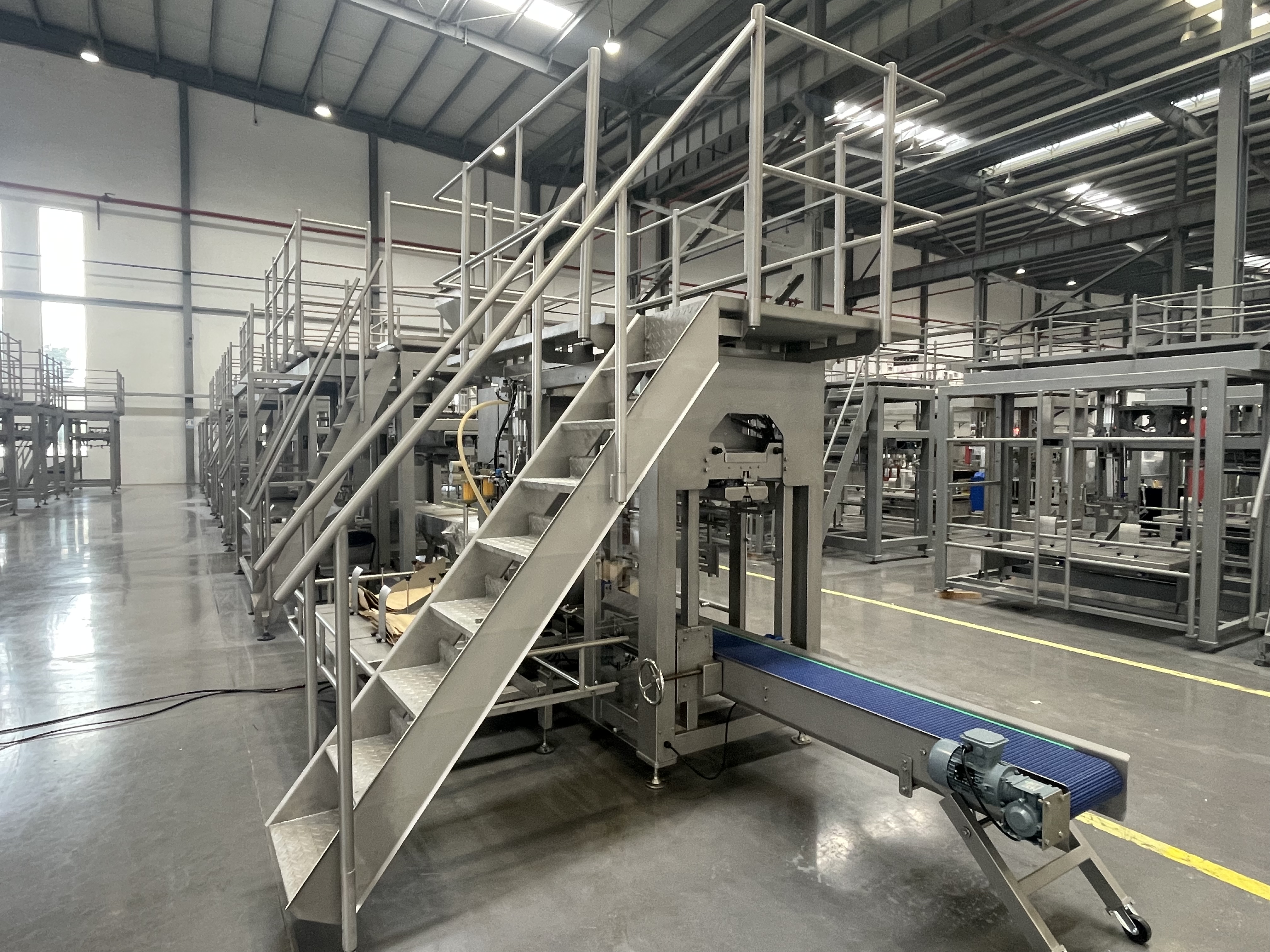
An automatic bagger suitable for powder materials, such as those produced by JCN, should feature advanced filling mechanisms that minimize dust and spillage, ensuring product integrity and compliance with industry standards. Furthermore, consider whether you need a machine that can handle multiple bag sizes and closure methods, as flexibility can significantly enhance operational efficiency.
Ultimately, the right choice will depend on balancing your operational requirements with the machine's capabilities. Engaging with a supplier who understands your specific applications can help you navigate these choices effectively.
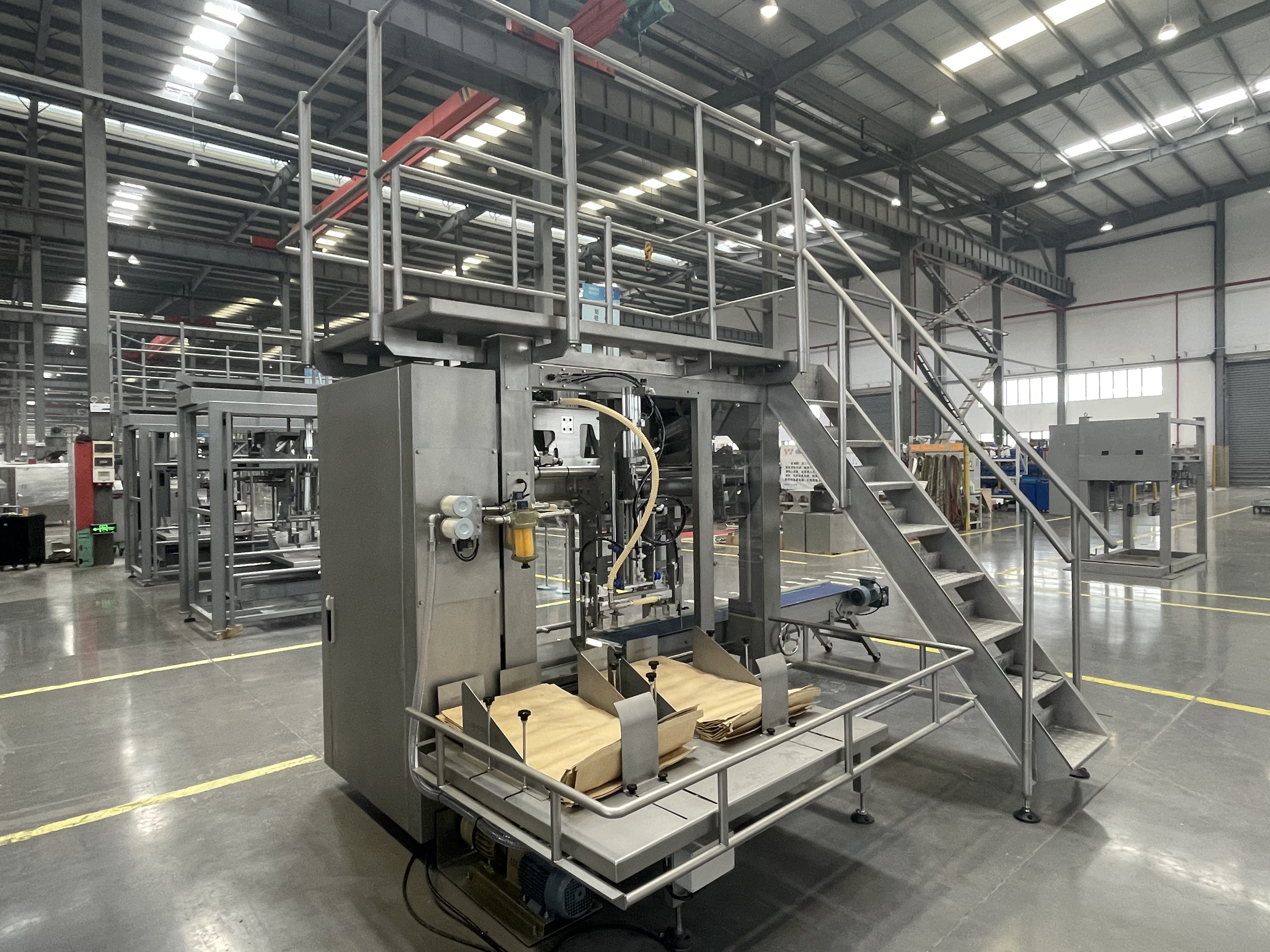
When evaluating automatic baggers, several specifications are critical. First, consider the machine's capacity, which should align with your production volume. Look for features such as adjustable filling speeds and the ability to handle various bag types, including flat, gusseted, or stand-up pouches.
Material compatibility is another essential factor. The bagger should be able to handle the specific properties of the powder being packaged, including flowability and density. Additionally, consider the construction materials of the bagger itself; stainless steel is often preferred in food and pharmaceutical applications due to its resistance to corrosion and ease of cleaning.
Lastly, assess the automation level of the machine. Higher automation can lead to reduced labor costs and improved accuracy. Ensure that the machine has adequate safety features and complies with regulatory standards relevant to your industry, such as CE marking or FDA approval for food products.
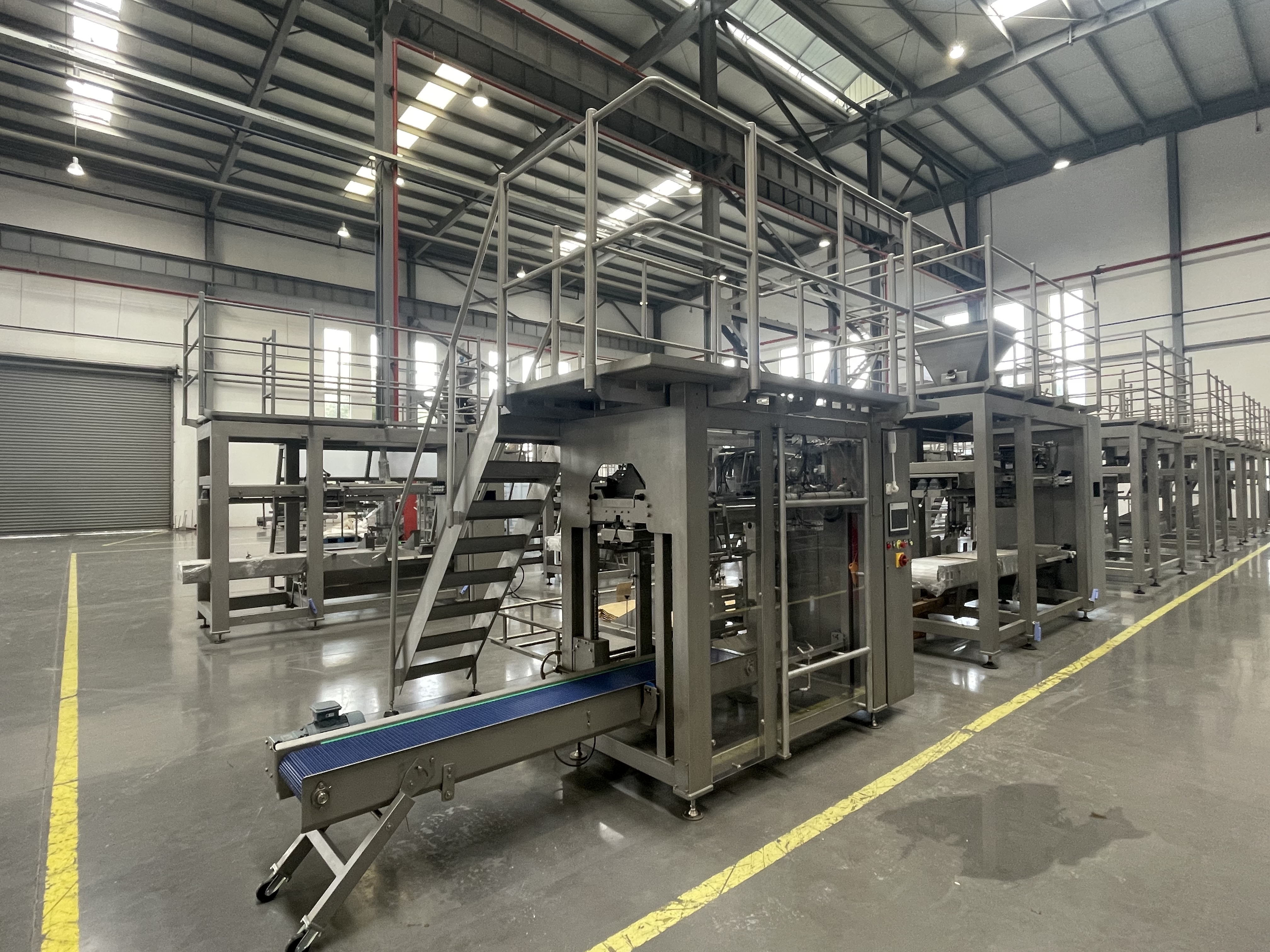
Proper installation of your automatic bagger is crucial for maximizing its performance and longevity. Begin by ensuring that the machine is placed on a stable, level surface to prevent vibration during operation. Before installation, review the manufacturer's guidelines for electrical and pneumatic connections, as proper integration into your existing systems is vital.
Once installed, it is advisable to conduct a trial run with the actual product. This helps identify any adjustments needed for filling speeds, bag tension, and sealing parameters. Regular maintenance checks should be established as part of your operational routine, including cleaning the machine and checking for wear on moving parts, which can affect performance over time.
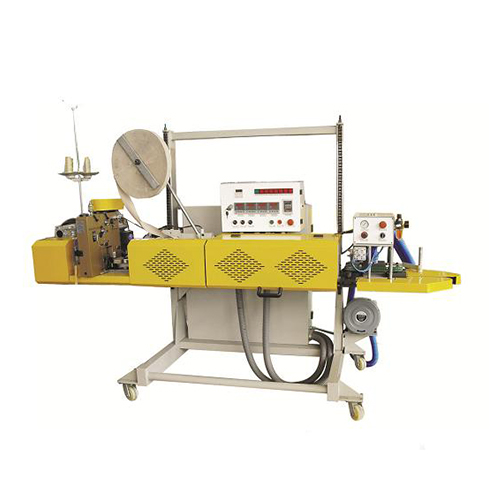
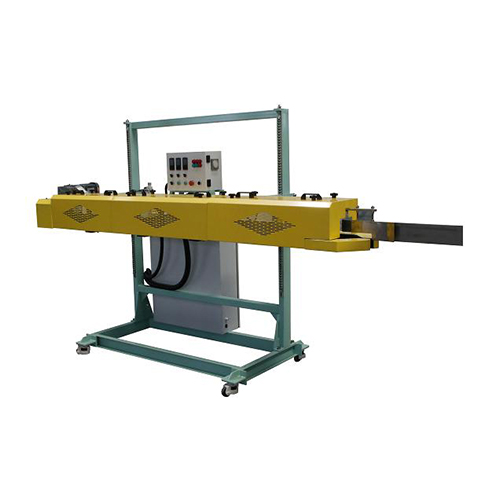
Lastly, training your staff on the proper operation and troubleshooting of the bagger is essential. This investment in knowledge can prevent common operational issues and ensure that your team can effectively manage the machine's capabilities. Consider utilizing a Heating Sewing Over Taping Machine for sealing needs in conjunction with your automatic bagger.
When considering bulk orders of automatic baggers, several cost factors come into play. The initial purchase price often reflects the machine's specifications, features, and the manufacturer's reputation. However, buyers should also factor in long-term operational costs, including energy consumption, maintenance, and potential downtime.
Additionally, customization options may affect pricing. If your production line requires specific adaptations to the bagger, such as unique filling mechanisms or bag sizes, these customization features can increase the overall cost.
Shipping and installation costs should also be considered, particularly for international orders. Verify the supplier’s shipping policies and any associated tariffs or taxes that might apply. Understanding these costs upfront can help you better assess your budget and make a more informed purchasing decision.
"JCN focusing on research and development food packaging equipment. We have taken on most advanced packaging Vertical mixertechnologies from overseas well as made improvements and advancements. We are available 24 hours day, 7 days a week for service,any questions machine operation just feel free to contact us."
JCN has been certified ISO 9001:2015 have been awarded a CE certificate several utility patent certificates.And all our products 100% made in our factory,assembled and then tested before being delivered. Customers can also examine items to make sure that they in compliance with their Mixer vertical.
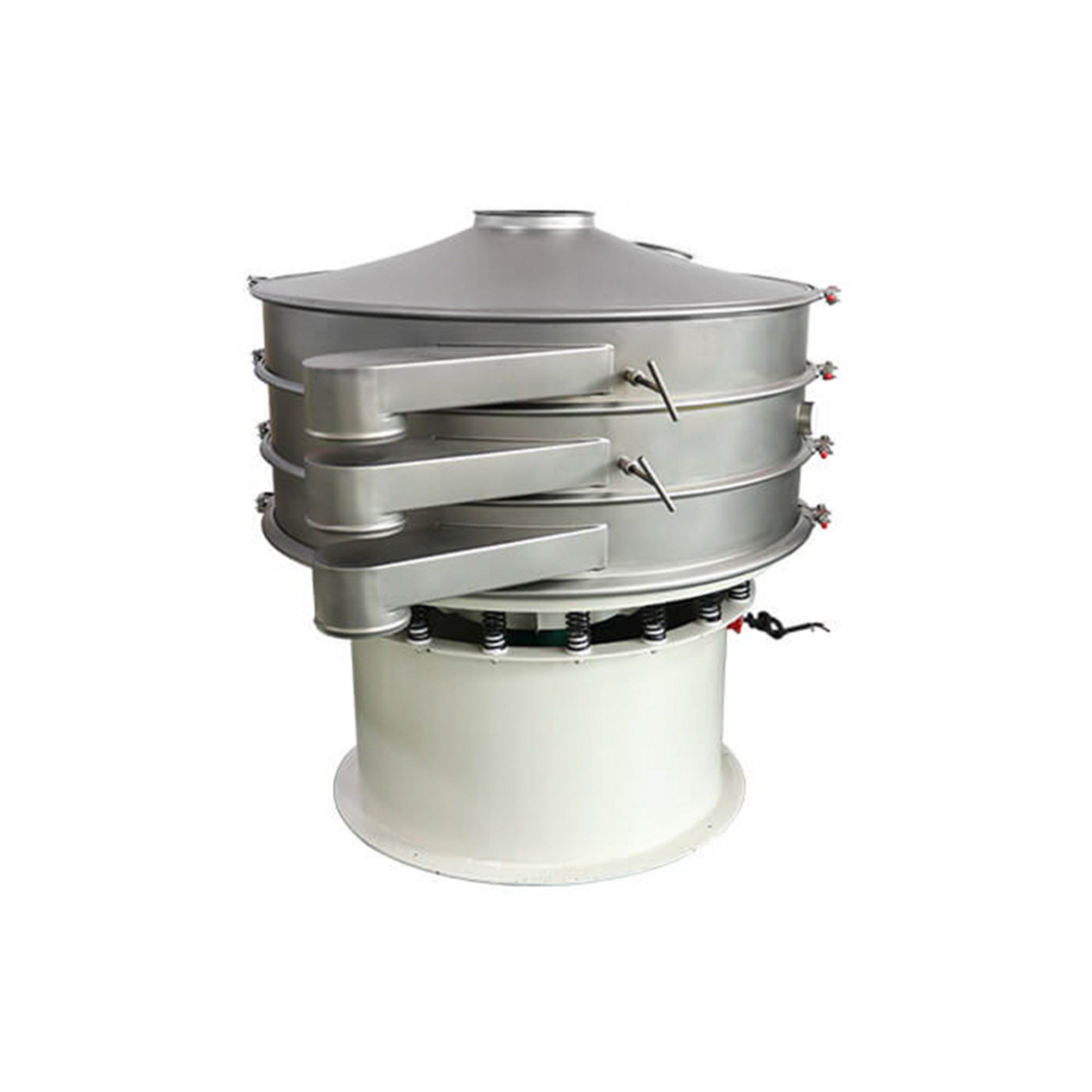
JCN business focuses the Powder filling machineof powder handling equipment as well as technology.Our most popular products currently mixing, bag dumping, siving, industrial weighing, auto bagging robotic palletising system that has been widely used in food, new material as well as pharmaceutical industry, have earned good reputation.We are a firm committed to providing professional solutions for our customers based on an deep understanding of the needs of customers.
JCN a manufacturing that covers 30,000 square meters Nantong city in Jiangsu province.And has become one of most prominent companies which designs, engineer, manufacturing and supply modern powder material handling equipment.We keep in mind principle of delivering value to our clients, through prompt communication, active Vertical mixerand constantly improving our methods of conduct.