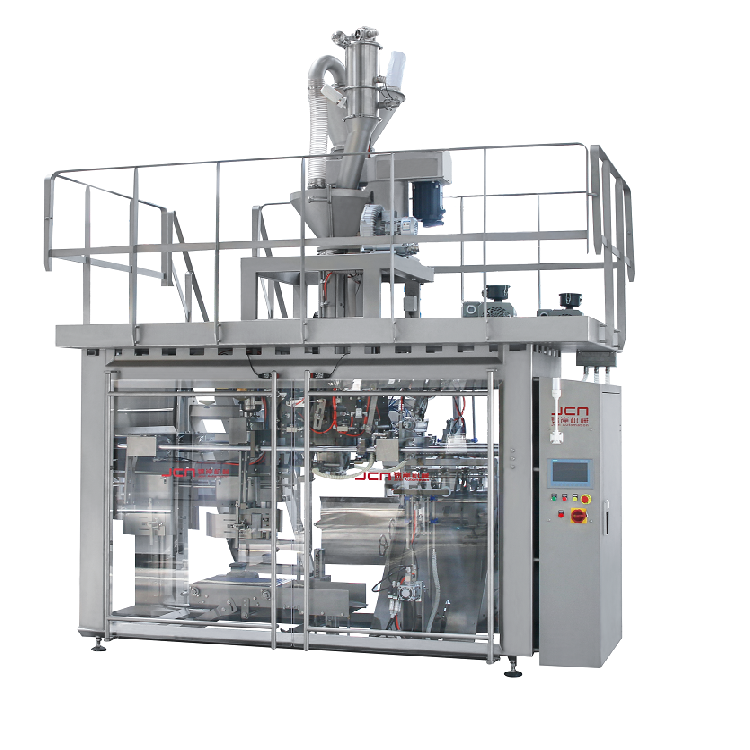
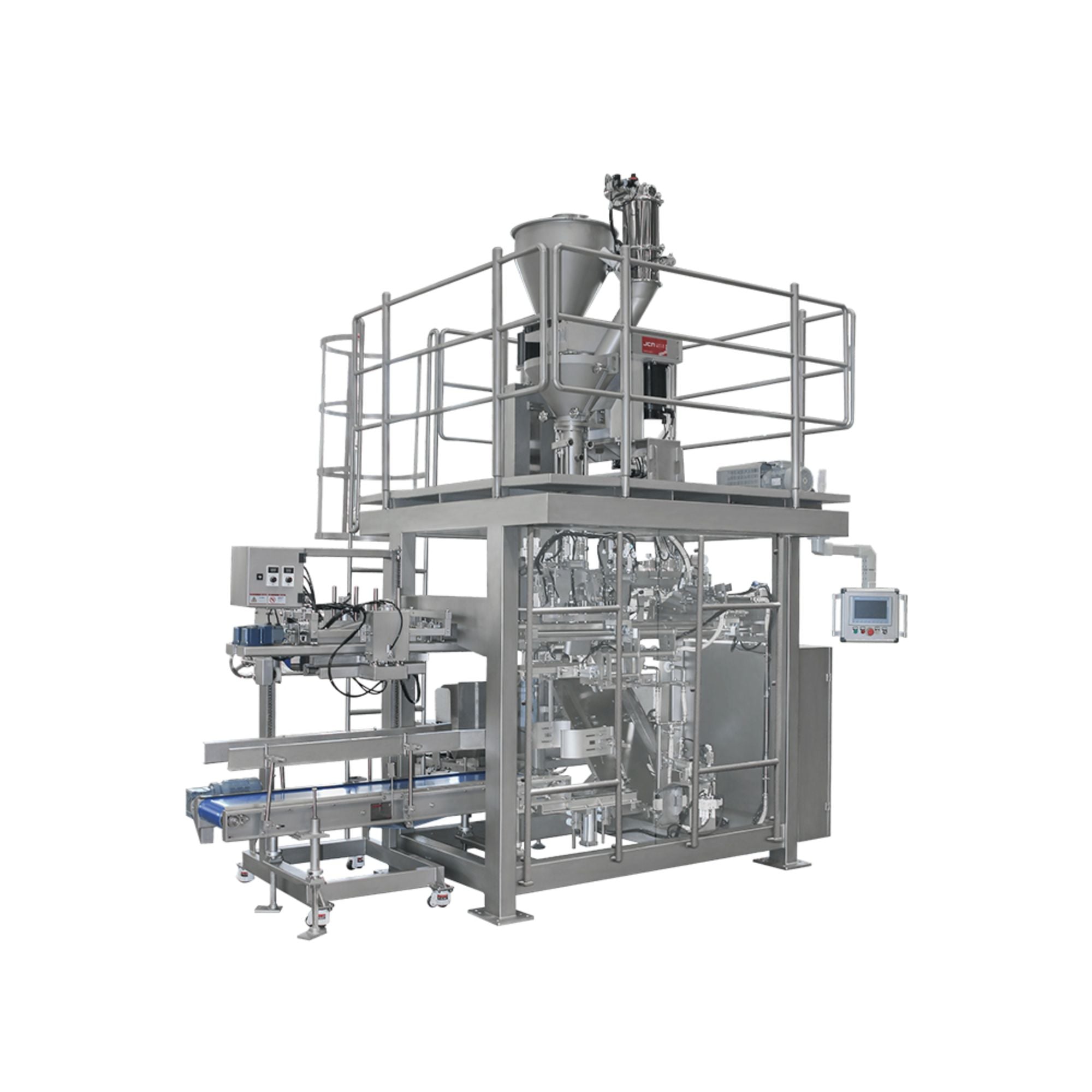
An automatic bagging system is an essential component in many manufacturing and distribution operations, particularly for businesses handling powder materials in industries like food, pharmaceuticals, and new materials. These systems streamline the packaging process, enhance efficiency, and help reduce labor costs. However, buyers often face challenges in selecting the right automatic bagging system that meets their specific needs. This article will provide critical insights into choosing the best system, key specifications to consider, cost factors, solutions to common problems, and various applications across industries.
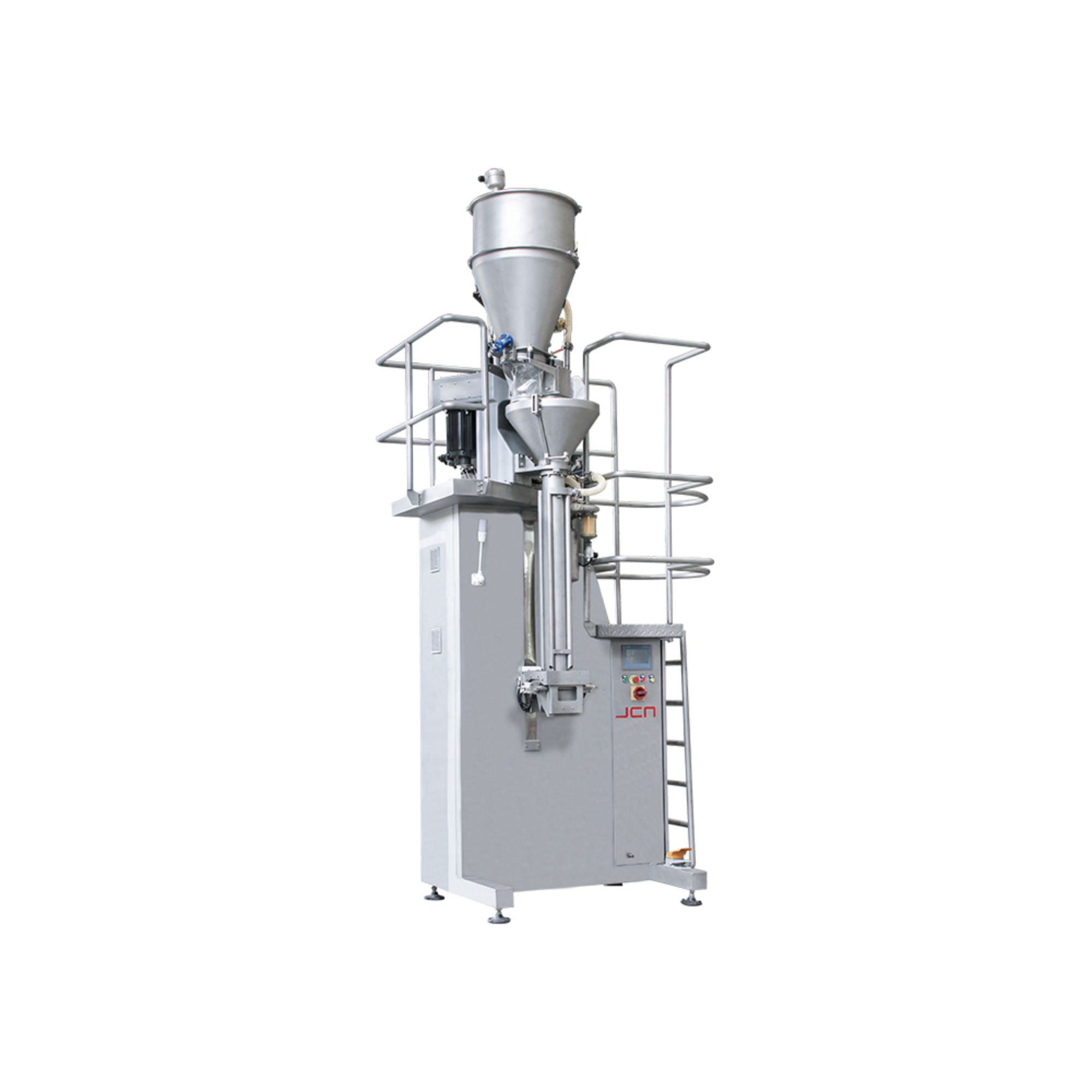
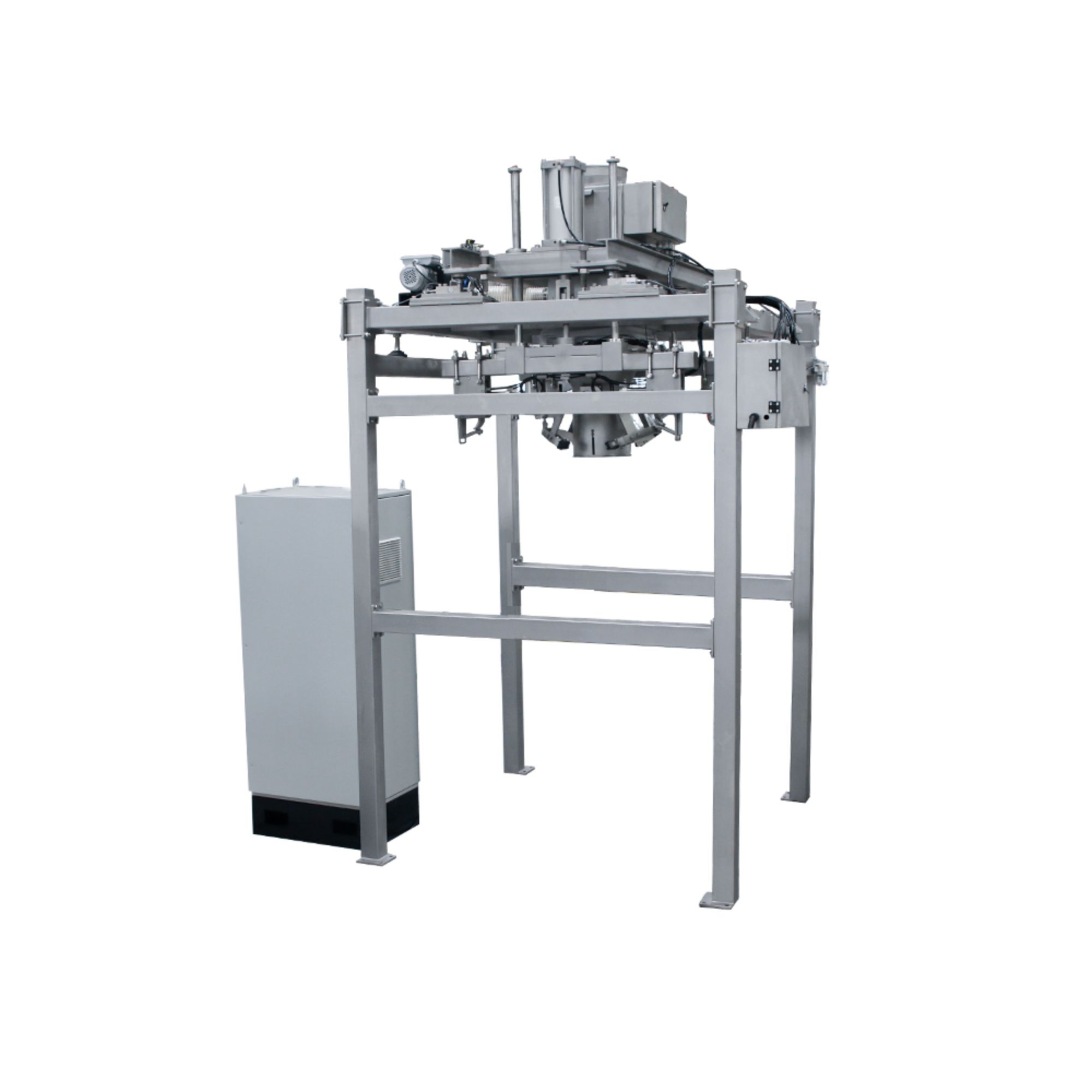
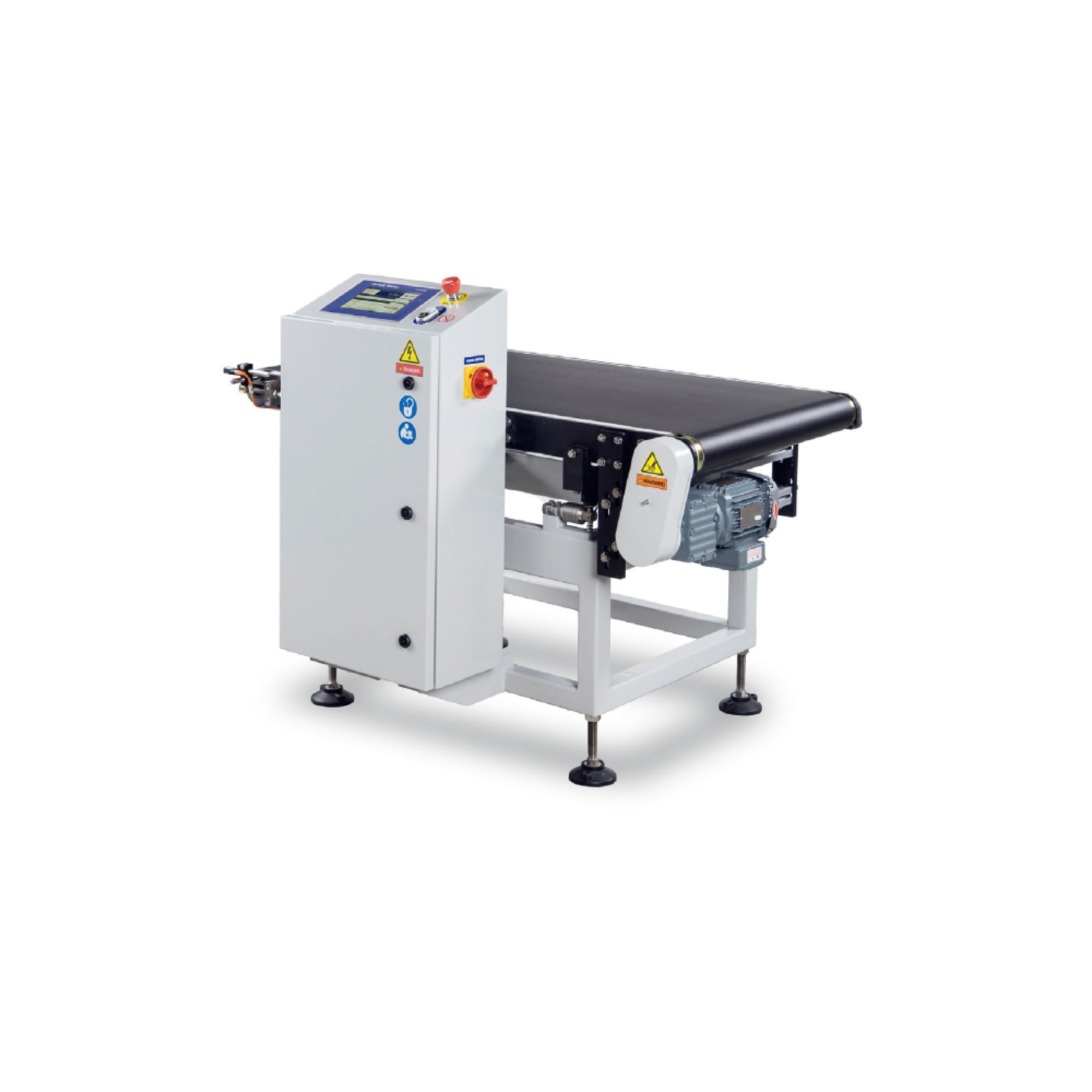
When selecting an automatic bagging system, several factors should be taken into account to ensure it aligns with your operational requirements. First, consider the type of materials being handled. For powder materials, the system must be designed to manage flow, minimize dust, and maintain product integrity. Next, evaluate the system's capacity and speed; this should match your production rates to avoid bottlenecks. Additionally, if you require flexibility in your operations, consider a JCN-G1-1A Auto Bag Placer which offers efficient bag placement.
Customization capabilities are also vital. A system that can be tailored to your specific bag sizes, weights, and filling methods can significantly enhance efficiency. Additionally, compatibility with existing equipment, such as conveyors and robotic palletizers, is essential to ensure smooth integration into your production line. You might explore options like Robotic Palletising to further optimize your operations. Assessing the system’s ease of maintenance and the availability of customer support from the manufacturer can also play a critical role in long-term operational success.
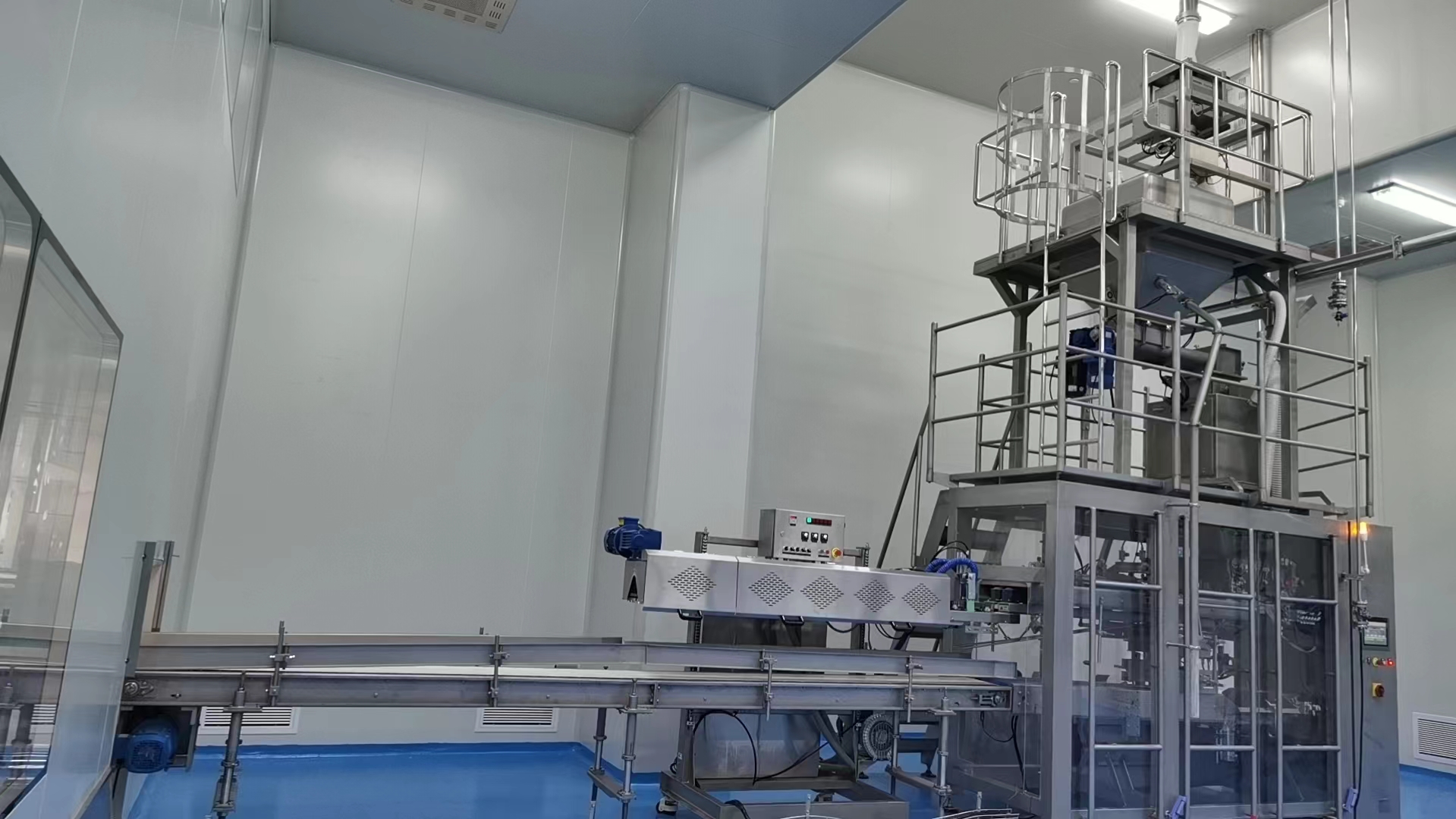
Understanding the key specifications of an automatic bagging system is crucial for making an informed purchasing decision. Here are several important parameters to consider:
Filling Accuracy: Precision in measuring and filling powder materials is critical. Systems should provide specifications on fill tolerance, which impacts both product quality and compliance with regulatory standards.
Bag Type and Size: The system should accommodate various bag types, such as open-mouth, pinch-bottom, or valve bags, and handle different sizes. Ensure the system can easily switch between bag types if required.
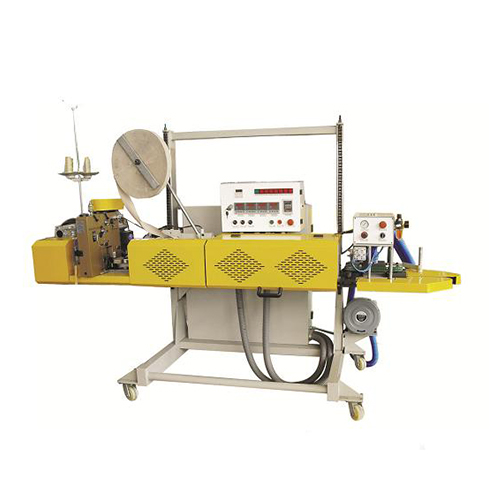
Sealing Mechanism: The sealing method—whether heat sealing, adhesive, or mechanical sealing—should be appropriate for the bag material and intended use. This affects the durability of the package during transport and storage.
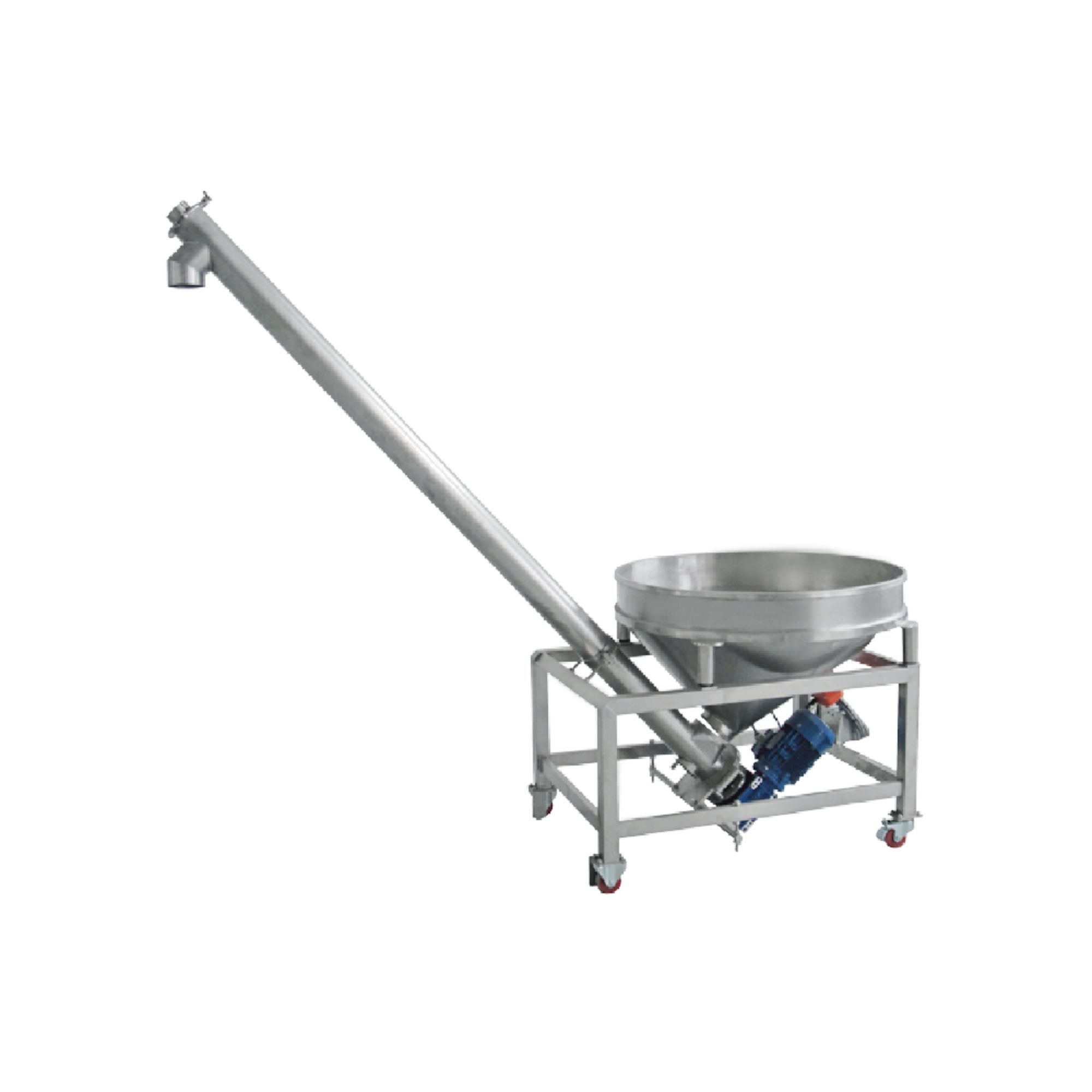
Material Handling Features: Features such as vibratory feeders or augers can influence the system's ability to handle different powder characteristics, such as flowability and cohesion.
Control Systems: Advanced control systems allow for easy operation and monitoring, providing real-time data on production rates, accuracy, and system diagnostics.
These specifications should be confirmed based on your application to ensure the system meets your operational needs.
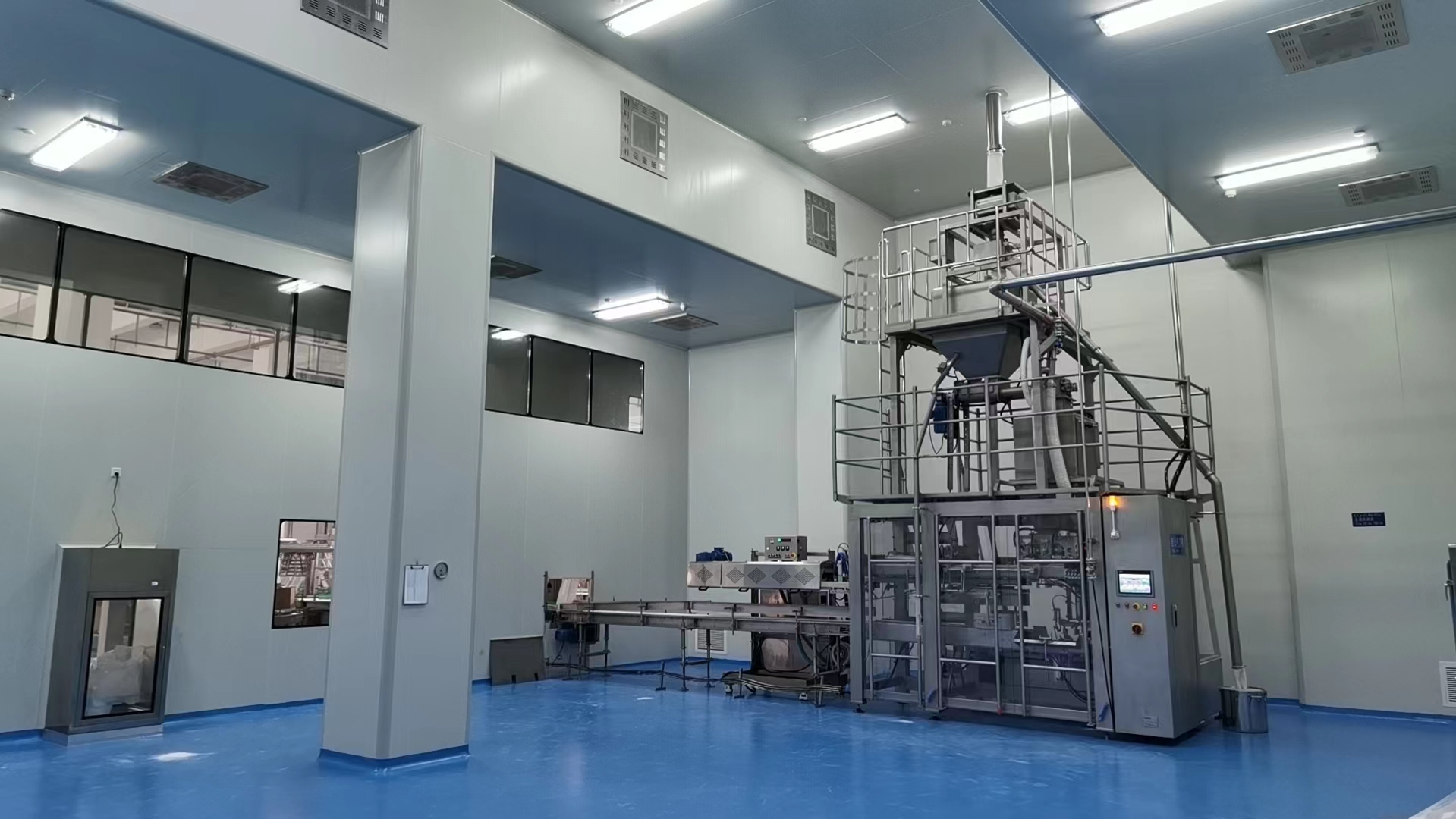
The cost of an automatic bagging system can vary widely based on several factors. Initial purchase price is often the first consideration, but buyers should take a comprehensive view of total cost of ownership. Key cost factors include:
System Complexity: More complex systems with advanced features such as integrated weighing or robotic handling may have a higher upfront cost but can lead to greater efficiencies and ROI over time.
Customization Needs: Custom-built solutions tailored to specific applications may incur additional costs. Consider whether standard systems can meet your requirements to keep costs down.
Maintenance and Operating Costs: Ongoing maintenance, parts replacement, and energy consumption should be factored into the total cost. Systems requiring specialized maintenance may lead to higher long-term expenses.
Training and Implementation: Training staff to operate new equipment can also add to initial costs. Evaluate whether the supplier offers training as part of the purchase agreement.
Spare Parts Availability: Check the availability and pricing of spare parts. A system with readily available parts can reduce downtime and maintenance costs.
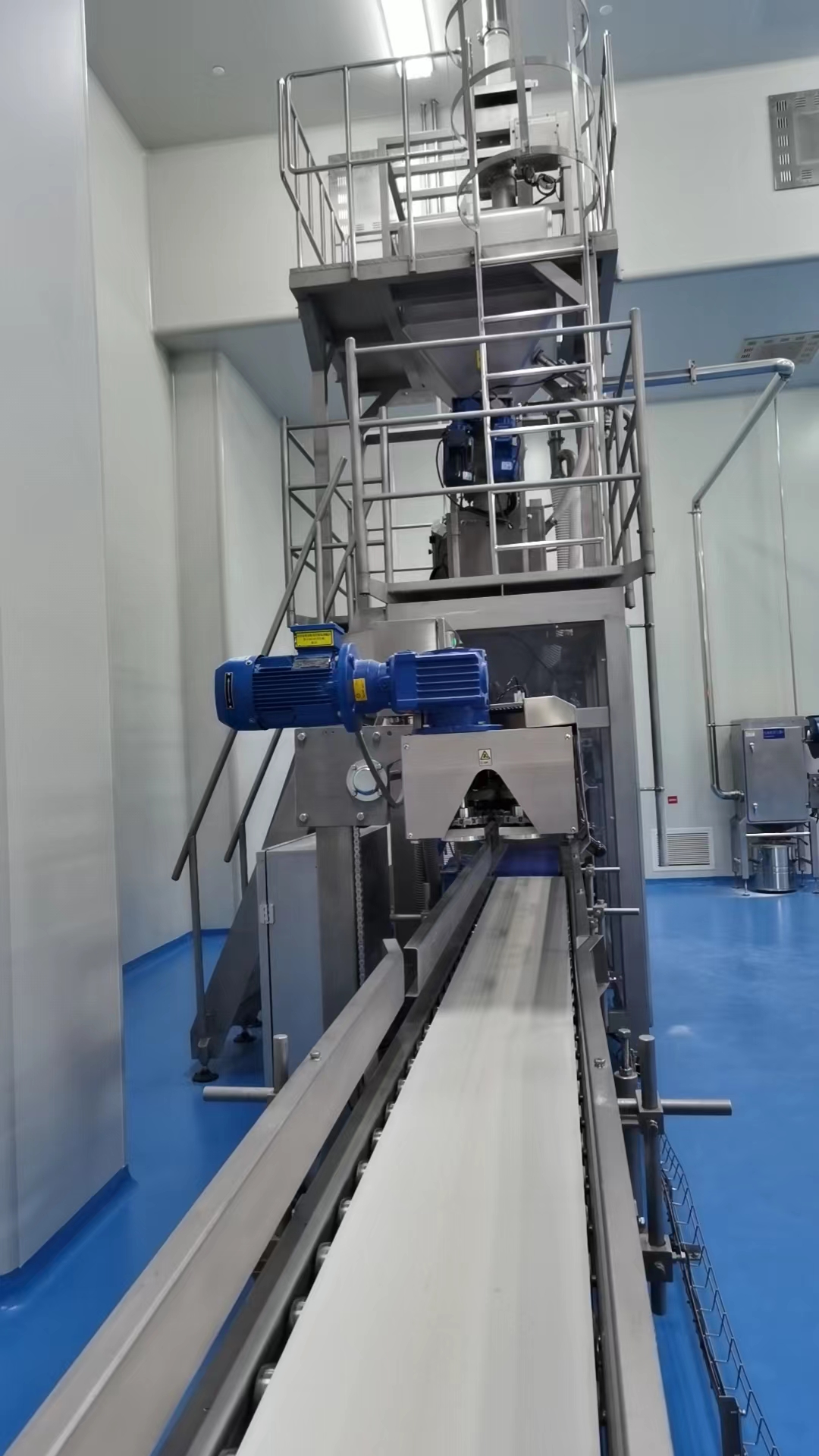
While automatic bagging systems enhance efficiency, they may encounter common issues that can disrupt operations. Understanding these problems and their solutions is essential for maintaining productivity:
Incorrect Fill Levels: This can occur due to sensor malfunctions or improper calibration. Regular maintenance and calibration checks can prevent this issue. Investing in systems with self-calibrating features may also help.
Bag Jams: Jamming can happen if the bags are not fed correctly or if there is an obstruction in the system. Implementing sensors that detect jams and alert operators can minimize downtime.
Dust Generation: Handling powders can create dust, leading to safety hazards and product loss. Systems with dust collection capabilities or enclosed designs can mitigate this problem.
Seal Failures: Poor sealing can lead to product spoilage or contamination. Regular inspection of sealing mechanisms and utilizing higher-quality sealing materials can improve reliability.
Integration Issues: Compatibility with existing equipment may pose challenges. Collaborating with suppliers who offer integration services can help ensure a seamless transition.
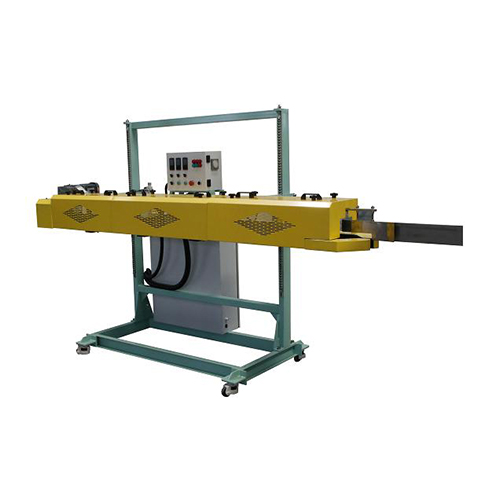
JCN a manufacturer of powder handling equipment and equipment. Our primary products bag dumped, sieving, mixing, industrial weighing, auto-bagging as well as robotic palletising systems. They have been Sealing and packing machinewidely in food, new materials as well pharmaceutical industries, earning excellent reputation.
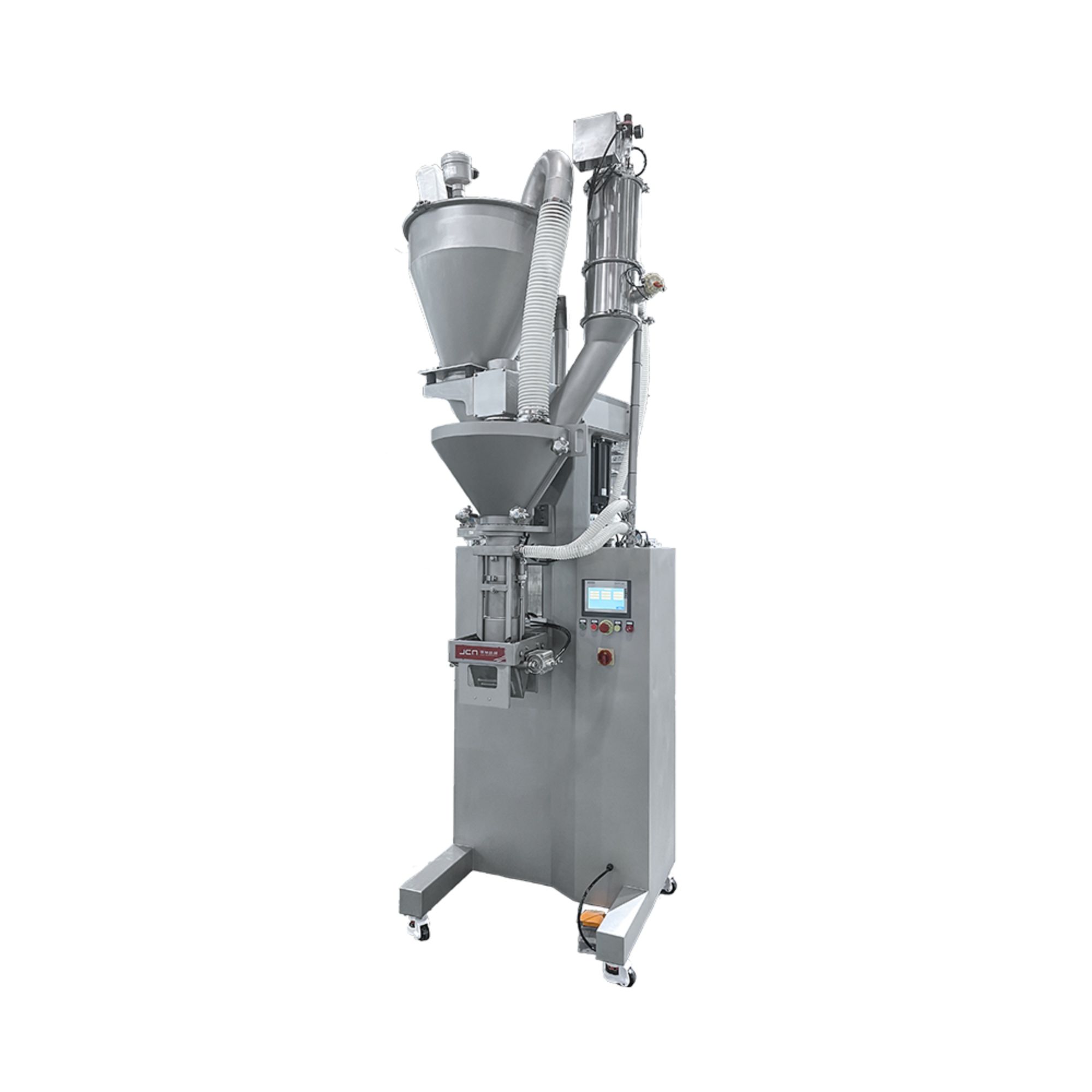
JCN has manufacturing plant that is spread over 30,000 square metres in Nantong, Jiangsu Filling machine for powder. has risen to become one of largest companies that design engineering, engineers, manufactures distributes latest powder handling equipment.
JCN has earned CE certificates ISO 9001:2015 certification. All of our products, which assembled and tested before being delivered, produced 100% in manufacturing Automatic packing machine. Customers can also visit for inspection to ensure that they meet your specifications.
"JCN focus R and D food packaging machinery. have taken on the most advanced technology packaging machinery from Filling machine for powderand made improvements and innovation. We are available 24 hours a day, 7 days week for assistance, if you have any questions about machine operation simply get touch us."