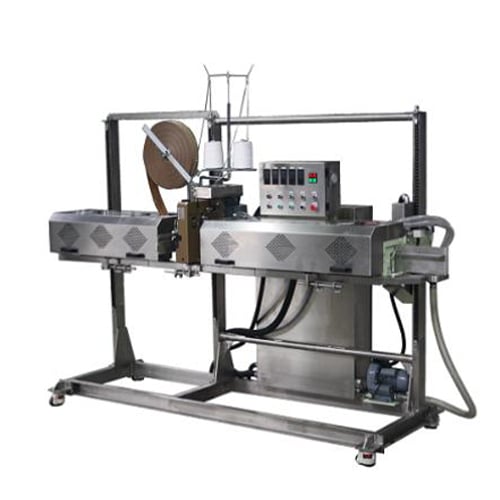
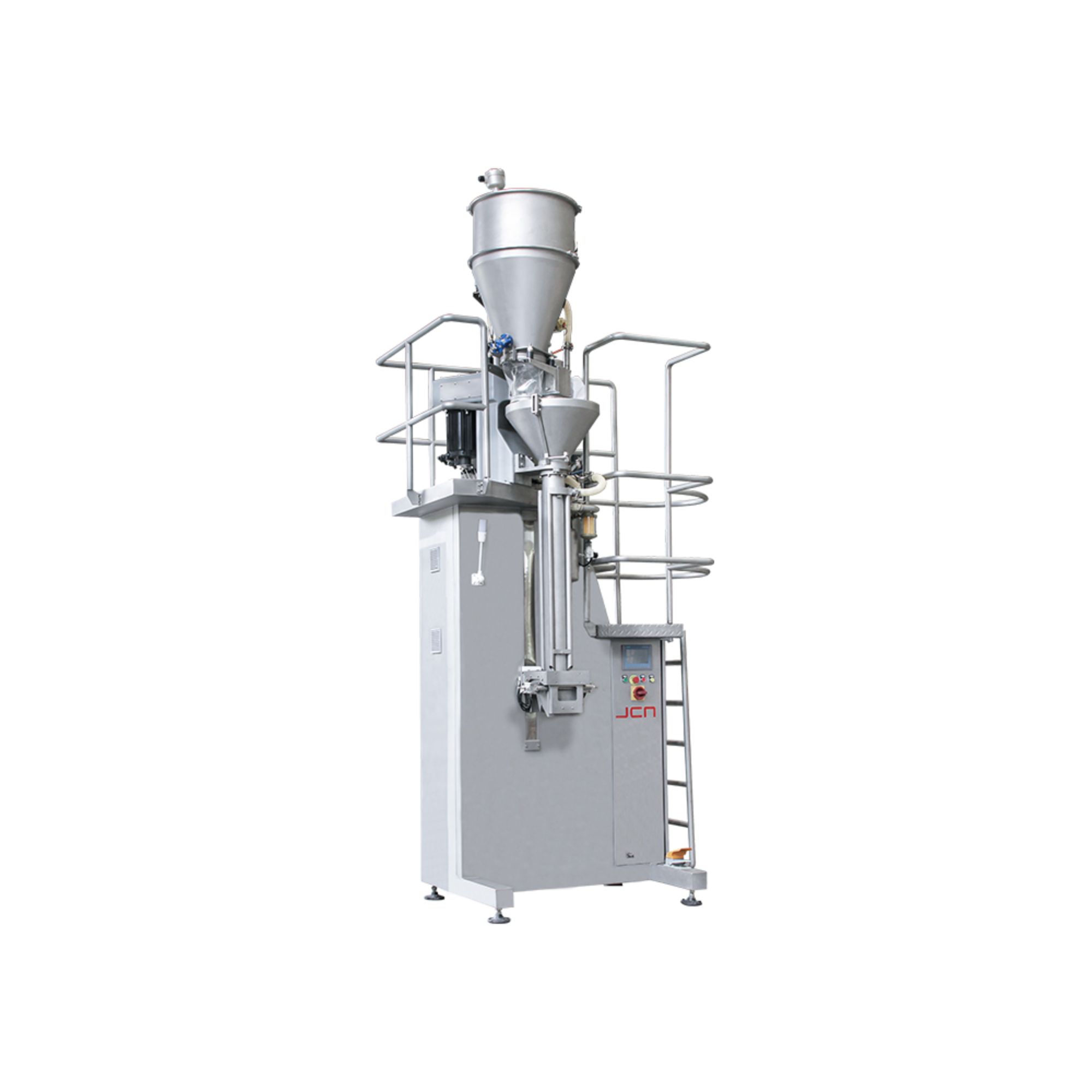
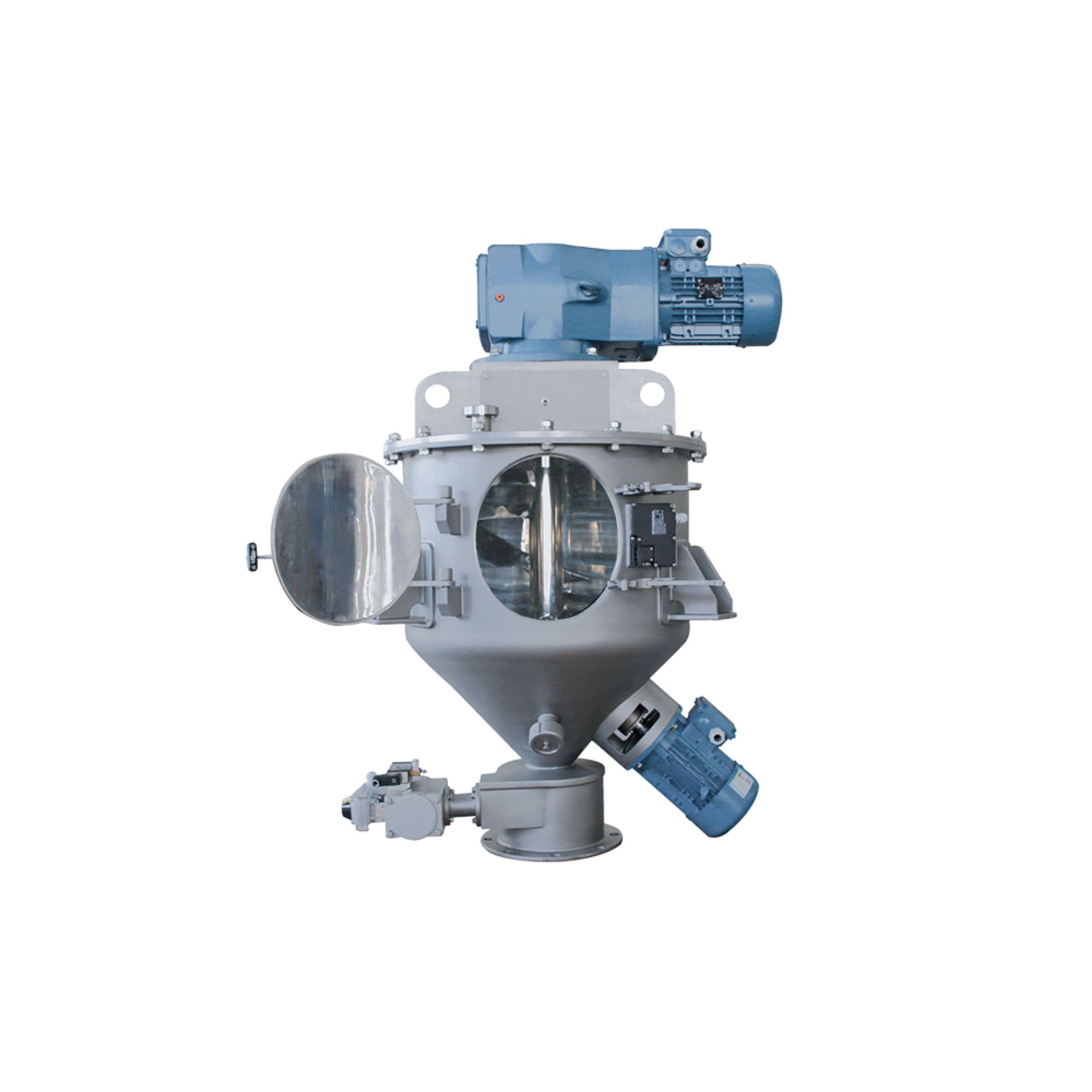
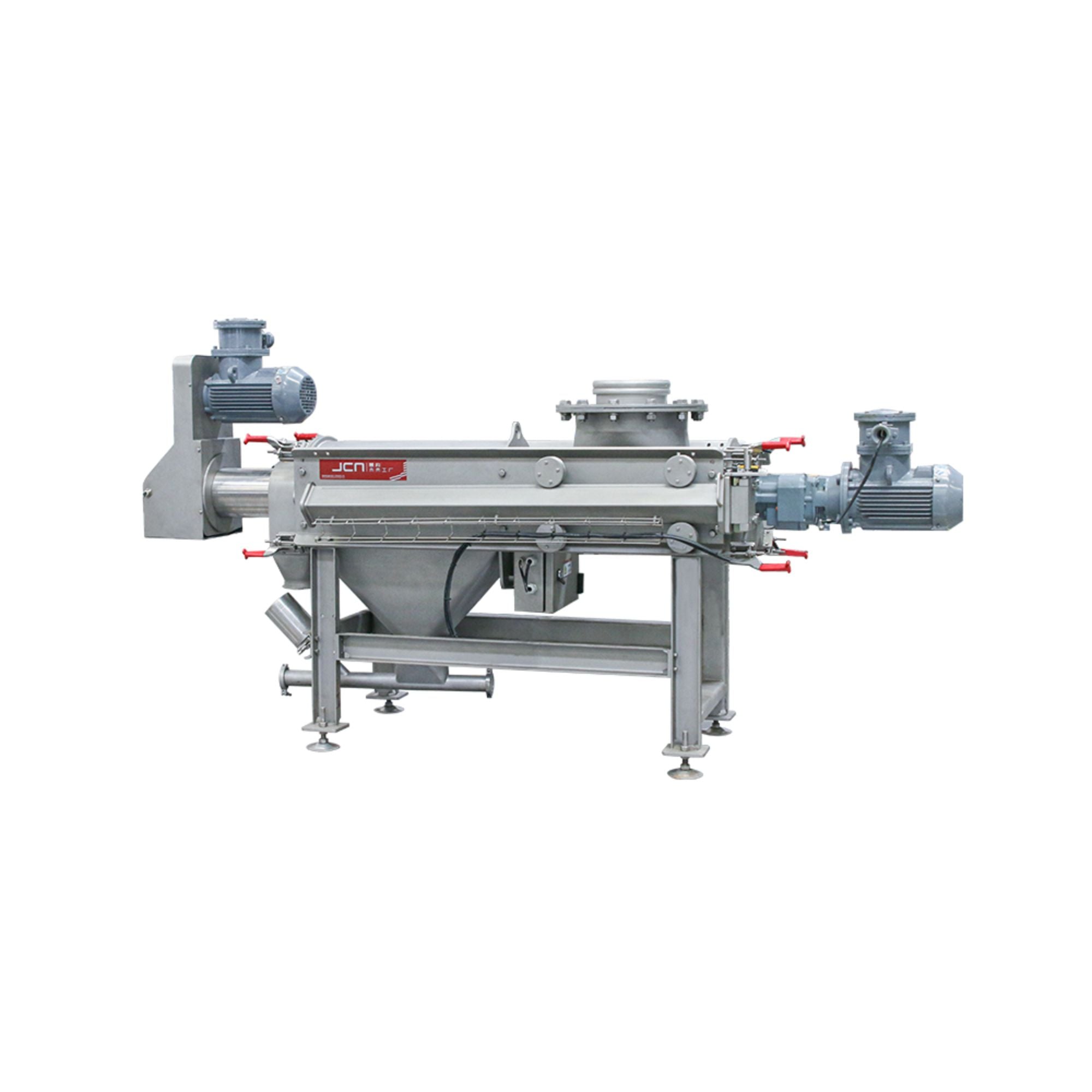
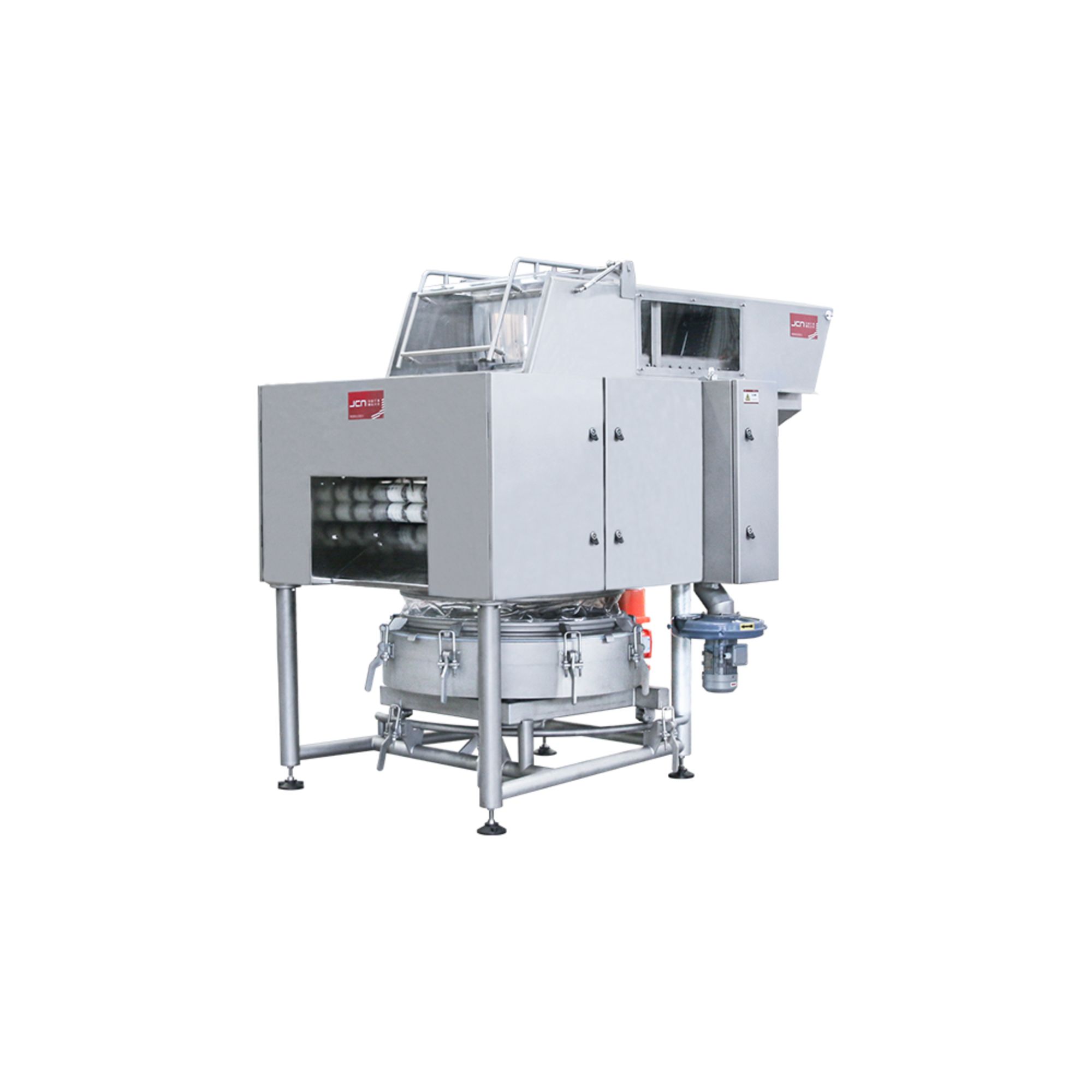
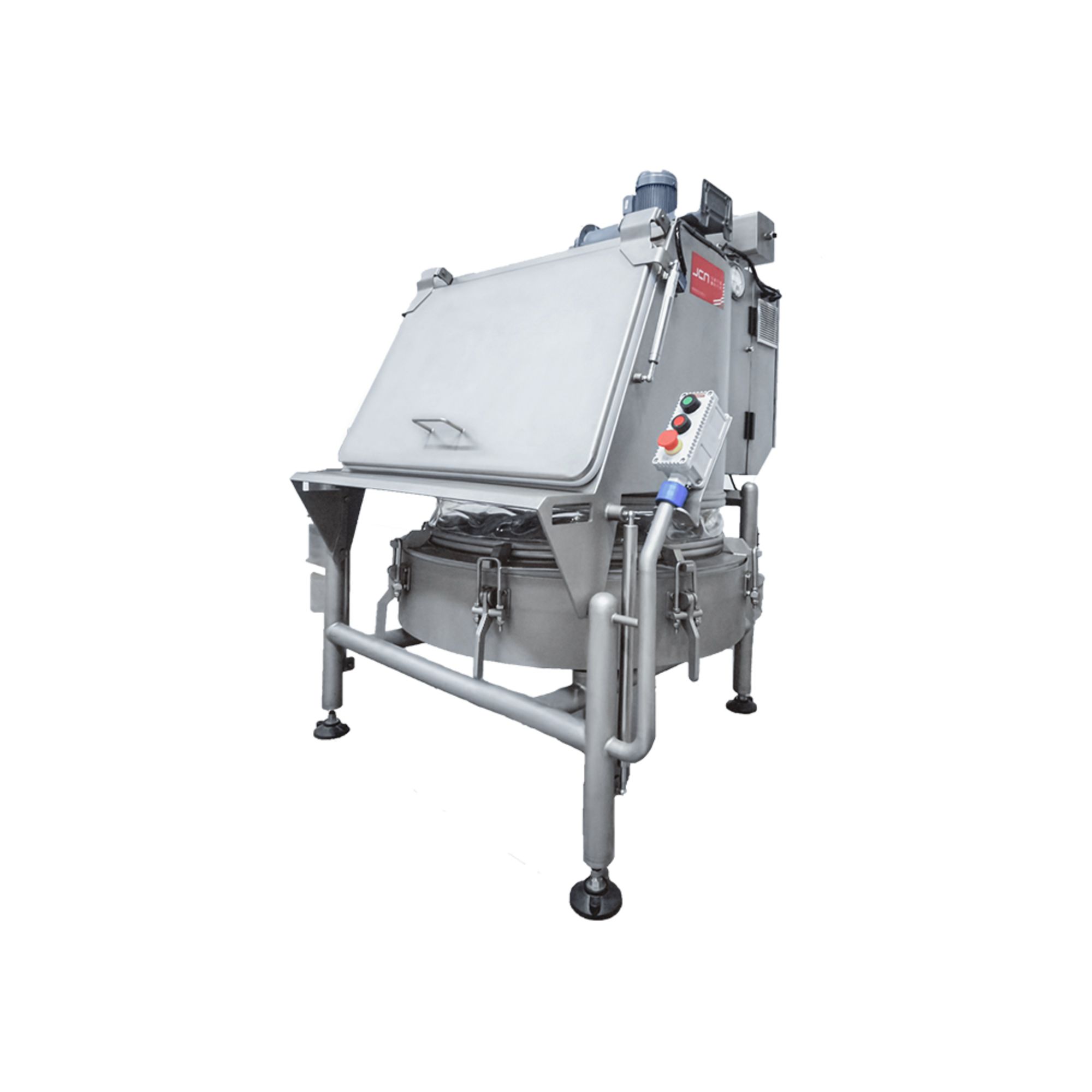
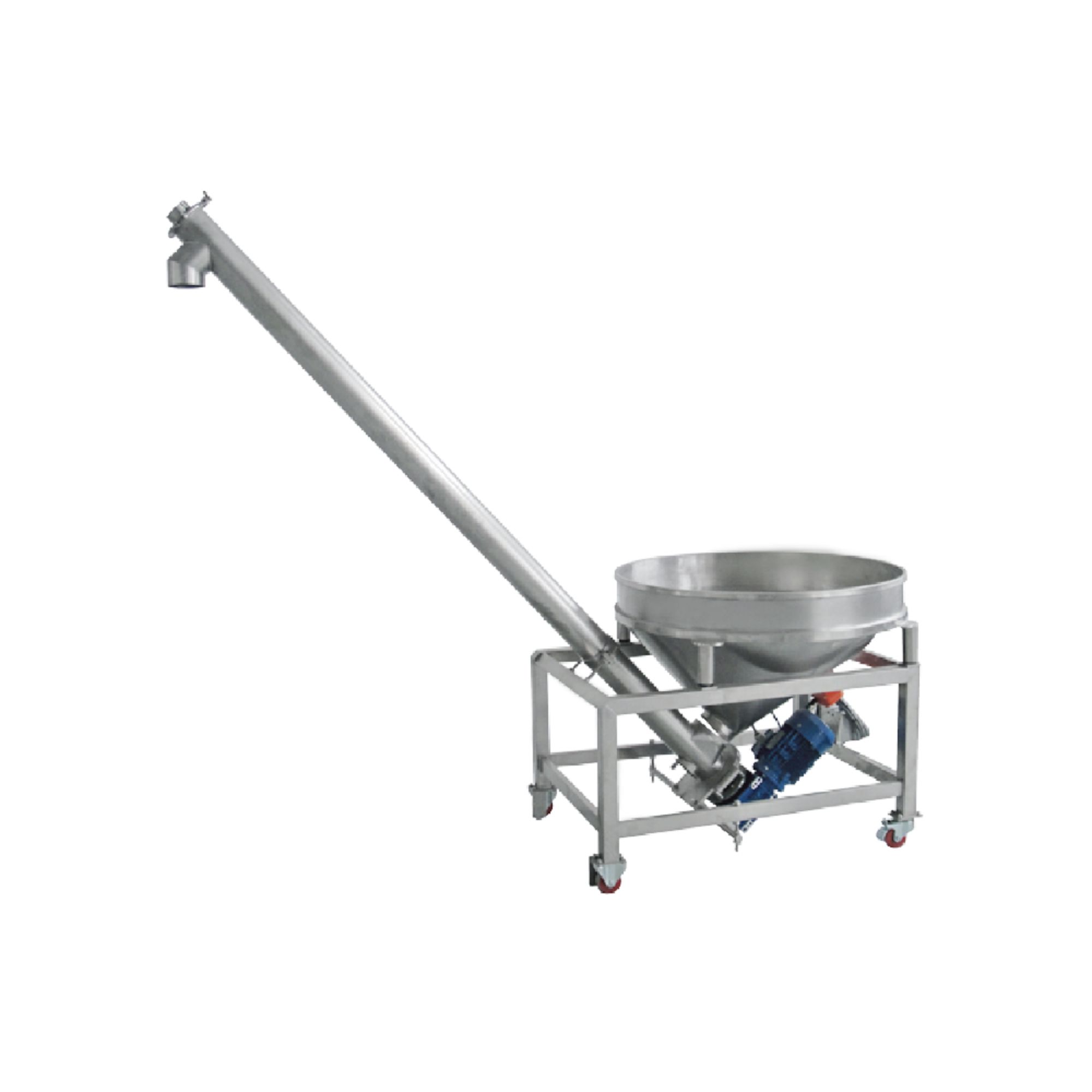
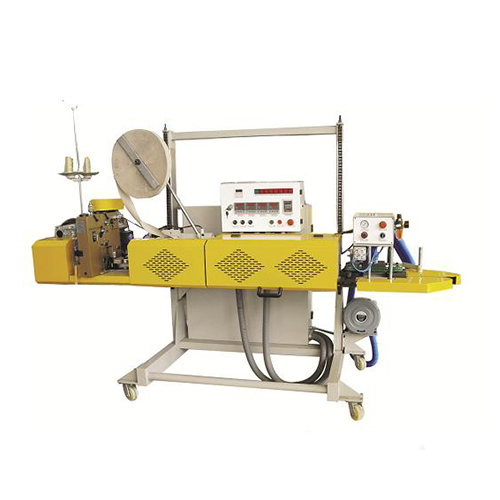
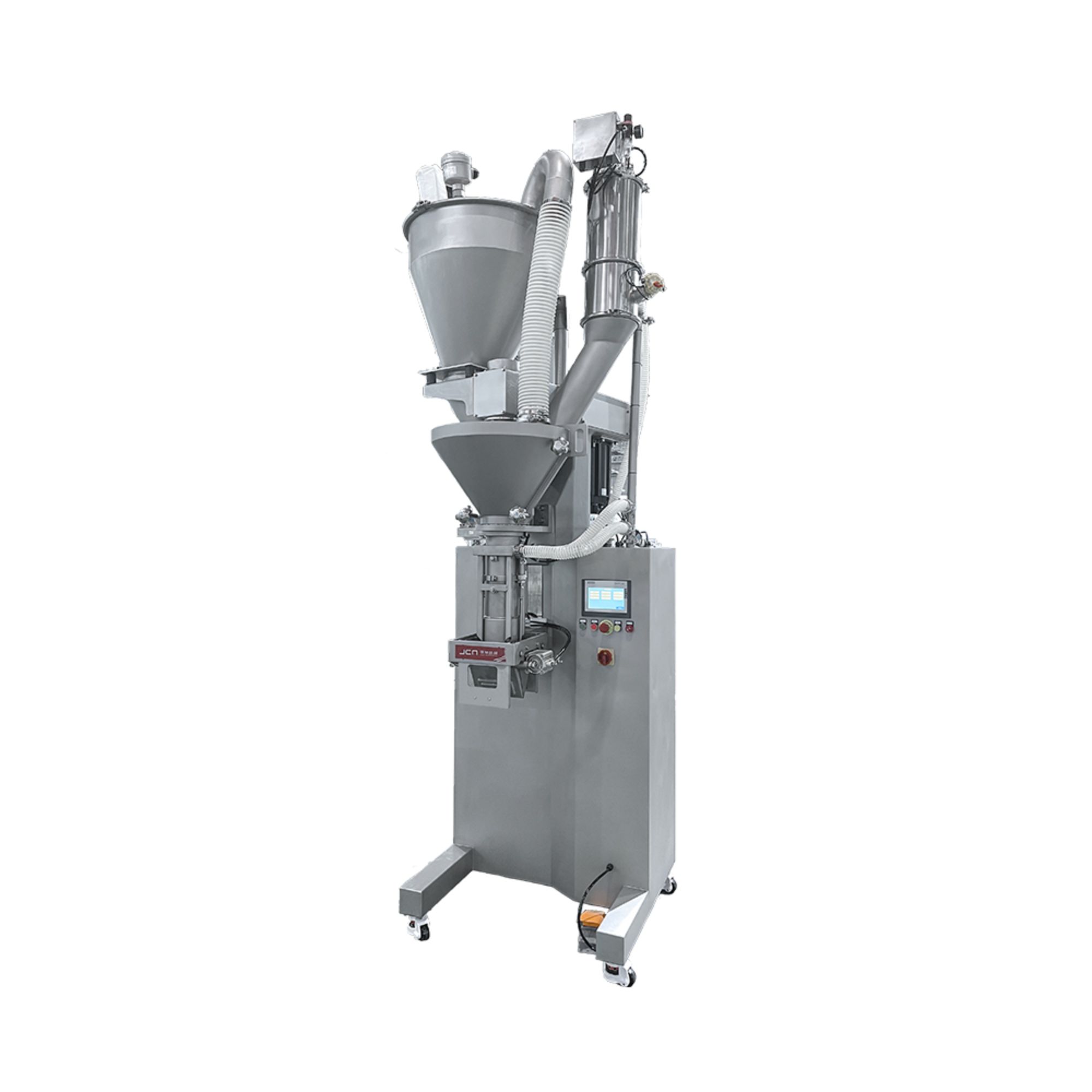
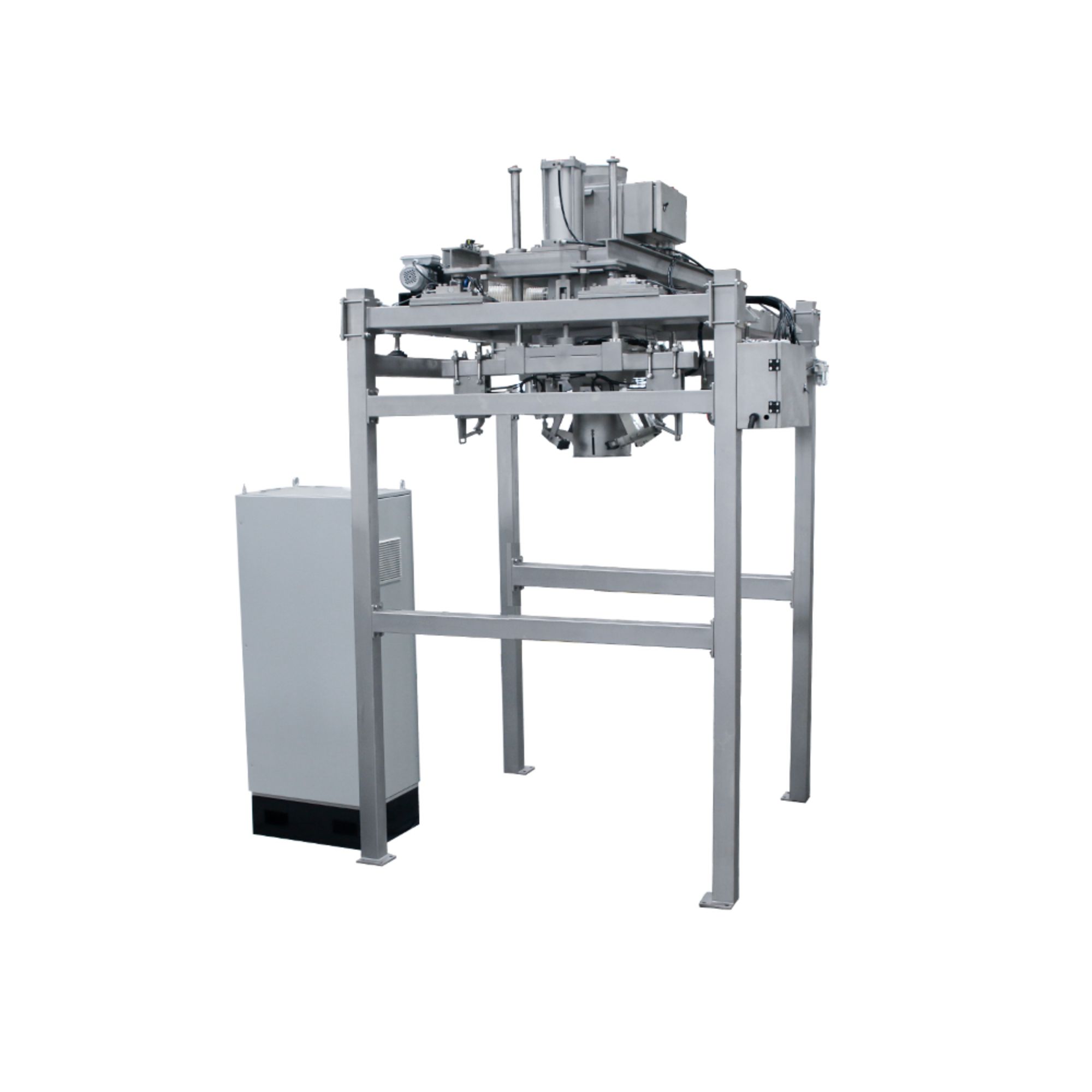
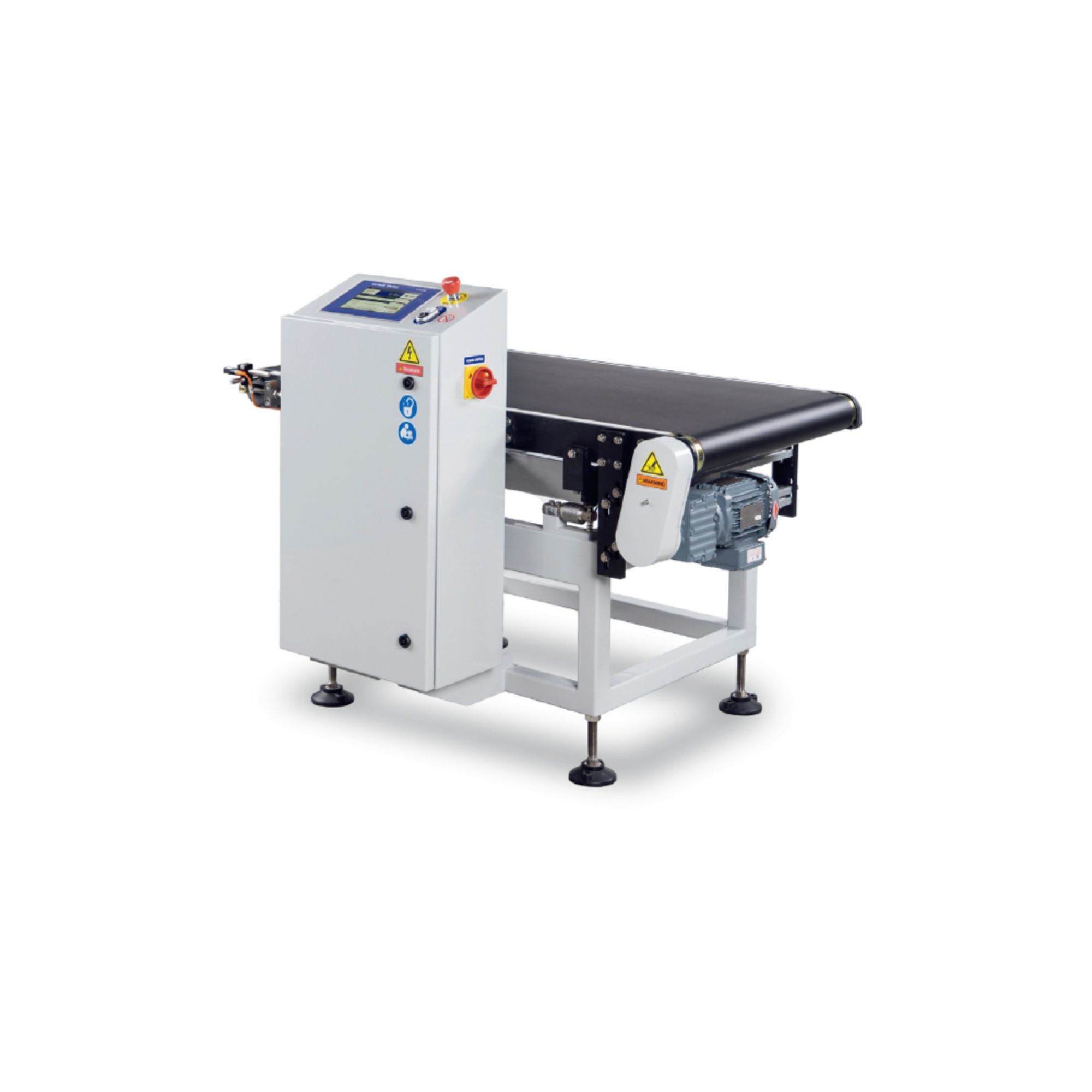
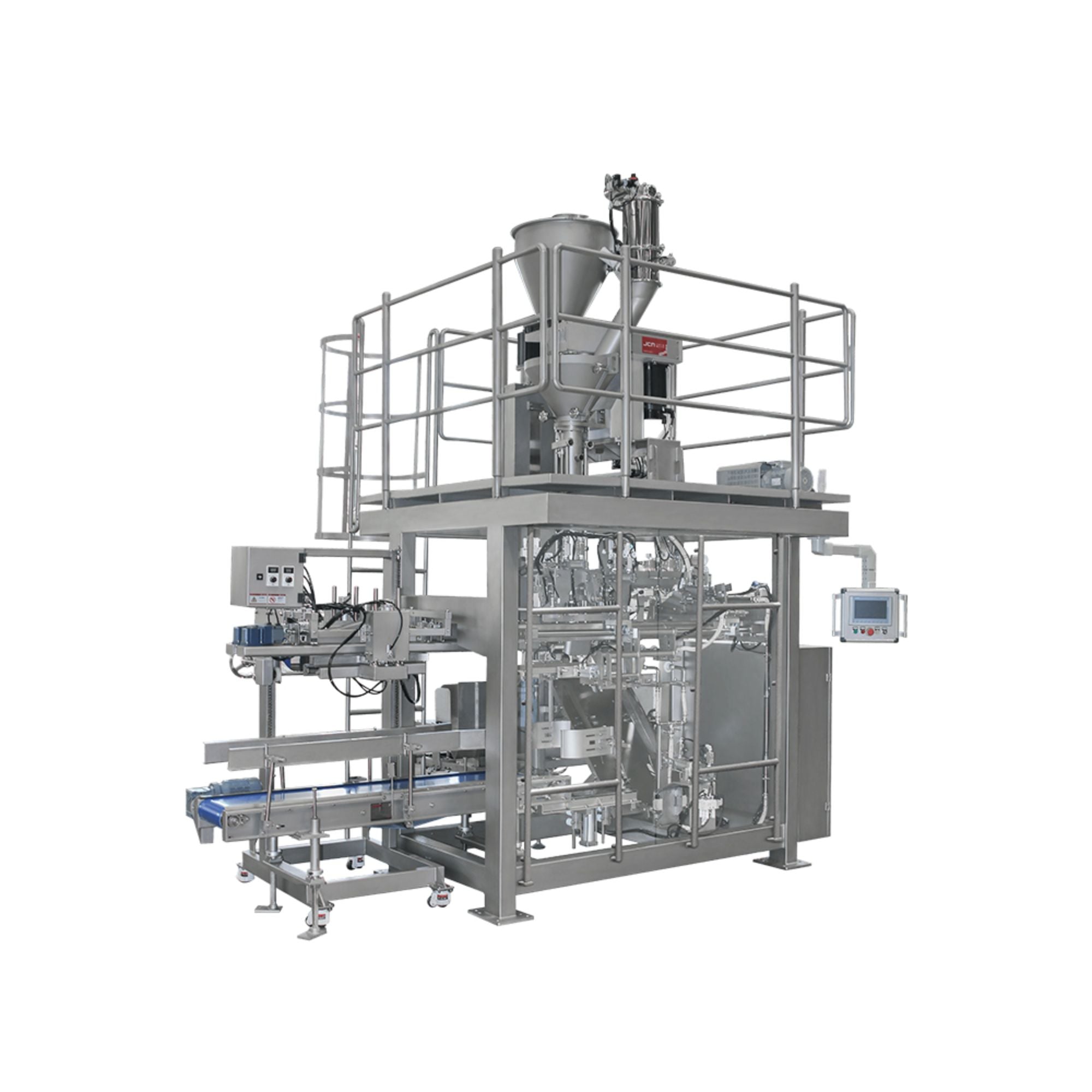
Choosing the right auger filler for powder applications is crucial for ensuring efficiency and accuracy in your manufacturing processes. As a vital component of powder material handling systems, auger fillers are designed to dispense powders in a controlled manner, making them essential in industries such as food, pharmaceuticals, and new materials. This article will help buyers understand the key considerations when selecting an semi automatic auger filler, evaluate cost factors, identify common issues, and explore installation guidelines. By providing practical insights, we aim to support purchasing managers and engineers in making informed decisions.
When selecting an JCN auger filler for powder applications, several factors need to be considered to ensure optimal performance. First, the type of powder being handled plays a significant role. Powders can vary in density, flow characteristics, and particle size, all of which affect the filling accuracy. For instance, free-flowing powders may require different equipment settings compared to cohesive or clumping powders.
Next, the capacity and speed of the auger filler should align with your production goals. Consider the desired output rate and whether the machine can handle the volume required without compromising accuracy. Additionally, the auger diameter and length are critical specifications; they must match the application to ensure a smooth flow of material.
Another aspect is the material of the auger and the contact parts. Stainless steel is a common choice due to its durability and resistance to corrosion, especially in food and pharmaceutical environments. The choice of material can also affect compliance with industry regulations. For example, equipment used in food processing must meet stringent hygiene standards.
Lastly, consider customization options. A manufacturer that offers tailored solutions can help you design an vertical auger filler that fits your specific needs, including modifications for unique powder characteristics or production environments.
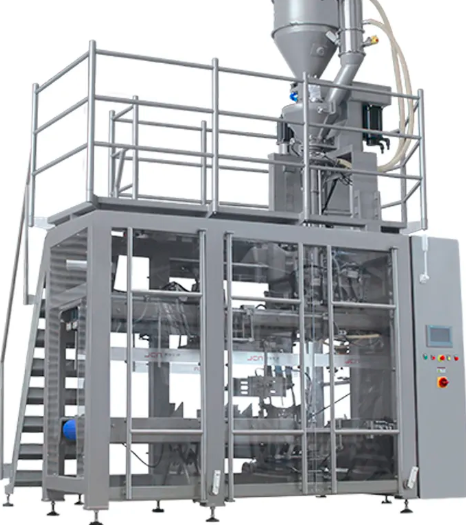
When evaluating the cost of auger fillers for bulk orders, several factors come into play. The initial purchase price is only one aspect; buyers must also consider ongoing operational costs, maintenance, and potential downtime.
First, assess the total cost of ownership, which includes not only the purchase price but also installation costs, training, and any necessary modifications to existing equipment. For example, if your facility requires extensive modifications to accommodate the new auger filler, this could significantly impact the overall budget.
Second, consider the machine's energy efficiency. An auger filler with lower energy consumption can reduce operational costs over time, providing significant savings, especially in high-volume production scenarios.
Additionally, inquire about the warranty and service agreements. A supplier that offers robust customer support and regular maintenance service can help minimize unexpected costs and ensure that the equipment remains operational.
Lastly, when placing bulk orders, negotiate terms that can yield discounts based on volume or long-term contracts. This can lead to lower unit prices and better cash flow management.
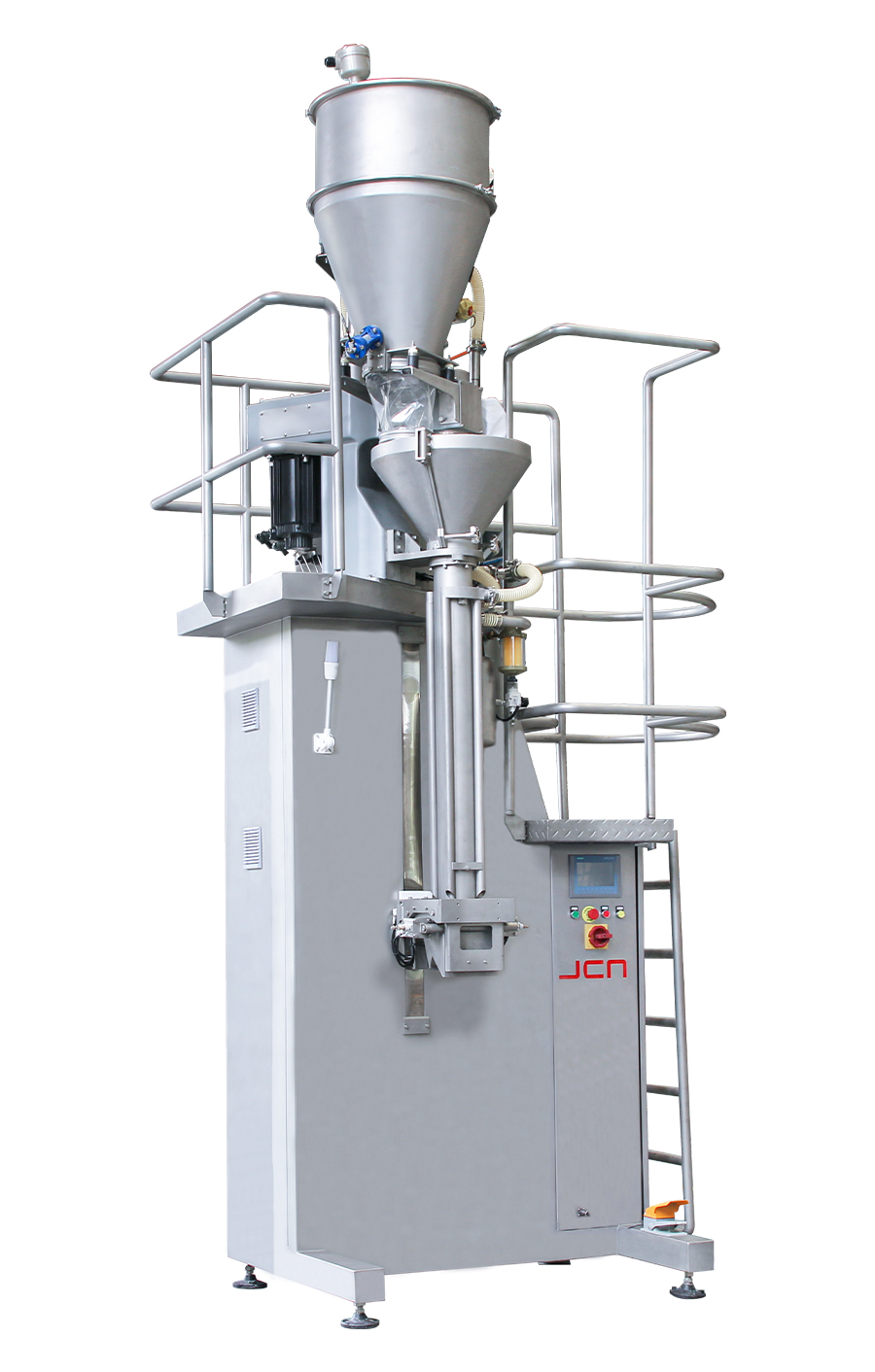
Despite their efficiency, auger fillers can encounter several issues during operation. One common problem is inconsistent filling accuracy. This can arise from improper calibration, variations in powder characteristics, or mechanical malfunctions. Regular calibration and maintenance checks are essential to ensure that the auger filler operates within specifications.
Another issue is the risk of powder bridging or clogging within the hopper. This can disrupt the flow of material and lead to production delays. To mitigate this, consider using vibratory feeders or agitators to keep the powder flowing smoothly.
Additionally, wear and tear on the auger and other components can lead to performance degradation over time. Selecting high-quality materials and understanding the expected wear rates can help in planning for replacements or maintenance, minimizing downtime.
Lastly, be aware of hygiene and cleaning challenges, especially in industries like food and pharmaceuticals. Implementing easy-to-clean designs and materials that resist contamination can enhance both efficiency and compliance with health regulations.
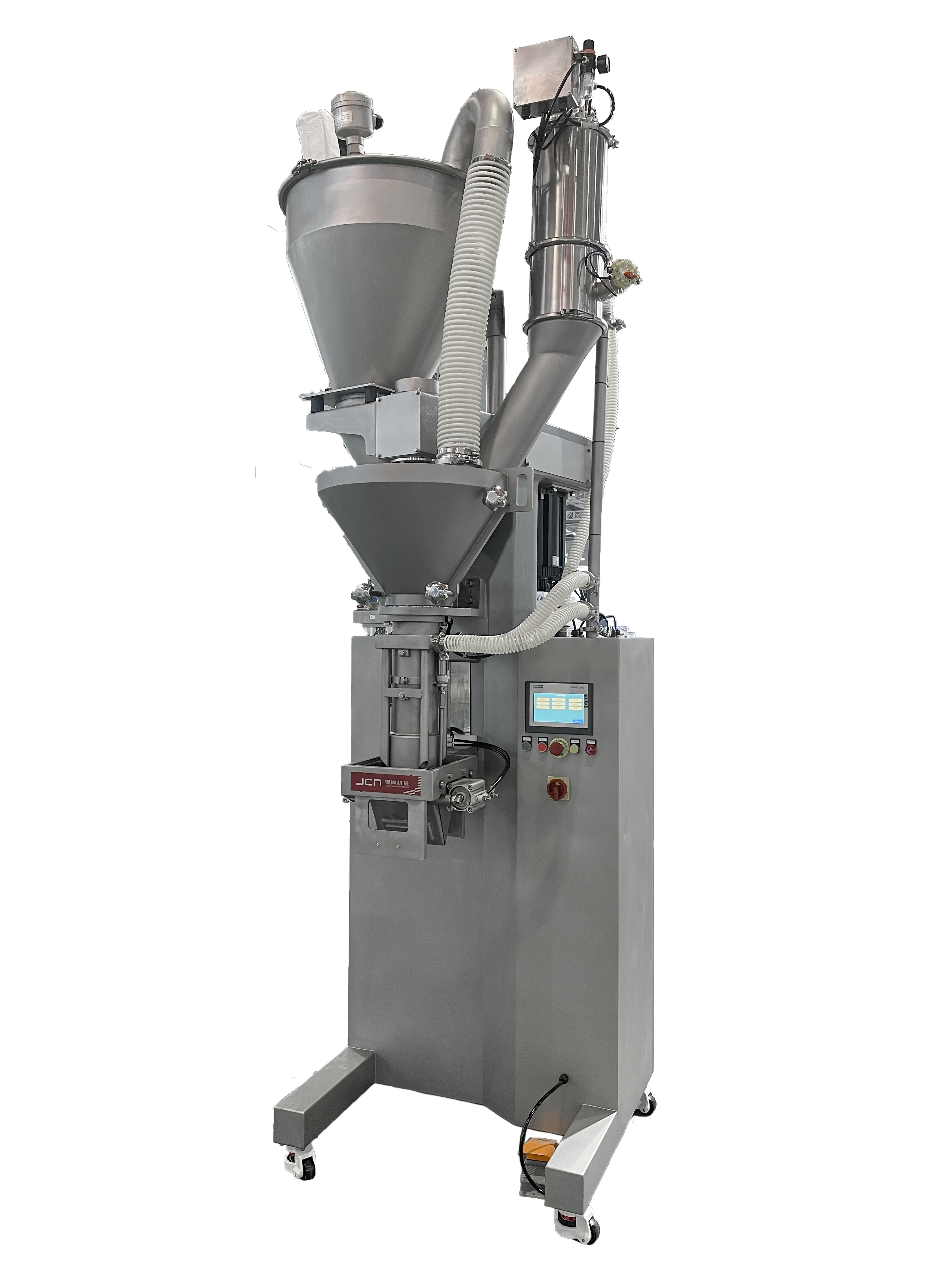
Proper installation of JCN auger fillers is crucial to ensure optimal performance and longevity. Start by assessing the site where the auger filler will be installed. Ensure adequate space for maintenance and operation, including access to power sources and any necessary utility connections.
Next, follow the manufacturer's installation instructions carefully. This typically includes securing the unit to a stable base and aligning it properly with any associated systems, such as conveyors or hoppers. Misalignment can lead to operational issues and increased wear on components.
Once installed, conduct a thorough check of all connections, including electrical and pneumatic systems, if applicable. Ensure that safety features are in place and operational, as this can prevent accidents and ensure compliance with workplace safety standards.
Finally, after installation, run a series of tests with the actual powder to confirm that the filling accuracy, speed, and performance meet the desired specifications. Document these tests to provide a reference point for future evaluations.
JCN has been certified ISO 9001:2015 obtain CE certification as well as Sealing and packing machineutility patent certificates.all our products are made entirely by factory. They are assembled and tested before delivery. Customers can also inspect the products verify they meet their needs.
JCN a manufacturer of powder handling equipment and equipment. Our primary products bag dumped, sieving, mixing, industrial weighing, auto-bagging as well as robotic palletising systems. They have been Sealing and packing machinewidely in food, new materials as well pharmaceutical industries, earning excellent reputation.
"JCN focus R and D food packaging machinery. have taken on the most advanced technology packaging machinery from Filling machine for powderand made improvements and innovation. We are available 24 hours a day, 7 days week for assistance, if you have any questions about machine operation simply get touch us."
JCN a manufacturing plant that covers more than 3000 square metres located Nantong, Jiangsu Province. JCN has grown to become one the largest companies that designs engineering, engineers, manufactures Powder filling machinestate-the-art powder handling equipment.